
California, a state synonymous with sun-drenched beaches, innovative technology, and a vibrant cultural tapestry, often finds itself at the forefront of national conversations. While the allure of its diverse landscapes and iconic landmarks draws millions of tourists annually, the Golden State also frequently becomes a stage for public demonstrations. Understanding what prompts these protests is key to grasping the pulse of California’s dynamic society, and often, these movements are deeply intertwined with the very elements that make the state so attractive to travelers and residents alike: its economy, its environment, and the well-being of its communities.

The reasons behind protests in California are as varied as its geography. From the bustling metropolises of Los Angeles and San Francisco to the agricultural heartlands and sprawling natural parks, citizens and workers voice their concerns through organized demonstrations. These events can range from peaceful marches and rallies to more disruptive actions, all aimed at bringing attention to specific issues and advocating for change. For visitors, these protests can sometimes impact travel plans, alter the ambiance of popular tourist areas, or offer a unique, albeit sometimes challenging, glimpse into the state’s social and political landscape.
Tourism and Economic Disparities: A Double-Edged Sword
California’s robust tourism industry is a significant engine of its economy, supporting countless hotels, restaurants, and attractions. However, this very success can also be a source of contention. Protests related to tourism often highlight issues of economic disparity, labor rights, and the impact of large-scale development on local communities.
Labor Rights and Fair Wages in the Hospitality Sector
The hospitality sector, which forms the backbone of California’s tourism, has been a frequent site of labor activism. Hotel workers, from housekeepers and kitchen staff to concierges and tour guides, often organize to demand better wages, improved working conditions, and greater job security. The disparities between the luxury experienced by tourists in lavish resorts and the often modest compensation of those who service them can fuel these movements.
For example, protests at major hotels in Las Vegas (though not in California, often have spillover effects and similar sentiments) and across California have centered on issues like fair pay, predictable scheduling, and benefits. Workers argue that the high profits generated by the tourism industry should be more equitably distributed. These demonstrations can sometimes lead to disruptions for travelers staying at or visiting affected establishments, with picket lines and boycotts becoming visible to tourists. Understanding these dynamics provides a deeper appreciation for the human element behind the seamless guest experiences that hotels and resorts strive to provide. It encourages travelers to consider the broader economic ecosystem that supports their vacations.
The Cost of Living and Housing in Tourist Hotspots
Another significant issue tied to tourism is the escalating cost of living, particularly housing, in desirable tourist destinations. Cities like San Francisco, San Diego, and coastal communities have seen their housing markets pushed to unsustainable levels, partly due to the demand for short-term rentals like those offered on platforms like Airbnb and the influx of highly paid workers in the tech and entertainment industries, which indirectly fuels demand.
This has led to protests from residents who are being priced out of their own neighborhoods, struggling to find affordable accommodation, and facing displacement. These demonstrations often target city halls or specific developments, advocating for stricter regulations on short-term rentals, increased investment in affordable housing, and policies that protect long-term residents. For tourists seeking a long-term stay or looking for accommodations outside of traditional hotels, these housing debates are directly relevant and can influence the availability and cost of lodging. It highlights the complex relationship between the tourism sector and the affordability of living in popular destinations.
Gentrification and Cultural Preservation
As popular tourist areas become more developed and sought after, the risk of gentrification and the erosion of local culture becomes a pressing concern. Protests can arise from communities fearing displacement or the loss of their unique character due to an influx of upscale hotels, luxury boutiques, and tourist-oriented businesses.
These movements often aim to preserve historic neighborhoods, support local businesses, and ensure that development benefits existing residents rather than solely catering to external interests. Tourists might witness these protests as a call to engage more thoughtfully with local communities, to support authentic cultural experiences, and to be mindful of the impact their presence has on the fabric of a place. It’s a reminder that every destination has a story, and protecting that narrative is often at the heart of community activism.
Environmental Concerns and Sustainable Tourism

California is renowned for its breathtaking natural beauty, from the towering sequoias of Sequoia National Park to the rugged coastline of Big Sur and the deserts of Joshua Tree National Park. This natural wealth, however, is increasingly under threat, leading to significant environmental protests.
Climate Change and Resource Management
Climate change is a paramount concern for many Californians, and protests related to environmental issues are frequent and passionate. These demonstrations often focus on the need for stronger government policies to combat climate change, reduce carbon emissions, and promote renewable energy sources. Issues such as water scarcity, the increasing frequency and intensity of wildfires, and the impact of rising sea levels on coastal communities are all drivers of activism.
Protests might target government agencies responsible for environmental regulation, oil companies, or industrial facilities perceived as contributing to pollution. For travelers, these environmental concerns underscore the importance of sustainable tourism practices. Choosing eco-friendly accommodations, respecting natural habitats, and minimizing one’s carbon footprint become not just personal choices but a way to support the very preservation that makes these destinations so special. The state’s commitment to environmentalism, and the public’s activism around it, can influence the types of tourism experiences available, promoting more responsible and low-impact travel.
Land Use, Conservation, and Development Conflicts
Conflicts over land use and conservation are also common sources of protest. These can involve disputes over the development of sensitive ecosystems, the protection of endangered species, or the preservation of open spaces against urban sprawl. For instance, proposals to build new resorts, expand infrastructure, or extract natural resources in ecologically significant areas often face strong opposition from environmental groups and local residents.
These protests highlight the delicate balance between economic development, particularly in the tourism sector, and the imperative to protect natural landscapes. Travelers visiting these areas may encounter signs of these debates, such as campaign posters or organized events aimed at raising awareness. It’s an opportunity for tourists to learn about the local conservation efforts and to appreciate the natural landmarks from a perspective that values their long-term protection.
Social Justice and Civil Liberties in a Diverse State
Beyond economic and environmental issues, protests in California are often rooted in broader social justice movements and the defense of civil liberties. The state’s diverse population means that a wide range of communities have specific concerns that can manifest in public demonstrations.
Racial Justice and Equality
Racial justice has been a recurring theme in California protests. Movements advocating for equality and an end to systemic discrimination often gain momentum, particularly following incidents of police brutality or perceived injustices. These demonstrations can take place in major cities and involve calls for police reform, accountability, and broader societal changes to address racial inequality. While these protests are not directly about tourism, they are a significant part of the social fabric of the places travelers visit. They offer an important context for understanding the current social climate and the ongoing struggles for civil rights.
Immigration Rights and Policies
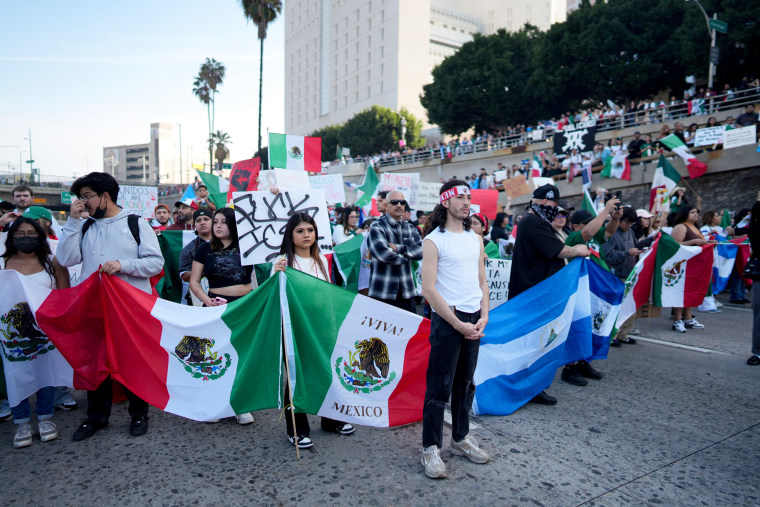
Given California’s significant immigrant population and its border with Mexico, immigration rights and policies are frequent subjects of protest. Demonstrations can advocate for humane treatment of immigrants, oppose strict enforcement measures, or support pathways to citizenship. These protests often occur at federal buildings, immigration centers, or public squares, drawing attention to the complex issues surrounding immigration in the United States. Travelers might observe these demonstrations as a reflection of the state’s diverse demographics and its ongoing engagement with national policy debates.
LGBTQ+ Rights and Social Inclusivity
California has been a leader in advancing LGBTQ+ rights, but activism continues to address remaining inequalities and to advocate for protection against discrimination. Protests may arise in response to proposed legislation perceived as harmful to the LGBTQ+ community or to celebrate milestones and advocate for continued progress. These movements contribute to the state’s reputation as a progressive and inclusive place, influencing the atmosphere and values experienced by visitors, particularly in cities like San Francisco and West Hollywood.
In conclusion, the protests in California, while sometimes creating disruptions, are an integral part of the state’s identity. They reflect a populace that is engaged, vocal, and committed to addressing complex social, economic, and environmental challenges. For travelers, understanding these motivations offers a richer, more nuanced perspective on the destinations they explore, moving beyond the surface attractions to appreciate the deeper currents of activism that shape this dynamic and influential state. Whether it’s the demand for fair labor in luxury hotels, the fight to preserve pristine natural landmarks, or the ongoing struggle for social justice, the voices of protest in California are a powerful testament to its people’s dedication to a better future.
LifeOutOfTheBox is a participant in the Amazon Services LLC Associates Program, an affiliate advertising program designed to provide a means for sites to earn advertising fees by advertising and linking to Amazon.com. Amazon, the Amazon logo, AmazonSupply, and the AmazonSupply logo are trademarks of Amazon.com, Inc. or its affiliates. As an Amazon Associate we earn affiliate commissions from qualifying purchases.