
The tragic events of April 15, 2013, at the finish line of the Boston Marathon irrevocably scarred the heart of a vibrant city, yet simultaneously forged an indomitable spirit of resilience known globally as “Boston Strong.” While the city of Boston is renowned for its rich history, iconic landmarks, and lively cultural scene, the bombing introduced a somber chapter, raising profound questions about the perpetrators behind such a heinous act. Understanding who “the Boston bomber” was involves delving into the lives of two brothers, Tamerlan Tsarnaev and Dzhokhar Tsarnaev, their journey to radicalization, and the devastating impact of their actions on one of America’s most beloved annual traditions and on the global perception of urban safety and community cohesion. For those planning to visit Boston, whether for its historical appeal, sporting events, or academic institutions, understanding this pivotal moment offers a deeper appreciation for the city’s enduring strength and the quiet memorials that stand as testaments to lives lost and a community united.
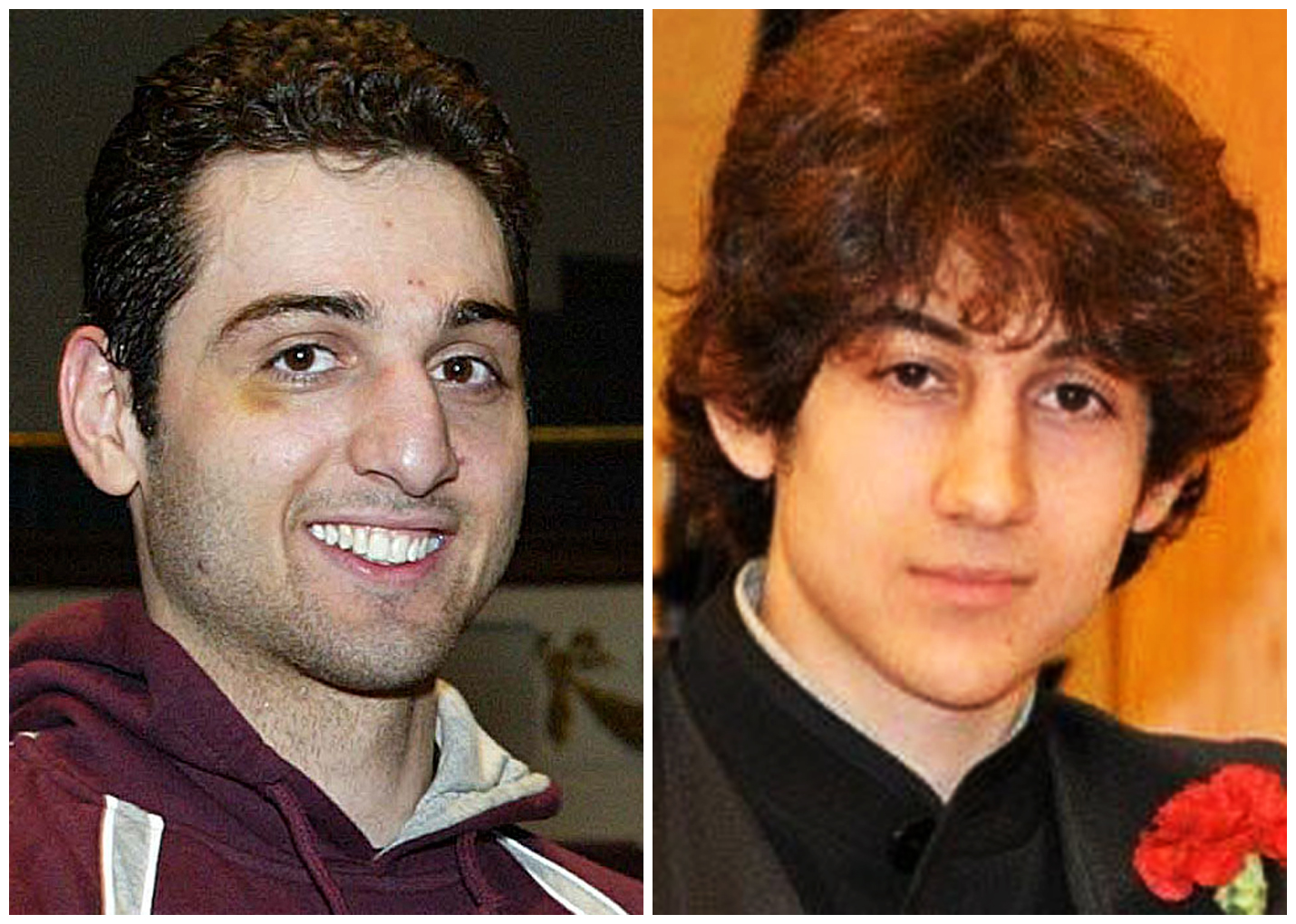
The Tsarnaev Brothers: A Descent into Extremism
The individuals responsible for the Boston Marathon Bombing were brothers, Tamerlan Tsarnaev and Dzhokhar Tsarnaev. Their story is one that begins far from the bustling streets of Boston, rooted in a complex geopolitical landscape that would ultimately shape their path towards extremism. Born into an ethnic Chechen family, their early lives were marked by displacement, moving from what is now Kyrgyzstan to Dagestan before eventually seeking asylum in the United States. Their arrival in the United States was part of a larger family migration, a common narrative for many seeking new beginnings in a land of opportunity. However, beneath the surface of apparent assimilation, a darker transformation was taking hold, particularly in the elder brother, Tamerlan.
Tamerlan Tsarnaev: The Elder Brother’s Path
Tamerlan Tsarnaev, born in Kalmykia, Russia, in 1986, was seen by many as a troubled individual who struggled to find his footing in American society despite his early aspirations. He was an amateur boxer, training at local gyms in Cambridge, Massachusetts, and at one point harbored dreams of representing the United States in the Olympics. However, as the years progressed, his boxing career stalled, and he became increasingly withdrawn and religious, embracing a more radical interpretation of Islam.
His journey towards radicalization was not linear but gradual, influenced by online extremist propaganda and personal grievances. A critical period in his radicalization involved a six-month trip to Dagestan and Chechnya in 2012. While authorities investigated this trip due to concerns about potential terrorist connections, he was able to return to the United States. This journey, whether for family visits or more sinister purposes, played a significant role in solidifying his extremist ideology and preparing him for the horrific acts he would soon commit. His movements across borders highlight how individuals, regardless of their original intent for travel, can become conduits for dangerous ideologies.
Dzhokhar Tsarnaev: The Younger Brother’s Involvement
Dzhokhar Tsarnaev, born in Kyrgyzstan in 1993, presented a stark contrast to his older brother. He was seemingly more integrated into American culture, a popular student at Cambridge Rindge and Latin School where he was on the wrestling team, and later a college student at UMass Dartmouth. Friends and acquaintances described him as quiet, amiable, and ordinary, someone who enjoyed typical college activities, social media, and sports. The perception of Dzhokhar as an “all-American kid” made his involvement in the bombing even more perplexing and shocking to the public.
It is largely believed that Dzhokhar was heavily influenced and coerced by his elder brother, Tamerlan. Evidence presented during his trial suggested that he looked up to Tamerlan and gradually fell under his radicalizing sway. While his direct motivations remain a subject of debate, the prosecution successfully argued that he knowingly participated in the plot, acting as an accomplice in the horrific attack. The story of the Tsarnaev brothers serves as a grim reminder of how extremist ideologies can take root, even within seemingly ordinary lives, and lead to devastating consequences that reverberate through communities and nations.
The Horrific Attack: A Day That Shook Boston
April 15, 2013, was supposed to be a day of celebration and athletic triumph in Boston. Instead, it became a day etched in collective memory for its terror and tragedy. The events that unfolded forever changed the city and impacted how public events are managed globally, especially in major tourist destinations.
The Boston Marathon: A City’s Celebration Interrupted
The Boston Marathon is one of the world’s most prestigious and oldest annual marathons, drawing elite runners and enthusiastic spectators from across the globe. It’s not just a race; it’s a major cultural event, a festival of human endurance and community spirit. Thousands line the streets from Hopkinton to Boston, culminating in a jubilant atmosphere along Boylston Street in Back Bay, where runners cross the iconic finish line. The area surrounding the finish line is typically a hive of activity, packed with families, friends, and tourists cheering on participants.
It was into this joyous scene that Tamerlan and Dzhokhar Tsarnaev introduced unspeakable horror. At 2:49 PM, two homemade pressure-cooker bombs exploded just 12 seconds apart near the finish line on Boylston Street. The blasts killed three people—Martin Richard, Krystle Campbell, and Lingzi Lu—and injured hundreds, many suffering grievous, life-altering injuries including lost limbs. The immediate aftermath was a scene of chaos and heroism, with first responders, medical personnel, and even ordinary citizens rushing to aid the wounded amidst smoke and debris. For those who visit Boston today, walking Boylston Street is a journey through a site of both immense pain and profound resilience, a crucial landmark in understanding modern Boston.
The Manhunt and the City’s Lockdown

In the days following the attack, Boston and the nation held its breath as a massive investigation unfolded. The FBI quickly took charge, piecing together fragments of evidence from the blast sites and poring over vast amounts of surveillance footage and eyewitness accounts. On April 18, the FBI released images of two suspects, whom they identified as “Suspect 1” and “Suspect 2,” appealing to the public for help.
That night, the situation escalated dramatically. The brothers, now identified, ambushed and shot and killed MIT Police Officer Sean Collier in Cambridge. They then carjacked a vehicle, leading to a frantic pursuit and a violent shootout with police in Watertown, a suburb west of Boston. During this confrontation, Tamerlan Tsarnaev was critically wounded and eventually died. Dzhokhar Tsarnaev escaped, triggering an unprecedented manhunt and a virtual lockdown of Boston and its surrounding communities.
Public transportation ceased, businesses closed, and residents were urged to “shelter in place.” The usually bustling streets of Boston, a city known for its vibrant tourism and hotel industries, became eerily silent. This lockdown had a significant, albeit temporary, impact on travel and accommodation in the region, showcasing how quickly urban life can be brought to a halt in the face of security threats. The manhunt culminated on the evening of April 19, when Dzhokhar Tsarnaev was discovered hiding in a boat in a backyard in Watertown. His capture brought an end to the terror, allowing Boston to begin its long journey of healing and recovery.
Boston’s Resilience and Lasting Legacy
The aftermath of the Boston Marathon Bombing was not just about the capture of the perpetrators; it was profoundly about the remarkable resilience of the city and its people. This tragic event, while a dark chapter, also showcased the enduring spirit of community and the powerful human capacity for unity in the face of adversity.
The Spirit of “Boston Strong”
In the days and weeks following the attack, the rallying cry “Boston Strong” emerged, embodying the city’s defiant and courageous response. This phrase became more than just a slogan; it was a testament to the immediate outpouring of support for victims, the solidarity displayed by residents, and the unwavering determination to not let terror define their home. Fundraisers were quickly organized, blood drives saw unprecedented participation, and messages of hope and defiance adorned public spaces. The “Boston Strong” movement transcended the city limits, becoming a national and international symbol of resilience.
This spirit is still palpable in Boston today. Visitors often remark on the palpable sense of community pride and an underlying strength that speaks volumes about how the city navigated its darkest hours. It’s a testament to how a shared traumatic experience can, paradoxically, foster a stronger, more unified identity, which ultimately enhances the city’s unique character for both residents and tourists alike.
Memorials, Security, and the Marathon’s Future
To honor those who lost their lives and those who were injured, the Boston Marathon Memorial was officially dedicated on August 15, 2019, near the finish line on Boylston Street. This poignant landmark consists of bronze spires and commemorative stones, serving as a quiet place for reflection and remembrance. For tourists exploring Boston’s historic sites and attractions, the memorial offers a solemn opportunity to acknowledge this recent history and pay respects.
The bombing also led to significant enhancements in security protocols for large-scale public events, not just in Boston but across the globe. Future Boston Marathons now feature increased police presence, bag restrictions, and checkpoints, transforming the spectator experience while ensuring safety. While these measures are a visible reminder of past events, they are also a reassurance for travelers and participants. The Marathon itself continues to thrive, attracting thousands of runners and spectators each year, serving as a powerful symbol of victory over adversity and the enduring human spirit. Boston maintains its status as a premier destination for sports, culture, and history, drawing visitors who seek to engage with its profound stories.
Visiting Boston: Reflecting on History While Embracing the Present
For those planning to experience Boston, the story of the Marathon bombing and its aftermath is a crucial, albeit somber, part of its modern narrative. However, it is essential to remember that this event, while significant, does not define the entirety of this dynamic and welcoming city. Boston offers a rich tapestry of experiences, blending colonial history with cutting-edge innovation, vibrant neighborhoods, and world-class attractions.
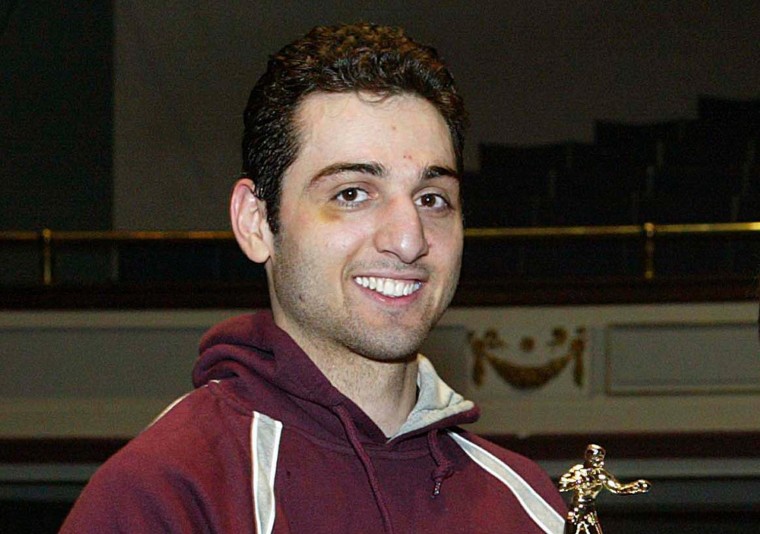
Experiencing Boston Beyond the Headlines
When you visit Boston, you’ll discover a city brimming with opportunities for exploration and enjoyment. Walk the historic Freedom Trail to delve into America’s revolutionary past, explore the charming cobblestone streets of Beacon Hill, or immerse yourself in the academic grandeur of Harvard University and MIT in nearby Cambridge. The city’s diverse culinary scene, from fresh seafood in the Seaport District to traditional Italian fare in the North End, offers a delightful journey for any palate.
Accommodation options abound, from luxurious hotels overlooking Boston Harbor to boutique stays in historic buildings and modern apartments for extended visits. Whether you’re on a family trip, a business stay, or a solo adventure, Boston caters to all lifestyles and budgets. Engage with local culture through its numerous museums, art galleries, and live performance venues. The city encourages thoughtful travel, inviting visitors to not only enjoy its vibrant present but also to learn from its complex history, including the lessons of resilience and unity that emerged from the tragic events of 2013.
In conclusion, “the Boston bomber” refers to brothers Tamerlan Tsarnaev and [Dzhokhar Tsarnaev], whose radicalized actions brought terror to the Boston Marathon in 2013. Their story is a stark reminder of the global challenges of extremism and radicalization. However, Boston’s enduring legacy is not defined by their heinous acts but by the extraordinary courage, compassion, and unity demonstrated by its citizens in the face of tragedy. For travelers, Boston remains a captivating destination, inviting you to explore its rich history, vibrant culture, and the powerful spirit of “Boston Strong” that continues to inspire. Visiting Boston offers a unique opportunity to connect with a city that truly embodies resilience, a place where history, both ancient and recent, shapes a dynamic and forward-looking present.
LifeOutOfTheBox is a participant in the Amazon Services LLC Associates Program, an affiliate advertising program designed to provide a means for sites to earn advertising fees by advertising and linking to Amazon.com. Amazon, the Amazon logo, AmazonSupply, and the AmazonSupply logo are trademarks of Amazon.com, Inc. or its affiliates. As an Amazon Associate we earn affiliate commissions from qualifying purchases.