
Navigating the intricacies of sales tax can feel like a daunting task, especially when planning a trip or managing business in a vibrant locale like Los Angeles County, California. Whether you’re a tourist eager to explore the diverse attractions, a business owner setting up shop, or simply a resident trying to understand your fiscal responsibilities, knowing the correct sales tax rate is crucial. This guide aims to demystify the sales tax landscape in Los Angeles County, offering clarity on the current rates, what they apply to, and how they contribute to the region’s dynamic character.
Understanding the California Sales Tax Structure
Sales tax in California is a complex, multi-layered system. It’s not a single, uniform rate applied across the entire state. Instead, it’s a combination of state, county, and district taxes. This means that the exact sales tax you’ll pay can vary significantly from one city to another, even within the same county. For Los Angeles County, this tiered structure is particularly relevant, as various districts impose additional local taxes.
The Base State Sales Tax
At the core of the California sales tax is the state rate, which is set by the California Department of Tax and Fee Administration (CDTFA). This state portion forms the foundation upon which county and district taxes are added. It’s important to note that sales tax in California applies to the retail sale of tangible personal property. Services are generally not subject to sales tax, although there are exceptions.
County and District Taxes: The Layers of Local Taxation
Beyond the state rate, each of California’s 58 counties can impose a uniform countywide sales and use tax. Furthermore, various local districts within counties can levy additional district taxes. These district taxes are often established to fund specific local projects, such as public transportation, parks, or public safety initiatives. This is where the variations in sales tax rates become most pronounced.
In Los Angeles County, like many other populous counties in California, there are numerous district taxes in effect. These can include district taxes for transportation, county services, and special tax zones. Therefore, to determine the precise sales tax rate for a specific transaction, one must consider not only the state and county rates but also any applicable district taxes based on the precise location of the sale within Los Angeles County.
Current Sales Tax Rate in Los Angeles County
The sales tax rate in Los Angeles County is a composite of the state tax, the county tax, and various district taxes. As of recent updates, the statewide base sales tax rate is 7.25%. However, this is rarely the final rate you’ll encounter in Los Angeles County.
The Combined Rate for Los Angeles County
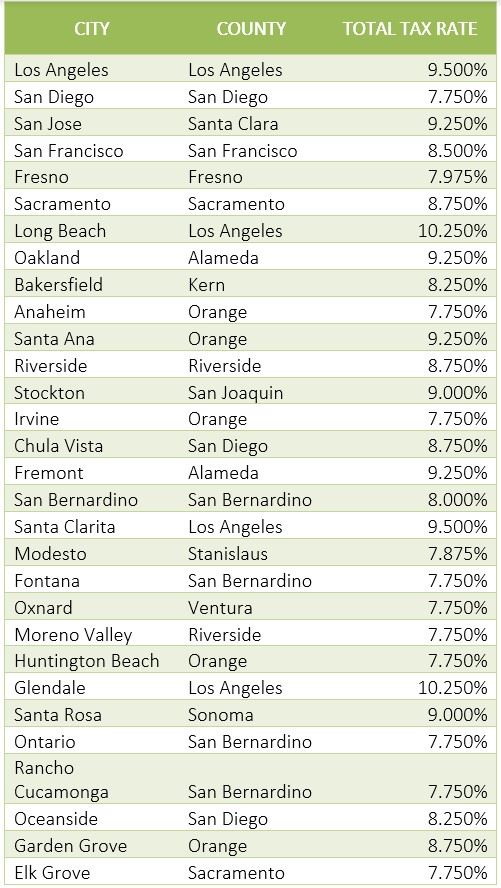
When you factor in the countywide tax and the various district taxes specific to Los Angeles County, the combined sales tax rate can be significantly higher. For most of Los Angeles County, the current statewide combined sales tax rate is 9.50%. This rate includes:
- State Tax: 7.25%
- Los Angeles County District Tax: 1.00%
- Los Angeles County Transportation District Tax: 0.75%
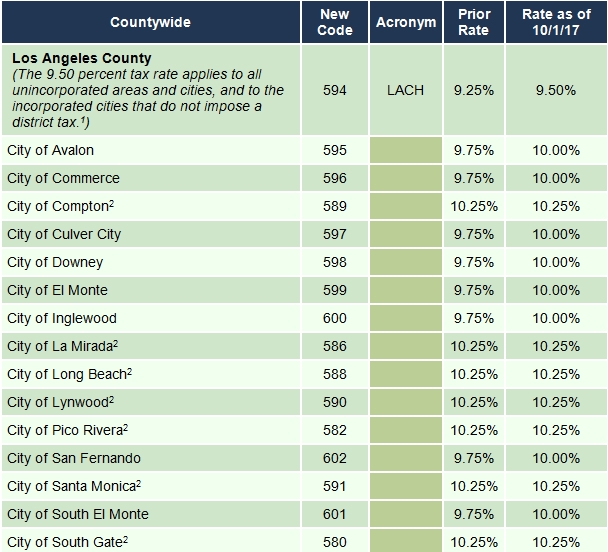
It is crucial to understand that this 9.50% rate is the minimum you will find in most incorporated cities within the county. Some cities or specific areas within Los Angeles County might have additional district taxes that can push the total rate even higher. For instance, certain special tax districts or redevelopment areas may impose their own levies.
Variations Within Los Angeles County
The dynamic nature of district taxes means that the sales tax rate is not uniform across the entire county. For example, a purchase made in the city of Los Angeles might have a slightly different rate than a purchase made in the city of Long Beach or the city of Santa Monica, depending on the specific district taxes applicable to those locales.
For businesses operating within Los Angeles County, or for consumers making significant purchases, it is advisable to consult the official resources provided by the California Department of Tax and Fee Administration (CDTFA) to determine the precise tax rate for a particular address or jurisdiction. The CDTFA provides a searchable database that allows users to input a location and retrieve the current sales and use tax rate.
What Does Sales Tax Apply To in Los Angeles County?
In Los Angeles County, sales tax, also known as sales and use tax, applies to the retail sale of most tangible personal property. This includes a wide array of goods that travelers and residents alike might purchase during their time in the area.
Common Taxable Items
The scope of taxable items is broad and encompasses many things you might encounter while exploring destinations like Disneyland or enjoying the attractions along Sunset Boulevard. Common examples include:
- Clothing and Accessories: From designer outfits in Beverly Hills to casual wear for a day at the beach in Malibu.
- Electronics: Whether you’re picking up a new camera for your California adventures or a souvenir gadget.
- Home Goods and Furniture: Purchases for your residence or temporary stay.
- Vehicles: While often subject to registration fees, the purchase of vehicles also incurs sales tax.
- Food and Drinks (prepared for immediate consumption): This is a critical distinction. While groceries are generally exempt from state sales tax, prepared meals, restaurant food, and beverages sold for immediate consumption are taxable. This means your dining experiences at popular eateries or food trucks will be subject to sales tax.
- Souvenirs and Gifts: Items purchased from gift shops at popular landmarks like the Griffith Observatory or themed attractions will carry the sales tax.
- Rental of Tangible Personal Property: This can include items like rental cars, equipment, or even hotel amenities that are rented out separately.
What is Generally Exempt from Sales Tax?
While the list of taxable items is extensive, certain goods and services are generally exempt from sales tax in California. Understanding these exemptions can help in managing your budget.
- Most Groceries: Unprepared food products intended for home consumption are typically exempt. This means your weekly grocery shopping at a supermarket will likely not incur sales tax.
- Prescription Drugs: Medications prescribed by a licensed healthcare professional are exempt.
- Services: As mentioned earlier, most services are not subject to sales tax. This includes a vast range of professional services, labor charges, and repairs, unless they are considered part of the sale of tangible personal property. For example, a mechanic’s labor charge to repair your car might be exempt, but the cost of the parts used in the repair would be taxable.
- Certain Medical Devices: Some medical devices and equipment are exempt.
It’s important to note that there can be nuances and specific definitions for what constitutes an exemption. For instance, the classification of certain food items or the specific nature of a service can sometimes lead to confusion. Consulting the CDTFA or a tax professional is recommended for definitive clarification on specific items.
The Impact of Sales Tax on Travel and Business in Los Angeles County
The sales tax in Los Angeles County plays a significant role, not only for residents but also for the millions of tourists and businesses that operate within its borders. Understanding this impact is key for planning and budgeting.
Impact on Tourists and Visitors
For visitors planning a trip to experience the glamour of Hollywood, the theme parks, or the beaches of Southern California, the sales tax rate is an integral part of their budget. When purchasing souvenirs, dining out, or buying clothing for their trip, the 9.50% (or higher in some areas) sales tax will be added to the listed price of goods.
- Shopping: A significant portion of tourist spending involves retail purchases. The sales tax directly increases the cost of these items, from unique gifts to essential supplies.
- Dining: Enjoying the diverse culinary scene of Los Angeles, from street tacos to fine dining, will include the sales tax on your bill.
- Accommodation: While the lodging tax is separate, sometimes ancillary services offered by hotels, like the rental of equipment or sale of convenience items, might fall under sales tax.
Budget-conscious travelers will want to factor in this additional cost when planning their expenses for hotels, entertainment, and shopping in Los Angeles County. Websites and apps offering booking for hotels like the Beverly Hills Hotel or comparing vacation rentals will typically display prices before taxes, with the final amount calculated at checkout.
Impact on Businesses
Businesses operating in Los Angeles County are responsible for collecting and remitting sales tax to the state. This involves:
- Registration: Businesses must register with the CDTFA to obtain a seller’s permit.
- Collection: Accurately calculating and collecting the correct sales tax from customers based on the location of the sale. This requires an understanding of the various district taxes.
- Remittance: Filing regular sales and use tax returns and remitting the collected taxes to the CDTFA.
- Record Keeping: Maintaining detailed records of all sales and tax collections for audit purposes.
The complexity of the district tax structure can be a challenge for businesses, particularly those with multiple locations or those that engage in sales across different jurisdictions within Los Angeles County. Staying updated on any changes to tax rates or regulations is crucial for compliance.

The Role of Sales Tax Revenue
The revenue generated from sales tax in Los Angeles County is vital for funding public services and infrastructure projects. This includes:
- Transportation: Many district taxes are specifically allocated to improving public transportation systems and road infrastructure.
- Public Safety: Funds can contribute to local police and fire departments.
- Parks and Recreation: Investments in parks, community centers, and recreational programs.
- Education: While property taxes are a primary source for schools, sales tax can supplement funding for educational initiatives.
Therefore, the sales tax, while an added cost for consumers and a responsibility for businesses, directly contributes to the quality of life and the functioning of the vibrant communities within Los Angeles County, making it an essential component of the region’s economic and social fabric.
LifeOutOfTheBox is a participant in the Amazon Services LLC Associates Program, an affiliate advertising program designed to provide a means for sites to earn advertising fees by advertising and linking to Amazon.com. Amazon, the Amazon logo, AmazonSupply, and the AmazonSupply logo are trademarks of Amazon.com, Inc. or its affiliates. As an Amazon Associate we earn affiliate commissions from qualifying purchases.