
Navigating the financial landscape of any travel destination can often feel like deciphering a complex map. For those planning a trip, a business venture, or simply curious about the economic workings of a popular locale, understanding local taxes is paramount. In the sprawling and vibrant expanse of Los Angeles County, California, the question of sales tax is a frequently asked one, impacting everything from a casual souvenir purchase to a significant business transaction. This article aims to demystify the sales tax structure in Los Angeles County, providing a comprehensive overview for travelers, residents, and businesses alike.
Understanding California’s Sales and Use Tax
At its core, the sales tax in California is a privilege tax imposed by the state on the retail sale of tangible personal property. This means that when you buy goods from a retailer, you are generally expected to pay a percentage of the sale price to the state. This tax is collected by retailers and then remitted to the California Department of Tax and Fee Administration (CDTFA).
The Mechanics of State and Local Taxes
California’s sales tax system is a layered one, with a base state rate augmented by local taxes levied by counties and cities. This means that the total sales tax rate can vary significantly depending on where you are within the state. For Los Angeles County, this layered approach is particularly important, as it encompasses a diverse range of incorporated cities and unincorporated areas, each with its own tax nuances.
The standard statewide sales tax rate in California is 7.25%. However, this is rarely the final rate paid by consumers. A significant portion of this rate is composed of district taxes, which are levied at the county and city levels. These district taxes are voted on by residents and are intended to fund local public services, such as transportation, education, and public safety.
The Base Rate vs. The Actual Rate
It is crucial to distinguish between the base state sales tax rate and the actual sales tax rate that applies to a transaction. While the base state rate is uniform across California, the addition of local district taxes means that the total sales tax you pay will be higher than this base rate. For example, if you purchase a item in Los Angeles, the rate you encounter will include the state portion along with specific city and county district taxes.
Sales Tax in Los Angeles County: A Deeper Dive
Los Angeles County, being the most populous county in the United States, has a complex sales tax landscape due to the sheer number of incorporated cities and its vast unincorporated areas. Each of these jurisdictions can impose its own district taxes, leading to variations in the total sales tax rate.
County-Level Taxes and Special Districts
The Los Angeles County Local Revenue Fund (LCRF) is a significant component of the sales tax levied within the county. This fund is established by voter approval and is dedicated to supporting county-wide public services. In addition to the LCRF, various special districts within Los Angeles County may also impose their own district taxes. These can include taxes for transportation projects, library services, or other specific community needs.
City-Specific Sales Tax Rates
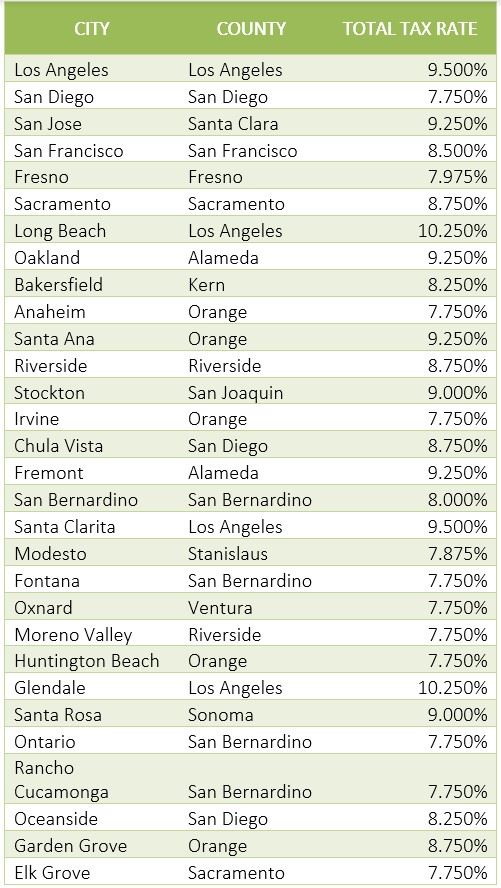
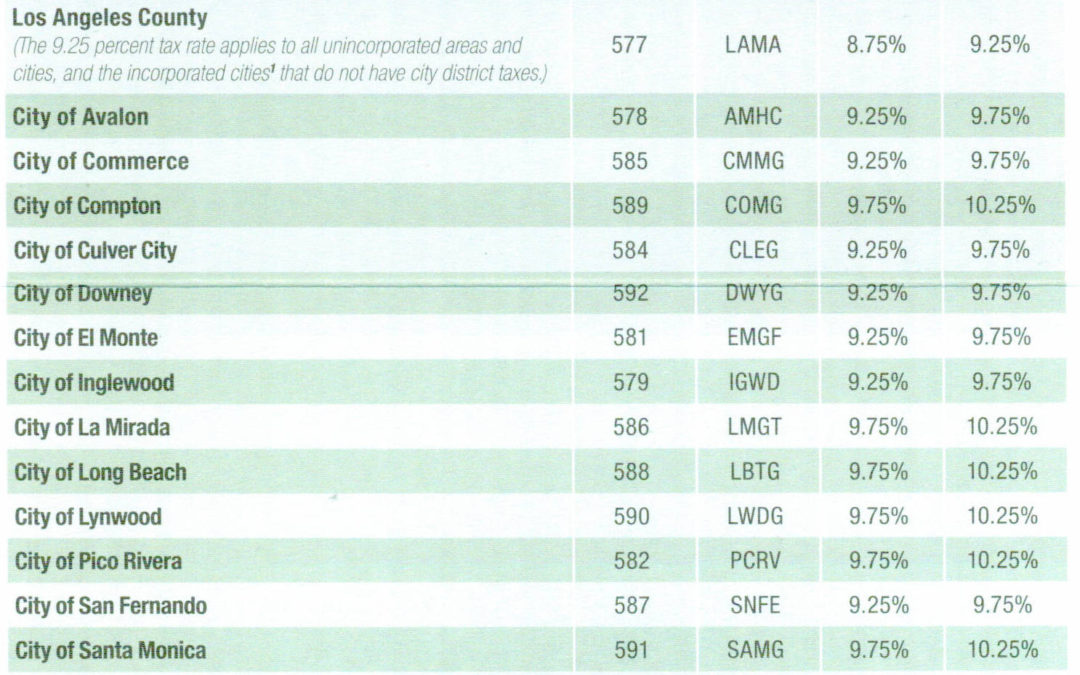
The most significant factor causing variations in sales tax rates across Los Angeles County is the presence of individual city taxes. Many cities within the county have approved their own local sales taxes to fund essential services and infrastructure. This means that a purchase made in Beverly Hills will likely have a different sales tax rate than one made in Long Beach, even though both are within the county.
For instance, the city of Los Angeles itself has several voter-approved local taxes that contribute to its overall sales tax rate. These can range from taxes supporting public transportation initiatives to those funding affordable housing projects. Travelers visiting popular tourist destinations like Disneyland in nearby Anaheim, which is in Orange County, should be aware that sales tax rates will differ from those in Los Angeles County.
Key Considerations for Businesses and Travelers
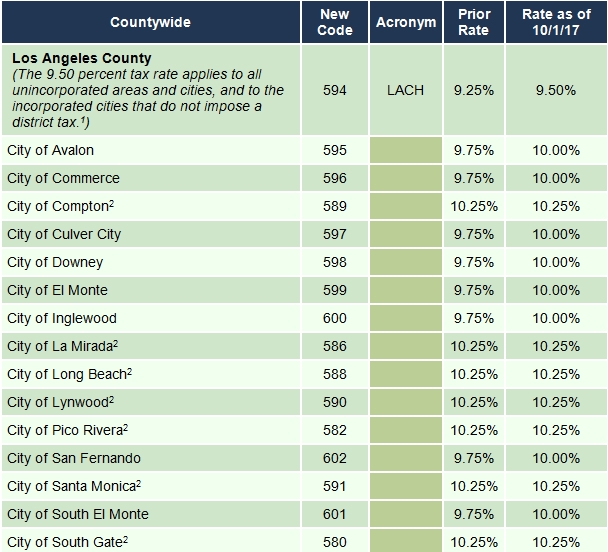
For businesses operating in Los Angeles County, understanding these variations is critical for accurate tax remittance and pricing. They are responsible for collecting and reporting the correct sales tax based on the situs of the sale – the physical location where the transaction occurs. This can be complex for businesses with multiple locations or those engaging in online sales where the customer’s location is a factor.
For travelers, being aware of the sales tax rates can help in budgeting for purchases. While the difference might seem small on a single item, it can add up over the course of a trip. For example, when booking accommodation at a luxury resort like the Beverly Hills Hotel or a more budget-friendly option, the sales tax on the room rate will be factored into the final price. Similarly, dining at renowned restaurants or visiting attractions like Universal Studios Hollywood will involve sales tax on tickets, food, and merchandise.
How to Find the Specific Sales Tax Rate
Given the variability, determining the exact sales tax rate for a specific location within Los Angeles County requires a bit of research. The California Department of Tax and Fee Administration (CDTFA) is the primary source for this information.
CDTFA Resources
The CDTFA provides tools and publications to help individuals and businesses determine the applicable sales tax rates. Their website often features a sales and use tax rate lookup tool where you can enter a specific address or zip code to find the current rate. This is the most reliable method for obtaining accurate information.
Understanding Use Tax
It’s also important to understand the concept of “use tax.” Use tax is complementary to sales tax and is imposed on the storage, use, or consumption in California of tangible personal property purchased from out-of-state retailers for use in California. If sales tax was not paid at the time of purchase, use tax is due. This often applies to online purchases from retailers who do not collect California sales tax. The use tax rate is generally the same as the sales tax rate for the location where the item is used.
Impact on Different Sectors
The sales tax in Los Angeles County has a tangible impact across various sectors, influencing consumer spending, business operations, and the overall economy.
Retail and Tourism
For the retail sector, sales tax directly affects the price of goods. This can influence consumer purchasing decisions, especially for larger ticket items. In the tourism industry, sales tax is a factor in the overall cost of a vacation. When visitors book hotels, dine at restaurants, purchase souvenirs from shops like those found along the Santa Monica Pier, or engage in activities, the sales tax is an added expense. While it’s a relatively small percentage per item, it can add up. This is why understanding the local rates can be beneficial for travelers planning their budgets for destinations like Hollywood or exploring the Griffith Observatory.
Accommodation and Lifestyle Choices
The accommodation sector, from luxury resorts to vacation apartments, is also subject to sales tax on room rates, in addition to potential occupancy taxes levied by cities. This influences the final cost for travelers seeking places to stay, whether they are looking for family-friendly options or business accommodations. Lifestyle choices, such as opting for budget travel versus luxury travel, can be further amplified by the cumulative effect of sales tax on various expenditures. For instance, a family on a budget might be more keenly aware of the sales tax on groceries, while someone on a business trip might factor it into the cost of meals and local transportation.
Landmarks and Experiences
Visiting historical landmarks, natural wonders, or engaging in unique local experiences all come with associated costs, which often include sales tax. Whether it’s purchasing entry tickets to a museum like the Getty Center, buying art in the Arts District, or enjoying a performance at a venue like the Walt Disney Concert Hall, the sales tax is a component of the overall price. This underscores the pervasive nature of sales tax in daily transactions within Los Angeles County.
In conclusion, the sales tax in Los Angeles County is a multifaceted aspect of its economy, influenced by state mandates and a significant number of local district taxes. Understanding its intricacies is essential for businesses to operate compliantly and for individuals to budget effectively, ensuring a smoother and more informed experience within this dynamic region. Always refer to official sources like the CDTFA for the most current and precise tax rate information for your specific location.
LifeOutOfTheBox is a participant in the Amazon Services LLC Associates Program, an affiliate advertising program designed to provide a means for sites to earn advertising fees by advertising and linking to Amazon.com. Amazon, the Amazon logo, AmazonSupply, and the AmazonSupply logo are trademarks of Amazon.com, Inc. or its affiliates. As an Amazon Associate we earn affiliate commissions from qualifying purchases.