
California, the Golden State, is a land of dazzling diversity. From the sun-drenched beaches of Southern California to the majestic redwood forests of the north, it beckons travelers with its iconic landmarks, vibrant culture, and unparalleled lifestyle opportunities. Whether you’re planning a whirlwind tour of its famous attractions, seeking the perfect resort for a luxurious escape, or simply curious about the daily rhythms of life in this sprawling paradise, understanding California’s time zones is a fundamental piece of the puzzle. This guide delves into the temporal landscape of California, offering insights into how time influences travel, accommodation, and the very essence of experiencing the Golden State.
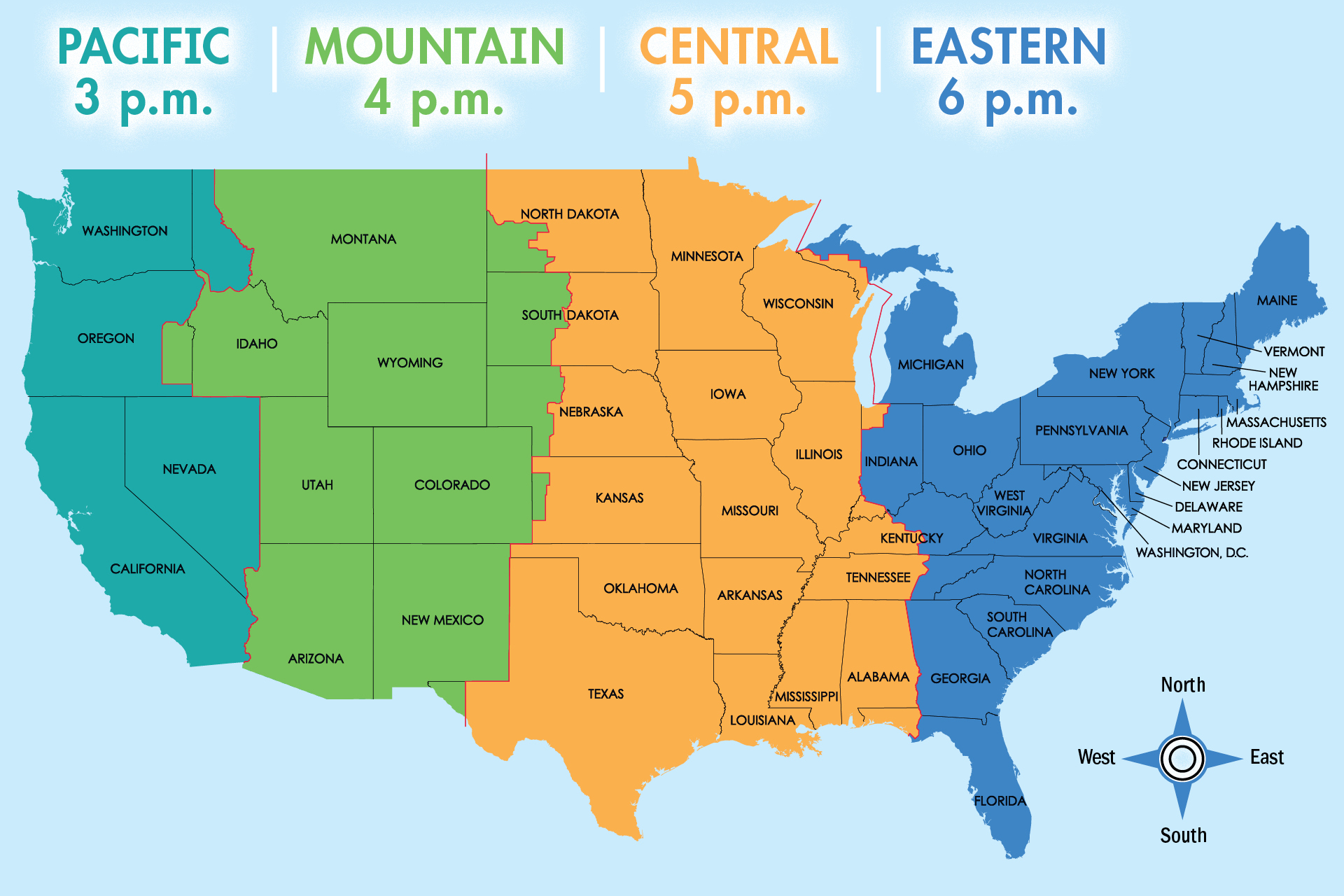
California’s unique geographical span, stretching over 800 miles from north to south, necessitates a clear understanding of its timekeeping. While most of the state operates under a single time zone, a small portion observes a different schedule, a nuance that can be crucial for planning your journeys. This temporal consideration is more than just a matter of setting your watch; it directly impacts flight schedules, tour timings, dining reservations, and the overall flow of your California adventure.
Understanding California’s Time Zones
California primarily observes the Pacific Time Zone. This is the zone that governs the majority of the state’s population centers, from the bustling metropolis of Los Angeles to the tech hub of San Francisco and the state capital, Sacramento. The Pacific Time Zone is part of the North American time zone system and is characterized by its relationship to Coordinated Universal Time (UTC).
Pacific Standard Time (PST) and Pacific Daylight Time (PDT)
Within the Pacific Time Zone, California observes two distinct periods throughout the year: Pacific Standard Time (PST) and Pacific Daylight Time (PDT). The transition between these two occurs with the observance of Daylight Saving Time (DST).
-
Pacific Standard Time (PST): During the fall and winter months, California operates on PST, which is UTC-8. This is the standard time for the region.
-
Pacific Daylight Time (PDT): From early spring to mid-fall, California springs forward into PDT, which is UTC-7. This shift is designed to maximize daylight hours during the warmer months, a practice common in many parts of the world. The specific dates for the start and end of Daylight Saving Time are determined by federal law in the United States and are generally the second Sunday in March and the first Sunday in November.
The observance of Daylight Saving Time means that the actual clock time in California shifts by one hour twice a year. This change can sometimes lead to minor disruptions in travel plans or communication with individuals in other time zones, so it’s always wise to confirm the current status of DST when planning international or inter-state activities.
The Exception: The Desert Time Zone
While the vast majority of California adheres to the Pacific Time Zone, there is a fascinating exception: a small portion of the state in the desert region observes Mountain Time. This typically includes communities like Winterhaven and surrounding areas that are geographically closer to Arizona, which predominantly operates on Mountain Time.
- Mountain Standard Time (MST) and Mountain Daylight Time (MDT): Similar to the Pacific Time Zone, this region observes both Mountain Standard Time (MST), which is UTC-7, and Mountain Daylight Time (MDT), which is UTC-6, during DST periods.
The existence of this temporal anomaly, though affecting a relatively small geographical area and population, highlights the importance of checking specific local times when planning travel to the border regions of California, particularly those adjacent to Arizona. For most visitors, however, the Pacific Time Zone will be their primary temporal reference point.
Time and the California Travel Experience
Understanding California’s time zones is not just an academic exercise; it directly influences how you experience the state. From planning your arrival and departure to scheduling your daily excursions, time is a constant, yet fluid, factor.
Optimizing Your Itinerary
When planning a trip to California, knowing the local time allows for effective itinerary building. For instance, if you’re aiming to catch a sunrise over the Grand Canyon (though not in California, a popular day trip or extension from Southern California) or experience the magic of a sunset from the beaches of San Diego, understanding the hours of daylight and dusk is paramount.
-
Morning Activities: The Pacific coast offers breathtaking sunrises, and waking up early to witness them can be a rewarding experience, especially during the winter months when days are shorter.
-
Afternoon Adventures: The long daylight hours of summer, thanks to PDT, allow for extended exploration of attractions like Yosemite National Park or a leisurely drive along the scenic Pacific Coast Highway.
-
Evening Entertainment: California’s cities are renowned for their vibrant nightlife. Knowing the local time ensures you don’t miss out on dinner reservations in Beverly Hills or a show in Hollywood.
Navigating Time Differences
When traveling from other parts of the United States or internationally, the time difference to California can be significant. This is a critical factor for:
-
Business Travel: Coordinating meetings with colleagues or clients on the East Coast or in Europe requires careful attention to time zone conversions to avoid missed calls or inconvenient meeting times. A business stay in Palo Alto might involve early morning calls with New York or late-evening interactions with London.
-
Family Trips: Keeping in touch with family and friends back home while on vacation in Disneyland or exploring the wineries of Napa Valley necessitates an awareness of the time difference to ensure smooth communication.
-
Flight Schedules: Airport operations, flight departures, and arrivals are all scheduled according to local time. Understanding the time difference can prevent confusion, especially when dealing with red-eye flights or early morning departures from the East Coast to California.
Maximizing Your Stay
California offers an incredible array of experiences, and time management is key to making the most of them.
-
Theme Parks: Parks like Universal Studios Hollywood often have opening and closing hours that vary seasonally. Knowing the local time ensures you can plan your park visits to maximize ride time and minimize queues.
-
National and State Parks: Exploring the natural wonders of California, such as the giant sequoias in Sequoia National Park or the dramatic coastline of Big Sur, often involves significant driving and hiking. Planning your days based on daylight hours is essential for safety and enjoyment.
-
Cultural Immersion: Experiencing local culture, from farmer’s markets in Santa Barbara to evening performances in San Jose, is often time-bound. Researching opening hours and event schedules based on California time will enhance your cultural explorations.
Accommodation and Lifestyle Considerations
The temporal rhythm of California also influences the world of accommodation and the broader lifestyle choices available to residents and visitors alike.
Booking and Planning Stays
When booking hotels, resorts, or apartments in California, the time zone is a standard consideration.
-
Check-in and Check-out: Most accommodations have set check-in and check-out times, which are based on local Pacific Time. Whether you’re staying at the luxurious Beverly Wilshire, A Four Seasons Hotel or a budget-friendly motel in Anaheim, these times are crucial for planning your arrival and departure.
-
Long-Term Stays: For those considering a longer-term accommodation, such as renting a villa in Malibu or an apartment in Oakland, understanding the daily rhythm of the city is enhanced by recognizing the local time zone. This includes knowing when businesses are open, when public transport is busiest, and the general pace of life.
-
Amenities and Services: Hotel amenities like spas or restaurants often have specific operating hours that align with local time. Booking a spa treatment at a resort in Palm Springs requires checking their schedule, which will be in Pacific Time.

Embracing the California Lifestyle
California is synonymous with a distinct lifestyle, from the laid-back beach culture of Santa Cruz to the sophisticated urbanity of San Francisco. Time plays a subtle yet pervasive role in shaping these experiences.
-
Luxury Travel: For those seeking luxury travel, California offers an abundance of high-end resorts and private villas. The timing of your visit can influence the experience. For example, visiting during the shoulder seasons might offer a more relaxed atmosphere and better availability for exclusive experiences.
-
Budget Travel: Even on a budget, understanding local times helps maximize your value. Catching an early morning flight or booking accommodation with flexible check-in can be advantageous. Many free attractions, like exploring the historic streets of Old Town San Diego, are best enjoyed during daylight hours.
-
Family Trips: With children, adhering to a consistent daily schedule, even while traveling, is often beneficial. Knowing the local time in California allows parents to better manage meal times, nap schedules, and bedtime routines, ensuring a smoother family vacation.
-
Business Stays: For business travelers, efficiency is key. Understanding the local time, especially when working across different time zones, allows for optimized schedules and productive meetings. A business stay in the Silicon Valley region might require early starts to align with East Coast markets.
In conclusion, while the question “What time is it in California?” might seem straightforward, its answer encompasses the Pacific Time Zone for most of the state and a pocket of Mountain Time in the desert regions, with the annual shift for Daylight Saving Time adding another layer of temporal consideration. This temporal understanding is not merely about the clock; it’s an integral part of planning your travel, booking your accommodation, and fully immersing yourself in the diverse and dynamic lifestyle that the Golden State has to offer. Whether you’re marveling at the architectural grandeur of the Golden Gate Bridge or enjoying the culinary delights of Los Angeles, a grasp of California’s time will undoubtedly enhance your journey.
LifeOutOfTheBox is a participant in the Amazon Services LLC Associates Program, an affiliate advertising program designed to provide a means for sites to earn advertising fees by advertising and linking to Amazon.com. Amazon, the Amazon logo, AmazonSupply, and the AmazonSupply logo are trademarks of Amazon.com, Inc. or its affiliates. As an Amazon Associate we earn affiliate commissions from qualifying purchases.