
While the allure of a California vacation often conjures images of sun-drenched beaches, iconic landmarks, and vibrant cityscapes, for many, the practicalities of planning such a trip can involve more than just booking a hotel or an apartment. For those considering a longer stay, or even a permanent relocation, understanding the financial landscape is crucial. This includes navigating the state’s tax system, particularly the income tax. For visitors and residents alike, a grasp of California’s income tax structure can influence decisions about where to stay, how long to visit, and how to manage finances during your time in the Golden State.
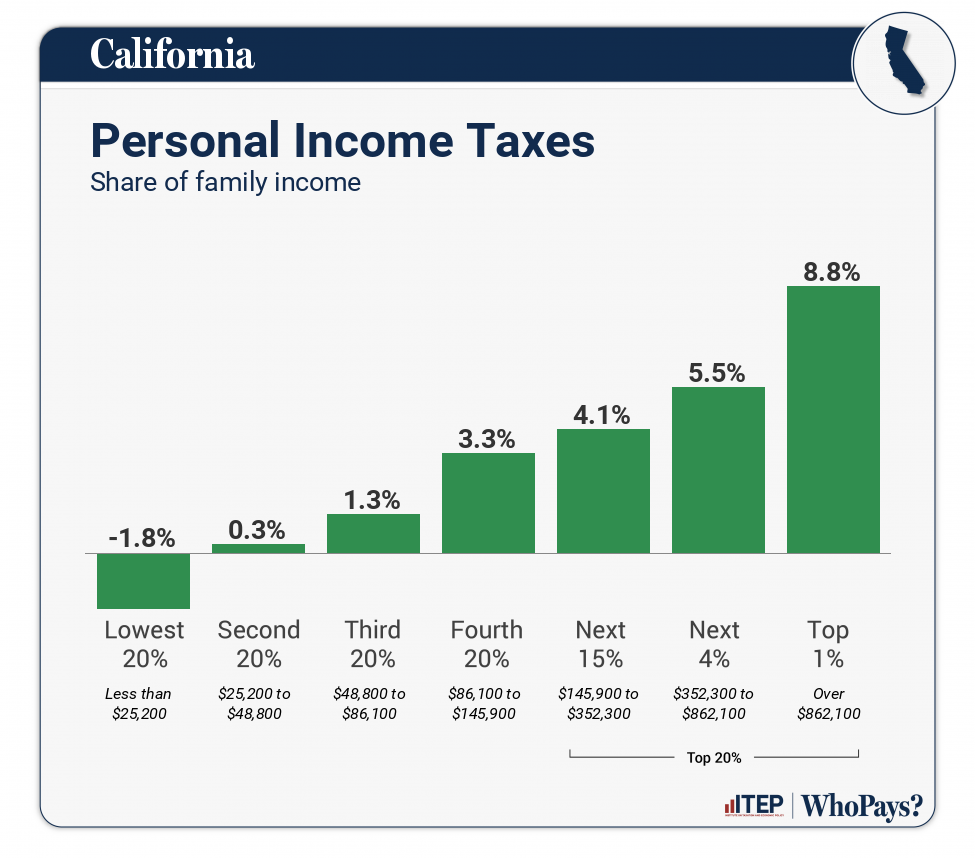
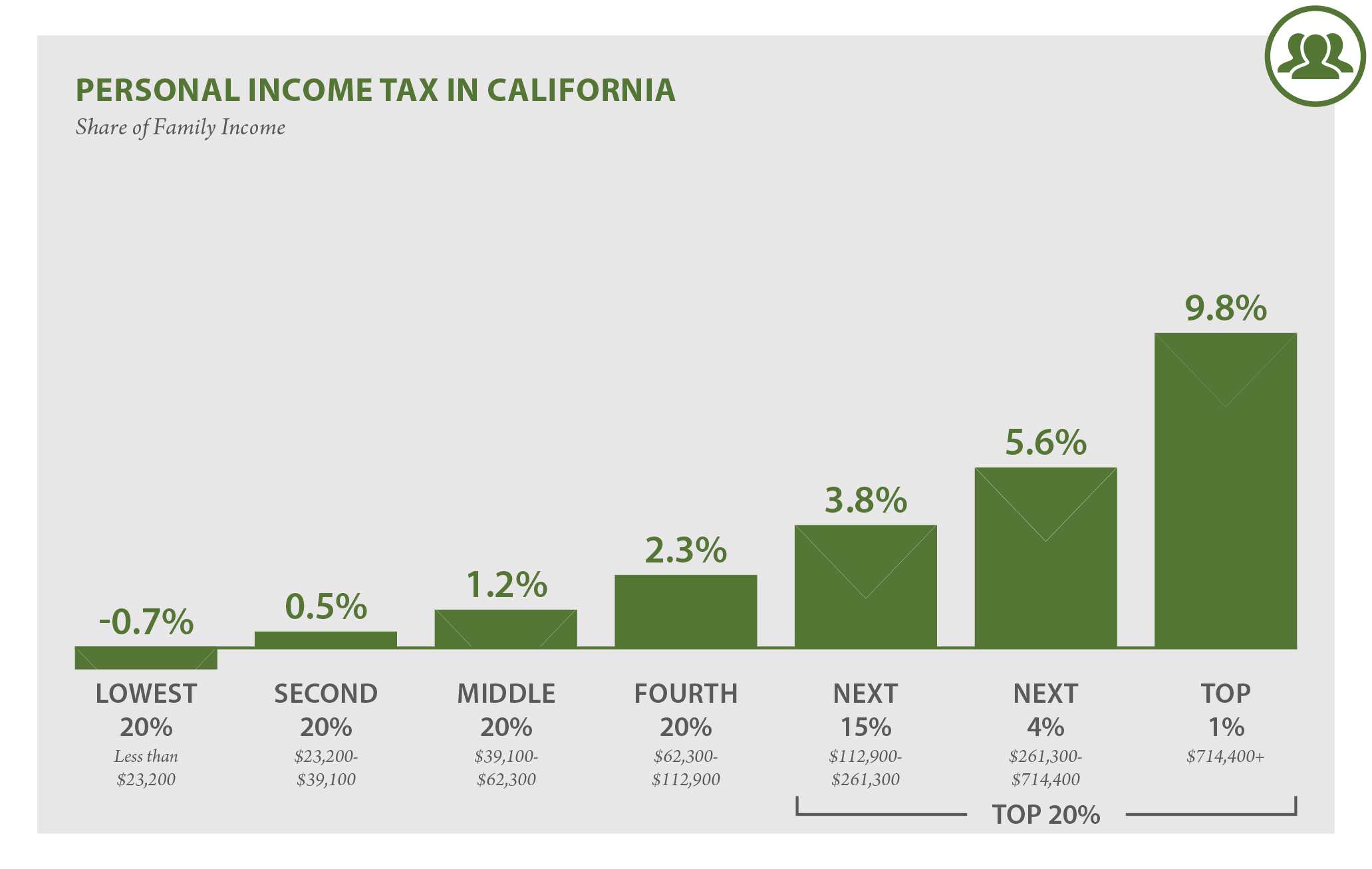
The state of California operates a progressive income tax system, meaning that individuals and households with higher incomes are taxed at higher rates. This system is designed to ensure that those who earn more contribute a proportionally larger share to fund public services, from maintaining the stunning national parks like Yosemite National Park to supporting education and infrastructure in bustling cities like Los Angeles and San Francisco.
Understanding California’s Progressive Income Tax System
At its core, the progressive income tax means that your total income is divided into different “brackets,” and each bracket is taxed at a specific rate. As your income increases, more of it falls into these higher tax brackets, leading to an overall higher tax percentage on your total earnings. This is a common feature in many tax systems globally, aiming for a more equitable distribution of the tax burden.
Income Brackets and Tax Rates
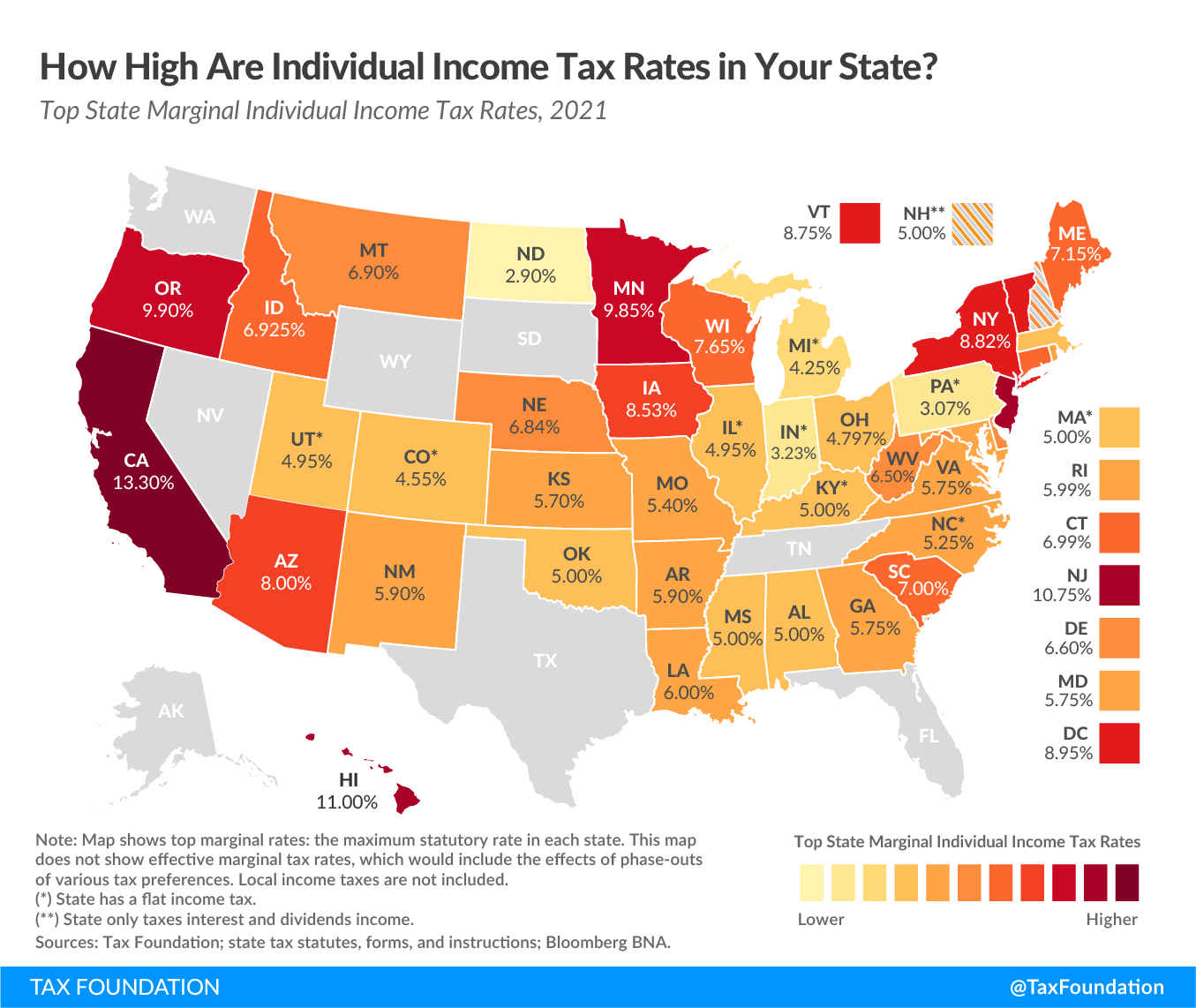
The exact income brackets and their corresponding tax rates are subject to change annually, often adjusted for inflation. For the most current information, it is always advisable to consult official resources from the California Franchise Tax Board. However, the general principle remains consistent. For example, single filers in California might see their first portion of income taxed at a lower rate, say 1%, with subsequent portions of their income taxed at progressively higher rates, potentially reaching up to 13.3% for the highest earners.
Married couples filing jointly will have different brackets and rates, generally with higher income thresholds before reaching the top tax rates, reflecting their combined income. These rates can be complex, and understanding where your income falls within these brackets is essential for accurate tax calculation. This knowledge is particularly relevant for those who might be considering a long-term accommodation or even a relocation to California, as it directly impacts their net income.
Factors Influencing Your Tax Liability
Several factors beyond just your income level can influence how much income tax you pay in California.
Filing Status
As mentioned, your filing status – whether you are single, married filing jointly, married filing separately, or head of household – significantly impacts the tax brackets and deductions available to you. This is a foundational element in tax planning.
Deductions and Credits
California offers various deductions and credits that can reduce your taxable income. These can range from deductions for certain business expenses, especially relevant for those on business stays or managing remote work from a luxury travel destination, to credits for dependents, education expenses, or specific types of investments. For instance, if you’re renting a villa for an extended period and incurring related costs, some of these might be deductible depending on the circumstances. Similarly, if you are a digital nomad working from a resort in California, understanding potential business expense deductions is vital.
Source of Income
The source of your income also plays a role. Generally, income earned from services performed or business conducted within California is subject to state income tax, regardless of where you reside. This is a key consideration for individuals who might be working remotely from various tourist destinations or considering short-term work assignments in the state. For example, if you are earning income while staying at the Grand Hyatt Hotel in San Francisco, that income is likely taxable by California.
Filing Your California Income Tax Return
The process of filing your income tax return in California is similar to filing at the federal level, with specific forms and deadlines to adhere to.
Key Forms and Deadlines
The primary form for individual income tax in California is the Form 540. This form is used to report your income, calculate your tax liability, and claim any deductions or credits. For those who are not residents but have earned income in California, a Form 540NR (Nonresident or Part-Year Resident) may be required.
The deadline for filing your California income tax return is typically April 15th of each year, mirroring the federal deadline. However, extensions can be requested, usually granting an additional six months to file, though tax payments are still generally due by the original deadline to avoid penalties and interest.
Residency vs. Non-Residency
Determining your residency status is a critical first step in understanding your California tax obligations. Generally, you are considered a resident of California if you are present in the state for more than nine months of the tax year and intend to make it your permanent home. If you are a full-year resident, you will report all your income, regardless of where it was earned, on Form 540.
If you are not a resident of California but earn income within the state, you are considered a non-resident and will need to file Form 540NR. This applies to individuals who might be on an extended vacation, working on a temporary assignment, or visiting for business, and deriving income from those activities. For example, if you are staying in a suite at a hotel in San Diego for a few months and working remotely, you may have California tax obligations.
Implications for Travelers and Tourists
While most tourists visiting California for short stays will not incur any income tax liability, the state’s tax laws can become relevant for those who spend extended periods in the state or engage in income-generating activities.
Short-Term Visits
For typical vacationers enjoying the attractions of Disneyland, exploring the Golden Gate Bridge, or indulging in the culinary scene of Napa Valley, income tax is generally not a concern. These activities are considered personal enjoyment and do not generate taxable income within the state. The primary financial considerations for these travelers usually revolve around accommodation costs, travel expenses, and spending on local experiences.
Extended Stays and Remote Work
The landscape shifts for individuals who choose to extend their stays significantly or work remotely from California. If you are working remotely for an employer outside of California while living in a rented apartment or villa for several months, your income earned during that period may be subject to California income tax. This is particularly true if you establish a physical presence and conduct work within the state for a substantial duration. Understanding the nexus rules, which determine when a business or individual creates a sufficient connection to a state to be subject to its tax laws, is crucial. This can impact digital nomads, freelancers, or anyone working remotely from popular destinations like Lake Tahoe or the picturesque coastline of Big Sur.
Business Travel
For those on business stays, the tax implications can also be complex. If your business activities in California exceed certain thresholds, your employer or you, as an independent contractor, may be subject to state income tax. This is where consulting with a tax professional becomes highly recommended to ensure compliance, especially when planning business stays that might involve extensive client meetings, project work, or establishing a temporary office.
In essence, while California offers unparalleled travel experiences, from the theme parks of Anaheim to the vineyards of Sonoma County, understanding its tax framework is an integral part of responsible financial planning for extended visits or relocation. Whether you’re dreaming of a budget travel adventure or a family trip exploring landmarks like the Hollywood Sign, being informed about income tax can help you better manage your finances and enjoy your time in the Golden State.
LifeOutOfTheBox is a participant in the Amazon Services LLC Associates Program, an affiliate advertising program designed to provide a means for sites to earn advertising fees by advertising and linking to Amazon.com. Amazon, the Amazon logo, AmazonSupply, and the AmazonSupply logo are trademarks of Amazon.com, Inc. or its affiliates. As an Amazon Associate we earn affiliate commissions from qualifying purchases.