
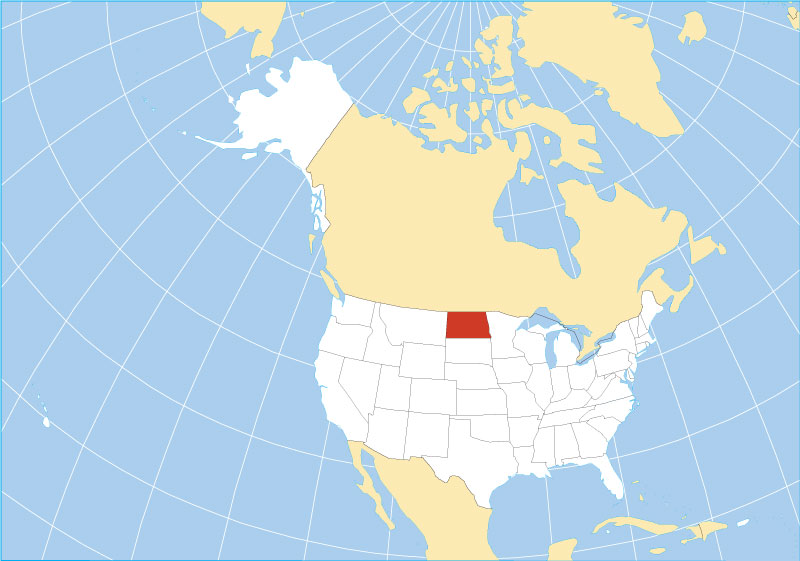
Often perceived as an enigmatic heartland state, North Dakota occupies a distinctive and vital position on the map of the United States. Tucked away in the Midwest and sharing its northern border with Canada, this expansive state is a tapestry of sweeping prairies, dramatic Badlands formations, and a rich historical legacy. Far from being merely a flyover state, North Dakota offers an authentic American experience, making it an increasingly appealing travel destination for those seeking natural beauty, outdoor adventure, and a glimpse into resilient pioneer spirit and vibrant Native American culture.
For many, the question “Where is North Dakota?” isn’t just about its geographical coordinates; it’s an inquiry into its character and the unique experiences it provides. This guide aims to place the Roughrider State firmly on your mental map, inviting you to explore its landmarks, vibrant cities, and serene landscapes. Whether you’re a history enthusiast, an outdoor adventurer, or simply curious about discovering less-trodden paths, North Dakota promises a journey filled with unexpected charm and unforgettable moments. From its major urban centers to its sprawling national parks, understanding its location is the first step towards unlocking the wonders of this remarkable state.
Unveiling North Dakota’s Location and Landscape
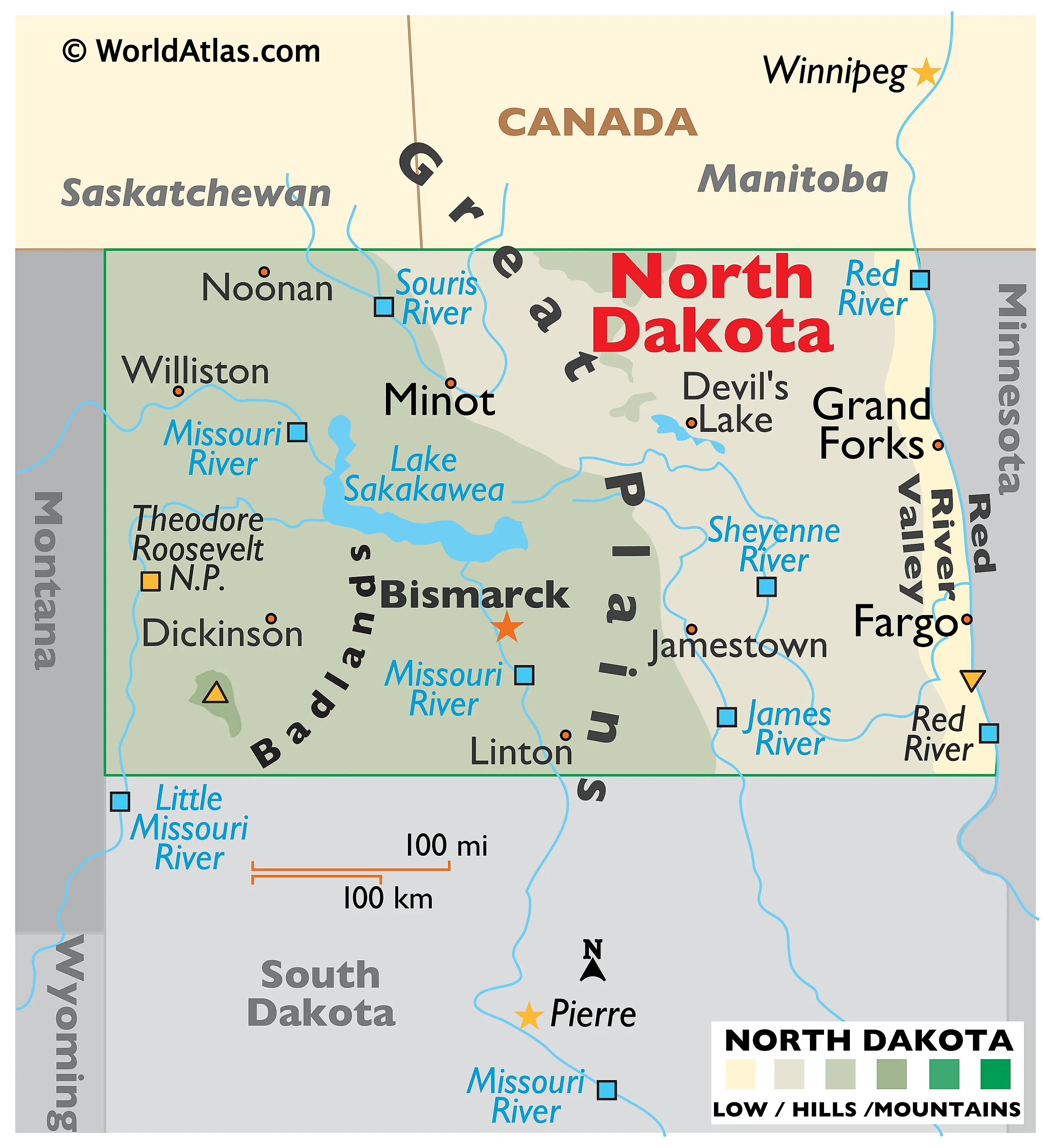
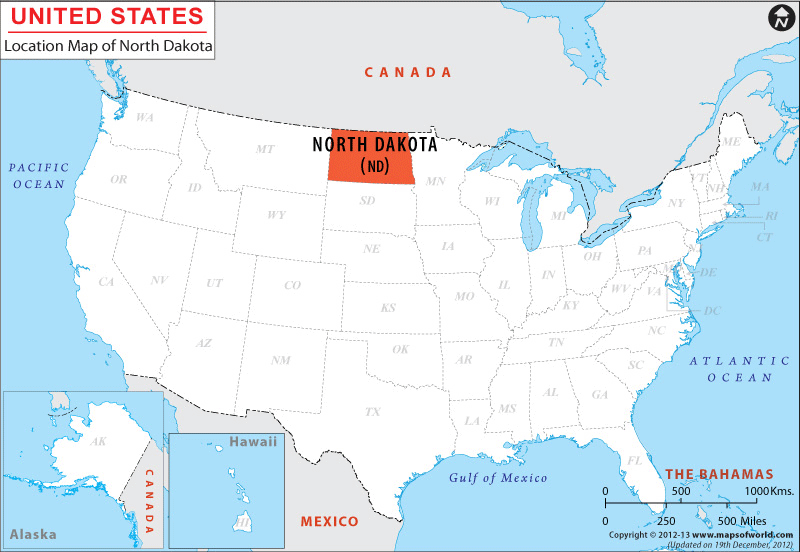
Geographically, North Dakota is situated in the upper central part of the United States, precisely between the 46th and 49th parallels North latitude. It’s bordered by Minnesota to the east, South Dakota to the south, Montana to the west, and the Canadian provinces of Saskatchewan and Manitoba to the north. This strategic northern position influences its climate, often characterized by distinct seasons with warm summers and cold, snowy winters, each offering unique recreational opportunities.
A Glimpse into the Great Plains and Badlands
The state’s landscape is broadly defined by two prominent geographical features. The eastern half of North Dakota is dominated by the fertile flatlands of the Red River Valley, some of the richest agricultural land in the world, where wheat, corn, and soybeans thrive. As you move westward, the terrain gradually transitions into the rolling hills and shortgrass prairies of the Great Plains. This vast expanse is home to diverse wildlife and is where much of the state’s cattle ranching tradition is rooted.
However, it’s the southwestern corner of North Dakota that truly captures the imagination with its dramatic Badlands. Sculpted by centuries of wind and water erosion, these rugged formations feature striking buttes, mesas, and canyons, painted in layers of browns, reds, and grays. This region is the centerpiece of Theodore Roosevelt National Park, offering breathtaking vistas and a stark contrast to the verdant plains. The mighty Missouri River, the longest river in North America, flows through the western part of the state, carving its path through the landscape and creating vital ecosystems and recreational areas, including the massive Lake Sakakawea. Understanding these geographical nuances helps visitors appreciate the diversity of natural attractions and the varying types of tourism and experiences available across the state.
Discovering North Dakota’s Cities and Cultural Hubs
While known for its wide-open spaces, North Dakota also boasts several vibrant cities, each offering unique insights into the state’s local culture, history, and contemporary lifestyle. These urban centers serve as excellent bases for exploring the surrounding regions, providing a range of accommodation and dining options.
The Dynamic Energy of Fargo
As North Dakota’s largest city, Fargo is often the first point of contact for many visitors, largely due to its easily accessible international airport and position on Interstate 94. This bustling city, combined with its sister cities of Moorhead, Minnesota, and West Fargo, forms a dynamic metropolitan area. Fargo is a hub of arts, culture, and education, home to North Dakota State University, which infuses the city with a youthful energy.
Downtown Fargo is characterized by its historic brick buildings housing trendy boutiques, art galleries, and diverse restaurants. The Fargo Theatre, an art deco masterpiece, hosts concerts and classic film screenings. For a taste of pioneer life, Bonanzaville USA offers a collection of historic buildings and artifacts, making it a key attraction for family trips and history buffs alike.
Bismarck’s Historical Echoes
Moving westward, Bismarck serves as the state capital and a significant historical center. Located on the eastern bank of the Missouri River, it blends modern governmental functions with a deep respect for its past. The iconic North Dakota State Capitol Building, a striking Art Deco skyscraper, stands proudly against the prairie skyline.
Nearby, the North Dakota Heritage Center & State Museum offers a comprehensive journey through the state’s natural and cultural history, from prehistoric times to the present day. Just south of Bismarck lies Fort Abraham Lincoln State Park, a pivotal landmark where visitors can explore reconstructed Mandan earthlodges and the home of General George Armstrong Custer, the Custer House. These sites are integral to understanding the complex history of westward expansion and Native American interactions.
Grand Forks and Minot: Northern Charms
Further north, Grand Forks is another significant urban center, home to the University of North Dakota. This city, situated on the Red River, is known for its vibrant downtown and the Grand Forks Greenway, a vast urban park system along the riverbanks, perfect for outdoor activities. The North Dakota Museum of Art provides a cultural counterpoint, showcasing regional and national artists.
To the northwest, Minot is a city with a strong connection to its Scandinavian heritage and military presence, hosting the Minot Air Force Base. Each fall, Minot comes alive with the Norsk Hostfest, the largest Scandinavian festival in North America, drawing visitors from around the globe to celebrate culture, food, and entertainment. Its unique charm makes it a compelling stop on any North Dakota travel itinerary.
Natural Wonders and Historic Landmarks
Beyond its cities, North Dakota is a treasure trove of natural wonders and historic landmarks that speak to its pristine beauty and profound past. These sites are the cornerstone of the state’s tourism appeal, offering unparalleled opportunities for exploration and reflection.
The Majestic Theodore Roosevelt National Park
Undoubtedly the jewel in North Dakota’s crown, Theodore Roosevelt National Park is where the spirit of the Badlands truly shines. Divided into three units — the North Unit, South Unit (near the historic town of Medora), and Elkhorn Ranch Unit — the park preserves the dramatic landscape that inspired President Theodore Roosevelt to pursue conservation. Here, visitors can embark on scenic drives, hike through rugged trails, and witness an abundance of wildlife, including bison, wild horses, elk, and prairie dogs, in their natural habitat. The Maah Daah Hey Trail, a challenging 144-mile non-motorized trail, offers a multi-day adventure for hikers, bikers, and equestrians, traversing some of the most stunning Badlands terrain. This park truly embodies the spirit of adventure travel and offers an intimate connection with nature.
Iconic Symbols of Peace and History
North Dakota is also home to several unique landmarks that tell stories of peace and exploration. The International Peace Garden, straddling the border between North Dakota and Manitoba, Canada, symbolizes friendship between the two nations. This vast botanical garden, featuring stunning floral displays, waterfalls, and the Peace Tower monument, is a serene retreat and a powerful testament to cross-border harmony.
Further west, the Lewis and Clark National Historic Trail traces the path of the famed Lewis and Clark Expedition through North Dakota, particularly along the Missouri River. Significant sites like the Knife River Indian Villages National Historic Site near Stanton offer a window into the lives of the Hidatsa and Mandan tribes, who played a crucial role in assisting the explorers. These sites are essential for understanding the area’s early history and the enduring legacy of Native American culture. For a larger-than-life experience, the National Buffalo Museum in Jamestown features a live herd of bison and a colossal sculpture, “Louis the World’s Largest Buffalo,” celebrating this iconic prairie animal.
Planning Your North Dakota Adventure: Accommodation and Experiences
Embarking on a journey to North Dakota is an opportunity to craft a truly unique travel experience. Given the diverse landscapes and activities, careful planning, especially regarding accommodation and guides, can significantly enhance your trip.
Diverse Accommodation Options for Every Traveler
For travelers planning an extended stay or seeking specific amenities, various accommodation options are available throughout North Dakota. Major cities like Fargo, Bismarck, and Grand Forks host a range of reputable hotels, from budget-friendly chains to upscale boutique hotels offering suites with enhanced features. Many popular hotel brands like Hilton and Marriott have a presence, ensuring quality and consistent service for business stays or family trips.
For those venturing into the natural beauty of the Badlands, especially near Theodore Roosevelt National Park and the charming town of Medora, lodges, cabins, and even traditional ranches offer a unique and immersive experience. Many state parks also provide excellent camping facilities. For longer visits or group travel, vacation rentals and apartments are increasingly popular, providing home-like comfort and flexibility. It’s advisable to check reviews and perform comparison searches to find the best options that suit your budget travel or luxury travel preferences.
Embracing the North Dakota Lifestyle and Activities
The North Dakota lifestyle is intrinsically linked to its landscape and seasons, promoting a deep appreciation for the outdoors. Summer and early fall are ideal for exploring the Badlands with hiking and biking on trails like the Maah Daah Hey Trail or the North Country National Scenic Trail. The numerous lakes and rivers, including Lake Sakakawea and the Missouri River, provide excellent opportunities for fishing, boating, and kayaking. Wildlife viewing, particularly of bison, deer, and various bird species, is a perennial favorite activity.
Winter transforms the state into a pristine wonderland, perfect for cross-country skiing, snowshoeing, and ice fishing. For those interested in local culture, visiting the state’s historical sites, Native American cultural centers, or attending local festivals (like Norsk Hostfest) offers a deeper understanding of the state’s heritage. Road trips are particularly popular, allowing travelers to experience the vastness and varied beauty of the state at their own pace.
Why Visit the Roughrider State?
North Dakota may not be the first state that comes to mind for many travelers, but its allure lies precisely in its understated charm and unspoiled beauty. For those seeking genuine travel experiences away from crowded tourist traps, the Roughrider State offers a refreshing alternative. It’s a place where history feels tangible, where nature reigns supreme, and where the vast horizons encourage introspection and adventure.
From the vibrant college towns of Fargo and Grand Forks, offering modern comforts and cultural vibrancy, to the historic capital of Bismarck and the wild grandeur of Theodore Roosevelt National Park, North Dakota caters to a diverse range of interests. Whether you’re planning a family vacation exploring bison herds, a solo hiking adventure in the Badlands, or a historical journey tracing the steps of Lewis and Clark, this state provides the backdrop for unforgettable memories.
Its reputation for friendly locals, wide-open spaces, and a strong sense of community adds another layer to its appeal. North Dakota is a destination that rewards curiosity and a willingness to explore, promising an authentic slice of Americana that is both accessible and deeply enriching. So, the next time you look at a map, remember that North Dakota is more than just a name; it’s an invitation to discover a truly unique and captivating corner of the United States.
LifeOutOfTheBox is a participant in the Amazon Services LLC Associates Program, an affiliate advertising program designed to provide a means for sites to earn advertising fees by advertising and linking to Amazon.com. Amazon, the Amazon logo, AmazonSupply, and the AmazonSupply logo are trademarks of Amazon.com, Inc. or its affiliates. As an Amazon Associate we earn affiliate commissions from qualifying purchases.