
California, a state renowned for its sun-drenched beaches, vibrant cities, and Hollywood glamour, also boasts a dramatic and awe-inspiring mountainous interior. From towering, snow-capped peaks to rugged, ancient ranges, the Golden State offers a diverse array of mountain landscapes that are integral to its identity and allure. These natural wonders aren’t just backdrops for breathtaking scenery; they are vital ecosystems, historical landmarks, and the very heart of many unforgettable travel experiences. Whether you’re an avid hiker, a seasoned skier, a nature enthusiast, or simply someone seeking solace and adventure, California’s mountains beckon with their unique charms and endless possibilities.

This exploration delves into the magnificent mountain ranges that define California’s topography, highlighting their significance for travel, tourism, and accommodation. We’ll uncover the iconic peaks, explore the activities they offer, and touch upon the luxurious and budget-friendly lifestyle travel opportunities they present.
The Majestic Sierra Nevada: California’s Spine
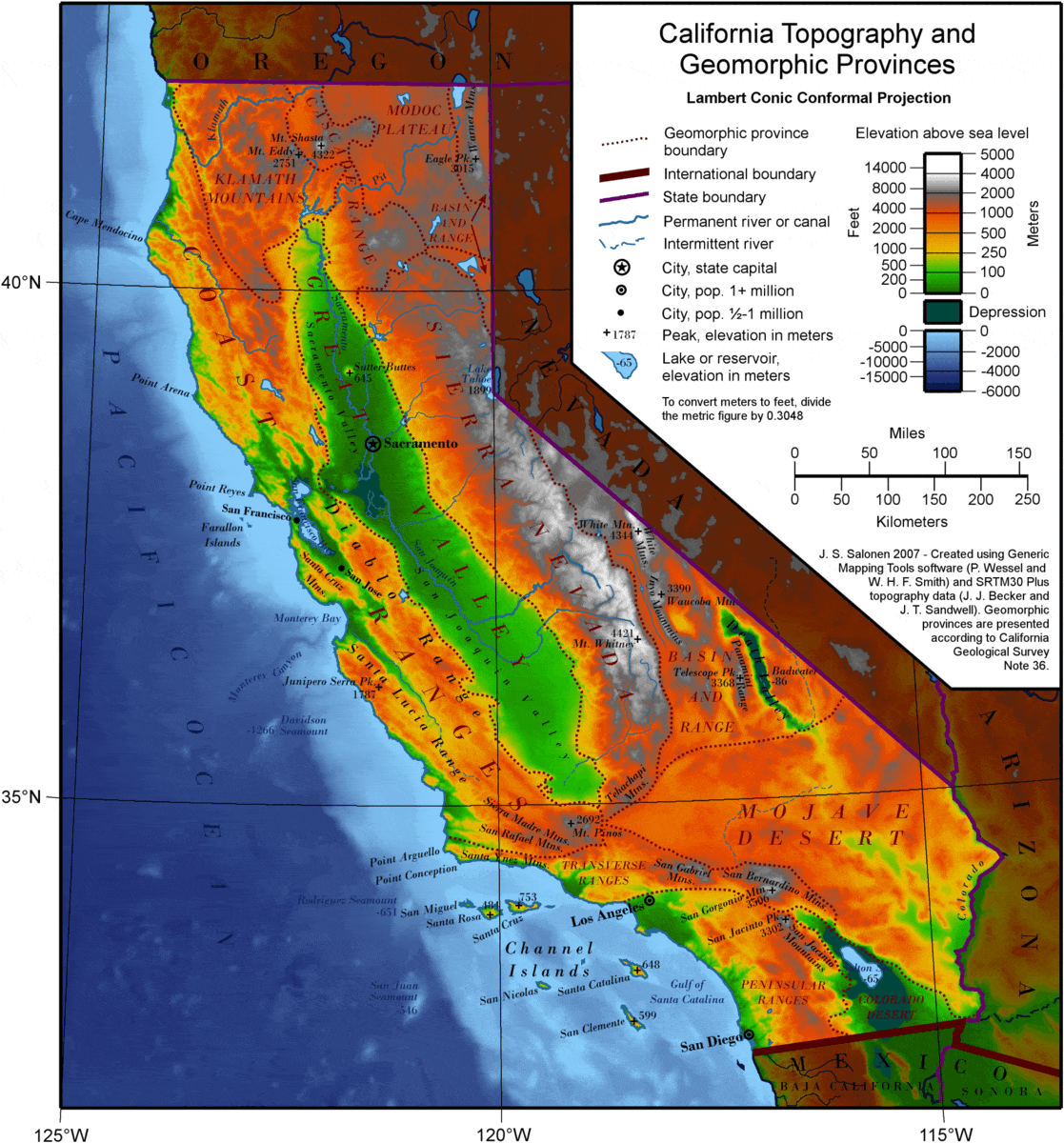
The Sierra Nevada is undeniably the most iconic and dominant mountain range in California, often referred to as the “spine” of the state. This colossal range stretches for over 400 miles along the eastern edge of California, forming a natural border with Nevada. Its name, meaning “snow-covered mountains” in Spanish, aptly describes its perpetually snow-capped summits, particularly during the winter months. The Sierra Nevada is a geological marvel, characterized by its dramatic granite peaks, vast alpine meadows, pristine lakes, and deep canyons. It is home to the highest point in the contiguous United States, Mount Whitney, a formidable challenge and a celebrated destination for mountaineers.
Yosemite’s Granite Giants and Alpine Lakes
Within the Sierra Nevada lie some of California’s most celebrated natural landmarks, most notably Yosemite National Park. This UNESCO World Heritage Site is a sanctuary of granite cliffs, giant sequoia groves, and cascading waterfalls, drawing millions of visitors each year. Landmarks like El Capitan, a sheer granite monolith, and Half Dome, with its distinctive shape, are world-famous climbing destinations and iconic sights. The park also offers a network of stunning alpine lakes, such as Tenaya Lake and Tenaya Creek, that reflect the surrounding peaks and provide serene settings for exploration.
Beyond Yosemite, the Sierra Nevada is dotted with other significant natural attractions. Sequoia National Park and Kings Canyon National Park are home to the largest trees on Earth, the giant sequoias, a truly humbling spectacle. The Lake Tahoe basin, straddling the California-Nevada border, is the largest alpine lake in North America and a premier destination for year-round recreation. From skiing at world-class resorts like Palisades Tahoe to boating and swimming in the summer, Lake Tahoe offers a diverse range of experiences. The Eastern Sierra, a rugged and less-traveled side of the range, boasts otherworldly landscapes like Mono Lake and the dramatic rock formations of Bodie State Historic Park, a remarkably preserved ghost town.
For travelers seeking accommodation, the Sierra Nevada offers everything from rustic campgrounds and cozy cabins to luxurious resorts and boutique hotels. Towns like Mammoth Lakes, South Lake Tahoe, and Oakhurst serve as gateways to these mountain wonders, providing a range of lodging options to suit every budget and travel style. Whether you’re looking for a charming bed and breakfast near Yosemite Valley or a full-service resort with spa amenities near Lake Tahoe, the Sierra Nevada caters to a wide spectrum of preferences. The experiences here span from challenging multi-day treks to gentle nature walks, from exhilarating downhill skiing to peaceful fly-fishing in crystal-clear streams.
The Cascades and the Modoc Plateau: Northern California’s Volcanic Tapestry
Moving north, California’s mountainous landscape takes on a different character, shaped by volcanic activity. The Cascade Range, a northern extension of the Sierra Nevada, is characterized by its chain of dormant and active volcanoes. The most prominent peak in this range within California is Mount Shasta, a majestic stratovolcano that dominates the northern skyline. Its snow-covered summit is a sacred site for many and a beacon for those seeking spiritual experiences and breathtaking vistas. The sheer scale and imposing presence of Mount Shasta make it a focal point for outdoor enthusiasts and those interested in natural spirituality.
Lassen Volcanic National Park: A Geothermal Wonderland
Further south within the Cascades lies Lassen Volcanic National Park. This park is a unique geological laboratory, showcasing the raw power of volcanic forces. It features a fascinating array of hydrothermal features, including bubbling mud pots, steaming fumaroles, and colorful hot springs. The park offers a glimpse into a dynamic landscape that is still very much alive. Hiking trails wind through volcanic terrain, leading to scenic viewpoints and the opportunity to witness firsthand the Earth’s geothermal energy. Lassen Peak, the world’s largest plug dome volcano, is a prominent feature within the park, offering challenging climbs and rewarding panoramas.
The Modoc Plateau, an expansive volcanic plateau in northeastern California, also contributes to the state’s mountainous and rugged terrain. This region is characterized by lava flows, cinder cones, and scattered mountain ranges, offering a starkly beautiful and remote wilderness experience. Medicine Lake Volcano, a massive shield volcano, and the surrounding Modoc National Forest provide opportunities for hiking, camping, and wildlife viewing in a less-touristed setting.
Travel to these northern volcanic regions often involves a more adventurous spirit. Accommodation options tend to be more rustic, with charming lodges, independent inns, and campgrounds being prevalent. Towns like Mount Shasta City and Susanville offer basic amenities and serve as launching points for exploration. The lifestyle here leans towards a more immersive connection with nature, offering budget-friendly travel opportunities for those who appreciate solitude and raw, untamed beauty. Activities often center around hiking, exploring volcanic landscapes, and appreciating the unique geology and ecosystems of the region.
The Transverse Ranges: Southern California’s Coastal Mountains
Southern California, famously associated with beaches and deserts, also harbors significant mountain ranges that play a crucial role in its climate and provide essential recreational opportunities. The Transverse Ranges are unique in their east-west orientation, a stark contrast to most mountain ranges in North America. These ranges act as a significant climatic barrier, influencing weather patterns and contributing to the diverse ecosystems found in the southern part of the state.
The San Gabriels and San Bernardinos: Urban Oases
The San Gabriel Mountains and San Bernardino Mountains are the most prominent of the Transverse Ranges and are vital green spaces for the densely populated Los Angeles metropolitan area. These ranges offer a welcome escape from the urban sprawl, providing hiking trails, scenic drives, and cooler temperatures. Mount Baldy, the highest peak in the San Gabriel Mountains, is a popular destination for hikers and skiers. The San Bernardino Mountains, home to Big Bear Lake and Arrowhead Lake, are a popular weekend getaway for Southern Californians, offering opportunities for boating, fishing, and winter sports. The scenic Rim of the World Scenic Byway offers breathtaking views as it winds through these mountains.

The Santa Monica Mountains: Coastal Beauty
The Santa Monica Mountains form a dramatic coastal mountain range stretching from the Santa Monica area westward to the Oxnard plain. This range, much of which is protected within Santa Monica Mountains National Recreation Area, offers a unique blend of coastal and mountain scenery. Hiking trails provide stunning ocean views, and the range supports a diverse array of plant and animal life, including significant populations of urban wildlife. The proximity to Los Angeles makes these mountains an accessible natural retreat for millions.
Accommodation in the Transverse Ranges varies significantly. Near popular destinations like Big Bear Lake, you’ll find a wide array of resorts, cabins, and vacation rentals. For those exploring the San Gabriel Mountains, access is often from gateway cities like Pasadena or Glendale, with options for day trips or stays in nearby hotels. The Santa Monica Mountains are easily accessible from the coastal cities, offering a blend of luxury hotels and charming inns with stunning ocean or mountain vistas. Lifestyle travel here can range from luxury stays in exclusive mountain resorts to budget-friendly camping trips within the national recreation area. The activities are diverse, from strenuous hikes up demanding peaks to leisurely drives with panoramic overlooks and enjoying the vibrant local culture of the mountain towns.
California’s mountains are more than just geographical features; they are integral to the state’s identity, offering a wealth of experiences for every kind of traveler. From the granite grandeur of the Sierra Nevada to the volcanic mystique of the Cascades and the coastal charm of the Transverse Ranges, these majestic landscapes promise adventure, tranquility, and unforgettable memories. Whether you’re planning a luxury escape, a budget-friendly adventure, or a family-friendly getaway, California’s mountains are waiting to be explored.
LifeOutOfTheBox is a participant in the Amazon Services LLC Associates Program, an affiliate advertising program designed to provide a means for sites to earn advertising fees by advertising and linking to Amazon.com. Amazon, the Amazon logo, AmazonSupply, and the AmazonSupply logo are trademarks of Amazon.com, Inc. or its affiliates. As an Amazon Associate we earn affiliate commissions from qualifying purchases.