
The allure of the Golden State extends far beyond its sun-drenched beaches and iconic landmarks. For intrepid travelers and nature enthusiasts, California offers a vibrant tapestry of wildlife, and among its most fascinating inhabitants is the California king snake. Often seen slithering through diverse landscapes, from arid deserts to lush woodlands, this strikingly patterned reptile naturally sparks curiosity. One question that frequently arises, especially for those who might encounter one on a hike through places like Joshua Tree National Park or near a cozy villa in the Santa Monica Mountains, is: are California king snakes poisonous?

The answer, in short, is a resounding no. California king snakes are not venomous. This means they do not possess specialized glands that produce venom, nor do they have fangs or a mechanism to inject it into prey or perceived threats. Instead, they are constrictors, a method of subduing prey that relies on sheer strength and a lack of venom. Understanding this crucial distinction is vital for appreciating these remarkable creatures and ensuring safe, respectful interactions should you be fortunate enough to observe one in its natural habitat.
The Striking Appearance and Non-Venomous Nature of the California King Snake
Misconceptions and Identification
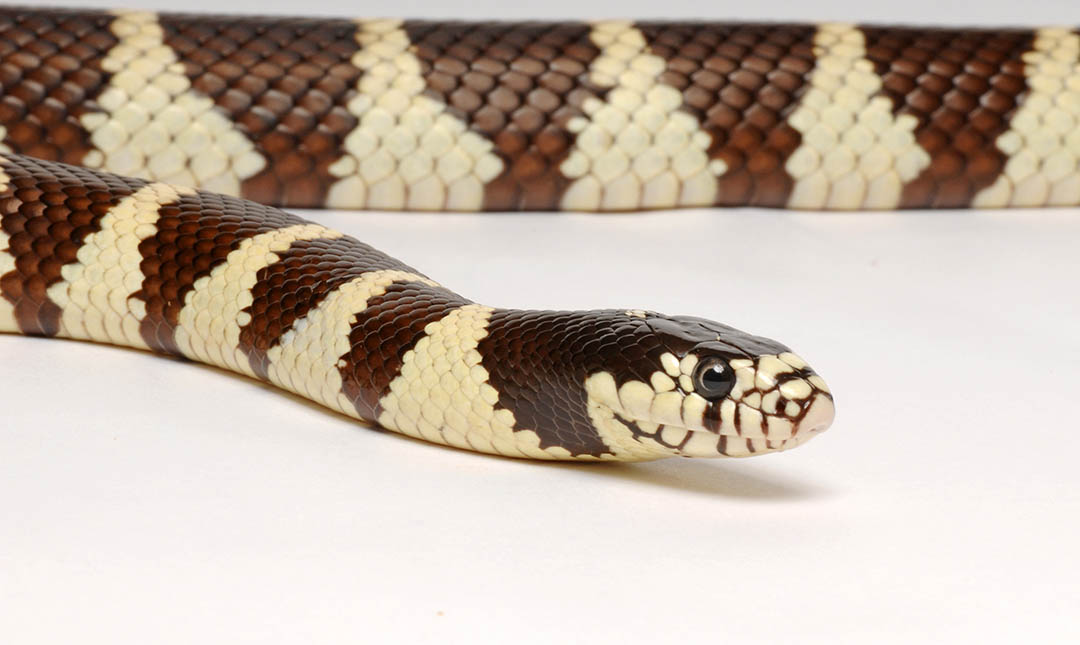
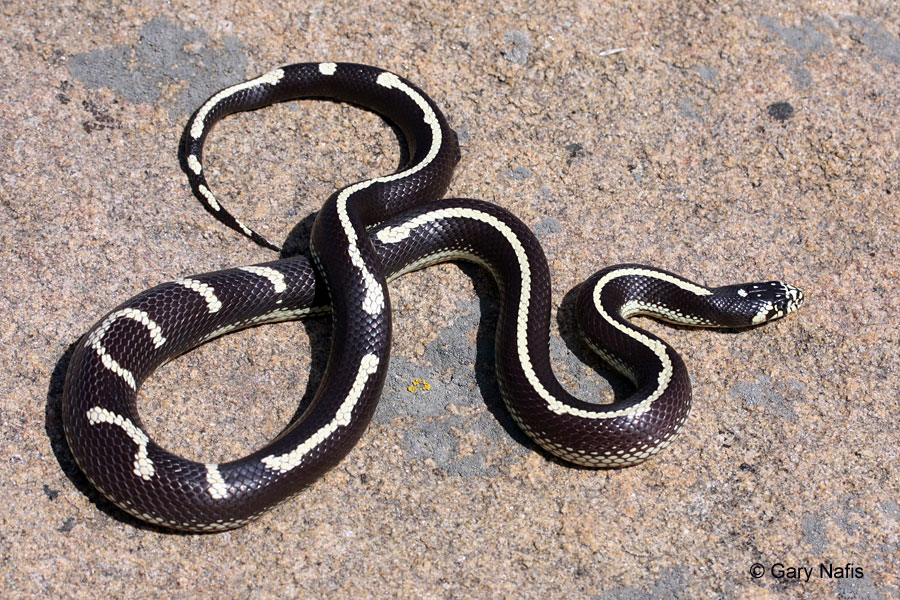
The striking patterns of the California king snake, which can vary significantly across its range, sometimes lead to misidentification. Their bands of black, white, yellow, or cream, often contrasted against a dark background, are visually arresting. This distinct coloration can, for some, trigger an instinctive apprehension, a common reaction to animals with bold markings that might be associated with danger in other species. However, in the case of the California king snake, these patterns are primarily for camouflage and species recognition, not a warning of toxicity.
Unlike venomous snakes such as rattlesnakes or coral snakes, which are also found in California and possess specific physical characteristics like a triangular head, heat-sensing pits, or brightly colored bands in a particular order (red touching yellow, kill a fellow), the king snake lacks these dangerous attributes. Their heads are typically more rounded, and while they may exhibit defensive behaviors when threatened, these actions do not involve venom.
Diet and Hunting Strategy
The diet of a California king snake is diverse, and it’s here that their non-venomous nature is most evident in their hunting strategy. They are opportunistic predators, feeding on a wide array of prey, including rodents, birds, lizards, and even other snakes. Yes, they are famously known as “king” snakes because they are one of the few snakes immune to the venom of their pit viper prey, such as the Western rattlesnake. They will not only hunt but also consume venomous snakes, making them a crucial part of the ecosystem’s balance.
When a California king snake captures prey, it does so by quickly striking and then coiling its body tightly around the unfortunate victim. This constriction cuts off blood flow and suffocates the prey, a process that, while formidable, is entirely mechanical and requires no venom. This method of hunting is common among many non-venomous snake species and is a testament to their evolutionary adaptations for survival without toxic weapons.
Exploring the Habitat and Behavior of California King Snakes
Diverse Ecosystems Across the Golden State
California is a land of varied landscapes, and the California king snake thrives in many of its distinct ecosystems. From the sandy deserts of the Mojave Desert to the chaparral-covered hillsides of Southern California, and even into oak woodlands and riparian areas, these adaptable snakes can be found. Their presence adds to the rich biodiversity that makes California such a compelling destination for nature lovers and photographers.
When planning a trip to explore these natural wonders, whether you’re staying at a luxurious resort in Palm Springs or opting for a budget-friendly camping trip near the Sierra Nevada, keeping an eye out for wildlife can be a rewarding part of the experience. However, it’s crucial to maintain a respectful distance. While not venomous, any wild animal can be unpredictable when approached too closely.
Behavior and Defensive Mechanisms
California king snakes are primarily crepuscular, meaning they are most active during dawn and dusk. This behavior helps them avoid the extreme temperatures of midday and the cold of the night. They are often found seeking shelter under rocks, logs, or within rodent burrows, which also serve as hunting grounds.
When threatened, a California king snake will typically try to escape. If cornered, however, it may exhibit defensive behaviors. These can include:
- Hissing: A clear audible warning to back off.
- Tail Vibrating: Mimicking the sound of a rattlesnake, a clever deception to deter predators.
- Musking: Releasing a foul-smelling liquid from their cloaca as a deterrent.
- Playing Dead: Some individuals may go limp and even emit a deathly odor, feigning death to avoid further aggression.
None of these behaviors involve venom. They are all natural defenses designed to protect the snake from potential harm. It’s important to remember that snakes, including the king snake, generally want to avoid confrontation with humans. Their primary goal is to survive and find food, and a direct encounter with a much larger creature like a human is usually seen as a threat to be avoided or a situation to be escaped.
Dispelling Myths and Fostering Appreciation for a Non-Venomous Constrictor
The Importance of Education for Travelers and Locals
The question of whether California king snakes are poisonous is a common one, and dispelling this myth is essential for fostering a greater appreciation for these beneficial reptiles. Their role in controlling rodent populations, for instance, is invaluable. By preying on pests that can damage crops and spread disease, king snakes contribute significantly to the health of the agricultural and natural environments of California.
For those visiting California, whether for a relaxing beach vacation in San Diego or an adventurous road trip along the Pacific Coast Highway, learning about the local fauna enhances the travel experience. Understanding that snakes like the California king snake are not a threat, but rather an integral part of the ecosystem, can change perceptions from fear to fascination. This knowledge empowers individuals to observe wildlife responsibly, ensuring both their safety and the well-being of the animals.
Responsible Wildlife Encounters
When exploring the diverse landscapes of California, from the redwood forests of Northern California to the deserts of the south, it’s always a good practice to be aware of your surroundings. If you happen to spot a California king snake, or any other wildlife, remember these tips for a responsible encounter:
- Observe from a Distance: Never attempt to touch, capture, or corner a snake. A safe distance allows you to appreciate its beauty without causing it stress or putting yourself at risk of a defensive bite.
- Do Not Disturb: Avoid throwing rocks or water at the snake. Let it go about its business.
- Educate Others: If you’re traveling with family or friends, share the knowledge that California king snakes are not poisonous and are beneficial to the environment.
- Know Local Regulations: Be aware of any park rules or guidelines regarding wildlife interaction at your destination, whether it’s a state park or a national landmark like Yosemite National Park.
By approaching these encounters with respect and informed curiosity, you can contribute to the conservation of these fascinating creatures and enrich your own travel experiences in the diverse and wonderful state of California. The California king snake, with its striking looks and non-venomous nature, is a true gem of the Golden State’s wildlife, deserving of our admiration, not our apprehension.
LifeOutOfTheBox is a participant in the Amazon Services LLC Associates Program, an affiliate advertising program designed to provide a means for sites to earn advertising fees by advertising and linking to Amazon.com. Amazon, the Amazon logo, AmazonSupply, and the AmazonSupply logo are trademarks of Amazon.com, Inc. or its affiliates. As an Amazon Associate we earn affiliate commissions from qualifying purchases.