
California, a state renowned for its stunning natural beauty, vibrant cities, and diverse lifestyles, also boasts a comprehensive set of regulations designed to protect both its residents and its unique ecosystems. This extends to the animals that are permitted within its borders. For many, pets are cherished members of the family, and understanding what is and isn’t allowed is crucial, especially for travelers, those planning a move, or even considering a new companion. This guide delves into the specifics of pet ownership and importation in California, helping you navigate the often complex landscape of animal regulations.

Understanding California’s Approach to Exotic and Potentially Dangerous Animals
California’s Department of Fish and Wildlife (CDFW) plays a significant role in regulating the ownership of certain animal species. Their primary concern is public safety, the prevention of disease transmission, and the protection of native wildlife from invasive species or ecological disruption. This means that while common pets like dogs, cats, and hamsters are generally permitted, the list of animals that require special permits or are outright banned is extensive and often surprising.
Reptiles: Beyond the Bearded Dragon
When people think of exotic pets, reptiles often come to mind. While many small, non-venomous snakes and lizards are legal, California has a strict stance on others. The rationale behind these bans often centers on the potential for these animals to escape, survive in the wild, and become invasive species, posing a threat to native flora and fauna.
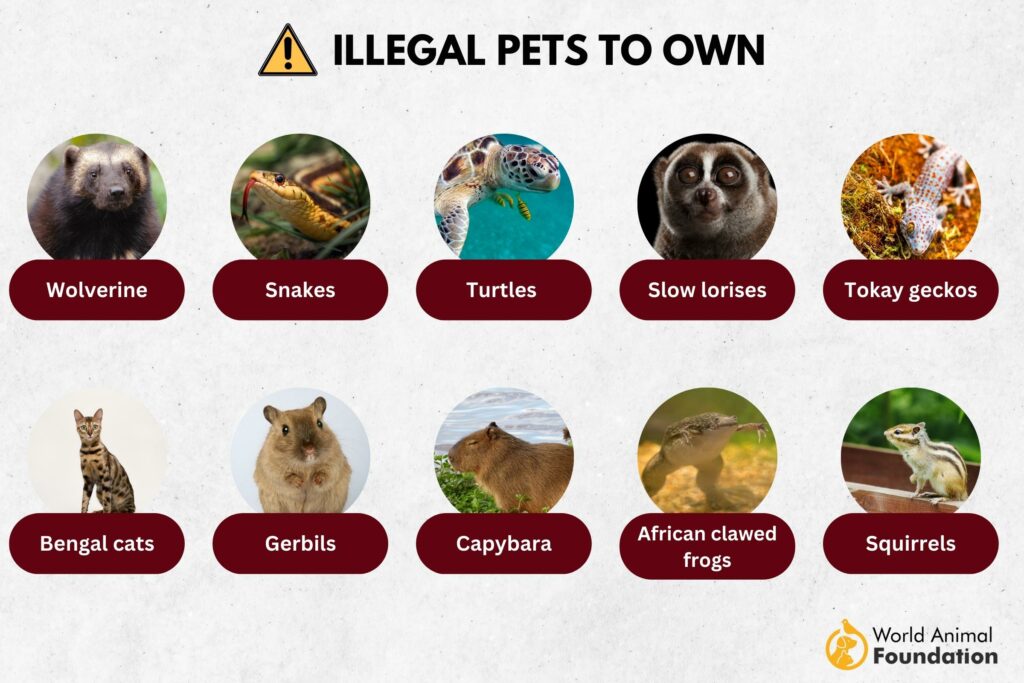
- Venomous Reptiles: It’s no surprise that venomous snakes, such as rattlesnakes or venomous constrictors like certain species of pythons, are prohibited for private ownership. The risk of serious injury or fatality to humans and other animals is paramount. This includes any snake with a venomous bite, regardless of its size.
- Large Constrictors: Giant snakes like the Burmese python, Reticulated python, and Green anaconda are also banned. These animals can grow to enormous sizes, posing a significant threat if they escape. Concerns include their predatory capabilities, which could decimate local wildlife populations, and the potential danger to children and small pets. The Burmese python, in particular, has been a major ecological concern in other parts of the United States, and California is proactive in preventing its establishment.
- Other Prohibited Reptiles: Beyond the obvious threats, California also restricts a variety of other reptiles. This can include species that are highly endangered in their native habitats, those that can carry diseases transmissible to humans or native animals, or those that have a proven track record of becoming invasive. For example, species like the Monocled cobra or certain species of monitor lizards might be restricted due to their venom, predatory nature, or potential to disrupt ecosystems. The Tegu lizard, due to its omnivorous diet and ability to survive in varied climates, is also on California’s list of restricted animals, especially the black-and-white variety.
It’s important to note that the CDFW maintains a detailed list of restricted species, and ignorance of the law is not a valid defense. Anyone considering a reptile as a pet should meticulously research its legal status in California before making a purchase. This is particularly relevant for individuals planning travel to California who may be bringing their pets with them, or those considering adopting a rescue animal from out of state.
Mammals: From Monkeys to Marsupials
The restrictions on mammals are even more diverse, driven by concerns about disease, public safety, and the potential for ecological damage.
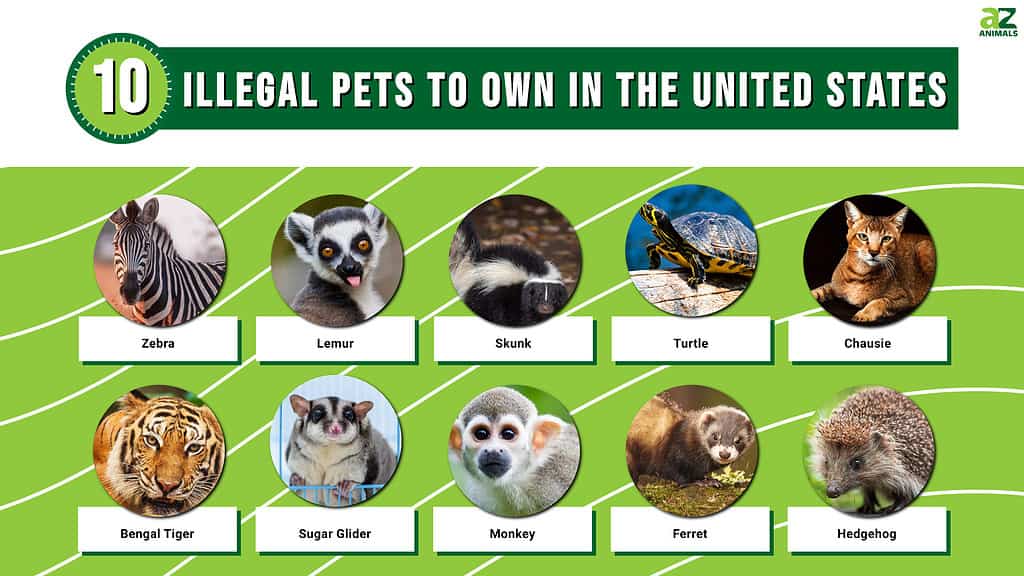
- Primates: All primates, including monkeys, apes, and lemurs, are illegal to own as pets in California. This ban is multifaceted. Primates can carry diseases transmissible to humans, such as herpes B, and they can be aggressive and unpredictable, posing a significant danger. Furthermore, their complex social and dietary needs make them extremely difficult to care for in a domestic setting.
- Marsupials: While many people might be charmed by the idea of a wallaby or a kangaroo, most marsupials are also prohibited. This includes animals like sugar gliders, which have gained some popularity as exotic pets but are illegal in California due to their potential to become invasive and their complex care requirements. The concern is that if they escape, they could compete with native species for food and habitat.
- Carnivores and Wild Canids: Beyond domestic dogs, many other carnivorous mammals and wild canids are restricted. This includes animals like foxes, wolves, and coyotes, whether purebred or hybrids. These animals retain their wild instincts, can be dangerous, and may carry diseases. Even some species commonly kept in other states, like certain breeds of ferrets (though permitted in some areas with restrictions, they are generally not widely accepted as pets in California), can face limitations. The importation and ownership of these animals are strictly regulated, often requiring special permits for research or zoological purposes, not for private pet ownership.
- Rodents and Lagomorphs: While common rodents like hamsters and guinea pigs are generally allowed, some larger or more exotic rodents and lagomorphs are not. This can include animals like nutria or certain species of prairie dogs. The rationale often relates to their potential to carry diseases or their reproductive rates, which could lead to rapid population growth if they were to escape and become established in the wild.
- Edentates: Animals such as sloths and anteaters, while fascinating, are also generally illegal to own in California. Their specialized diets and care needs make them unsuitable for most private homes, and their potential impact on the environment if they were to escape is also a concern.
Birds: Colorful but Controlled
While songbirds, parakeets, and parrots are common and legal pets, California has restrictions on certain avian species.
- Birds of Prey: Hawks, owls, eagles, and other birds of prey are strictly regulated. Their ownership is generally limited to licensed rehabilitators and falconers who meet stringent requirements. This is due to their predatory nature, specialized needs, and the potential for them to carry diseases.
- Certain Exotic Birds: Some exotic bird species may be restricted due to concerns about their potential to become invasive, their vocalizations (which can be disruptive), or their ability to carry diseases. For example, certain species of frugivorous birds that could outcompete native birds for food resources might be on the restricted list. The Monk parakeet, known for its ability to establish feral colonies in warmer climates, is a species that California actively works to prevent from becoming established.
Invertebrates: Small Creatures, Big Regulations
Even seemingly harmless invertebrates can be subject to regulations.
- Certain Insects and Arachnids: While many common spiders and insects are legal, California restricts the importation and ownership of certain species. This can include specific types of scorpions, tarantulas, or beetles. The reasons often involve their potential to be venomous, to carry diseases, or to become invasive and disrupt local ecosystems. For instance, a species of tarantula that is known to be aggressive or whose venom is particularly potent might be banned.
Navigating Pet Importation and Travel with Pets in California
For those planning a trip to California, whether for leisure or business, understanding the state’s pet regulations is essential. If you’re staying at a pet-friendly hotel in San Francisco or a resort in Palm Springs, you’ll need to ensure your animal companion is legally permitted.
Traveling with Dogs and Cats
Dogs and cats are generally welcome in California, but there are important considerations:
- Rabies Vaccination: All dogs and cats over the age of four months must have a current rabies vaccination. Proof of vaccination is often required by hotels, rental properties, and even some public spaces.
- Breed-Specific Legislation: While California as a state does not have statewide breed-specific legislation (BSL) for dogs, some individual cities and counties may have their own ordinances restricting certain breeds deemed “vicious” or “dangerous.” It’s crucial to research the specific regulations of the city or county you plan to visit or reside in. For example, a city might have restrictions on Pit Bulls, Rottweilers, or Doberman Pinschers.
- Service Animals vs. Emotional Support Animals: California, like the rest of the United States, adheres to the Americans with Disabilities Act (ADA) which protects the rights of individuals with disabilities to bring their service animals into public places. However, the definition of a service animal is specific (dogs and miniature horses trained to perform tasks for a person with a disability). Emotional Support Animals (ESAs) do not have the same legal protections in public spaces and are often subject to the same pet policies as other animals. This distinction is vital when planning stays in hotels or visiting attractions.
Traveling with Other Pets
For pets other than dogs and cats, the regulations become much more complex.
- Permits and Health Certificates: Many animals, even if legal to own, will require a valid health certificate from a veterinarian and potentially import permits from the California Department of Public Health or the CDFW. This is especially true for birds, reptiles, and exotic mammals.
- Checking Regulations Before Travel: If you are considering bringing any animal other than a standard dog or cat into California, it is imperative to contact the relevant California state agencies well in advance of your travel. The CDFW website and the California Department of Public Health are crucial resources. Failing to comply can result in the animal being denied entry, quarantined, or even euthanized.
Frequently Asked Questions and Final Considerations
The world of exotic pet ownership is constantly evolving, and regulations can change. It’s always best to consult official sources for the most up-to-date information.
What if I Already Own a Restricted Animal?
If you currently own an animal that is now illegal in California, there are specific procedures you may need to follow, often involving obtaining permits to keep the animal, or in some cases, surrendering it to a licensed facility. It’s important to proactively address this situation rather than waiting for an inspection or complaint.
Where Can I Find Official Information?
The most reliable sources for information on illegal pets in California are:
- California Department of Fish and Wildlife (CDFW): This agency regulates the importation, transportation, and possession of wildlife, including many exotic animals. Their website provides detailed lists of restricted species and information on permits.
- California Department of Public Health (CDPH): This department oversees animal health and disease control, which may impact regulations on certain pets.
The Lifestyle of Pet Ownership in California
California’s diverse geography and lifestyle cater to many pet owners. From hiking with your dog in the Sierra Nevada mountains to enjoying a beach day at Santa Monica Beach (where pet policies vary by location), the opportunities are vast. However, this freedom comes with responsibility. Understanding and adhering to pet laws is a fundamental part of being a responsible pet owner or visitor in the Golden State. Whether you are planning a luxury getaway to a resort in Napa Valley or a budget-friendly camping trip, always prioritize researching pet regulations to ensure a smooth and enjoyable experience for both you and your animal companions. The allure of owning unique pets is understandable, but prioritizing safety, ecological well-being, and legal compliance is paramount in a state as dynamic and environmentally conscious as California.
LifeOutOfTheBox is a participant in the Amazon Services LLC Associates Program, an affiliate advertising program designed to provide a means for sites to earn advertising fees by advertising and linking to Amazon.com. Amazon, the Amazon logo, AmazonSupply, and the AmazonSupply logo are trademarks of Amazon.com, Inc. or its affiliates. As an Amazon Associate we earn affiliate commissions from qualifying purchases.