
Idaho, often lovingly referred to as the “Gem State,” is a treasure trove of diverse landscapes, rich history, and vibrant communities. From its rugged northern Panhandle to the fertile plains of its south, Idaho offers an unparalleled variety of experiences for every type of traveler. But how is this vast and varied state organized, and how does this structure influence your travel plans? The answer lies in its administrative divisions: Idaho is divided into 44 counties.
Understanding Idaho’s county system is more than just a geographical exercise; it’s a key to unlocking the state’s distinct regional flavors, attractions, and accommodation options. Each of these 44 counties boasts its own unique character, drawing visitors with everything from pristine wilderness and exhilarating outdoor adventures to bustling city life, cultural landmarks, and cozy, welcoming accommodations. For anyone planning a trip – be it a luxurious getaway, a budget-friendly family vacation, or an immersive cultural tour – knowing the county landscape can significantly enhance the experience, guiding decisions on destinations, hotels, and local activities.
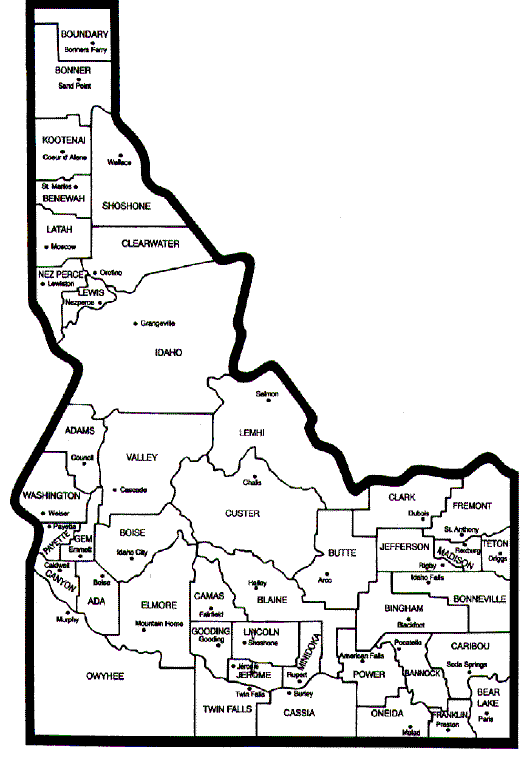
This comprehensive guide will not only answer the fundamental question of “How many counties in Idaho?” but will also delve into what makes each region special, offering insights into travel opportunities, prominent landmarks, and the best places to stay within these distinct administrative boundaries.
The Gem State’s Geographical Tapestry: A County-by-County Overview
Idaho’s 44 counties are spread across a state renowned for its dramatic geographical diversity. This division allows for localized governance, but more importantly for the traveler, it creates distinct regions, each with its own climate, topography, culture, and tourism focus. From the heavily forested, lake-dotted areas of the north to the arid, canyon-carved terrain of the south, each county contributes a unique thread to the rich tapestry of the Gem State. This section will explore how Idaho’s counties are broadly grouped and what defining features they offer.
North Idaho: Lakes, Forests, and Mountain Escapes
The northernmost region of Idaho, often called the Panhandle, is characterized by its stunning natural beauty, abundant lakes, and dense forests. This area is a haven for outdoor enthusiasts, offering a blend of serene relaxation and thrilling adventure.
- Kootenai County is arguably the most recognized county in this region, home to the vibrant city of Coeur d’Alene. Lake Coeur d’Alene is a primary draw, offering boating, fishing, and swimming, surrounded by picturesque mountains. For those seeking luxurious accommodations, the Coeur d’Alene Resort is a world-class landmark, famous for its floating green golf course and indulgent amenities, making it a prime destination for luxury travel. The city itself is a hub for tourism, with boutique shops, fine dining, and cultural activities.
- Moving north, Bonner County offers an equally captivating experience centered around Lake Pend Oreille, Idaho’s largest and deepest lake. The charming town of Sandpoint serves as a gateway to Schweitzer Mountain Resort, a premier ski destination in winter and a mountain biking and hiking paradise in summer. Accommodation here ranges from cozy cabins and vacation rentals perfect for family trips to well-appointed hotels offering breathtaking lake views. The natural beauty and the array of activities make it a perfect spot for those seeking adventure travel or a peaceful retreat.
These northern counties are perfect examples of how regional geology directly translates into specific tourism opportunities. The abundance of water and mountains dictates a lifestyle centered around water sports, skiing, and hiking, with accommodation options tailored to these outdoor pursuits.
Southwest Idaho: The Heart of the Gem State
Venturing south, Idaho’s southwestern region encompasses the bustling Treasure Valley and surrounding areas, characterized by a drier climate, rolling hills, and the presence of the state capital. This area serves as Idaho’s economic and cultural hub, offering a contrast to the rugged north.
- Ada County is home to Boise, the capital city and largest metropolitan area in Idaho. Boise is a vibrant urban center that skillfully blends outdoor recreation with a thriving arts and culinary scene. Landmarks like the historic State Capitol Building and the beautiful Boise River Greenbelt provide a mix of history and nature. For accommodation, Boise offers everything from upscale hotels and boutique stays to budget-friendly options, catering to business travelers, families, and solo adventurers. The city’s lively downtown, numerous breweries, and diverse food scene embody a modern lifestyle, while its proximity to natural attractions like Bogus Basin Mountain Recreation Area ensures outdoor adventures are always within reach.
- Adjacent to Ada County is Canyon County, which forms a significant part of the Treasure Valley. Known for its agricultural roots, especially its burgeoning wine region, Canyon County offers a different kind of tourism experience. Visitors can explore local wineries, sample regional produce, and experience rural Idaho life. The towns of Nampa and Caldwell provide local charm and a variety of accommodation choices, often at more accessible price points than the capital, making it ideal for budget travel or a more relaxed, authentic local culture experience.
Southwest Idaho demonstrates how counties support a diverse range of tourism, from urban exploration and sophisticated dining to agricultural tours and historical insights, reflecting Idaho’s broader economic and cultural landscape.
Central Idaho: Wilderness Adventures and Pristine Beauty
The central region of Idaho is a mosaic of towering mountain ranges, dense national forests, and pristine wilderness areas. This is where the term “Gem State” truly shines, offering some of the most untouched and breathtaking natural beauty in the United States.
- Blaine County is perhaps the most famous county in central Idaho, primarily due to Sun Valley and Ketchum. Sun Valley Resort is a legendary destination, known for its world-class skiing, ice skating, and a vibrant arts scene. It’s a prime example of luxury travel, offering opulent hotels, high-end dining, and exclusive experiences. Beyond the resort, the area provides ample opportunities for hiking, mountain biking, and fly fishing in warmer months, catering to an active lifestyle.
- Further into the heart of Idaho lies Custer County, home to a significant portion of the Sawtooth National Recreation Area. This vast wilderness is characterized by its jagged, majestic peaks, alpine lakes, and extensive trail systems. It’s a dream destination for backpackers, campers, and those seeking an authentic wilderness experience. Accommodation here leans towards rustic cabins, campgrounds, and smaller lodges, emphasizing immersion in nature. The lack of major urban centers makes it a perfect escape for travelers prioritizing tranquility and raw natural beauty, aligning perfectly with adventure tourism and a back-to-nature lifestyle.
- Valley County, another key central Idaho county, hosts the popular resort town of McCall on Payette Lake. This area is famed for its Winter Carnival, abundant snow sports, and summer water activities. Resorts like Tamarack Resort offer comprehensive amenities for family trips and longer stays, while various hotels and vacation rentals provide comfortable bases for exploring Ponderosa State Park and the nearby hot springs like Burgdorf Hot Springs.
The central counties of Idaho epitomize the state’s wild heart, offering unparalleled opportunities for outdoor adventure, from challenging treks to relaxing lakeside retreats, supported by a range of accommodation from luxury resorts to basic campgrounds.
Eastern and Southern Idaho: History, Agriculture, and Natural Wonders
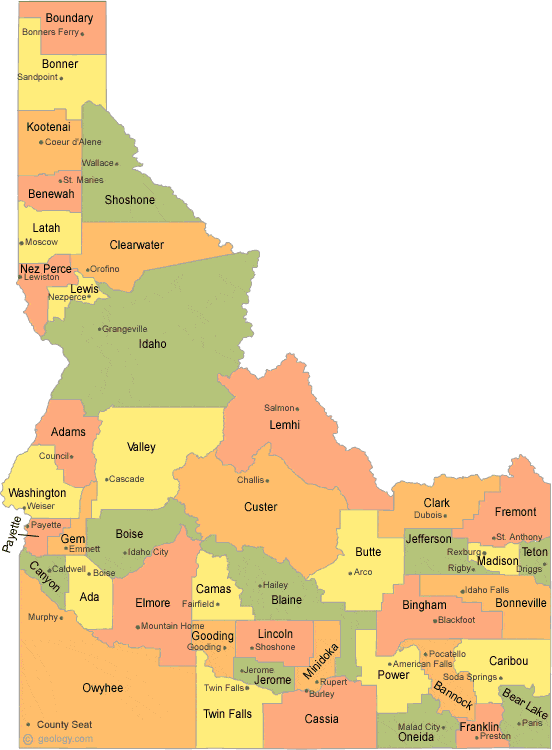
The eastern and southern counties of Idaho present a distinct blend of agricultural heritage, geological marvels, and proximity to some of the most iconic national parks in North America.
- Bonneville County, anchored by Idaho Falls, is a significant hub in eastern Idaho. Idaho Falls itself is known for the picturesque waterfall on the Snake River that gives the city its name. It serves as an excellent base for exploring the region and is often the first stop for travelers heading to Yellowstone National Park and Grand Teton National Park in neighboring Wyoming. The city offers a variety of hotels, from chain establishments ideal for family trips to local boutique options.
- Further south, Bannock County is home to Pocatello, a city rich in Oregon Trail history and a cultural center for the Shoshone-Bannock Tribes. The area offers historical landmarks and museums, providing insights into the state’s pioneer past and indigenous heritage. Accommodation ranges from budget-friendly motels to comfortable hotels, catering to those interested in history and local culture.
- In the south-central ” Magic Valley” region, Twin Falls County is a testament to Idaho’s diverse geography. The city of Twin Falls is famous for Shoshone Falls, often called the “Niagara of the West,” and the spectacular Perrine Bridge over the Snake River Canyon, a popular spot for base jumping. This county, along with neighboring Jerome County and Gooding County, forms part of the rich agricultural heartland, producing much of Idaho’s famous potatoes. Here, you’ll find unique natural attractions like Thousand Springs State Park and the vibrant Hagerman Valley. Accommodation in Twin Falls includes a range of hotels and motels, suitable for those exploring the geological wonders or on a road trip across the state.
- Butte County is home to one of Idaho’s most otherworldly landscapes: Craters of the Moon National Monument and Preserve. This vast ocean of lava flows and cinder cones offers a truly unique landmark and experience, providing an educational and adventurous outing. Camping is popular within the monument, while nearby towns offer limited hotel options, emphasizing the wilderness experience.
These eastern and southern counties highlight Idaho’s historical trails, agricultural prowess, and its dramatic volcanic past, making them ideal for history buffs, geology enthusiasts, and those exploring iconic national parks.
Planning Your Idaho Adventure: Accommodation and Experiences Across 44 Counties
With 44 distinct counties, Idaho presents an incredible array of travel experiences and accommodation options. Choosing where to stay and what to do often depends on the specific county you select, as each offers a unique flavor of the Gem State.
When considering accommodation, the diversity across counties is vast. In urban centers like Boise (Ada County) or Coeur d’Alene (Kootenai County), you’ll find a full spectrum of hotels, from international chains offering standard amenities to charming boutique hotels that reflect local culture. These cities are also excellent for long-term stays, with numerous apartment rentals and serviced suites available, ideal for business travelers or those seeking an extended cultural immersion. Online booking platforms are crucial here for comparison and securing the best deals.
For those drawn to adventure and nature, counties like Blaine County (Sun Valley) or Valley County (McCall) offer world-class resorts such as Sun Valley Resort and Tamarack Resort. These resorts often provide a comprehensive experience with on-site dining, spas, and direct access to skiing or hiking trails. Beyond resorts, cabins, lodges, and vacation rentals are plentiful, perfect for family trips or group getaways that emphasize outdoor activities. For budget travelers, numerous national and state parks across various counties, including Custer County ( Sawtooth National Recreation Area), offer well-maintained campgrounds.
The lifestyle you seek greatly influences your county choice. If luxury travel and gourmet dining are priorities, destinations within Kootenai County or Blaine County are excellent. For family trips focused on educational experiences and outdoor fun, the diverse offerings of Ada County or the natural wonders around Twin Falls County are ideal. Budget travel is entirely feasible throughout Idaho, particularly in smaller towns and by utilizing vacation rentals or camping.
Furthermore, tourism in each county is often tied to its specific landmarks and natural features. For instance, in Idaho County, you might find guides for rafting through Hells Canyon or exploring remote wilderness areas. In Latah County, part of the scenic Palouse region, agricultural tours and university town vibes dominate. Local culture and food also vary significantly; exploring farmers’ markets in Canyon County for local produce or sampling craft beers in Boise provides distinct regional flavors. Always check local tourism guides and reviews for the best tips and hidden gems in your chosen county.
Beyond the Borders: The Broader Impact of Idaho’s Counties on Travel
While the number 44 might seem arbitrary at first glance, the division of Idaho into its counties has profound implications for how travel and tourism are experienced and managed within the state. Each county acts as a localized steward of its natural resources, historical sites, and community character, directly influencing the quality and type of experiences available to visitors.
For example, the presence of county parks and recreational areas supplements state and national attractions, offering additional spaces for hiking, fishing, and picnicking, often with unique local charm. County-level historical societies and museums preserve local narratives, from the Lewis and Clark Trail routes in Clearwater County to the mining heritage of Shoshone County, providing invaluable context for understanding the Gem State’s past. This granular approach ensures that even the smaller, less-frequented areas contribute significantly to Idaho’s overall tourism appeal.
Moreover, the county structure plays a vital role in the hospitality sector. Local zoning regulations, economic development initiatives, and community support influence the establishment and growth of hotels, resorts, and various other accommodation types. A county’s infrastructure – from road maintenance to public safety – directly impacts a traveler’s comfort and accessibility to attractions. For instance, well-maintained county roads can lead adventurers to remote hot springs or pristine fishing spots, while accessible county visitor centers offer crucial information and support.
This localized focus also enables the promotion of unique cultural events and festivals, which are often organized and celebrated at the county level. From harvest festivals in agricultural counties to music events in mountain towns, these celebrations offer travelers authentic insights into Idaho’s community spirit and traditions, enriching their travel experiences beyond standard sightseeing. Tips on attending these events, finding local eateries, and participating in community activities are often best sourced directly from county tourism boards.
In essence, Idaho’s 44 counties are not just lines on a map; they are living, breathing entities that shape the landscape of travel, tourism, and lifestyle within the state. They ensure a diverse range of opportunities, from bustling urban hotels to serene wilderness campsites, from iconic landmarks to hidden local gems, making every visit to the Gem State a unique and memorable journey.
Conclusion
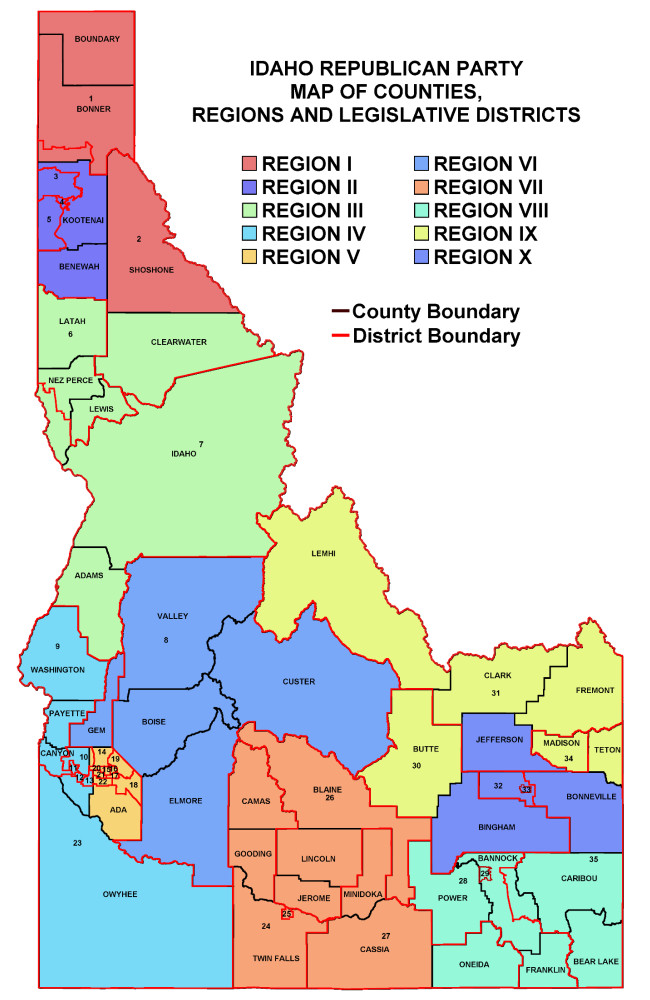
So, how many counties in Idaho? The answer is 44. Each of these counties is a distinct piece of the puzzle that makes up the incredible mosaic of the Gem State. From the aquatic playgrounds of Kootenai County in the north to the agricultural heartland of Canyon County and the volcanic moonscape of Butte County in the south, Idaho’s counties offer an unparalleled range of experiences.
Understanding this county structure allows travelers to better plan their adventures, whether they are seeking the luxury resorts of Sun Valley, the urban charm of Boise, or the rugged wilderness of the Sawtooths. It helps in navigating the diverse accommodation options, from opulent hotels to cozy cabins and budget-friendly campgrounds. Moreover, it highlights the rich tapestry of local culture, food, and activities that make each region unique.
Idaho is a state that rewards exploration, promising memorable experiences for every traveler, regardless of their preferred lifestyle or budget. By considering the unique character of its 44 counties, you can unlock a deeper, more authentic understanding of this magnificent state and tailor your journey to create the ultimate Idaho adventure. So pack your bags, choose your county, and get ready to discover the endless wonders of the Gem State.
LifeOutOfTheBox is a participant in the Amazon Services LLC Associates Program, an affiliate advertising program designed to provide a means for sites to earn advertising fees by advertising and linking to Amazon.com. Amazon, the Amazon logo, AmazonSupply, and the AmazonSupply logo are trademarks of Amazon.com, Inc. or its affiliates. As an Amazon Associate we earn affiliate commissions from qualifying purchases.