
The name “Texas Ranger” conjures images of rugged frontiersmen, unwavering justice, and the untamed spirit of the Old West. More than just a law enforcement officer, the Texas Ranger is an enduring icon, a symbol deeply woven into the fabric of Texas identity. For travelers seeking an authentic immersion into American history, culture, and adventure, understanding the legacy of these legendary figures is an essential part of exploring the Lone Star State. From the dusty trails of the 19th century to their modern role in high-stakes investigations, the story of the Texas Rangers offers a fascinating journey through the evolution of justice, a testament to resilience, and a compelling reason to discover the landmarks and destinations that preserve their incredible heritage.
This article delves into the origins, evolution, and modern responsibilities of the Texas Rangers, offering insights for those planning a trip to Texas and wishing to connect with this unique aspect of American lifestyle and tourism.
A Legacy Forged in the Wild West: The Origins of the Texas Rangers
The story of the Texas Rangers begins not with a formal police force, but with a desperate need for protection on a vast, dangerous frontier. In the early 1820s, when American settlers, led by figures like Stephen F. Austin, began colonizing Spanish, and later Mexican, Texas, they faced constant threats from Native American tribes, outlaws, and later, Mexican forces. With no regular army or centralized law enforcement, these early settlers formed volunteer militias to “range” the countryside, protecting settlements and property. This informal group of frontiersmen, skilled in horsemanship, tracking, and combat, became known as the Texas Rangers.
From Frontier Protectors to Law Enforcement
The formalization of the Texas Rangers began in 1835, just before the outbreak of the Texas Revolution. The provisional government of the fledgling Republic of Texas authorized the creation of three companies of rangers to protect the frontier. These men were rugged individualists, often operating with minimal supplies and relying on their wits and courage. Their role expanded significantly during the struggle for independence from Mexico, proving instrumental in various skirmishes and battles. After achieving independence, the Republic of Texas continued to utilize the Rangers as its primary defense force against Native American raids and border conflicts.
Over the subsequent decades, the Texas Rangers evolved through periods of both formal state sponsorship and temporary disbandment. They played a crucial role in the Mexican-American War (1846-1848), earning a fearsome reputation among Mexican forces. During the Civil War, many Rangers joined the Confederacy, while others served with the Union. Following Reconstruction, as Texas faced rampant lawlessness, the state reorganized the Rangers, solidifying their role as an elite law enforcement agency responsible for maintaining order across the vast state. They tackled everything from cattle rustling and banditry to murder and political corruption, often operating in remote areas where no other authority existed. This era cemented their legendary status, giving rise to countless tales of their bravery, tenacity, and unwavering commitment to justice.
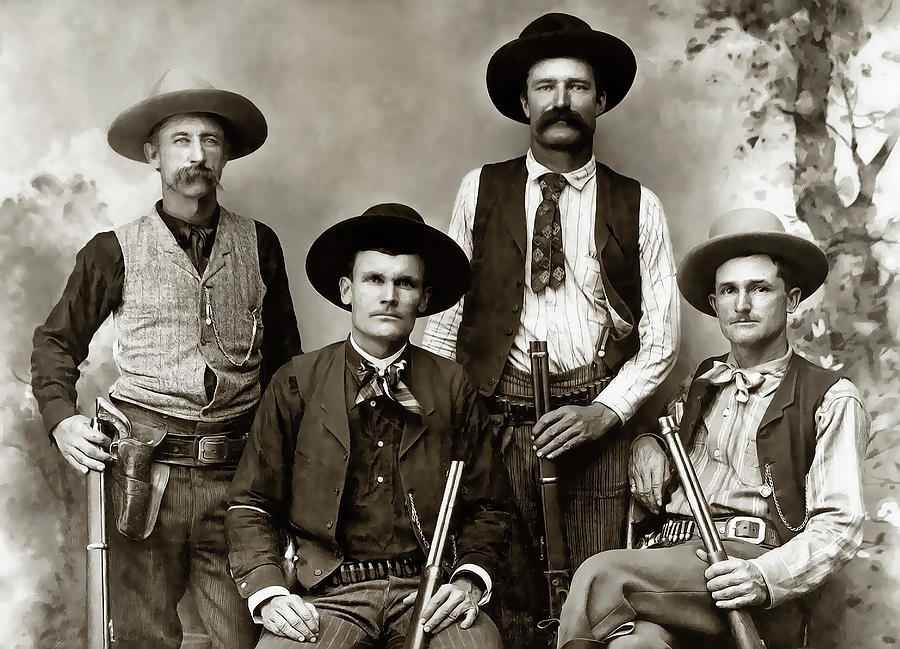
Iconic Figures and Enduring Legends
The history of the Texas Rangers is rich with legendary figures whose names have become synonymous with the spirit of Texas. Men like Jack Hays, Frank Hamer, and Bill McDonald epitomized the Ranger ideal: courageous, self-reliant, and relentless in their pursuit of justice. Jack Hays, a celebrated officer during the Republic of Texas and Mexican-American War eras, was known for his innovative tactics and leadership. Frank Hamer gained widespread fame for leading the posse that ambushed and killed Bonnie and Clyde in 1934, bringing an end to the notorious outlaw couple’s crime spree. Bill McDonald, famous for his quote, “No man in the wrong can stand up against a fellow that’s in the right and keeps on a-comin’,” embodied the tenacious spirit of the Rangers during the early 20th century.
These individuals, along with countless lesser-known Rangers, contributed to a mystique that transcends mere law enforcement. Their stories, often embellished but always rooted in a core of truth, have inspired books, films, and television shows, cementing the Texas Ranger as a quintessential American hero. For visitors, delving into these narratives provides a profound connection to the historical struggle for order and justice in a truly wild land, a compelling reason to explore the state’s historical sites and museums.

The Modern Texas Ranger: Beyond the Badge
While the image of the lone rider on the frontier persists, the modern Texas Ranger operates within a sophisticated framework of contemporary law enforcement. Today, the Texas Rangers are a division of the Texas Department of Public Safety (DPS), functioning as an elite investigative and protective agency with statewide jurisdiction. Their duties have adapted to the complexities of the 21st century, but their core mission — to protect the citizens of Texas and uphold the law — remains unchanged.
Their Role Today in Texas Law Enforcement
The Texas Rangers of today are not uniformed patrol officers; they are highly experienced and specialized investigators. Their primary responsibilities include:
- Major Crime Investigations: They assist local law enforcement agencies, particularly in smaller counties, with serious cases such as murder, kidnapping, and public corruption, often taking the lead in complex investigations.
- Public Official Investigations: The Rangers are frequently called upon to investigate allegations of misconduct involving public officials and agencies, ensuring impartiality and thoroughness.
- Border Security Operations: Given Texas’s extensive border with Mexico, Rangers are deeply involved in efforts to combat drug trafficking, human smuggling, and other transnational criminal activities.
- Protection of Public Officials: They provide personal security for the Governor of Texas and other state officials.
- Fugitive Apprehension: They often track and apprehend dangerous fugitives across the state and sometimes beyond.
- Support for Local Agencies: Rangers serve as a crucial resource for smaller police departments and sheriff’s offices that may lack the resources or expertise for specific types of investigations.
Candidates for the Texas Rangers undergo a rigorous selection process, requiring extensive experience as law enforcement officers, typically within the DPS. They are known for their professionalism, integrity, and investigative prowess, carrying on the tradition of excellence established by their frontier predecessors.
Specialized Units and High-Profile Cases
Beyond their general investigative duties, the Texas Rangers also comprise specialized units that address specific threats and challenges facing Texas. These can include units focused on cybercrime, forensic investigations, or intelligence gathering. Their adaptability ensures they remain at the forefront of law enforcement, capable of responding to evolving criminal landscapes.
The Rangers are routinely involved in some of the most sensitive and high-profile cases in the state. From investigating officer-involved shootings to assisting in disaster response and recovery efforts, their expertise and independence are highly valued. Their presence on a case signifies a commitment to thoroughness and an unwavering pursuit of justice, underscoring their critical role in maintaining public trust and order across Texas. For those interested in understanding modern law enforcement and its historical roots, observing the contemporary impact of the Texas Rangers provides a fascinating counterpoint to their Old West legends.
Experiencing the Texas Ranger Legacy: Travel, Tourism, and Landmarks
For travelers passionate about history, culture, and adventure, exploring the legacy of the Texas Rangers offers a unique and enriching tourism experience. Texas is dotted with landmarks, museums, and historical sites that bring the Ranger story to life, making it a perfect theme for a compelling travel itinerary.
Texas Ranger Museums and Historical Sites
The premier destination for anyone interested in the Texas Rangers is the Texas Ranger Hall of Fame and Museum in Waco. This comprehensive museum serves as the official historical center for the Texas Rangers. Visitors can explore extensive exhibits detailing their history from 1823 to the present day, showcasing artifacts such as firearms, badges, uniforms, and personal effects of famous Rangers. Interactive displays, historical documents, and gripping narratives transport visitors back in time, providing a deep understanding of their challenges and triumphs. It’s an essential stop for history buffs and families alike, offering both educational content and captivating stories.
Beyond Waco, other sites contribute to the Ranger narrative:
- The Alamo in San Antonio: While primarily known for the iconic battle, the struggle for Texas independence, in which early Rangers played a role, is deeply intertwined with this site. San Antonio itself was a critical frontier city throughout the Rangers’ early history.
- Fort Martin Scott near Fredericksburg: This historic fort was an active frontier outpost where Rangers and U.S. Army soldiers defended settlers from Native American raids. Visiting offers a glimpse into the harsh realities of frontier life.
- Washington-on-the-Brazos State Historic Site: Known as the birthplace of Texas independence, this is where the Republic of Texas was declared and its constitution signed. The early Rangers were formed in direct response to the needs of this emerging republic.
- Various County Courthouses: Many historic courthouses across Texas hold tales of Ranger involvement in apprehending criminals and bringing justice to their communities. Researching local history can unveil fascinating, lesser-known Ranger connections.

Texas Destinations Steeped in Ranger Lore
Planning a travel itinerary around Texas Ranger history allows visitors to explore diverse regions of the state:
- Central Texas (Austin, Waco): Start your journey in Austin, the state capital, where the Texas State Capitol stands as a monument to state governance, including the evolution of law enforcement. Then head north to Waco for the Texas Ranger Hall of Fame and Museum.
- South Texas (San Antonio, Rio Grande Valley): Explore San Antonio’s rich history, including The Alamo and its Spanish Colonial missions, which provide context for the Rangers’ early frontier defense efforts. The Rio Grande Valley region along the border was a constant operational area for Rangers, dealing with banditry and border conflicts.
- The Panhandle and West Texas (Amarillo, Big Bend National Park): This vast, rugged territory was the domain of cattle rustlers and outlaws, making it fertile ground for Ranger operations. Visit Amarillo and explore Palo Duro Canyon State Park, where many frontier conflicts occurred. Further west, Big Bend National Park offers a glimpse into the isolated, challenging terrain Rangers patrolled.
- North Texas (Dallas, Denton): While known for urban centers, these areas also have ties. Denton, for instance, was home to some significant Ranger actions against outlaws in the late 19th century. Visitors can even experience a taste of Texas history and lifestyle at Southfork Ranch near Dallas, though its Ranger connections are more symbolic through popular culture.
These journeys offer not just historical insights but also a chance to experience the diverse landscapes and vibrant culture of Texas.
The Texas Ranger Spirit: A Lifestyle of Resilience and Adventure
The ethos of the Texas Ranger embodies much of what people associate with the independent, resilient spirit of Texas. It’s a lifestyle characterized by self-reliance, courage in the face of adversity, and an unwavering commitment to principle. For many, this spirit resonates with a certain approach to travel and exploration:
- Adventure and Exploration: The Rangers were explorers by necessity, navigating uncharted territories. Travelers today can embrace this spirit by venturing off the beaten path, exploring Texas’s state parks, diverse biomes, from the Gulf Coast to the Texas Hill Country, and discovering hidden gems.
- Authenticity and History: For those who prefer cultural immersion over superficial experiences, tracing the Ranger legacy offers a deep dive into the authentic history that shaped the state. It’s about connecting with the raw, untamed past that defines much of Texas’s unique character.
- Resilience and Resourcefulness: The Rangers operated with limited resources, relying on their wits. This inspires a form of thoughtful, prepared travel that embraces challenges and adaptability, whether it’s navigating unfamiliar roads or planning for various weather conditions.
Embracing the Texas Ranger spirit isn’t just about visiting historical sites; it’s about appreciating the enduring qualities that define the state and its people, fostering a sense of adventure and respect for history in one’s own lifestyle and travels.
Planning Your Texas Adventure: Where to Stay and What to See
Integrating the Texas Ranger story into your Texas itinerary requires thoughtful planning, especially concerning accommodation and logistics. Texas is vast, and its cities offer a wide range of hotels, resorts, and unique stays to suit every budget and lifestyle.
When planning your journey to explore Ranger history, consider the primary cities that serve as hubs for historical landmarks: Waco, San Antonio, and Austin.
- Waco Hotels and Accommodation: While visiting the Texas Ranger Hall of Fame and Museum, you’ll find a variety of hotels, from budget-friendly options like Travelodge or Holiday Inn Express to more comfortable choices like Embassy Suites by Hilton or boutique hotels near the revitalized downtown area and the Magnolia Market at the Silos. Accommodation options are plentiful and cater to family trips and solo travelers alike.
- San Antonio Hotels and Resorts: As a major tourism destination, San Antonio boasts an impressive array of hotels and resorts. For luxury travel, consider the Hotel Emma at the Pearl Brewery or the Grand Hyatt San Antonio Riverwalk for easy access to the iconic Riverwalk and The Alamo. Mid-range options like a Hyatt Regency or JW Marriott also offer excellent amenities. For a resort experience, La Cantera Resort & Spa provides stunning views and family-friendly activities.
- Austin Hotels and Accommodation: In Austin, known for its vibrant music scene and outdoor lifestyle, upscale choices include the Four Seasons Hotel Austin or the historic The Driskill Hotel. The JW Marriott Austin provides a central location, while numerous boutique hotels and vacation rentals are available throughout the city, especially near popular areas like Sixth Street.
Beyond these core Ranger-history cities, other major Texas destinations offer world-class accommodation and attractions that can complement a historical tour:
- Dallas: A hub for business stays and luxury travel, Dallas offers premium hotels like the Hyatt Centric Dallas or the sprawling Hilton Anatole Dallas. You can combine Ranger history with modern city exploration. For a unique experience, consider the Gaylord Texan Resort & Convention Center in nearby Grapevine.
- Houston: Known for its space exploration history at Space Center Houston and cultural institutions like the Houston Museum of Natural Science, Houston provides exceptional hotels such as The Post Oak Hotel at Uptown Houston or The St. Regis Houston. For those seeking a tranquil resort experience outside the city, The Woodlands Resort is an excellent choice.
- Galveston: On the Gulf Coast, Galveston offers historic charm and beachside resorts like Moody Gardens Hotel, Spa and Convention Center or Schlitterbahn Waterpark & Resort, which can be a relaxing end to a history-focused trip.
- Texas Hill Country: For a scenic escape, the Texas Hill Country offers charming bed & breakfasts and resorts like Horseshoe Bay Resort, providing a beautiful backdrop for exploring smaller towns with historical significance.
Utilizing online booking platforms, comparing reviews, and considering factors like proximity to attractions, amenities (suites, pools, family-friendly options), and budget (budget travel vs. luxury travel) will help you tailor your accommodation to your specific needs. Whether you’re planning a long-term stay or a short visit, Texas offers myriad options to make your exploration of the Ranger legacy comfortable and unforgettable.
In conclusion, the Texas Ranger is far more than a historical footnote; they are a living legend that continues to define the spirit of Texas. Their story of courage, perseverance, and dedication to justice provides a captivating narrative for any traveler. By exploring the landmarks, museums, and cities associated with their history, you’ll gain a deeper appreciation for the rich cultural tapestry of the Lone Star State. So pack your bags, embrace the adventure, and discover for yourself what it truly means to be a Texas Ranger – or at least, to walk in their historic footsteps.
LifeOutOfTheBox is a participant in the Amazon Services LLC Associates Program, an affiliate advertising program designed to provide a means for sites to earn advertising fees by advertising and linking to Amazon.com. Amazon, the Amazon logo, AmazonSupply, and the AmazonSupply logo are trademarks of Amazon.com, Inc. or its affiliates. As an Amazon Associate we earn affiliate commissions from qualifying purchases.