
The allure of the Grand Canyon, a monumental chasm carved by time and the Colorado River, often beckons travelers visiting the vibrant entertainment hub of Las Vegas. While both destinations offer starkly different, yet equally captivating, experiences, their proximity makes a combined trip not just feasible but incredibly popular. Understanding the distance, travel options, and distinct features of the different Grand Canyon rims is key to planning an unforgettable Southwest adventure. From luxury helicopter tours to budget-friendly road trips, the journey from the dazzling lights of Las Vegas to the majestic depths of the Grand Canyon can be tailored to virtually any traveler’s preferences.
Understanding the Grand Canyon’s Proximity to Las Vegas
When planning a trip from Las Vegas to the Grand Canyon, it’s crucial to recognize that the canyon is vast, with different accessible rims offering distinct experiences and varying travel times. The two most popular rims for visitors coming from Las Vegas are the West Rim and the South Rim. Each presents a unique perspective of this natural wonder and requires a different commitment in terms of travel time and distance.
The Grand Canyon West Rim: The Closest Option
For those seeking the quickest and most direct route from Las Vegas, the West Rim of the Grand Canyon is the unequivocal choice. Located entirely within the lands of the Hualapai Nation in Arizona, it is approximately 120-130 miles (193-209 kilometers) east of Las Vegas.
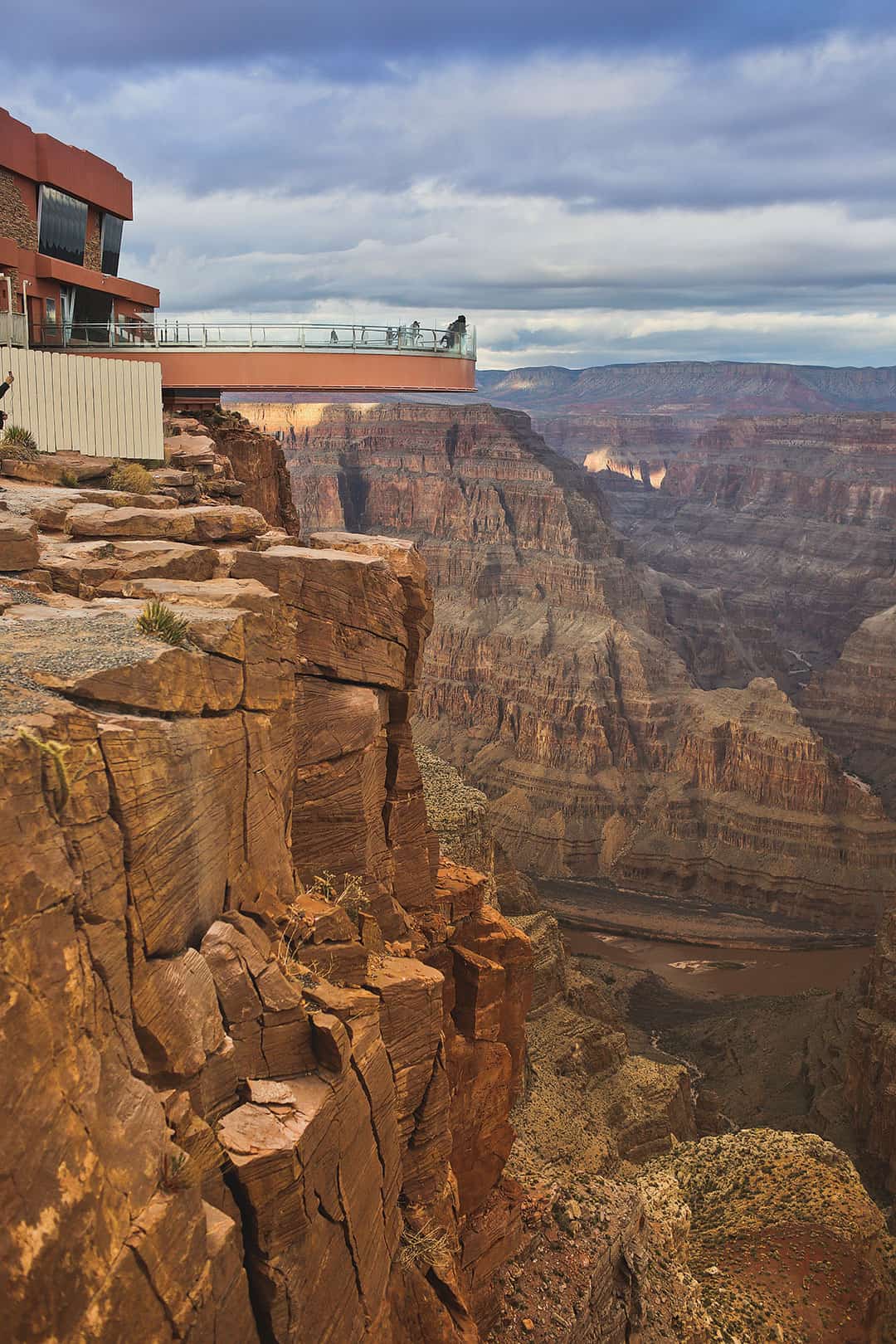
The driving time typically ranges from 2 to 2.5 hours, depending on traffic and any stops along the way. A popular stop for many travelers is the iconic Hoover Dam, which adds an extra layer of historical and engineering marvel to the journey. The West Rim is renowned for attractions like the Grand Canyon Skywalk, a horseshoe-shaped glass bridge extending 70 feet over the canyon’s edge, offering unparalleled views straight down to the canyon floor. Other key viewpoints include Eagle Point and Guano Point, each providing dramatic panoramas and photo opportunities.
The West Rim experience is geared towards day-trippers and those looking for an immersive, yet relatively brief, encounter with the canyon. The Hualapai Nation manages tourism here, offering cultural experiences, helicopter rides to the canyon floor, and even pontoon boat tours on the Colorado River. While it doesn’t offer the vastness of the South Rim’s expansive vistas, its accessibility and unique attractions make it a compelling choice for a quick escape from Las Vegas.

Exploring the Grand Canyon South Rim: A Longer but Rewarding Journey
For those with more time and a desire to witness the most iconic and frequently photographed vistas of the Grand Canyon, the South Rim is the ultimate destination. Part of the Grand Canyon National Park and a UNESCO World Heritage Site, it is located further east in Arizona, approximately 270-280 miles (435-450 kilometers) from Las Vegas.
The drive to the South Rim typically takes between 4 to 5 hours, making it less ideal for a quick day trip compared to the West Rim. This journey usually involves driving through Kingman, a historic city along the famous Route 66, before heading north through Flagstaff. The extra travel time is generously rewarded with breathtaking, panoramic views that stretch for miles, deep into the canyon’s intricate geological layers.

The South Rim offers a wealth of activities and viewpoints, including Mather Point, Yavapai Point, and the Desert View Watchtower. It also serves as the primary gateway for hiking trails like the Bright Angel Trail and South Kaibab Trail, allowing visitors to venture below the rim. Given the longer travel distance and the sheer volume of attractions, many visitors opt for an overnight stay in or around Grand Canyon Village to fully immerse themselves in the natural beauty. This rim is also the most accessible year-round, making it a perennial favorite for travelers from around the globe.
Planning Your Journey: Transportation and Tour Options
Choosing the right mode of transportation is paramount for any successful trip from Las Vegas to the Grand Canyon. Depending on your budget, time constraints, and desired level of comfort, several options are available, ranging from self-driven adventures to luxurious air tours. Each method offers distinct advantages and contributes to a unique travel experience.
Driving from Las Vegas to the Grand Canyon
A self-driven journey provides the utmost flexibility and is often the most budget-friendly option for groups or families. The routes are well-maintained and scenic, offering opportunities for impromptu stops and exploration.
- To the West Rim: The drive to the West Rim is straightforward, primarily following US-93 South from Las Vegas, passing through Boulder City and offering a chance to view the Hoover Dam. This route takes about 2 to 2.5 hours. For those who enjoy a road trip lifestyle, this allows for comfortable stops and photo opportunities along the way.
- To the South Rim: The journey to the South Rim is longer, typically 4 to 5 hours. From Las Vegas, you’ll head south on US-93, then east on I-40 near Kingman, before taking US-64 North to the Grand Canyon National Park entrance. This route passes through diverse landscapes and offers a glimpse of old Route 66 towns. Renting a car in Las Vegas is widely available, with options ranging from economy vehicles for budget travel to luxury SUVs for a more comfortable ride, catering to various travel styles. Remember to factor in fuel costs, parking fees, and the entrance fee for Grand Canyon National Park when budgeting for your trip.
Air Tours: Scenic Flights for a Panoramic Experience
For a truly spectacular and time-efficient visit, air tours—either by helicopter or small plane—are an unparalleled option. These tours provide breathtaking aerial views of the Grand Canyon, Hoover Dam, and Lake Mead, offering a perspective impossible to gain from the ground.
- Helicopter Tours: Many companies, such as Maverick Helicopters and Papillon Grand Canyon Helicopters, operate directly from [Las Vegas](https://lifeoutofthebox.com/las-vegas]. Tours often include landings on the canyon floor at the West Rim, complete with champagne toasts and boat rides on the Colorado River. These luxury travel experiences, while more expensive, are ideal for those seeking an exclusive and unforgettable adventure with minimal travel time.
- Airplane Tours: Fixed-wing airplane tours, offered by operators like Grand Canyon Airlines, typically depart from the Boulder City airport, just a short drive from Las Vegas. These tours cover larger distances, often flying over both the West Rim and parts of the South Rim, giving passengers a broader sense of the canyon’s immense scale. Some airplane tours combine the flight with a ground tour at the South Rim, making it a comprehensive day trip.
Bus Tours: Convenient Group Travel
Bus tours offer a comfortable and hassle-free way to visit the Grand Canyon from Las Vegas, handling all the logistics, including transportation, entrance fees, and often meals. They are particularly popular for the West Rim due to its closer proximity.
- West Rim Bus Tours: These tours typically depart early from Las Vegas hotels, taking approximately 3-4 hours each way, including comfort stops. They usually include admission to Grand Canyon West, access to the Skywalk, and visits to Eagle Point and Guano Point. Some even offer optional helicopter upgrades. This is an excellent option for family trips or those who prefer not to drive, ensuring a guided and informative experience.
- South Rim Bus Tours: While longer, full-day bus tours to the South Rim are also available, departing very early in the morning and returning late at night. These tours provide a chance to see more of the Grand Canyon National Park’s extensive viewpoints and visitor centers without the stress of navigating or parking. Many include guided commentary, offering insights into the geology, history, and culture of the region, enhancing the overall tourism experience.
Enhancing Your Grand Canyon Experience: Activities and Stays
A trip to the Grand Canyon isn’t just about admiring the view; it’s about immersing yourself in the landscape and experiencing the myriad activities available. Whether you choose the adventurous West Rim or the expansive South Rim, and whether you opt for a day trip or an overnight stay, there are countless ways to make your visit memorable.
Iconic Attractions at the West Rim and South Rim
Each rim offers unique attractions that cater to different interests and activity levels.
- West Rim Highlights:
- Grand Canyon Skywalk: Walk out onto this glass bridge for a thrilling perspective looking straight down into the canyon. It’s a truly unique experience that pushes the boundaries of conventional sightseeing.
- Eagle Point & Guano Point: These viewpoints offer incredible vistas and opportunities to learn about the Hualapai Nation’s culture and history.
- Helicopter and Boat Tours: Experience the canyon from a different angle with a helicopter descent to the canyon floor, followed by a serene boat ride on the Colorado River. This is a top choice for adventure seekers and luxury travelers alike.
- South Rim Highlights:
- Mather Point & Yavapai Point: Easily accessible viewpoints near the main visitor center, offering expansive, classic Grand Canyon views perfect for first-time visitors. The Yavapai Geology Museum offers fascinating insights into the canyon’s formation.
- Desert View Watchtower: Located at the eastern edge of the park, this historic stone tower provides incredible 360-degree views, including glimpses of the Colorado River and the painted desert beyond.
- Hiking Trails: For the adventurous, trails like the Bright Angel Trail and South Kaibab Trail offer varying levels of challenge, leading hikers deeper into the canyon. Even a short descent can provide a profound sense of scale and solitude. Remember that hiking back up is always more strenuous than going down.
- Scenic Drives: The Hermit Road and Desert View Drive offer numerous pull-offs with stunning viewpoints, accessible by car (seasonally for Hermit Road, otherwise by shuttle).
Accommodation Near the Grand Canyon and in Las Vegas
Deciding where to stay is a crucial aspect of planning, especially if you opt for an overnight stay at the Grand Canyon.
- Near the Grand Canyon (South Rim):
- Inside the Park: Staying within Grand Canyon National Park offers unparalleled convenience and early morning/late evening access to viewpoints. Historic lodges like El Tovar Hotel, Bright Angel Lodge, Maswik Lodge, and Yavapai Lodge are popular, though they book up quickly, sometimes over a year in advance. For the truly adventurous, Phantom Ranch at the bottom of the canyon offers a unique, rustic experience. These options range from budget-friendly rooms to more luxurious suites and suites.
- Outside the Park (Tusayan): The town of Tusayan, just a few miles south of the park entrance, offers a range of hotels, including The Grand Hotel at the Grand Canyon, restaurants, and services. It’s a convenient base if you can’t secure accommodation within the park.
- Near the Grand Canyon (West Rim):
- Overnight accommodation options are more limited here, primarily consisting of rustic cabins or camping experiences provided by the Hualapai Nation. Most visitors come for a day trip and return to Las Vegas.
- In Las Vegas:
- Las Vegas offers an incredible array of hotels and resorts to suit every budget and lifestyle. From lavish suites on the Strip for luxury travel to more affordable options downtown, you’ll find everything from budget hotels to family-friendly resorts with extensive amenities. Many travelers choose to base themselves here and take a day trip to the Grand Canyon, returning to enjoy the city’s nightlife and entertainment. When booking, consider factors like proximity to attractions, resort fees, and whether you prefer a quiet stay or one in the heart of the action.
Tips for an Unforgettable Grand Canyon Adventure
To ensure your trip from Las Vegas to the Grand Canyon is as smooth and enjoyable as possible, keep the following tips in mind:
- Book in Advance: Especially for South Rim accommodation within the park or popular helicopter tours, booking several months ahead is highly recommended to secure your preferred dates and options. This is crucial for planning any travel to major landmarks.
- Pack Layers: The weather at the Grand Canyon can be unpredictable and vary significantly between the rim and the canyon floor, as well as throughout the day. Dress in layers, regardless of the season, and bring sun protection (hat, sunscreen, sunglasses).
- Stay Hydrated: The desert climate can be very dry, so drink plenty of water, especially if you plan on hiking. Carry a reusable water bottle and refill it at designated stations.
- Wear Comfortable Shoes: You’ll likely be doing a lot of walking, whether exploring viewpoints or embarking on trails. Sturdy, comfortable walking shoes are a must.
- Start Early: To beat the crowds, especially at popular viewpoints and during peak season, aim to arrive at the Grand Canyon early in the morning. This also gives you more time to explore.
- Consider Combining with Other Parks: For a truly epic Southwest adventure, consider extending your trip to include nearby national parks like Zion National Park or Bryce Canyon National Park in Utah, or natural wonders like Antelope Canyon and Horseshoe Bend near Page, Arizona. Valley of Fire State Park in Nevada also makes for a fantastic stop-off. This multi-destination approach offers a rich tapestry of experiences for extended family trips or adventurous lifestyle travelers.
- Respect the Environment and Local Culture: The Grand Canyon is a fragile ecosystem and a sacred place for many Indigenous peoples. Stick to marked trails, dispose of waste properly, and respect the natural environment. If visiting the West Rim, be mindful of the Hualapai Nation’s heritage.
- Check Park Websites: Before your visit, check the official National Park Service website for the Grand Canyon National Park (for the South Rim) or the Grand Canyon West website (for the West Rim) for current conditions, alerts, opening hours, and any temporary closures.
Ultimately, the distance from Las Vegas to the Grand Canyon is merely a number that frames the beginning of an extraordinary journey. Whether you choose the convenient West Rim or the majestic South Rim, the experience of standing before one of the world’s most impressive natural landmarks is guaranteed to leave an indelible mark on your memory. Plan thoughtfully, prepare adequately, and embark on an adventure that connects the vibrant energy of Las Vegas with the serene grandeur of the Grand Canyon.
LifeOutOfTheBox is a participant in the Amazon Services LLC Associates Program, an affiliate advertising program designed to provide a means for sites to earn advertising fees by advertising and linking to Amazon.com. Amazon, the Amazon logo, AmazonSupply, and the AmazonSupply logo are trademarks of Amazon.com, Inc. or its affiliates. As an Amazon Associate we earn affiliate commissions from qualifying purchases.