
Navigating the world of time zones can be a complex endeavor, especially when planning international travel, business calls, or simply trying to connect with loved ones across continents. For many, especially those looking to explore the Golden State, understanding California’s relationship with Greenwich Mean Time (GMT) is a crucial piece of information. This article delves into the specifics of California’s time zones, their relationship to GMT, and how this impacts various aspects of travel, tourism, and lifestyle within the state.
Understanding California’s Time Zones and GMT
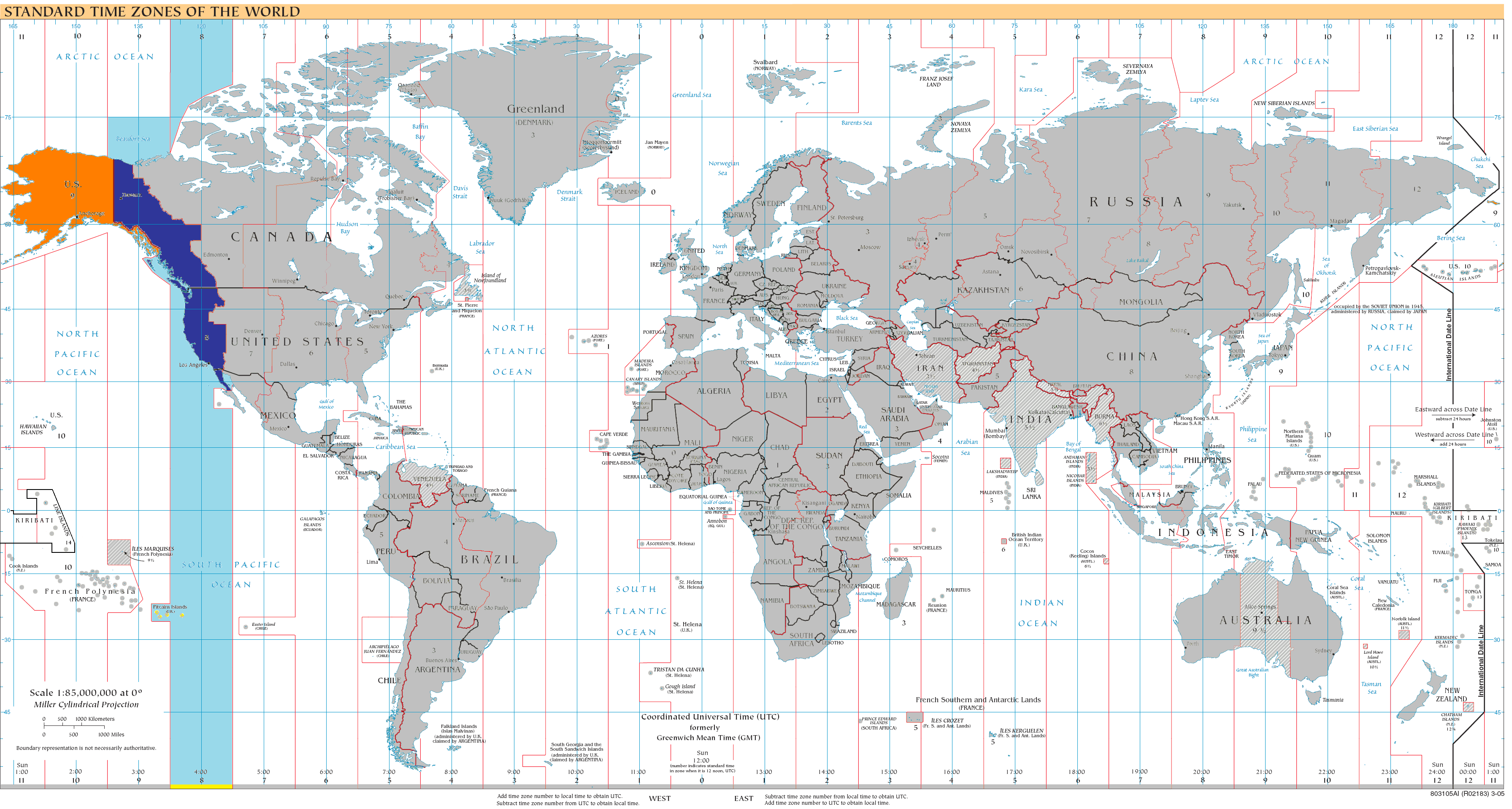
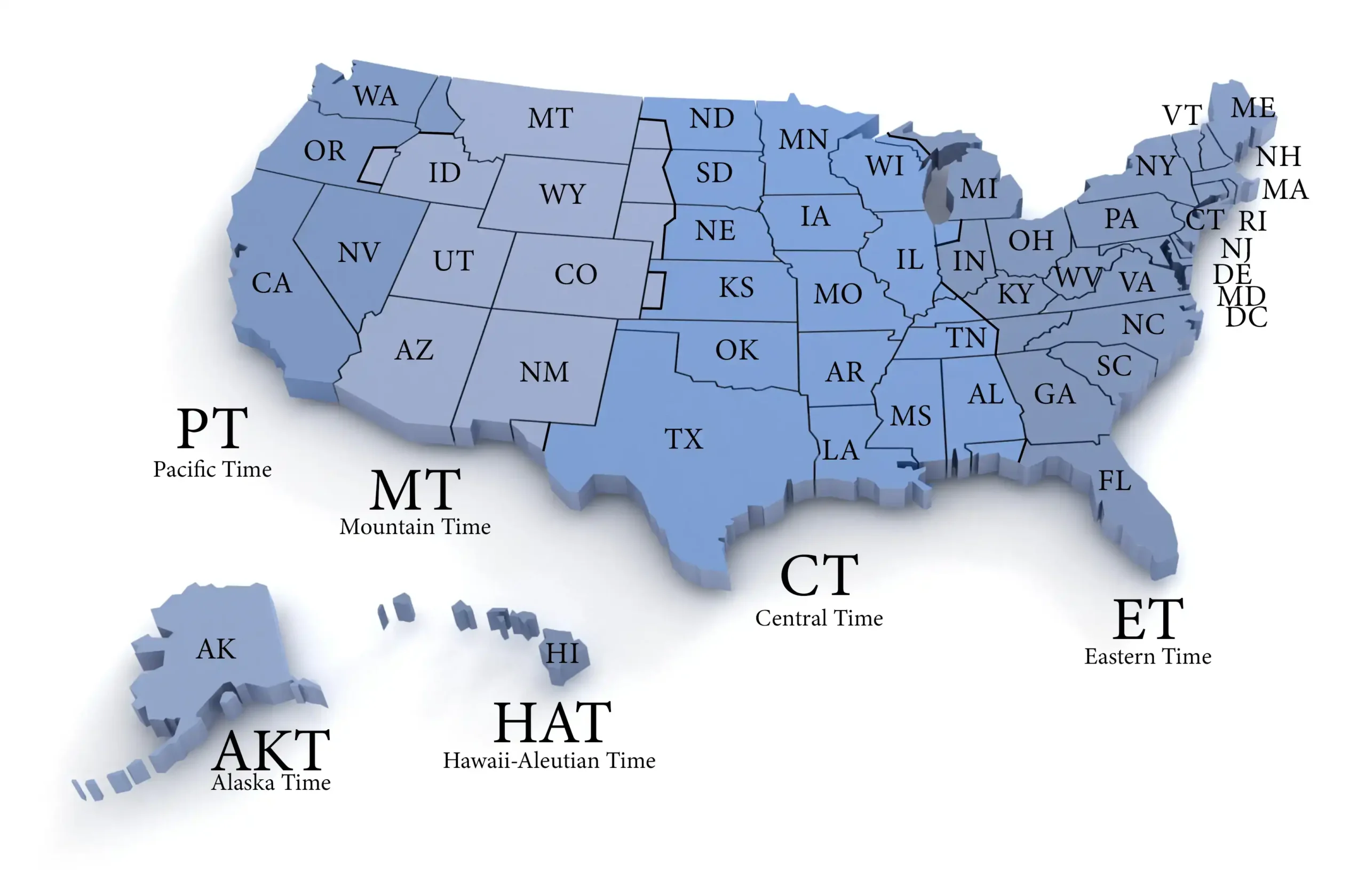
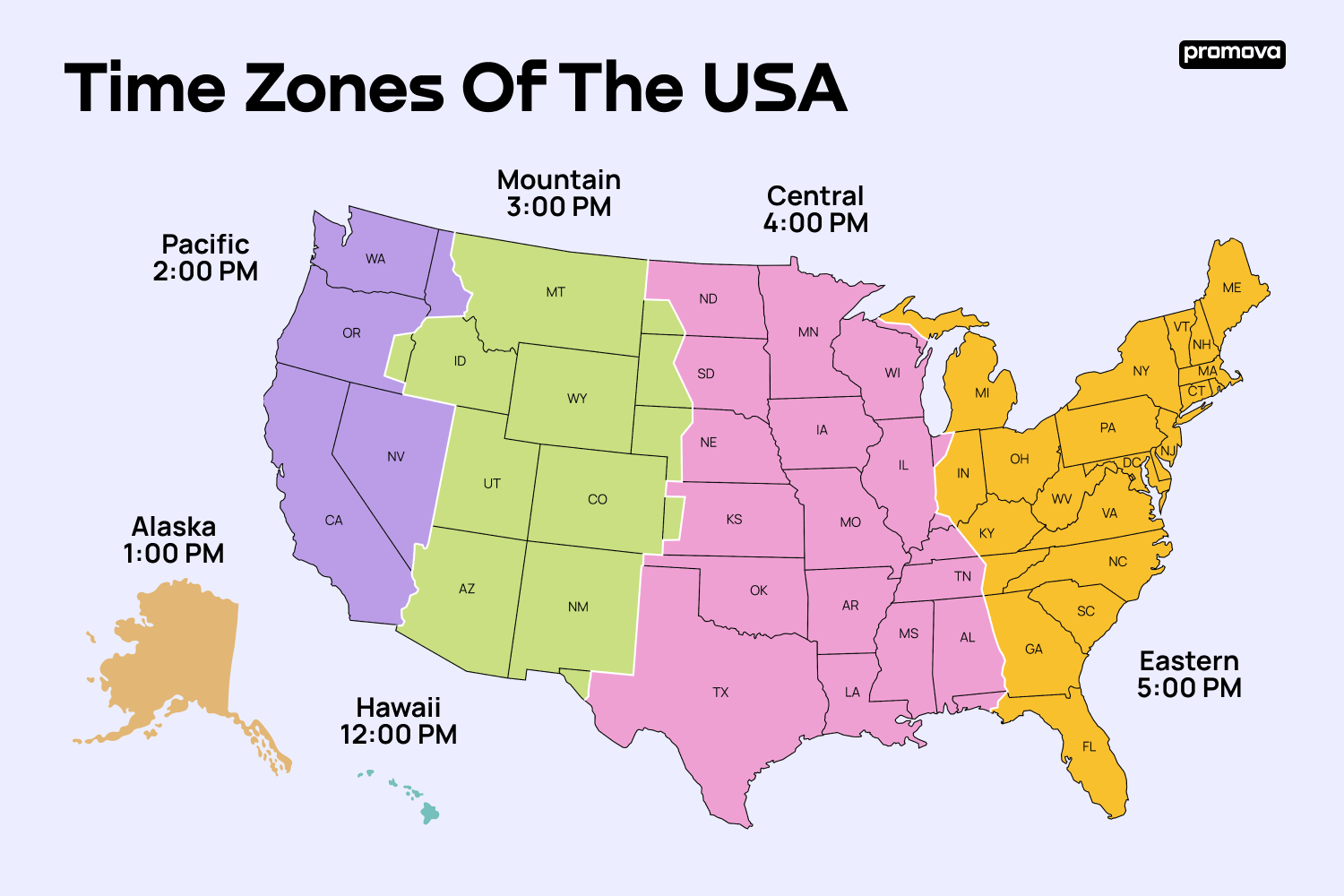
California, a vast state stretching along the Pacific coast of the United States, primarily observes Pacific Standard Time (PST) during the winter months and Pacific Daylight Time (PDT) during the summer. This distinction is fundamental to understanding its offset from GMT.
Pacific Standard Time (PST)
When Daylight Saving Time is not in effect, California operates on Pacific Standard Time (PST). This time zone is GMT-8. This means that PST is eight hours behind GMT. For instance, if it is 12:00 PM GMT, it would be 4:00 AM PST in California. This offset is consistent across the entire state for the duration of PST.
Pacific Daylight Time (PDT)
During the warmer months, typically from the second Sunday in March to the first Sunday in November, California observes Pacific Daylight Time (PDT). PDT is GMT-7. This advancement of the clock by one hour means that PDT is now seven hours behind GMT. So, if it’s 12:00 PM GMT, it would be 5:00 AM PDT in California. This change is enacted to maximize daylight during waking hours and is a common practice across many regions of the United States and the world.
The Impact of Daylight Saving Time on GMT Offset
The annual switch between PST and PDT is the primary reason for the fluctuating offset between California and GMT. It’s essential for travelers, businesses, and anyone coordinating across these time zones to be aware of when these shifts occur. Missing this can lead to missed appointments, flights, or simply a general sense of disorientation.
When planning an international call to Los Angeles, for example, you need to know if it’s PST or PDT. If you are in London (which observes GMT), a 9:00 AM meeting in Los Angeles during PST would be at 5:00 PM in London. However, during PDT, that same 9:00 AM Los Angeles time would translate to 4:00 PM in London. This one-hour difference might seem small, but it can have significant implications for scheduling.
The United States observes Daylight Saving Time on a federal level, with a few exceptions. Arizona is a notable exception, with most of the state adhering to Mountain Standard Time (MST) year-round, which is GMT-7. However, California does participate fully in Daylight Saving Time, making the GMT-7 offset a recurring part of its calendar.
Travel and Tourism Considerations in California
Understanding California‘s time zone relative to GMT is more than just a numerical exercise; it directly influences how travelers plan their journeys, book accommodations, and experience the state’s diverse offerings.
Planning Your California Adventure
When you’re dreaming of exploring the iconic sights of California, from the glitz of Hollywood to the natural splendor of Yosemite National Park, the time difference is a practical consideration. If you’re arriving from a country operating on GMT, a flight into Los Angeles International Airport (LAX) or San Francisco International Airport (SFO) will land you in a time zone several hours behind your departure point.
For instance, a business traveler flying from New York to San Francisco will experience a three-hour time difference. However, for an international traveler from, say, Paris, where Central European Time (CET) is GMT+1, the difference will be considerably larger. During PST (GMT-8), Paris is nine hours ahead of California. During PDT (GMT-7), Paris is eight hours ahead. This jet lag is a common aspect of long-haul travel and is directly tied to the time zone conversion.
When booking tours for popular attractions like visiting the Golden Gate Bridge or experiencing the magic of Disneyland, factoring in the local time can help you optimize your itinerary. Early morning tours might be more appealing when the sun is rising, and understanding the GMT offset helps you coordinate these with your home time zone if you need to communicate back.
Accommodation and Booking in California
The type of accommodation you choose in California can also be indirectly affected by time zone awareness. Whether you’re looking for a luxurious suite at a renowned resort like the Ritz-Carlton, Laguna Niguel, or a cozy apartment rental in San Diego for a long-term stay, the booking process and check-in times are all based on local California time.
Hotels and rental agencies operate on Pacific Time. When you make a reservation, the advertised check-in and check-out times will be in PST or PDT. If you’re coordinating a late arrival from a GMT country, you’ll need to ensure the hotel is aware of your estimated time of arrival, considering the time difference. For example, arriving at your hotel in Beverly Hills at 10:00 PM California time might be early morning the next day in GMT.
When comparing hotels or apartments on booking platforms, the listed prices and availability are displayed in the local time of the destination. This ensures that everyone is on the same page regarding availability and rates. For those considering a longer stay, perhaps in a villa in Palm Springs, understanding the monthly rent and utility billing cycles will also be based on Pacific Time.
Lifestyle and Experiencing California
The lifestyle in California is as diverse as its landscapes, and time zone awareness plays a subtle yet significant role in how residents and visitors engage with the state’s offerings.
Luxury, Budget, and Family Travel
Whether you’re indulging in a luxury travel experience in Napa Valley, embarking on a budget-friendly road trip along the coast, or planning a family trip to see the giant sequoias in Sequoia National Park, the timing of your activities is paramount. A 9:00 AM wine tasting in Sonoma will occur at a different GMT equivalent depending on whether Daylight Saving Time is active.
Families planning a trip to San Francisco might want to catch the earliest cable car rides to avoid crowds. This early start is made easier when you understand your own time zone’s relation to California‘s. Similarly, business travelers requiring early morning meetings in Silicon Valley need to precisely calculate the GMT difference to ensure they connect with their counterparts in Europe or Asia.
Experiencing Local Culture and Cuisine
The vibrant local culture and culinary scene of California are best enjoyed when you’re well-rested and oriented. From the bustling farmer’s markets in Santa Monica to the diverse food stalls in Oakland, timings for these events are local. Understanding the time difference helps you plan your day, allowing ample time for exploration and enjoyment without feeling rushed or missing out on key experiences.
Imagine wanting to catch a sunset cruise departing from Marina del Rey. The departure time is set by the local operator. If you’re coming from London, you’ll need to factor in the hours of difference to plan your day of sightseeing before heading to the harbor. Similarly, restaurant reservations in popular dining destinations like San Francisco‘s Mission District should be made with a clear understanding of California time.
Landmarks and Natural Wonders
California is home to countless landmarks, from the architectural marvel of the Walt Disney Concert Hall in Los Angeles to the natural grandeur of Death Valley National Park. Visiting these places often involves early starts or late finishes to capture the best light or avoid crowds.
For example, a hike to an iconic viewpoint in Big Sur is best experienced at dawn or dusk. Knowing the time zone and its offset from GMT allows for precise planning of departure times from your accommodation, whether you’re staying at a coastal resort or a charming inn in a nearby town. The natural beauty of Lake Tahoe is equally breathtaking at different times of day, and accurate timekeeping is key to maximizing your experience.
In conclusion, understanding that California operates on Pacific Standard Time (PST) (GMT-8) and Pacific Daylight Time (PDT) (GMT-7) is fundamental for anyone interacting with the state from afar. This knowledge enhances travel planning, simplifies booking processes, and ultimately leads to a more seamless and enjoyable experience of California‘s unparalleled attractions and lifestyle. Whether you’re a globetrotter, a business professional, or simply curious about the world’s time zones, this clear understanding will serve you well.
LifeOutOfTheBox is a participant in the Amazon Services LLC Associates Program, an affiliate advertising program designed to provide a means for sites to earn advertising fees by advertising and linking to Amazon.com. Amazon, the Amazon logo, AmazonSupply, and the AmazonSupply logo are trademarks of Amazon.com, Inc. or its affiliates. As an Amazon Associate we earn affiliate commissions from qualifying purchases.