
Florida, a state synonymous with sunshine, theme parks, and vibrant tourism, also presents a complex landscape when it comes to the legality of betting. For many visitors and residents alike, the allure of a flutter on their favorite sport or a spin of the roulette wheel is a tempting prospect. However, navigating the regulations surrounding gambling in the Sunshine State requires a clear understanding of its nuanced laws. This article delves into the current state of betting legality in Florida, exploring the types of wagering permitted, the ongoing debates, and what travelers can expect.
Understanding Florida’s Gambling Framework
Florida’s approach to gambling is not a monolithic one; rather, it’s a patchwork of laws and agreements that have evolved over decades. The foundation of gambling regulation in the state lies in its constitution and subsequent legislative actions, often influenced by compacts with Native American tribes and the presence of pari-mutuel facilities.
Pari-Mutuel Wagering: A Long-Standing Tradition
One of the most established forms of legal betting in Florida revolves around pari-mutuel wagering. This system, where bettors wager against each other rather than the house, is primarily associated with horse racing and greyhound racing. Tracks across the state, such as Seminole Hard Rock Hotel & Casino Hollywood (which also offers other forms of gambling) and Daytona Beach Racing & Card Club, have historically been hubs for this activity.
- Horse Racing: Florida has a rich history with thoroughbred racing, featuring renowned tracks like Gulfstream Park Racing & Casino in Hallandale Beach. While the popularity of horse racing has seen fluctuations nationally, it remains a legal and regulated form of betting in Florida.
- Greyhound Racing: Similarly, dog racing has been a long-standing fixture. However, it’s important to note that Florida voters approved an amendment in 2018 to phase out greyhound racing by the end of 2020. This means that while betting on greyhound races may still occur in some limited contexts or through simulcasting, the live racing aspect has largely been discontinued.
The Rise of Seminole Gaming and Tribal Compacts
A significant player in Florida’s gambling scene is the Seminole Tribe of Florida. Through their sovereign status, they operate a network of casinos, most notably the Seminole Hard Rock Hotel & Casino Hollywood and Seminole Hard Rock Hotel & Casino Tampa. These facilities offer a wide array of gaming options, including slot machines, table games like blackjack, and poker.
The legal framework for tribal casinos is governed by federal law and state-tribal compacts. These compacts have been a source of considerable legal and political debate in Florida. They outline the types of games the Seminole Tribe can offer and the revenue-sharing agreements with the state. The current compact, signed in 2021, allows for sports betting through the tribe’s Hard Rock platform, but its implementation has faced legal challenges and ongoing scrutiny.
Cardrooms and Jai Alai
Beyond the major casinos and pari-mutuel tracks, Florida also permits cardrooms, which are often associated with poker. These facilities are regulated and offer a less comprehensive gaming experience than full-scale casinos.
Jai Alai, a fast-paced Basque sport, also has a historical presence in Florida, with associated betting. While its popularity has waned over the years, some frontons, like the Magic City Casino, still offer this unique betting opportunity.
The Complex Landscape of Sports Betting
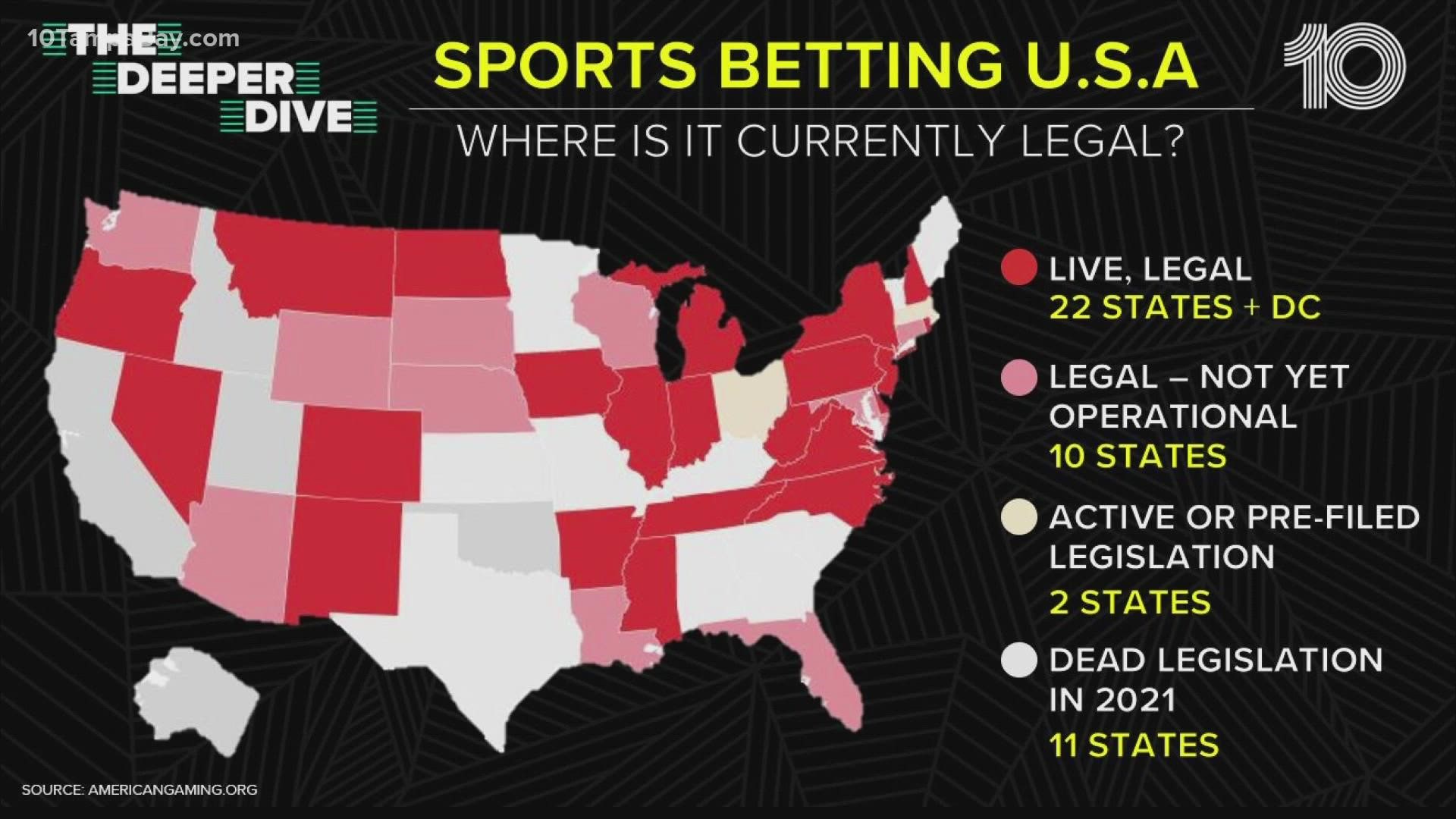
The question of sports betting legality in Florida is where much of the current debate and legal maneuvering lies. While it is a massively popular form of gambling globally, its status in Florida has been precarious and is still very much in flux.
The 2021 Tribal Compact and “Hub and Spoke” Model
In 2021, a significant development occurred when Governor Ron DeSantis and the Seminole Tribe of Florida reached a new gaming compact. This agreement, ratified by the state legislature, aimed to authorize sports betting across Florida, operated by the Seminole Tribe through their Hard Rock Sportsbook app.
The unique aspect of this compact was its “hub and spoke” model. Under this system, the servers facilitating the sports bets were physically located on tribal lands, which, under federal law, allows the bets to be considered as taking place within the tribe’s jurisdiction, regardless of where the bettor was physically located within Florida. This was the legal justification for allowing statewide mobile sports betting.
However, this interpretation immediately drew legal challenges. Opponents argued that this model circumvented state law and that the federal law governing tribal gaming was being misused. A federal judge initially ruled against the compact, stating it violated federal law. While this ruling was appealed, the legal battles have continued, creating uncertainty for the future of statewide sports betting.
Ongoing Legal Battles and Future Prospects
The legal challenges have created a stop-and-go situation for sports betting in Florida. At times, the Hard Rock Sportsbook app has been available to Florida residents, only to be temporarily shut down due to court orders. This has left many aspiring bettors in a state of confusion.
The core of the legal dispute revolves around the interpretation of federal laws, particularly the Indian Gaming Regulatory Act (IGRA), and how it applies to mobile sports betting conducted off tribal lands. Proponents argue that the hub and spoke model is a valid interpretation that allows for tribal gaming expansion. Critics, however, contend that it essentially legalizes statewide sports betting without proper legislative approval and oversight by the state.
The outcome of these legal battles is crucial for the future of sports betting in Florida. If the compact is ultimately upheld, it could pave the way for a regulated and accessible sports betting market operated by the Seminole Tribe. If it is struck down, Florida might need to pursue a different legislative path to legalize sports betting, potentially involving a statewide referendum or a new legislative framework that addresses the concerns raised in the court cases.
Other Forms of Betting and Potential Expansions
Beyond sports betting, there are ongoing discussions about expanding gambling options in Florida. This includes potential for full-scale casinos in areas outside of tribal lands, and further integration of sports betting at pari-mutuel facilities. However, these discussions are often met with strong opposition from various stakeholders, including existing tribal operators and anti-gambling advocacy groups.
The Florida legislature has shown an interest in modernizing the state’s gambling laws, but the path forward is fraught with legal, political, and social complexities. Any significant expansion or alteration to the current framework would likely require extensive legislative debate, potential constitutional amendments, and careful consideration of the impact on existing gaming operations and the state’s tourism industry.
Navigating Betting Options for Travelers
For visitors planning a trip to Florida, understanding the legalities of betting is essential to avoid any unintended legal issues. While the state offers various forms of entertainment, it’s crucial to be aware of what is and isn’t permitted.
Legal Wagering Options Available
- Tribal Casinos: As mentioned, the Seminole Tribe of Florida operates several large casino resorts, such as Seminole Hard Rock Hotel & Casino Hollywood and Seminole Hard Rock Hotel & Casino Tampa. These offer a wide range of gaming, including slots, table games, and poker. These are legal and accessible to adults.
- Pari-Mutuel Facilities: For those interested in horse racing, venues like Gulfstream Park Racing & Casino provide the opportunity for pari-mutuel wagering.
- Cardrooms: If poker is your preference, several licensed cardrooms operate across the state.
Sports Betting Status: A Waiting Game
The legality of sports betting for individuals physically present in Florida is currently in a state of uncertainty due to ongoing legal challenges. While the Hard Rock Sportsbook app has been accessible at times, its availability is subject to court decisions. Therefore, it is advisable for visitors to stay updated on the latest legal developments if they wish to engage in sports betting. It is generally understood that placing a bet via an app that is not legally sanctioned for use in the state could have consequences.

Responsible Gambling and Tourist Tips
For any form of gambling, responsible practices are paramount. Florida, like other states, provides resources for those who may need assistance with problem gambling. Visitors are encouraged to set limits and gamble responsibly.
When visiting Florida, especially areas like Miami, Orlando, or the Florida Keys, you’ll find a wealth of activities beyond gambling. From exploring the vibrant arts scene and enjoying world-class dining to relaxing on the pristine beaches or visiting iconic landmarks like Everglades National Park, there are countless ways to experience the state’s diverse offerings. For those interested in the legal aspects of betting, staying informed through official state resources or reputable news outlets is the best approach. The legal landscape of gambling in Florida is dynamic, and what is permissible today may evolve with future legislative actions and court rulings.
In conclusion, while Florida offers some established forms of legal betting, particularly through tribal casinos and pari-mutuel facilities, the landscape for sports betting remains complex and subject to ongoing legal battles. Travelers should be aware of these nuances and prioritize responsible engagement with any permitted gaming activities. The Sunshine State continues to balance its appeal as a tourist destination with the evolving regulations surrounding its gambling industry.
LifeOutOfTheBox is a participant in the Amazon Services LLC Associates Program, an affiliate advertising program designed to provide a means for sites to earn advertising fees by advertising and linking to Amazon.com. Amazon, the Amazon logo, AmazonSupply, and the AmazonSupply logo are trademarks of Amazon.com, Inc. or its affiliates. As an Amazon Associate we earn affiliate commissions from qualifying purchases.