
Embarking on a journey through the stunning landscapes of Arizona, from the vibrant cityscapes of Phoenix and Tucson to the breathtaking natural wonders like the Grand Canyon and the red rocks of Sedona, promises an unforgettable experience. Whether you’re planning a luxurious resort stay, a budget-friendly road trip, or an immersive cultural exploration, understanding the nuances of local taxation is a crucial, albeit often overlooked, aspect of travel planning. Unlike many states that levy a straightforward “sales tax,” Arizona operates under a more complex system known as the Transaction Privilege Tax (TPT). While the intricacies of TPT are primarily a concern for businesses, for the average tourist or resident, it functions very much like a sales tax added to the cost of most goods and services.
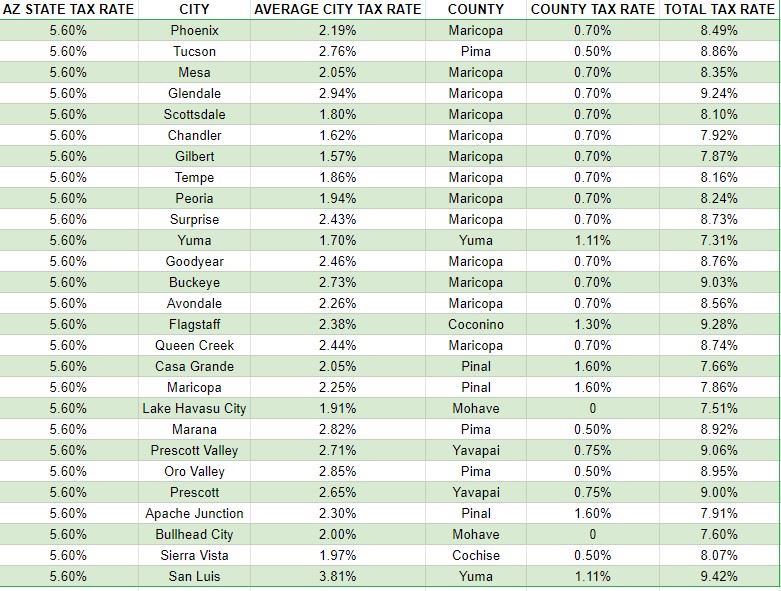
This guide aims to demystify Arizona’s sales tax, providing clarity on how much you can expect to pay, especially concerning your accommodation, dining, shopping, and various travel experiences. For those exploring destinations, booking hotels, or simply enjoying the local lifestyle, grasping these tax structures can significantly influence your budgeting and overall travel enjoyment. From the bustling streets of Scottsdale with its high-end boutiques and exquisite dining to the serene, natural beauty surrounding Flagstaff and its outdoor adventures, sales tax rates can vary dramatically, impacting everything from the cost of a souvenir to the nightly rate of your chosen villa.
Decoding Arizona’s Sales Tax System: Beyond the Basics
To truly understand how much “sales tax” you’ll encounter in Arizona, it’s essential to look beyond a single state-mandated percentage. The system is a layered one, combining state-level taxation with additional levies imposed by counties and individual cities. This multi-tiered approach means that your final cost for the same item or service can differ significantly depending on your exact location within the state.
The State Sales Tax: A Foundation of 5.6% TPT
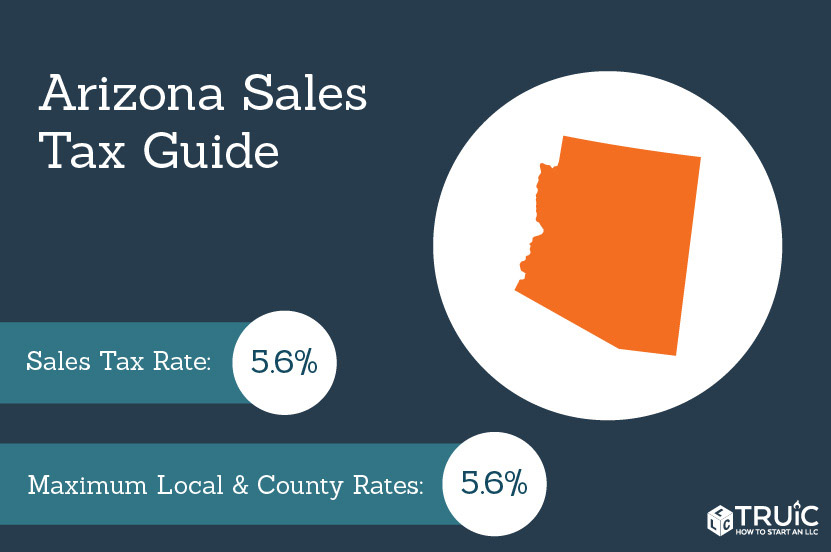
At the heart of Arizona’s taxation model is the statewide Transaction Privilege Tax (TPT), set at 5.6%. This is not a tax on the sale itself to the consumer, but rather a tax on the privilege of doing business within the state. However, businesses generally pass this cost directly onto the consumer, making it feel identical to a sales tax. This 5.6% applies to a broad range of activities, including retail sales, restaurant meals, hotel stays, commercial leases, construction, and much more. It serves as the baseline for nearly all taxable transactions across Arizona, providing the foundational revenue for state-level services and infrastructure that indirectly enhance the visitor experience.
It’s important to note that certain items, such as most unprepared food (groceries), prescription drugs, and some services, are generally exempt from the state TPT. This distinction can be particularly relevant for travelers focused on budget-friendly trips, where self-catering accommodations and grocery shopping might offer a slight tax advantage compared to frequent dining out.
Beyond the State: Local Taxes and Their Cumulative Impact
While the 5.6% state TPT is constant statewide, the real variability in “sales tax” rates emerges at the county and city levels. Every county in Arizona imposes its own TPT rate, which is then added to the state rate. Most counties, including Maricopa County (where Phoenix and Scottsdale are located) and Pima County (home to Tucson), levy an additional 0.7%. Other counties might have slightly different rates, but 0.7% is a common figure.
On top of the state and county taxes, individual cities and towns across Arizona exercise their authority to impose their own municipal TPT rates. These city rates vary widely, reflecting local economic needs and priorities. For instance, a city like Phoenix might have a rate of 2.3% for most retail sales, while Tucson might have 2.6%, and Sedona an even higher 3.5%. These municipal taxes are crucial for funding local services, from public parks and cultural attractions to road maintenance, all of which contribute to the quality of life and the attractiveness of these destinations for tourists.
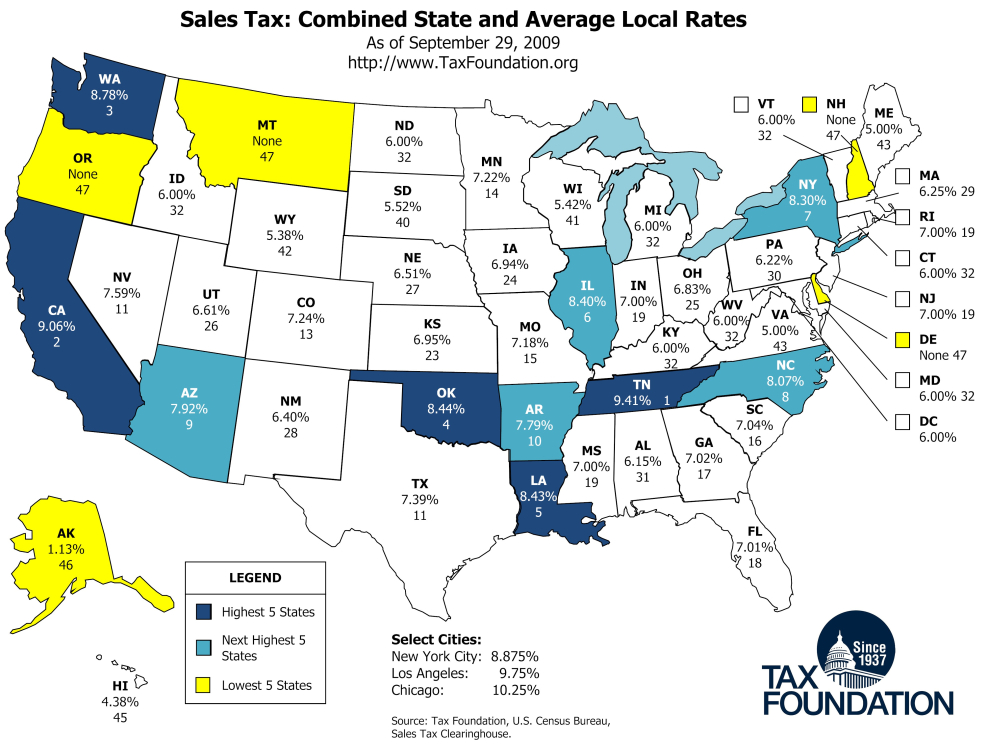
When you combine these three layers – state, county, and city – the total “sales tax” rate can range significantly. For example, in a major metropolitan area, the combined rate might fall anywhere from 7% to over 10% for most taxable transactions. Understanding this cumulative effect is vital for anyone planning a trip, as these seemingly small percentages can add up, especially on larger purchases or extended stays.
Sales Tax and the Arizona Traveler: What to Expect
For tourists and visitors, the implications of Arizona’s sales tax system are most keenly felt in several key areas: lodging, dining, shopping, and various travel-related experiences. Budgeting effectively for a trip to Arizona means anticipating these additional costs, whether you’re staying in a luxury resort in Scottsdale or a quaint bed-and-breakfast in Prescott.
Lodging and Accommodation Taxes: A Significant Factor
When planning your stay in Arizona, whether it’s a lavish suite, a family-friendly hotel, a cozy Airbnb, or a long-term rental, be prepared for a substantial tax bite on your accommodation bill. Lodging is typically subject to the full stack of taxes: state TPT, county TPT, and city TPT.
However, many cities also impose an additional specific lodging tax, often called a transient occupancy tax, bed tax, or tourism tax. These dedicated taxes are usually levied as a percentage of the room rate and are specifically designed to fund local tourism promotion, convention centers, and other visitor-related services. For example, beyond the standard city TPT, Phoenix imposes a 2.3% tourism tax on hotels, and Tucson adds a 6% tax for tourist promotion.
When all these taxes are combined, the total percentage added to your room rate can be quite high, often ranging from 12% to 18% or even more in popular tourist destinations. For a nightly rate of $200, an additional 15% in taxes means an extra $30 per night, which can significantly impact your overall accommodation budget, especially for multi-night stays. This applies across the board, from grand resorts offering extensive amenities to charming boutique hotels and even many vacation rental platforms like Airbnb and VRBO, which are now required to collect and remit these taxes. Researching the specific lodging tax rates for your chosen city is highly recommended before booking.
Dining, Shopping, and Experiences: The Everyday Tax Impact
Beyond accommodation, the sales tax system in Arizona affects virtually every purchase you make as a traveler.
- Dining: Whether you’re savoring gourmet cuisine in Old Town Scottsdale, enjoying authentic Mexican food in Tucson, or grabbing a quick bite near the Grand Canyon, your restaurant bill will include the combined state, county, and city TPT. Unlike groceries, prepared food for consumption is always taxable. So, that delicious saguaro cactus candy or local craft beer will also be subject to these taxes.
- Shopping: From artisan crafts in Sedona to designer clothes in Phoenix malls, all retail purchases are subject to the full TPT rate stack of the specific location where you buy them. Souvenirs, clothing, electronics, and other tangible goods will see the added percentage at checkout.
- Car Rentals and Transportation: If you plan to explore the vastness of Arizona by rental car, remember that car rental fees are also subject to TPT. Additionally, some cities or counties might impose specific rental car surcharges or fees, further increasing the cost. This is crucial for travelers planning to visit multiple destinations like Monument Valley or Antelope Canyon.
- Activities and Attractions: Entrance fees to many private attractions, guided tours (e.g., Grand Canyon helicopter tours, Desert Botanical Garden entry), spa services, and other recreational activities will also have the applicable TPT added to their advertised price.
These everyday expenditures, when combined, can add up quickly over the course of a multi-day trip. A good rule of thumb is to factor in an additional 8% to 11% for most retail and dining expenses, and a higher percentage for lodging, when setting your daily budget.
Key Cities and Their Unique Tax Landscapes
The “how much” question for sales tax in Arizona really comes down to “where.” Here’s a brief look at how combined TPT rates can vary in some of Arizona’s popular destinations, influencing different travel lifestyles from urban explorers to nature lovers:
- Phoenix (and surrounding cities like Mesa, Chandler, Glendale, Tempe, Scottsdale): As the state capital and largest metropolitan area, Phoenix has a state (5.6%) + county (Maricopa County 0.7%) + city (2.3% generally) combined rate of approximately 8.6% for most retail and dining. For hotels, Phoenix adds an additional tourism tax, pushing total lodging taxes well over 12%. Scottsdale, known for luxury travel and high-end accommodation, shares similar rates but can also have specific resort fees on top of taxes, making it a critical consideration for those seeking a lavish lifestyle experience.
- Tucson: In southern Arizona, Tucson also has the state (5.6%) + county (Pima County 0.7%) + city (2.6%) for a combined retail/dining rate of approximately 8.9%. Like Phoenix, Tucson adds a significant lodging tax (6% tourism tax) for a total well into the double digits, impacting visits to attractions like Saguaro National Park.
- Flagstaff: A gateway to the Grand Canyon and a popular destination for nature lovers, Flagstaff has a state (5.6%) + county (Coconino County 0.7%) + city (2.425%) combined rate of approximately 8.725%. Its position as a major tourist hub means lodging is also subject to higher taxes.
- Sedona: Famous for its stunning red rock scenery and spiritual retreats, Sedona has one of the higher municipal rates. Combined state (5.6%) + county (Yavapai County 0.7%) + city (3.5%) results in a retail/dining rate of approximately 9.8%. Accommodation taxes here are also very high, reflecting its status as a premium travel destination.
- Yuma: In the southwestern corner, Yuma offers a different landscape and lifestyle. With state (5.6%) + county (Yuma County 0.7%) + city (1.7%) for a combined retail/dining rate of approximately 8.0%.
These examples highlight why a general answer to “How much is sales tax in Arizona?” is insufficient for accurate budgeting. Each city and, to a lesser extent, each county, has its own specific economic environment and tax needs, translating directly into varying costs for tourists and residents alike.
Practical Tips for Budgeting Your Arizona Adventure
Navigating Arizona’s sales tax system doesn’t have to be a headache. With a few proactive steps, you can confidently plan your finances and enjoy all the incredible experiences the state has to offer, whether it’s a family trip or a business stay.
Research Before You Go: Empowering Your Planning
The most effective way to manage sales tax is to do your homework. Before finalizing your travel itinerary and booking your accommodations, take a moment to:
- Check Specific City Rates: If you know which cities you’ll be spending time in, quickly search for their municipal TPT rates and any specific lodging or tourism taxes. Many city and state government websites provide this information readily. This is particularly important for high-cost items like hotel stays or major purchases. For instance, knowing the combined lodging tax in Sedona is upwards of 15% will better prepare you than assuming a statewide average.
- Review Booking Details: When booking hotels or vacation rentals online, pay close attention to the “taxes and fees” breakdown before confirming your reservation. Reputable booking sites and direct hotel websites typically display these charges clearly, giving you a transparent view of the total cost. This helps avoid sticker shock upon arrival or checkout.
- Factor in for Attractions: If you’re planning visits to specific landmarks or attractions like the Canyon de Chelly National Monument (though federal sites often have different fee structures, private attractions will have TPT), tours, or events, verify if taxes are included in the advertised price or if they will be added at the point of sale.
Factor It Into Your Budget: The True Cost of Travel
Once you have an idea of the applicable rates, integrate them into your overall travel budget.
- Use a Buffer: A simple strategy is to add an extra 10-15% buffer to your estimated costs for accommodation, dining, and shopping. This generous allowance helps absorb the impact of various TPT rates, special lodging taxes, and any unforeseen incidentals, ensuring you don’t overspend your budget.
- Consider “All-Inclusive” Options (Carefully): While true all-inclusive resorts are less common in Arizona than in some other destinations, some packages might bundle certain services. Always confirm whether taxes and service charges are genuinely included in the advertised price of such packages to avoid surprises.
- Dining Out vs. Groceries: For budget-conscious travelers, remember that unprepared food items (groceries) are generally exempt from state and most city TPTs. Opting for accommodations with kitchenettes and cooking some of your meals can lead to slight savings on tax, besides the cost of food itself. This can make a significant difference for longer family trips or extended stays.
Understanding Exemptions (Limited but Useful)
While most goods and services are subject to TPT, a few key exemptions can be useful for travelers:
- Groceries: As mentioned, most unprepared food items purchased at grocery stores are exempt from TPT. This doesn’t apply to prepared foods, deli items, or restaurant meals.
- Prescription Drugs: Prescription medications are generally exempt from TPT.
- Specific Services: Some professional services may also be exempt, but this is less common for typical tourist expenditures.
These exemptions are relatively limited in their impact on a general travel budget but are worth being aware of. The vast majority of purchases a tourist makes – from a night’s stay at a Grand Hyatt Hotel in Phoenix to a trinket from a local market – will incur the combined state, county, and city TPT.
In conclusion, “How much is sales tax in Arizona?” is not a question with a single, simple answer. It’s a dynamic figure that varies based on your precise location within the state and the type of purchase you’re making. By understanding the layered nature of the Transaction Privilege Tax (TPT) – comprising state, county, and municipal components, often augmented by specific lodging taxes – travelers can confidently budget for their Arizona adventure. This knowledge not only prevents unexpected costs but also allows you to allocate your resources wisely, ensuring a smooth and enjoyable exploration of this magnificent state, whether you’re chasing luxury experiences, seeking thrilling outdoor adventures, or immersing yourself in local culture. With a little foresight, the vibrant culture, stunning landmarks, and diverse lifestyle offerings of Arizona are yours to discover, without any unwelcome tax surprises.
LifeOutOfTheBox is a participant in the Amazon Services LLC Associates Program, an affiliate advertising program designed to provide a means for sites to earn advertising fees by advertising and linking to Amazon.com. Amazon, the Amazon logo, AmazonSupply, and the AmazonSupply logo are trademarks of Amazon.com, Inc. or its affiliates. As an Amazon Associate we earn affiliate commissions from qualifying purchases.