
California, a state synonymous with sun-drenched landscapes and agricultural abundance, offers a delectable bounty throughout the year. Among its most cherished seasonal delights are figs, those luscious, teardrop-shaped fruits that grace local markets and culinary creations with their unique sweetness. For travelers and food enthusiasts alike, understanding the seasonality of figs in California is key to experiencing this fruit at its absolute peak. From the bustling farmers’ markets of Los Angeles to the picturesque vineyards of Napa Valley, a perfectly ripe fig is a true taste of the Golden State.
This guide delves into the delightful world of California figs, exploring not just when they are in season, but also the diverse varieties you might encounter, the best places to find them, and how to savor their exquisite flavor. Whether you’re planning a culinary pilgrimage to explore California’s vibrant food scene or simply looking to enhance your dining experiences during your travels, this information will ensure you don’t miss out on this seasonal gem.

The Californian Fig Calendar: Peak Season and Beyond
California’s climate is remarkably well-suited for fig cultivation. With its long, warm summers and mild winters, many parts of the state provide ideal growing conditions for these ancient fruits. While figs can be a relatively long-season crop, their peak availability and the finest quality are concentrated within a specific window.
Early Varieties: The First Sweet Surprises
As the summer heat begins to build, anticipation for the fig harvest grows. The first figs to appear on the market are often the early-season varieties. These are typically smaller and may not possess the intense sweetness of their later counterparts, but they are a welcome herald of the coming bounty.
-
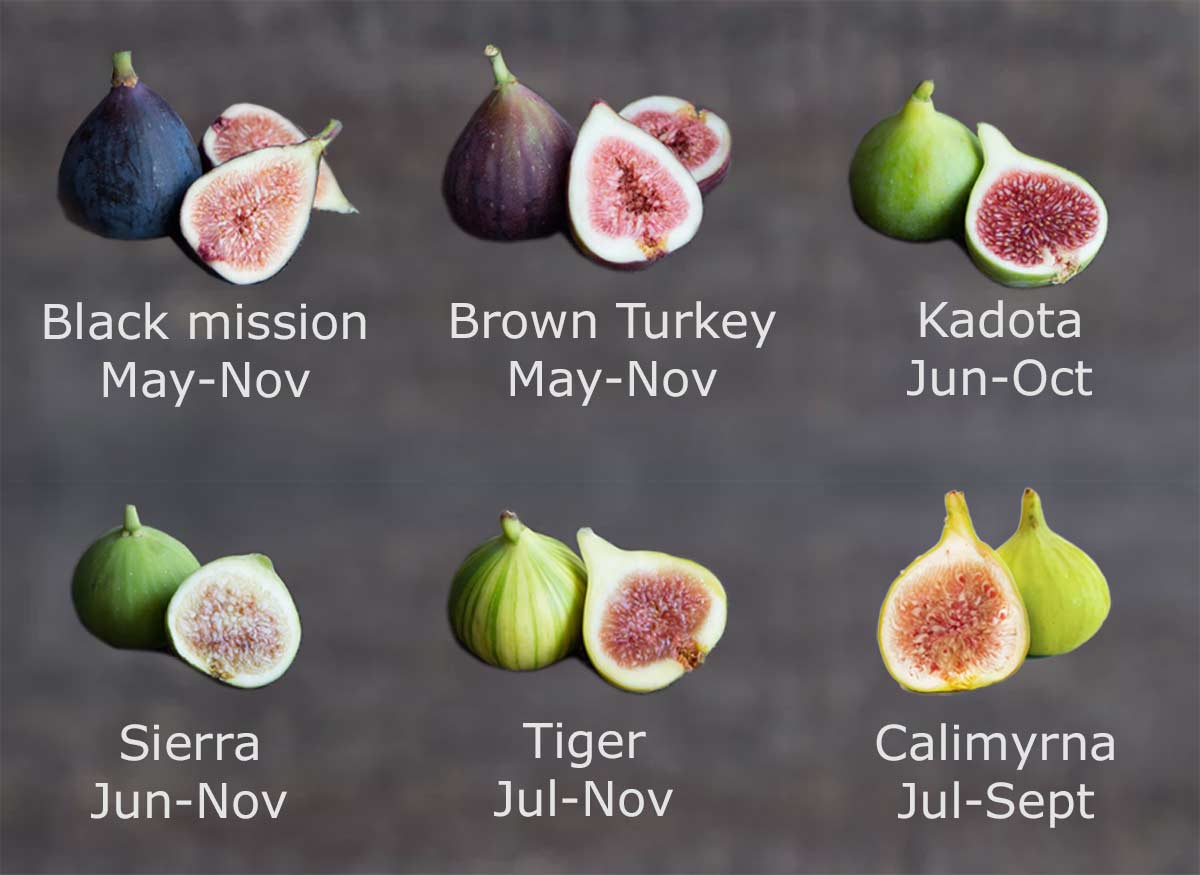
Black Mission Figs: While also a late-season superstar, some early strains of the Black Mission fig can start to ripen in late spring to early summer. These figs, with their deep purple-black skin and ruby-red interior, offer a rich, honey-like sweetness. Their robust flavor makes them versatile for both sweet and savory applications.
-
Kadota Figs: These figs, characterized by their greenish-yellow skin and amber flesh, are known for their mild, sweet flavor and seedless texture, making them a favorite for fresh eating and preserves. Kadota figs typically begin their harvest in early to mid-summer.
The appearance of these early varieties signals the start of fig season, and you’ll begin to see them appearing at local farmers’ markets and specialty grocery stores. Their arrival is often celebrated by chefs and home cooks alike, who eagerly incorporate them into salads, appetizers, and desserts.
The Heart of the Season: Abundance and Variety
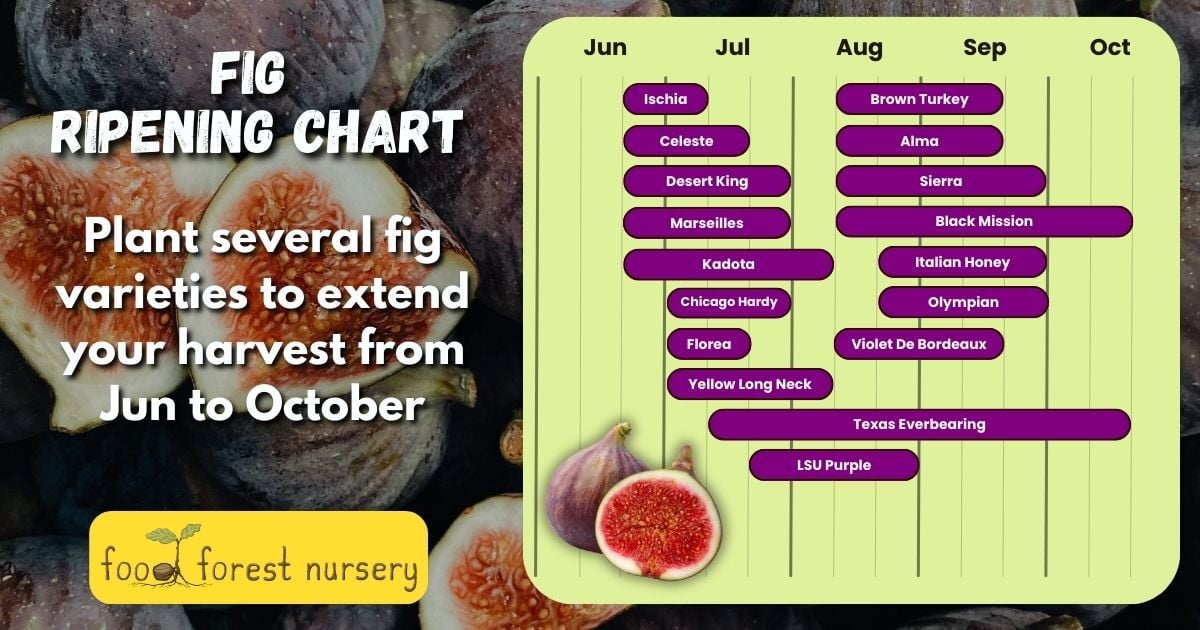
The summer months, particularly from July through September, represent the zenith of fig season in California. This is when the widest array of fig varieties reaches maturity, offering a spectrum of flavors, textures, and colors. The warm sun ripens the fruits to perfection, concentrating their sugars and developing their complex, nuanced tastes.
-
Brown Turkey Figs: A highly popular and prolific variety, Brown Turkey figs are known for their bronze to purplish-brown skin and pinkish flesh. They offer a consistently sweet flavor and a softer texture, making them excellent for fresh consumption and jams. Their season typically peaks from mid-summer into early fall.
-
Calimyrna Figs: These large, greenish-yellow figs boast a rich, nutty flavor and a creamy, honey-sweet interior with a pleasing chewiness from their seeds. Calimyrnas are a California favorite, particularly for their impressive size and delightful taste. Their peak season usually runs from August through September.
-
Black Mission Figs: As the season progresses, the Black Mission fig truly comes into its own. These iconic figs, with their dark, almost black skin and deep crimson flesh, are incredibly sweet and intensely flavored. They are perfect for eating fresh, baking, or drying. Their main harvest period extends from late summer into October.
During these peak months, farmers’ markets across California are a vibrant spectacle of seasonal produce. You’ll find stalls overflowing with these different fig varieties, each offering a unique sensory experience. Don’t hesitate to ask the farmers about their specific crops; they are often happy to share insights into the nuances of each type.
Late Season and Extended Harvests
While the peak of fig season generally concludes by September or early October, some varieties can continue to produce fruit into the cooler months, extending the enjoyment for those who seek them out. The cooler weather can sometimes even enhance the sweetness of certain figs as they develop more sugars for protection.
- Late-Maturing Varieties: Certain strains of Black Mission figs, and other hardy varieties, can continue to bear fruit well into October, and sometimes even November, especially in the warmer regions of Southern California. These late-season figs can be particularly sweet and intensely flavored.
The availability of figs in the later part of the season might be more limited, so it’s wise to keep an eye on your local markets and plan accordingly. Even a few late-season figs can be a delightful way to bid farewell to the summer harvest.
Discovering California’s Fig Havens: From Farmers’ Markets to Culinary Hotspots
California’s commitment to fresh, local produce means that finding delicious figs is often an integral part of the travel experience. The state’s diverse agricultural regions and thriving food culture provide ample opportunities to discover and enjoy figs in their natural habitat and in a myriad of culinary applications.
Farmers’ Markets: The Freshest Pick
For the ultimate fig-finding expedition, look no further than California’s abundant farmers’ markets. These vibrant hubs of local agriculture are where you can connect directly with the growers and procure the freshest, most flavorful figs available.
-
Santa Monica Farmers Market (Los Angeles): Renowned for its exceptional produce, this market, held multiple times a week, is a prime destination for fig enthusiasts. You’ll find a wide variety of figs from numerous local farms.
-
Ferry Plaza Farmers Market (San Francisco): Situated in a picturesque waterfront location, this iconic market offers a curated selection of high-quality produce, including an excellent assortment of figs during their season.
-
Capay Valley Farms (various locations): While not a single market, farms like Capay Valley Farms often sell their produce at various farmers’ markets throughout Northern California. Keep an eye out for their offerings.
-
Santa Barbara Certified Farmers Market: This charming market offers a chance to sample figs from the beautiful Central Coast region, known for its excellent agricultural output.
When visiting these markets, engage with the farmers. They can tell you which varieties are best for eating fresh, which are ideal for cooking, and offer tips on selecting the ripest fruits.
Agricultural Tours and Farm Stays
For a more immersive experience, consider exploring California’s agricultural landscapes through tours or farm stays. Several regions are known for their fig orchards, and some may offer opportunities for visitors to learn about cultivation and even participate in harvests.
-
The Central Valley: This vast agricultural heartland of California is home to numerous fig orchards. While direct-to-consumer farm tours might be less common for figs compared to wine grapes, it’s worth researching specific orchards in areas like Fresno or Madera.
-
Southern California Foothills: Regions around Santa Barbara and Ventura counties also have fig growers who contribute to the state’s supply.
Farm stays or agritourism operations can provide a unique glimpse into the life of a fig farmer. These experiences often include tastings and educational components, offering a deeper appreciation for the fruit.
Culinary Experiences: Figs on the Plate
Beyond the farm gate, California’s celebrated culinary scene eagerly embraces figs during their season. From Michelin-starred restaurants in San Francisco and Los Angeles to casual bistros in smaller towns, you’ll find figs incorporated into a dazzling array of dishes.
-
Fine Dining Restaurants: Many high-end restaurants will feature figs on their menus, often paired with artisanal cheeses, cured meats, or delicate seafood. Look for tasting menus that highlight seasonal produce. Restaurants like The French Laundry in Yountville, though known for its broader culinary excellence, will often showcase peak-season ingredients like figs when available.
-
Farm-to-Table Eateries: Casual restaurants with a strong farm-to-table ethos are another excellent place to find figs. These establishments prioritize local sourcing, so their fig dishes will be at their freshest and most flavorful.
-
Bakeries and Patisseries: Expect to find fig tarts, cakes, scones, and other delightful baked goods featuring fresh or dried figs.
When dining out in California during fig season, don’t hesitate to ask your server about the fig dishes on offer. You might discover innovative preparations that highlight the fruit’s versatility.
Savoring the Flavor: Varieties and Culinary Uses
California’s fig varieties are as diverse as its landscapes, each offering a unique flavor profile and texture that lends itself to specific culinary applications. Understanding these differences can elevate your appreciation and enjoyment of this extraordinary fruit.
A Spectrum of Flavors: Exploring California’s Fig Varieties
California cultivates a remarkable range of fig types, each with its own character. While the exact availability can vary by region and microclimate, these are some of the most commonly found and celebrated varieties:
-
Black Mission: This heritage fig variety, dating back to the Spanish missions, is perhaps the most iconic in California. It features a deep purple to black skin and intensely sweet, ruby-red flesh. Its flavor is rich, honeyed, and slightly earthy, making it a versatile all-rounder. Excellent for eating fresh, drying, and baking.
-
Brown Turkey: A very popular and reliable producer, the Brown Turkey fig has bronze-colored skin and pinkish-red flesh. It offers a milder, sweeter flavor than the Black Mission and a softer texture. It’s a fantastic choice for jams, preserves, and fresh eating, especially for those who prefer a less intensely sweet fig.
-
Calimyrna: This large, greenish-yellow fig is celebrated for its exceptional sweetness and distinct nutty undertones. The flesh is creamy and amber-colored, with small, edible seeds that add a pleasant texture. Calimyrnas are often considered the “king” of fresh figs and are superb in salads or simply drizzled with honey.
-
Kadota: Characterized by its smooth, greenish-yellow skin and amber to rose-colored flesh, the Kadota fig is prized for its mild, sweet flavor and often seedless quality. It holds its shape well when cooked, making it ideal for candying or preserving.
-
Adriatic (White Adriatic): These figs, with their pale green to yellow skin and light pink to reddish flesh, are known for their delicate sweetness and refreshing flavor. They are often used fresh in salads or paired with creamy cheeses.
-
Peter’s Honey: As the name suggests, this variety boasts a pronounced honey-like sweetness with a bright, clean flavor. The skin is typically yellow to greenish, and the flesh is amber. It’s a delightful fig for fresh consumption.
When selecting figs, look for fruits that are plump, slightly soft to the touch, and have a sweet aroma. The stem should be firm, and the skin should be free of blemishes or mold.
From Fresh to Fantastic: Culinary Applications of California Figs
The versatility of figs in the kitchen is truly remarkable. Their natural sweetness and unique texture lend themselves to a wide array of preparations, both sweet and savory.
-
Fresh Consumption: The simplest and arguably the most rewarding way to enjoy figs is fresh. Halve them and enjoy them as is, or serve them with a dollop of mascarpone cheese, a drizzle of local honey, or a sprinkle of sea salt to enhance their sweetness.
-
Salads: Sliced fresh figs are a magnificent addition to green salads, especially those featuring arugula, goat cheese, walnuts, and a balsamic vinaigrette. Their sweetness provides a beautiful counterpoint to peppery greens and tangy cheese.
-
Cheese Pairings: Figs are a classic accompaniment to cheese boards. They pair exceptionally well with soft, creamy cheeses like brie and ricotta, as well as aged varieties like manchego and parmesan.
-
Savory Dishes: Figs can add a touch of sweetness and depth to savory dishes. They are often paired with pork, chicken, and duck, and can be incorporated into stuffings or served as a chutney or relish alongside roasted meats. Prosciutto-wrapped figs are a popular appetizer.
-
Baking and Desserts: Figs are a natural fit for baking. They can be used in cakes, tarts, scones, muffins, and bread puddings. Their concentrated sugars caramelize beautifully when baked, creating rich, sweet flavors.
-
Jams and Preserves: Fig jam or preserves are a classic way to capture the season’s bounty. They are wonderful on toast, with cheese, or as a filling for pastries.
-
Drying: California figs are also excellent for drying. Dried figs are intensely sweet and chewy, making them a great source of energy and a versatile ingredient in trail mixes, baked goods, or as a standalone snack.
By understanding the seasonality of figs in California and exploring the diverse varieties and their culinary potential, you can truly make the most of this delightful fruit during your visit or while recreating its flavors at home. Whether you’re staying at a luxury resort in Napa Valley, exploring the urban attractions of San Francisco, or simply enjoying the laid-back lifestyle of Southern California, the sweet taste of fresh California figs is an experience not to be missed.
LifeOutOfTheBox is a participant in the Amazon Services LLC Associates Program, an affiliate advertising program designed to provide a means for sites to earn advertising fees by advertising and linking to Amazon.com. Amazon, the Amazon logo, AmazonSupply, and the AmazonSupply logo are trademarks of Amazon.com, Inc. or its affiliates. As an Amazon Associate we earn affiliate commissions from qualifying purchases.