
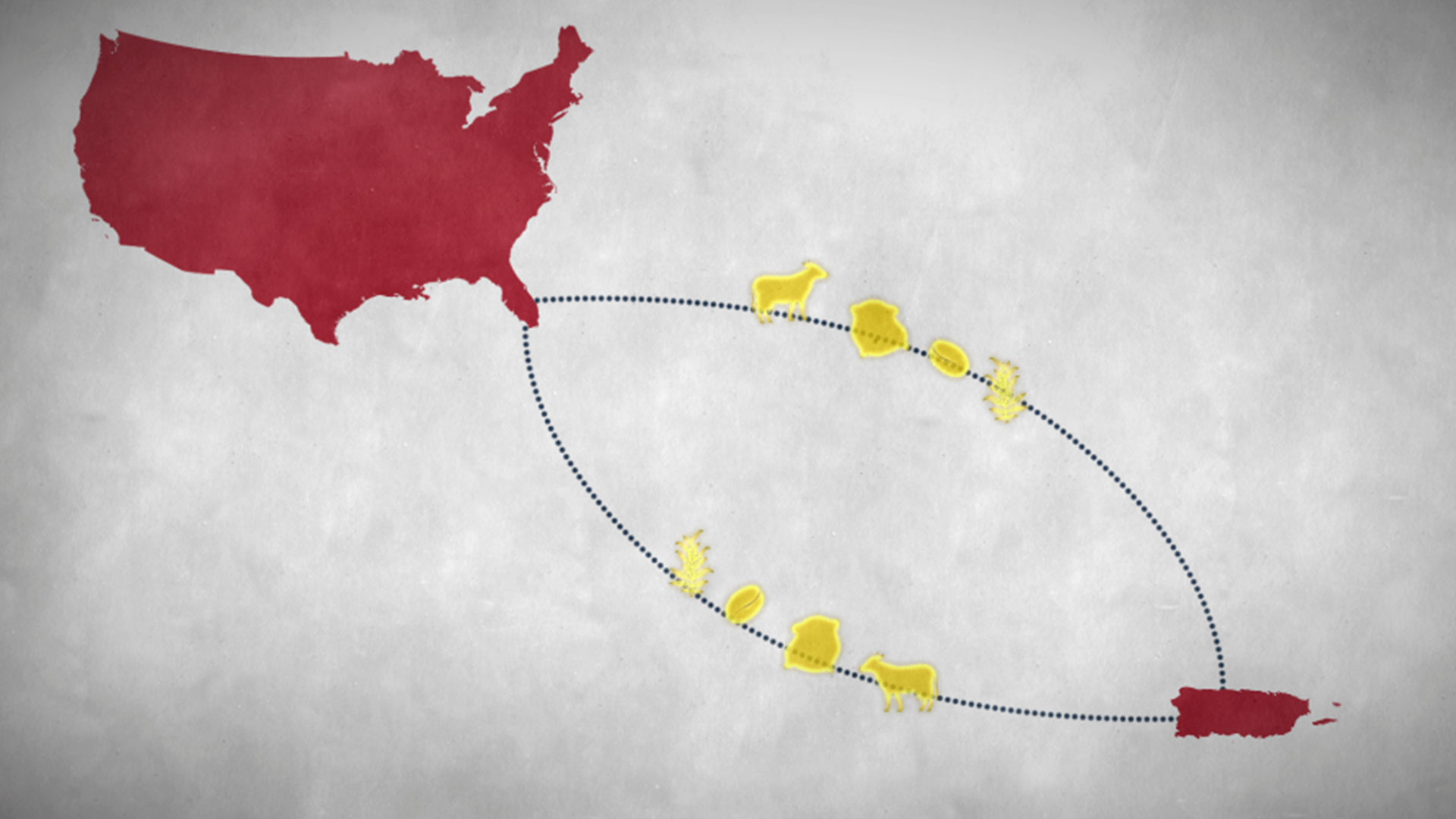
The captivating history of Puerto Rico is intrinsically linked to the broader narrative of American expansion and international relations. Far more than just a tropical paradise, this vibrant Caribbean island boasts a rich tapestry of culture, architecture, and traditions, all profoundly shaped by its complex journey through colonial rule and its unique relationship with the United States. For travelers, understanding this historical acquisition not only enriches their visit but also provides a deeper appreciation for the island’s distinctive identity, its resilient people, and the myriad landmarks that tell its story. From ancient fortifications echoing Spanish colonial power to modern cityscapes buzzing with a blend of American and Puerto Rican influences, the island offers an unparalleled experience for those seeking both relaxation and profound cultural immersion. This article delves into the pivotal moments that led to the United States’ acquisition of Puerto Rico, tracing the events that reshaped its destiny and paved the way for it to become the multifaceted destination it is today, brimming with attractions, unique accommodations, and a vibrant tourism scene.

The Dawn of a New Era: The Spanish-American War and Puerto Rico
The story of Puerto Rico’s acquisition by the United States is firmly rooted in the tumultuous geopolitical landscape of the late 19th century, specifically the Spanish-American War. This conflict, though relatively short-lived, had profound and lasting consequences, redrawing colonial maps and ushering in a new era of American global influence. For decades leading up to 1898, Spain had been a declining imperial power, struggling to maintain control over its remaining overseas possessions, including Cuba, the Philippines, and Puerto Rico. The desire for independence was growing strong within these colonies, fueled by decades of Spanish rule and the revolutionary spirit sweeping across the Americas.
The Spark: Tensions and Conflict
The immediate catalyst for the Spanish-American War was the escalating conflict in Cuba, where a fierce independence movement was met with brutal suppression by Spanish forces. American public opinion was swayed by sensationalist “yellow journalism,” which depicted Spanish atrocities and championed the cause of Cuban liberation. Tensions reached a boiling point with the mysterious explosion and sinking of the USS Maine battleship in Havana Harbor in February 1898. Although the cause of the explosion remains debated, American sentiment largely blamed Spain, pushing the United States to declare war in April 1898. While Cuba was the primary focus, Puerto Rico’s strategic location in the Caribbean and its status as a Spanish territory made it an inevitable target. The war quickly expanded beyond Cuba to include the Philippines in the Pacific Ocean and Puerto Rico in the Atlantic Ocean, signifying America’s burgeoning interest in becoming a global power.
Military Conquest and the Shift in Sovereignty
The invasion of Puerto Rico commenced on July 25, 1898, when Major General Nelson A. Miles led American troops ashore at Guánica on the island’s southwestern coast. The American campaign was relatively swift and met with less resistance than in Cuba. Many Puerto Ricans, weary of Spanish colonial rule, initially welcomed the Americans as liberators, hoping for greater autonomy or even independence. The U.S. forces advanced across the island, engaging Spanish troops in various skirmishes, but the war itself was drawing to a close. Less than three weeks after the invasion began, a cease-fire was declared on August 12, 1898, effectively ending hostilities. The short duration of the conflict and the efficiency of the American military campaign underscored Spain’s declining power and the rising dominance of the United States on the world stage. This military occupation marked the definitive end of Spanish sovereignty over Puerto Rico and the beginning of its complex relationship with a new colonial power. For contemporary travelers, the remnants of this era can be seen in the various Spanish-era military fortifications that dot the island, offering a tangible link to its tumultuous past.
From Military Rule to Civilian Administration: Defining a New Relationship
The conclusion of the Spanish-American War did not immediately clarify Puerto Rico’s future. Following the cease-fire, the island entered a period of military rule under the United States. This interim period was crucial as policymakers in Washington D.C. debated the legal and political status of the newly acquired territories. Unlike Cuba, which was granted independence (albeit with significant U.S. oversight), Puerto Rico was deemed a strategic possession, critical for U.S. naval interests in the Caribbean and as a coaling station for ships traversing the soon-to-be-built Panama Canal. This decision laid the groundwork for a unique and evolving political relationship, a journey from military occupation to a form of civilian administration that continues to define Puerto Rico’s status as an unincorporated territory.
The Treaty of Paris (1898) and its Aftermath
The official transfer of sovereignty over Puerto Rico occurred with the signing of the Treaty of Paris (1898) on December 10, 1898, in Paris, France. This treaty formally ended the Spanish-American War and stipulated that Spain would cede Cuba (which became independent), sell the Philippines for $20 million, and relinquish all claims to Puerto Rico and Guam to the United States. The treaty explicitly stated that “the civil rights and political status of the native inhabitants of the territories hereby ceded to the United States shall be determined by the Congress.” This crucial clause meant that Puerto Ricans were not immediately granted U.S. citizenship or the full rights afforded to citizens of states. Instead, their future was placed squarely in the hands of the U.S. Congress, setting the stage for decades of debate and legislative action regarding the island’s political status. This historical moment is significant for travelers as it explains the unique blend of legal and cultural systems found on the island, influencing everything from local governance to the judicial system, and forming part of its compelling narrative.
Shaping Governance: The Foraker Act and Jones-Shafroth Act
The immediate aftermath of the Treaty of Paris (1898) saw the U.S. Congress grappling with how to govern its new insular possessions. The first major piece of legislation to define Puerto Rico’s relationship with the United States was the Foraker Act (officially the Organic Act of 1900), signed into law on April 12, 1900. This act established a civilian government for Puerto Rico, replacing military rule. It created a governor and an executive council appointed by the U.S. President, and a House of Representatives elected by Puerto Ricans. Importantly, it declared Puerto Rico an “unincorporated territory,” meaning that only fundamental parts of the U.S. Constitution applied to the island, and its inhabitants were deemed “citizens of Puerto Rico” under U.S. protection, but not U.S. citizens.
Further significant changes came with the Jones-Shafroth Act (officially the Organic Act of 1917), enacted on March 2, 1917. This landmark legislation granted U.S. statutory citizenship to Puerto Ricans, meaning it could be revoked by Congress. It also established a Bill of Rights for the island and reorganized the government, creating an elected Senate in addition to the House of Representatives. While granting citizenship was a major step, it did not confer the same rights as state citizenship, notably the right to vote in U.S. presidential elections and full representation in Congress. These acts represent critical milestones in Puerto Rico’s political evolution, shaping its unique status and influencing its socio-economic development. For visitors, understanding these legislative foundations helps contextualize the local political discourse, the blend of languages, and the rich cultural expressions that reflect both American and distinct Puerto Rican identities.

Puerto Rico Today: A Vibrant Destination For Travelers
Today, Puerto Rico stands as a testament to its complex history, evolving from a former Spanish colony and a U.S. acquisition into a dynamic and diverse travel destination. Its unique political status as an unincorporated territory of the United States has fostered a vibrant fusion of cultures, evident in its language, cuisine, music, and way of life. For travelers, this rich historical backdrop translates into an extraordinary array of experiences, combining the conveniences of a U.S. territory with the exotic allure of the Caribbean. The island offers something for every type of visitor, from history buffs keen to explore ancient fortifications to adventurers eager to discover lush rainforests and bioluminescent bays, all while enjoying world-class accommodation and tantalizing local flavors.
Echoes of History: Landmarks and Culture
The historical journey of Puerto Rico is vividly preserved in its magnificent landmarks. The capital city, San Juan, is a living museum, particularly its historic district of Old San Juan. Here, cobblestone streets wind past brightly colored colonial buildings, leading to formidable fortifications like El Morro (Castillo San Felipe del Morro) and Castillo San Cristobal. These UNESCO World Heritage Sites, built by the Spanish to defend against invaders, now offer visitors a tangible connection to centuries of history, from Spanish colonial rule to the strategic importance of Puerto Rico during the Spanish-American War and beyond. Exploring these sites provides a powerful understanding of the island’s past, revealing the layers of defense, power, and cultural exchange that shaped its identity. Beyond the capital, towns like Ponce, known as the “Pearl of the South,” offer stunning examples of colonial architecture and a vibrant art scene. The island’s culinary landscape is another reflection of its history, blending indigenous Taíno, Spanish, and African influences with American touches, creating a unique “cocina criolla” that is a must-try for any food enthusiast. Festivals, music, and art further showcase a culture proud of its heritage while embracing modernity, making every street corner an opportunity for cultural discovery.
Experiencing Puerto Rico: Travel, Tourism, and Accommodation
Puerto Rico’s appeal extends far beyond its historical sites. The island is a premier travel destination offering an incredibly diverse range of activities. Nature lovers can explore the only tropical rainforest in the U.S. National Forest System, El Yunque National Forest, with its cascading waterfalls, hiking trails, and unique biodiversity. For those seeking pristine beaches, the island boasts some of the world’s finest, from the lively shores of Luquillo Beach to the secluded white sands of Flamenco Beach on the offshore island of Culebra. A truly magical experience awaits at the bioluminescent bays, particularly Mosquito Bay on Vieques and La Parguera on the main island, where microscopic organisms light up the water at night.
The tourism infrastructure is robust, catering to every style of travel. Accommodation options range from luxurious beachfront resorts in areas like Condado and Isla Verde, offering top-tier amenities and suites, to charming boutique hotels in Old San Juan, and even eco-lodges closer to natural attractions. Whether you’re planning a family trip, a romantic getaway, or a business stay, you’ll find suitable booking options. Many hotels and resorts offer comprehensive guides and tips to help visitors maximize their stay, including information on local culture, food tours, and adventurous activities. The convenience of using the U.S. dollar, easy air travel from the mainland, and no passport requirement for U.S. citizens make it an exceptionally accessible destination.
Planning Your Puerto Rico Adventure: A Lifestyle Choice
Choosing Puerto Rico for your next getaway is more than just selecting a destination; it’s embracing a lifestyle rich in culture, adventure, and relaxation. The island caters to a wide spectrum of preferences, from those seeking luxury travel experiences to budget-conscious explorers. Its unique blend of historical significance, natural beauty, and vibrant contemporary culture makes it a truly unparalleled place to visit. For U.S. citizens, the ease of domestic travel—no passport required—further enhances its appeal, allowing for a seamless transition into a world that feels both familiar and wonderfully exotic.
Must-Visit Attractions and Experiences
To fully immerse yourself in the Puerto Rican spirit, consider incorporating a variety of attractions and experiences into your itinerary. Beyond the iconic forts of Old San Juan and the enchanting trails of El Yunque National Forest, delve deeper into the island’s natural wonders. Take a kayak tour of a bioluminescent bay in Fajardo, or dive into the underwater marvels of the Caribbean Sea with snorkeling or scuba diving excursions. For a unique underground adventure, explore the vast cave systems of Rio Camuy Cave Park near Arecibo, offering impressive geological formations. Though currently undergoing restoration, the famous Arecibo Observatory has also been a significant landmark, showcasing the island’s contribution to scientific research.
Cultural immersion is key to understanding Puerto Rico. Participate in a salsa dancing class, learn about the coffee-growing process at a local hacienda, or simply enjoy the lively street art and music found throughout San Juan and other towns. Don’t forget to savor the local cuisine, from savory mofongo to refreshing piña coladas (which were invented in Puerto Rico). Each meal is an opportunity to taste the fusion of cultures that defines the island. Whether you’re planning a thrilling adventure or a relaxing escape, Puerto Rico offers an abundance of memorable moments, promising a trip filled with discovery and delight.
Accommodation Options for Every Traveler
Finding the perfect accommodation is essential for any successful trip, and Puerto Rico provides an extensive range to suit every budget and style. For those seeking luxury travel, areas like Dorado Beach offer five-star resorts with private villas, gourmet dining, and world-class spas, perfect for an indulgent escape. In vibrant districts like Condado and Isla Verde, you’ll find renowned hotels and suites boasting beachfront access, infinity pools, and all the modern amenities one could desire, catering to both family trips and business stays.
If you’re looking for a more authentic or budget travel experience, consider charming boutique hotels or guesthouses in Old San Juan or Ponce, which often feature historic architecture and personalized service. Vacation apartments and villas are also popular, especially for long-term stays or larger groups, providing more space and a home-away-from-home feel. Platforms offering booking, reviews, and comparison tools make it easy to find the perfect fit. From serene mountain retreats to lively city hotels, the choices are abundant, ensuring that every traveler can find their ideal base for exploring the beauty and history of Puerto Rico, a truly exceptional destination shaped by a compelling past.
The acquisition of Puerto Rico by the United States was a pivotal moment stemming from the Spanish-American War and solidified by the Treaty of Paris (1898) and subsequent acts. This historical journey has molded Puerto Rico into the vibrant, culturally rich, and incredibly diverse travel destination it is today. Understanding its past is not just an academic exercise; it’s an essential guide to appreciating the island’s unique charm, its proud heritage, and the endless experiences it offers every visitor.
LifeOutOfTheBox is a participant in the Amazon Services LLC Associates Program, an affiliate advertising program designed to provide a means for sites to earn advertising fees by advertising and linking to Amazon.com. Amazon, the Amazon logo, AmazonSupply, and the AmazonSupply logo are trademarks of Amazon.com, Inc. or its affiliates. As an Amazon Associate we earn affiliate commissions from qualifying purchases.