
The enigmatic allure of the song “Hotel California” by the legendary band Eagles has captivated audiences for decades. Its evocative lyrics, haunting melody, and ambiguous narrative have sparked countless interpretations, debates, and fan theories. However, a curious phenomenon has emerged in recent times: the apparent difficulty, and in some cases, the outright inability, to find official or widely recognized music videos or full audio versions of “Hotel California” on YouTube. This has led many to question whether the iconic track is, in fact, “banned” from the platform. While the term “banned” might be an oversimplification, the situation is indeed rooted in complex issues of copyright, licensing, and the evolving landscape of digital music distribution.

The core of the issue lies not in any deliberate censorship by YouTube itself, but rather in the stringent control the Eagles and their record label, Warner Music Group, exert over the intellectual property associated with their music. For a song as commercially significant and artistically revered as “Hotel California,” maintaining control over its distribution and presentation is paramount. This control extends to how and where the music is made available, especially on a platform like YouTube, which has grappled with copyright infringement since its inception.
The Tangled Web of Copyright and Licensing
Understanding Digital Rights Management
In the digital age, music rights are intricate. When a song like “Hotel California” is released, ownership typically resides with the performing artists (Eagles), the songwriters, and the record label (Warner Music Group). These entities hold the copyrights to the musical composition and the sound recording. For any entity, including YouTube, to legally host and stream this music, they must obtain the necessary licenses.
These licenses are not a one-size-fits-all affair. They can be complex, involving agreements for streaming, synchronization (for use in videos), mechanical rights (for reproduction), and public performance rights. The record labels, acting on behalf of the artists, meticulously manage these rights to ensure they are compensated appropriately and that the integrity of their releases is maintained.
YouTube’s Content ID System
YouTube employs a sophisticated system called Content ID. This automated system scans uploaded videos for copyrighted material, including music, and compares it against a database of protected content submitted by rights holders. When a match is found, the rights holder has several options: they can choose to block the video, monetize it by running ads on it, or track its viewership.
In the case of “Hotel California,” it’s highly probable that Warner Music Group, as the rights holder, has configured Content ID to prevent unauthorized uploads of the official song or music video. This means that if an individual uploads a version of the song without proper licensing, Content ID would likely flag it, leading to its removal or the imposition of restrictions. This proactive stance by the rights holders is a common strategy to protect their valuable assets and revenue streams.
The Ambiguity of the “Banned” Narrative
Official Releases vs. Fan Uploads
It’s crucial to distinguish between an official “ban” and the absence of certain types of content. It’s unlikely that YouTube has a blanket policy against the song itself. Instead, the absence of easily accessible, high-quality official music videos or full studio versions of “Hotel California” is likely due to the rights holders’ deliberate choices regarding its digital distribution on the platform.
For instance, while you might struggle to find the original 1976 music video or a pristine audio upload of the studio version, you might still encounter live performances by the Eagles, covers by other artists, or even fan-made compilations of the song. These uploads may exist because they fall under different licensing agreements or have been uploaded by entities with a direct relationship with the rights holders. Live performances, for example, might have different usage rights than studio recordings.
Strategic Content Management by the Eagles
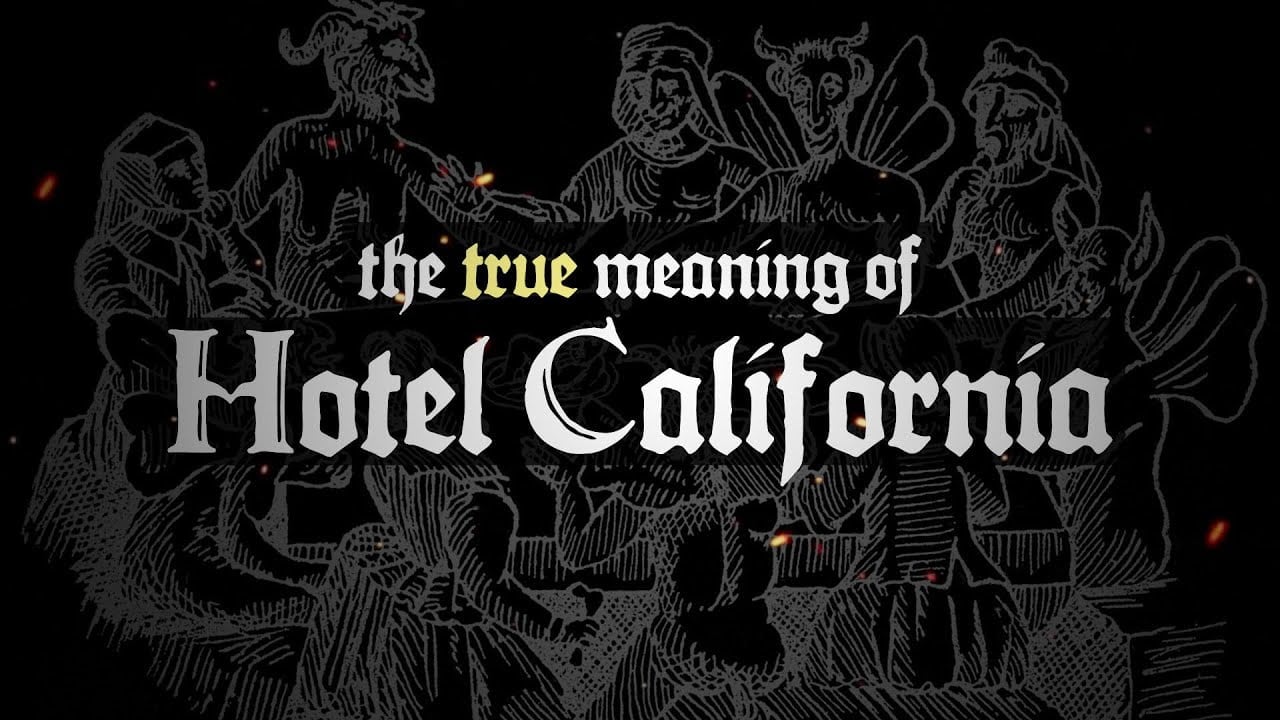
The Eagles are known for being quite protective of their legacy and their music. They have historically maintained tight control over their discography and how it is presented to the public. This control extends to their digital presence. It’s possible that they, in conjunction with Warner Music Group, have opted to limit the availability of “Hotel California” on platforms like YouTube for strategic reasons.
This could be to encourage the purchase of their albums, to direct fans to their official website or curated streaming platforms, or perhaps even to maintain an air of exclusivity around certain seminal works. In a landscape where music is often consumed passively through algorithms and endless scrolling, rights holders might choose to curate more intentional listening experiences. This might involve presenting their music through official channels that offer higher fidelity, exclusive content, or a more controlled user experience.
What This Means for Music Enthusiasts and Travelers
The situation with “Hotel California” on YouTube highlights a broader trend in the music industry: the constant negotiation between accessibility and intellectual property rights. For fans, it can be frustrating to encounter such hurdles when trying to access a beloved piece of music.
Seeking Alternative Avenues for Enjoyment
Despite the perceived restrictions on YouTube, dedicated fans can still find ways to experience “Hotel California.” Official streaming services like Spotify, Apple Music, and others invariably feature the song, often with high-quality audio. These platforms have robust licensing agreements with record labels, ensuring legal and compensated access. Furthermore, purchasing the song or the album “Hotel California” directly from digital music stores or physical retailers remains a definitive way to own and enjoy the track.
The Song’s Enduring Legacy Beyond Digital Platforms
The “banning” on YouTube, while a point of contention for some, does little to diminish the song’s cultural impact. “Hotel California” remains a touchstone in popular music, resonating with themes of excess, the allure of the unknown, and the often deceptive nature of paradise. Its narrative has inspired countless interpretations, from allegorical tales of addiction and fame to more literal readings of a mysterious desert inn.
The song’s mystique is such that it continues to be a topic of conversation, a subject of academic study, and a source of inspiration for artists and writers. While its absence from certain corners of YouTube might be a technicality of digital rights, the song’s spirit lives on through its powerful lyrics and unforgettable melody, finding its audience through various means that transcend the limitations of a single platform.

The Hotel California Myth and Travel Inspiration
Interestingly, the song’s title and lyrical imagery have even inspired interpretations related to real-world travel destinations. While there isn’t a literal “Hotel California” that matches the song’s sinister yet seductive description, the title has been associated with various hotels and locations, particularly in California and Mexico, that evoke a sense of mystery, faded glamour, or a unique, almost surreal atmosphere.
Many travelers are drawn to places that carry a certain mystique, a feeling of stepping into a story. The song “Hotel California” has, in its own way, contributed to this romanticized perception of certain travel experiences. It speaks to the desire to uncover hidden gems, to explore places that feel steeped in history and legend, and to perhaps encounter the unexpected.
The allure of the song lies in its ability to paint a vivid, albeit unsettling, picture. It conjures images of endless nights, tantalizing promises, and a pervasive sense of being trapped by one’s own desires. This narrative resonates with the adventurous spirit of travel, where one seeks experiences that are out of the ordinary, that challenge perceptions, and that leave a lasting impression.
The search for places that echo the song’s atmosphere is a testament to its enduring power. While the song itself might not be readily available on every YouTube channel, its influence on our imagination, and our desire to seek out the enigmatic and the extraordinary in our travels, remains undeniable. Whether it’s a dimly lit bar in a historic Los Angeles hotel, a remote desert resort with a storied past, or a charming but slightly eerie guesthouse on the coast, the spirit of “Hotel California” continues to inspire the quest for unique travel experiences that blur the lines between reality and myth.
Ultimately, the question of why “Hotel California” might seem “banned” on YouTube is a complex interplay of copyright law, digital distribution strategies, and the inherent value of one of rock music’s most enduring anthems. It serves as a reminder that in the digital realm, access is often dictated by ownership, and the pursuit of artistic legacy can sometimes lead to intriguing limitations, even for songs that have achieved near-universal recognition.
LifeOutOfTheBox is a participant in the Amazon Services LLC Associates Program, an affiliate advertising program designed to provide a means for sites to earn advertising fees by advertising and linking to Amazon.com. Amazon, the Amazon logo, AmazonSupply, and the AmazonSupply logo are trademarks of Amazon.com, Inc. or its affiliates. As an Amazon Associate we earn affiliate commissions from qualifying purchases.