
Chicago, a vibrant metropolis nestled along the shores of Lake Michigan, is a city renowned for its stunning architecture, world-class museums, delicious food scene, and a palpable sense of community. Often lauded for its distinct character, one of the most intriguing aspects of Chicago is its intricate tapestry of neighborhoods, each boasting its own unique history, culture, and atmosphere. The question of “how many neighborhoods are in Chicago?” isn’t as simple as a single number; it’s a reflection of the city’s rich and layered identity, a subject of fascination for both residents and visitors alike.

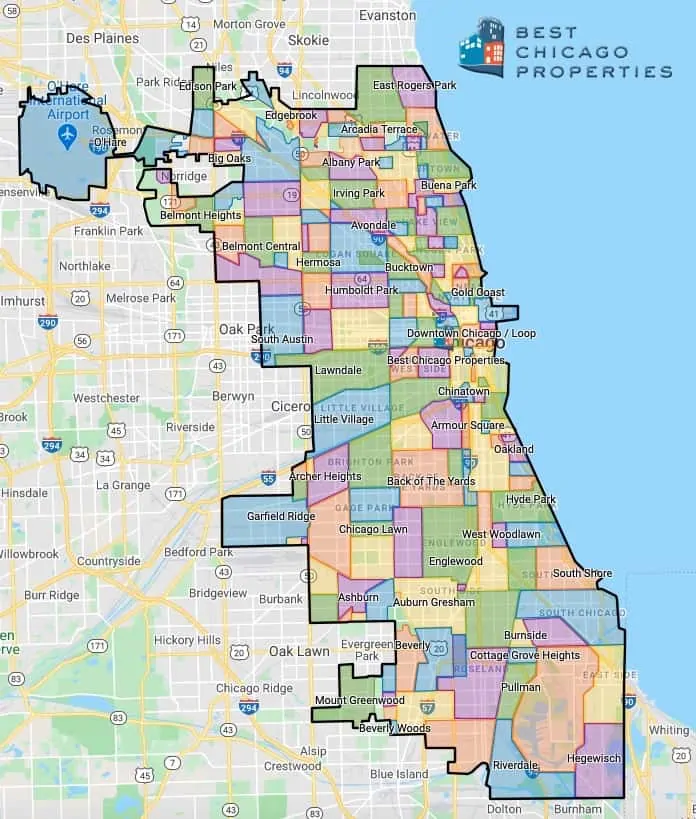
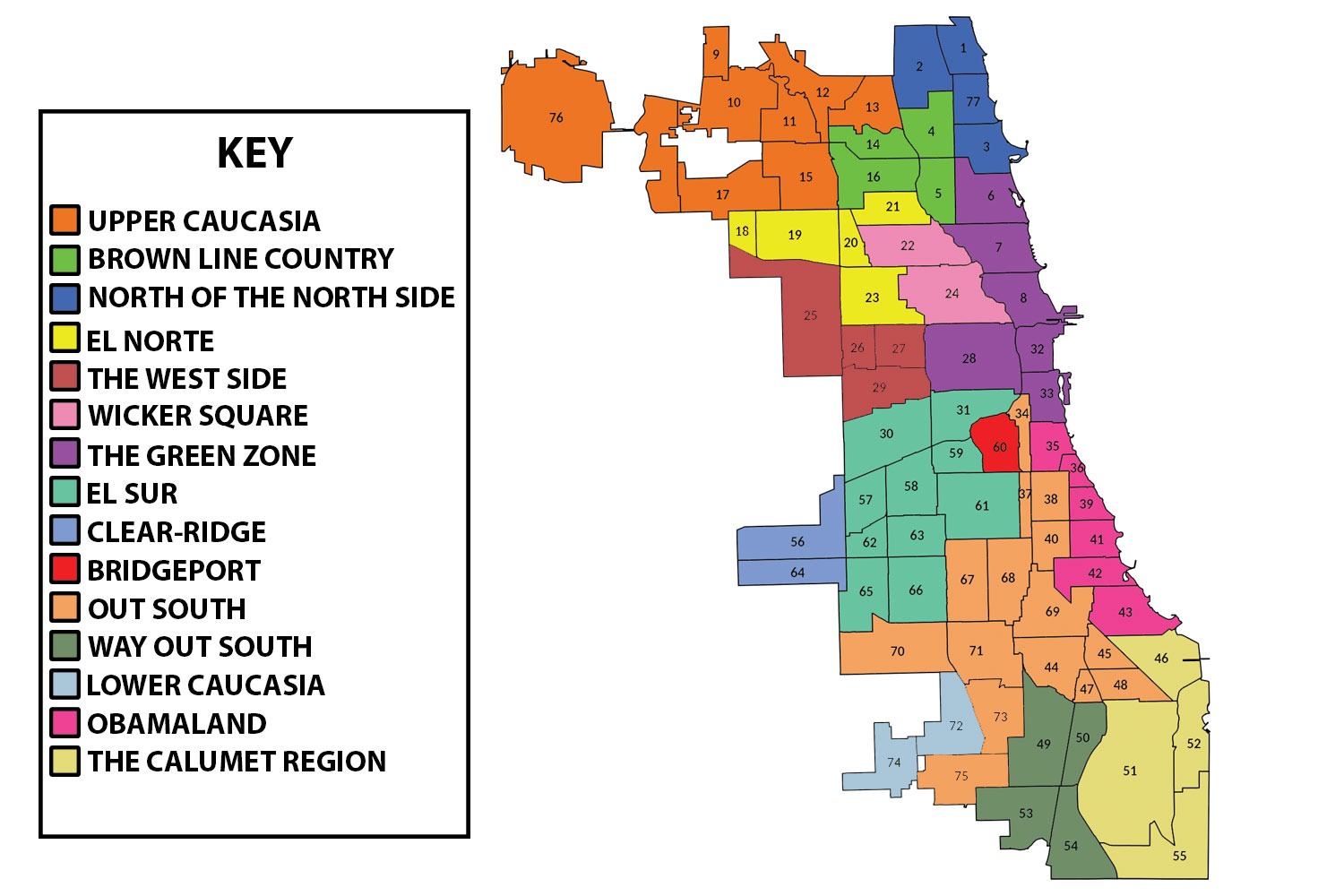
While there’s no universally agreed-upon, definitive count, most urban planners and city officials point to an established framework that helps define these distinct enclaves. The official City of Chicago planning department, for instance, often categorizes the city into 77 community areas. These community areas, meticulously defined, serve as fundamental building blocks for data collection, planning, and understanding the city’s diverse demographics. However, within these larger community areas, residents and real estate professionals often identify an even greater number of smaller, more intimate neighborhoods, each with its own character and charm. This means the “true” number is fluid, a dynamic reflection of how people experience and perceive their city.
Understanding Chicago’s Neighborhood Framework
The City of Chicago’s official designation of 77 community areas provides a standardized way to understand the city’s geography and demographics. These areas were established in the 1920s by the University of Chicago’s sociology department as part of a comprehensive study of urban life. Over time, they have become the de facto standard for official city planning and statistical analysis. Each of these 77 community areas is further divided into smaller sub-neighborhoods, giving rise to a more granular understanding of the city’s urban fabric.
This dual classification – the larger, official community areas and the more locally recognized neighborhoods – is key to appreciating the complexity of Chicago’s identity. For a tourist looking to explore, understanding this distinction can significantly enhance their experience. It allows for a deeper dive into the specific offerings of each locale, from the bustling streets of Lincoln Park to the historic charm of Wicker Park or the vibrant energy of Pilsen.
The 77 Community Areas: A Foundation for Exploration
The 77 community areas offer a broad overview, a strategic map for navigating Chicago’s vast urban landscape. These areas often encompass several distinct neighborhoods, each contributing to the overall character of the larger zone. For example, the community area known as Lake View includes not only the popular neighborhood of Lakeview itself but also areas like Wrigleyville, known for Wrigley Field, and Boystown, a historic LGBTQ+ hub. Similarly, the Near North Side community area encompasses iconic districts like the Gold Coast, Old Town, and the Magnificent Mile.
When planning a trip, understanding these 77 community areas can help you strategically group your explorations. If you’re interested in historical architecture and fine dining, you might focus on community areas like the Loop or the Near North Side. For a more bohemian vibe with independent boutiques and art galleries, areas like Wicker Park or Humboldt Park might be your target. The beauty of Chicago lies in its ability to offer such diverse experiences within relatively close proximity, and the 77 community areas provide a logical starting point for uncovering these treasures.
Beyond the Official Count: The Nuances of Neighborhood Identity
While the 77 community areas are essential for official purposes, the lived experience of Chicagoans often involves recognizing a far greater number of individual neighborhoods. These smaller enclaves, often identified by local residents, real estate agents, and community organizations, possess their own unique identities, often shaped by historical development, ethnic enclaves, or distinct architectural styles. For instance, within the larger community area of South Shore, you might find the distinct neighborhoods of South Shore Country Club and the charming residential streets that give the area its name.
These smaller neighborhoods offer a more intimate glimpse into Chicago’s soul. They are where you’ll find the independent coffee shops, the beloved local diners, the hidden parks, and the community gardens that truly define a place. For travelers seeking an authentic experience, delving into these specific neighborhoods is paramount. It’s about understanding the subtle shifts in atmosphere, the local dialects, and the unspoken histories that make each corner of Chicago special.
Exploring Chicago’s Diverse Neighborhoods: A Traveler’s Guide
When you plan a visit to Chicago, the sheer variety of neighborhoods can be both exciting and a little overwhelming. Each offers a distinct flavor, catering to different interests and travel styles. Whether you’re a culture vulture, a foodie, a history buff, or simply looking to soak in the local ambiance, there’s a Chicago neighborhood designed for you.
North Side Charm: From Parks to Bohemian Vibes
The northern areas of Chicago are incredibly diverse, offering a mix of bustling urban energy and relaxed residential streets. Lincoln Park, for example, is a beloved destination, renowned for its expansive namesake park, which houses the Lincoln Park Zoo, the Lincoln Park Conservatory, and numerous recreational facilities. Adjacent to the park, the neighborhood itself offers a sophisticated blend of upscale boutiques, trendy restaurants, and historic brownstones.
Further north, Lakeview is a vibrant and inclusive community, famous for Wrigleyville, the historic home of the Chicago Cubs. Even if you’re not a baseball fan, the energy on game days is infectious. Lakeview also boasts a lively nightlife scene and a wide array of dining options. For those seeking a more artistic and bohemian atmosphere, Wicker Park and Bucktown are must-visits. These neighborhoods are a hub for independent shops, vintage stores, art galleries, and a thriving live music scene, embodying a creative spirit that attracts artists and trendsetters.
Downtown Delights: Architecture, Art, and the Riverwalk
The heart of Chicago beats in its downtown core, a collection of neighborhoods that are iconic landmarks in themselves. The Loop, the central business district, is a marvel of architectural innovation. Taking an architectural boat tour along the Chicago River is an essential Chicago experience, offering unparalleled views of skyscrapers designed by legendary architects like Mies van der Rohe and Frank Lloyd Wright. The Loop is also home to major cultural institutions, including the Art Institute of Chicago and the Chicago Cultural Center.
Just north of the Loop lies the Magnificent Mile, a stretch of Michigan Avenue renowned for its high-end shopping, luxury hotels like the Four Seasons Hotel Chicago, and grand buildings. This area seamlessly blends retail therapy with impressive urban design. The Riverwalk, a pedestrian promenade along the Chicago River, offers a unique urban oasis with cafes, bars, and stunning city views, providing a different perspective on the city’s dynamic landscape.
West Side Stories: History, Culture, and Culinary Adventures
The western neighborhoods of Chicago offer a rich tapestry of history, diverse cultures, and burgeoning culinary scenes. Pilsen, historically a center for Mexican-American culture, is now celebrated for its vibrant street art, authentic taquerias, and lively community events. Its murals tell stories of heritage and resilience, making it a visually captivating destination.
Humboldt Park, named after its sprawling namesake park, is another neighborhood with a strong Puerto Rican influence, evident in its music, food, and festivals. The park itself is a green haven, offering opportunities for recreation and relaxation. Further west, areas like Oak Park are famous for being the birthplace and lifelong home of architect Frank Lloyd Wright, with many of his groundbreaking designs still standing, offering a pilgrimage site for architecture enthusiasts. These west side neighborhoods offer a more grounded, authentic Chicago experience, rich in tradition and brimming with local flavor.
Accommodation and Experiences in Chicago’s Neighborhoods
Choosing where to stay in Chicago often hinges on the specific experience you’re seeking. The city’s diverse neighborhoods offer a wide spectrum of accommodation options, from luxurious hotels to charming boutique apartments, catering to every budget and travel style. Whether you’re planning a budget-friendly family trip or a lavish business stay, Chicago has a neighborhood and an abode that will suit your needs.
Hotels and Resorts: Finding Your Perfect Base
For those who prefer the convenience and amenities of a hotel, Chicago boasts an impressive array of options. Downtown, particularly around the Magnificent Mile and the Loop, you’ll find a concentration of world-class hotels such as the Fairmont Chicago, The Langham Chicago, and the Waldorf Astoria Chicago. These hotels offer easy access to major attractions, business districts, and a high level of service.
Beyond the city center, you can discover unique lodging experiences. Consider staying in a boutique hotel in Lincoln Park for a more residential feel, or explore serviced apartments in areas like the West Loop, known for its burgeoning restaurant scene. For families, resorts and hotels with family-friendly amenities can be found scattered throughout the city, often offering swimming pools and spacious rooms. If luxury travel is your aim, Chicago’s top-tier hotels provide opulent suites and unparalleled service, making your stay a truly indulgent experience.
Apartments and Villas: For a Homely Stay
For travelers who prefer more space, privacy, or a longer-term stay, renting an apartment or villa can be an ideal choice. Platforms offering vacation rentals provide opportunities to live like a local in charming neighborhoods like Wicker Park or Lincoln Park. These options are particularly appealing for families or groups traveling together, offering communal living spaces and kitchens, which can help manage travel costs.
Long-term stay accommodations are also readily available, catering to those on extended business trips or extended vacations. These often come with the comforts of home, including fully equipped kitchens and laundry facilities, making them a practical choice for settling in. Whether you’re seeking a modern loft in the West Loop or a vintage apartment in Old Town, Chicago’s rental market offers a diverse selection to match your lifestyle.
Experiencing Local Culture and Cuisine
No exploration of Chicago’s neighborhoods would be complete without immersing yourself in its local culture and culinary delights. Each area offers a distinct gastronomic adventure, from the deep-dish pizza that Chicago is famous for to diverse international cuisines. In Pilsen, savor authentic Mexican flavors. In Chinatown, explore a vibrant culinary landscape. The West Loop has become a mecca for foodies, with a high concentration of critically acclaimed restaurants.
Beyond food, engage with the local arts scene. Visit galleries in Wicker Park, catch a show in the Theater District, or explore the street art that adorns many neighborhoods. Attend local festivals, farmers’ markets, and community events to truly connect with the spirit of Chicago. Understanding and experiencing these neighborhood-specific cultural offerings will undoubtedly enrich your visit, transforming a simple trip into a profound exploration of this remarkable American city.
LifeOutOfTheBox is a participant in the Amazon Services LLC Associates Program, an affiliate advertising program designed to provide a means for sites to earn advertising fees by advertising and linking to Amazon.com. Amazon, the Amazon logo, AmazonSupply, and the AmazonSupply logo are trademarks of Amazon.com, Inc. or its affiliates. As an Amazon Associate we earn affiliate commissions from qualifying purchases.