
Tucson, Arizona, a vibrant city nestled in the heart of the Sonoran Desert, beckons travelers with its unique blend of cultural heritage, stunning natural landscapes, and a climate that largely dictates the rhythm of life. Understanding the weather in Tucson is paramount for anyone planning a visit, whether they’re seeking adventure in its iconic desert parks, indulging in its culinary delights, or simply looking for a comfortable base for their explorations. This guide delves into the nuances of Tucson’s climate, offering insights that will help you pack wisely and plan your itinerary to make the most of your desert getaway.
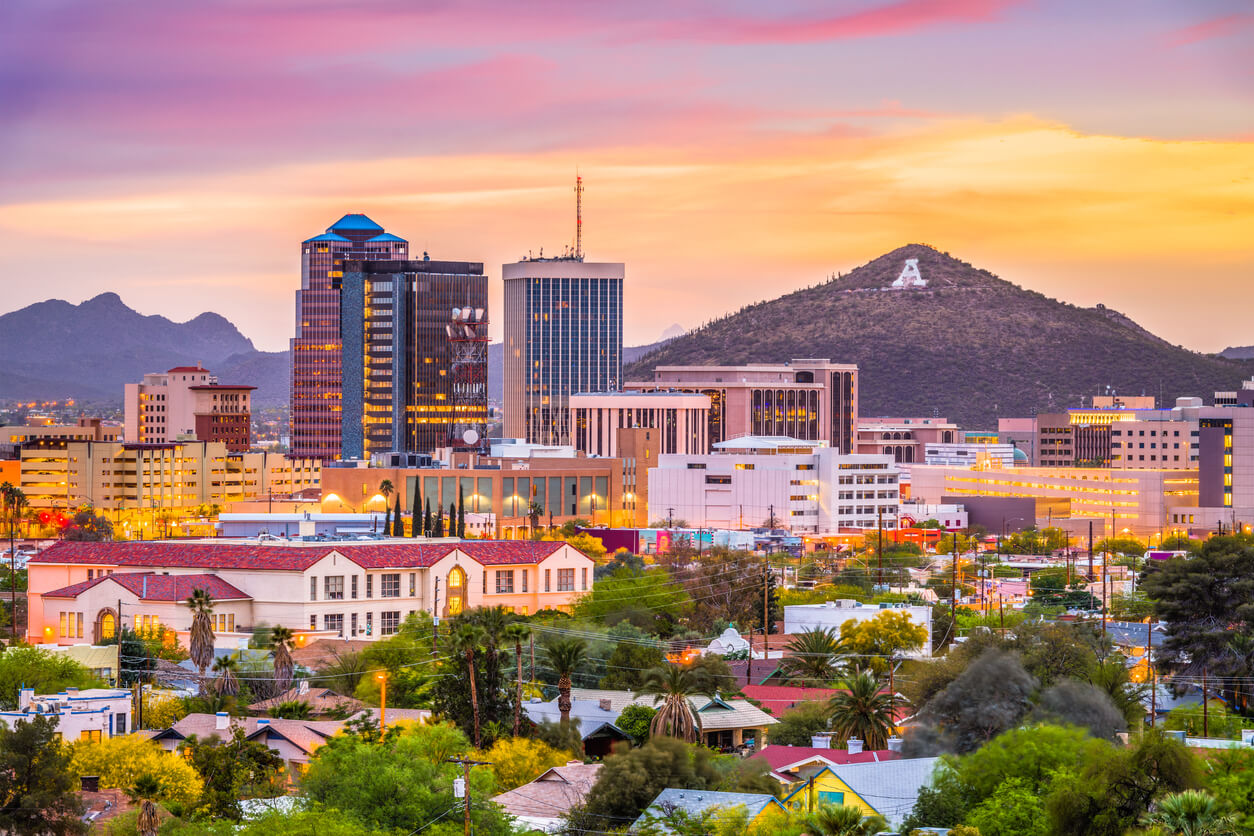
The city’s geographical location plays a significant role in its weather patterns. Surrounded by rugged mountain ranges like the Santa Catalina Mountains and the Tucson Mountains, Tucson experiences a semi-arid climate characterized by hot summers, mild winters, and a distinct monsoon season. This variability means that the “best” time to visit often depends on individual preferences for temperature and activities.
Embracing the Desert Seasons: A Year-Round Outlook
Tucson’s climate is a story of distinct seasons, each offering a different flavor of the desert experience. From the scorching heat of summer to the pleasant coolness of winter, understanding these seasonal shifts will empower you to curate an unforgettable trip.
Summer: The Reign of the Sun (June – August)
Summers in Tucson are undeniably hot, with average temperatures soaring into the triple digits Fahrenheit. Daytime highs frequently reach 100°F (38°C) and can even surpass it. Humidity also tends to rise during the latter part of summer, particularly during the monsoon season, leading to a more oppressive, muggy feel.
Despite the intense heat, summer is not without its charms. The landscape, though dry, possesses a resilient beauty. Many travelers still venture to Tucson during this period, often seeking refuge in air-conditioned accommodations or scheduling outdoor activities for the cooler early morning or late evening hours.
The Mystique of the Monsoon
The summer monsoon season, typically from July to September, is a defining characteristic of Tucson’s weather. This period brings a dramatic shift in atmospheric conditions, characterized by towering cumulonimbus clouds, dramatic lightning displays, and much-needed rainfall. While the rain can be intense, often in the form of sudden, powerful downpours, it is usually short-lived.
The monsoon is not just a weather phenomenon; it’s a cultural and ecological event. The desert blooms with a fresh vibrancy after the rains, and the air is often filled with the intoxicating scent of creosote. For photographers and nature enthusiasts, the monsoon offers spectacular visual opportunities. However, it’s crucial to be aware of flash flood risks, especially in canyons and washes.
Autumn: A Welcoming Transition (September – November)
As the calendar pages turn to autumn, Tucson begins to shed its summer intensity. September still holds onto some heat, but by October and November, the temperatures become remarkably pleasant. Daytime highs typically range from the comfortable 70s to low 80s Fahrenheit (mid to upper 20s Celsius), making it an ideal time for outdoor exploration.
This season is perfect for hiking in Saguaro National Park, exploring the historic streets of downtown, or enjoying the many outdoor festivals and events that Tucson hosts. The air is crisp, the skies are generally clear, and the intense sun is more forgiving, allowing for longer periods of comfortable sightseeing.
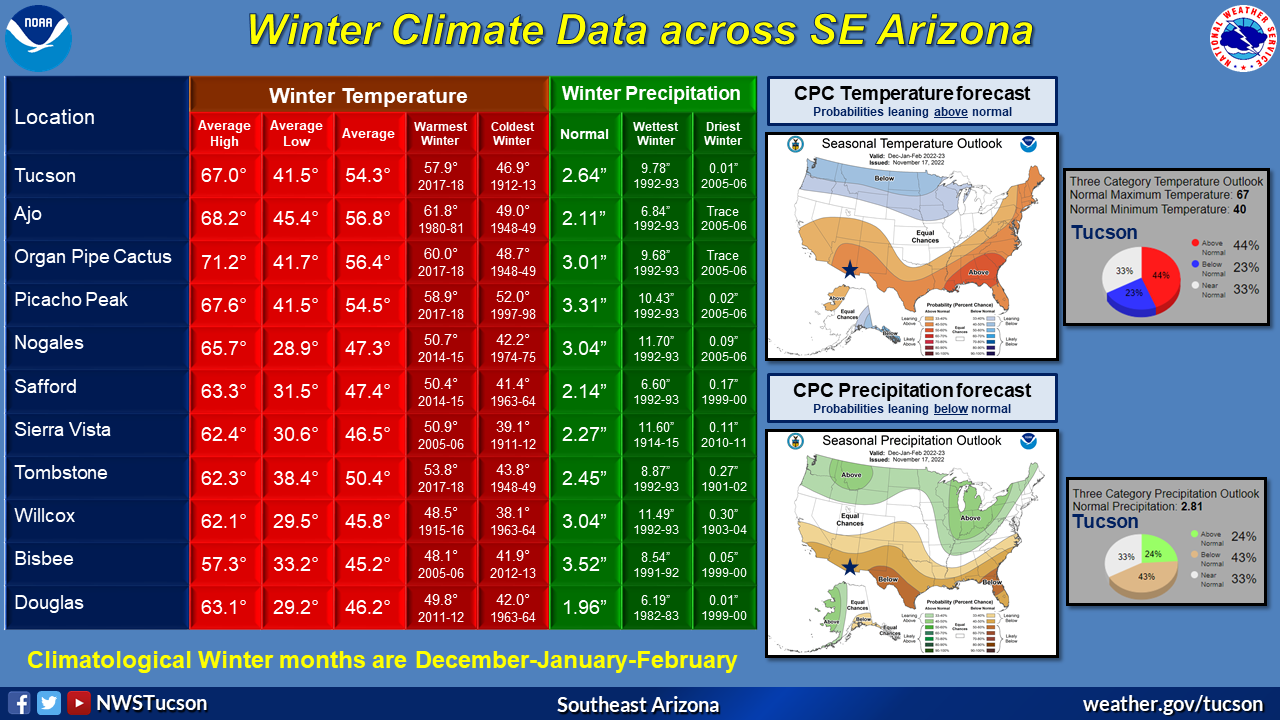
Winter: The Desert’s Gentle Embrace (December – February)
Tucson’s winters are a significant draw for those escaping colder climates. The weather is typically mild and sunny, with average daytime temperatures in the 60s Fahrenheit (around 15-20°C). Frost is rare, and snow is virtually unheard of within the city itself, though higher elevations in the surrounding mountains may receive a dusting.
These months offer an excellent opportunity for leisurely strolls, visiting outdoor attractions like the Tucson Botanical Gardens, or enjoying the vibrant arts and culture scene. Many snowbirds flock to Arizona during the winter months, appreciating the escape from harsh winter conditions.

Spring: A Flourishing of Life (March – May)
Spring in Tucson is a period of delightful transformation. Following the winter rains and the first hints of monsoon moisture, the desert bursts into bloom. Wildflowers dot the landscape, creating a breathtaking spectacle of color against the backdrop of rugged mountains and iconic cacti.
Temperatures during spring are generally warm and inviting, with daytime highs comfortably in the 70s and 80s Fahrenheit (20s Celsius). This season is perfect for exploring the vast outdoors, from the Arizona-Sonora Desert Museum to scenic drives through the Santa Catalinas. However, as spring progresses towards summer, temperatures will begin to climb, mirroring the transition into hotter months.
Planning Your Tucson Adventure: Weather-Wise Recommendations
To truly maximize your experience in Tucson, aligning your visit with the prevailing weather conditions is key. Whether you’re an avid hiker, a culinary explorer, or a history buff, understanding the climate can help you choose the best time to visit and what to expect.
H2: Activities Tailored to the Climate
Tucson’s weather dictates the best times for various activities. For those who thrive in cooler temperatures and enjoy outdoor pursuits, the fall and winter months are ideal. Hiking in Saguaro National Park is particularly enjoyable from October through April, when the sun is less intense and the trails are more accessible. Exploring the historic barrios or visiting landmarks like the Mission San Xavier del Bac is also more comfortable during these cooler periods.
When summer arrives, activities often shift towards indoor attractions or early morning/late evening excursions. Museums like the Pima Air and Space Museum offer excellent indoor options, as do the numerous art galleries and cultural centers. For those brave enough to face the heat, early morning hikes or a refreshing dip in a resort pool can be rewarding. The monsoon season, while bringing dramatic weather, also offers a unique opportunity for storm watching and enjoying the refreshed desert landscape.
H2: Accommodation and Packing Essentials
The type of accommodation you choose might also be influenced by the season. During the scorching summer months, having a good air-conditioning system is non-negotiable. Many hotels and resorts in Tucson, such as the Loews Ventana Canyon Resort or the Arizona Inn, are well-equipped to handle the heat with excellent climate control and refreshing pools. For longer stays, renting an apartment or a villa with reliable air conditioning is crucial.
Packing for Tucson requires careful consideration of the season. For summer, light, breathable clothing is essential. Sunscreen, hats, and sunglasses are non-negotiable for protecting yourself from the intense desert sun. Hydration is paramount, so carry a reusable water bottle. During the fall and winter, layering is key. You’ll want lighter clothing for sunny afternoons, but a jacket or sweater will be useful for cooler mornings and evenings. Spring offers a mix, so packing a range of temperature-appropriate clothing is advisable. Regardless of the season, comfortable walking shoes are a must for exploring the city and its surrounding natural wonders.
H2: Navigating Tucson’s Unique Environment
Tucson is more than just a city; it’s an ecosystem that thrives in its arid environment. Understanding the weather is crucial for appreciating its unique beauty and for ensuring a safe and enjoyable visit.
The Importance of Hydration
In Tucson’s desert climate, staying hydrated is not just a recommendation; it’s a necessity. The dry air, especially during the hotter months, can lead to rapid dehydration. Always carry water with you, even on short outings. Public water fountains are available in parks and at attractions, and many restaurants will readily refill your water bottle.
Respecting the Desert
The Sonoran Desert is a delicate and beautiful environment. When exploring natural areas like Sabino Canyon or the Wasson Peak Trail, it’s important to stay on marked paths to protect the fragile desert flora and fauna. The weather can change rapidly, particularly during monsoon season, so always be aware of forecasts and potential hazards like flash floods. Following local guidelines and respecting the natural landscape will ensure that Tucson’s beauty can be enjoyed for generations to come.
In conclusion, Tucson, Arizona, offers a captivating desert experience year-round, each season bringing its own unique set of weather patterns and opportunities. By understanding the nuances of its climate, from the scorching summers and monsoon showers to the mild winters and vibrant springs, travelers can better plan their itineraries, pack appropriately, and fully immerse themselves in the captivating charm of this Southwestern gem. Whether you’re drawn by its stunning natural landmarks like the Superstition Mountains (though technically not in Tucson, often a day trip consideration for desert enthusiasts), its rich cultural tapestry, or its renowned hospitality, Tucson promises an unforgettable journey, shaped by the very sun and sky that define its existence.
LifeOutOfTheBox is a participant in the Amazon Services LLC Associates Program, an affiliate advertising program designed to provide a means for sites to earn advertising fees by advertising and linking to Amazon.com. Amazon, the Amazon logo, AmazonSupply, and the AmazonSupply logo are trademarks of Amazon.com, Inc. or its affiliates. As an Amazon Associate we earn affiliate commissions from qualifying purchases.