
The question of whether Colorado observes Mountain Time is a straightforward one, but understanding the intricacies of time zones, especially when planning travel to the Centennial State, can add a layer of helpful context. For any traveler, from those seeking luxurious resorts to budget-conscious adventurers exploring its stunning landmarks, knowing the local time is paramount. This article will delve into Colorado’s time zone, its geographical implications, and how it influences experiences across the state, from its vibrant cities like Denver to its breathtaking natural wonders.
Understanding Mountain Time and Colorado’s Place Within It
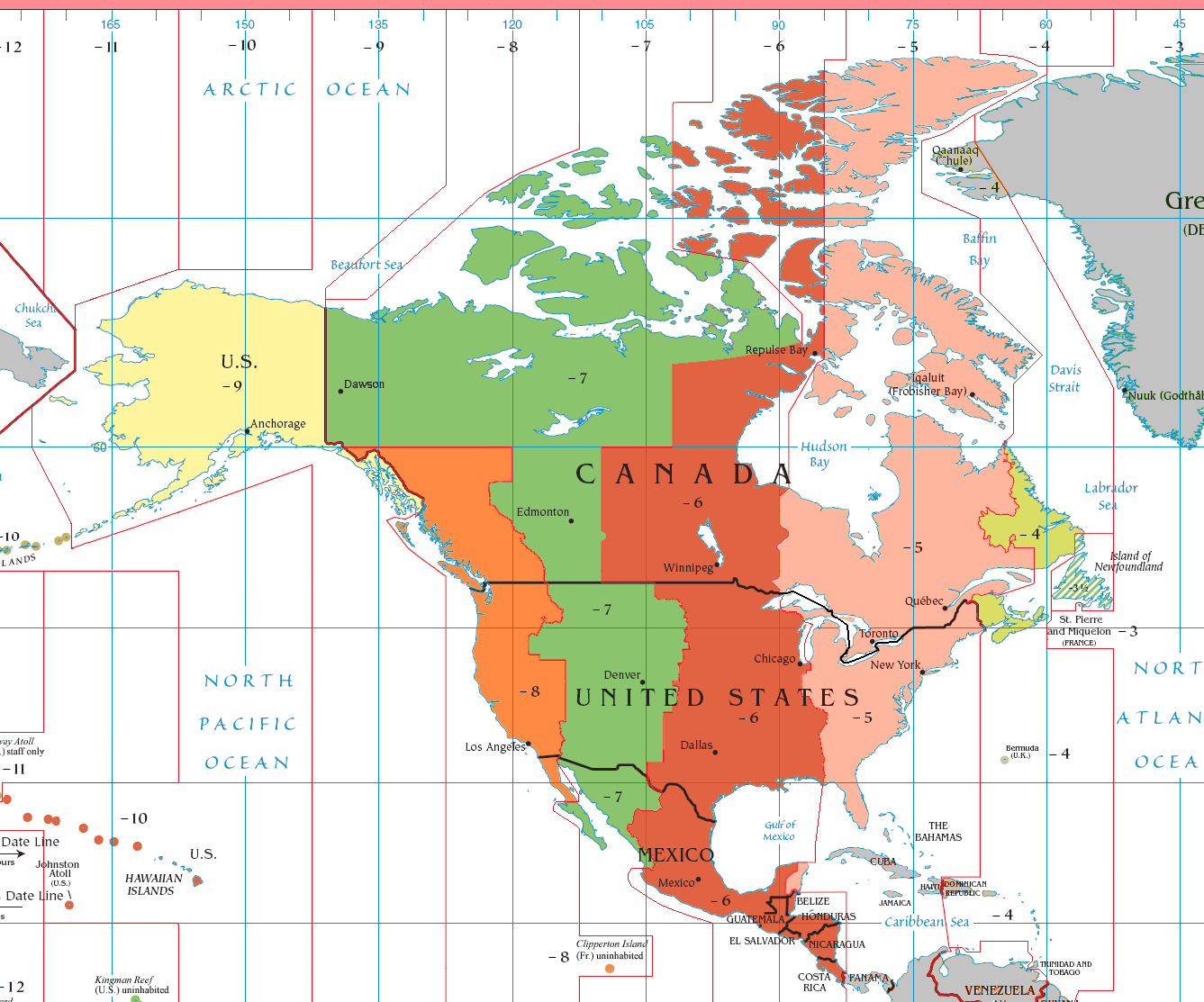
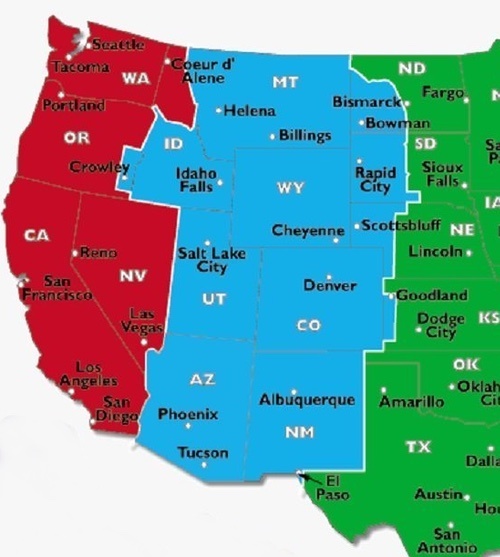
At its core, the answer to “Is Colorado On Mountain Time?” is a resounding yes. The state officially observes Mountain Standard Time (MST) during the winter months and Mountain Daylight Time (MDT) during the warmer seasons, aligning with the majority of the western United States.

The Mechanics of Mountain Time
Mountain Time is the time zone that spans from the Canadian province of British Columbia down through the western United States, encompassing states like Arizona (though Arizona notably does not observe Daylight Saving Time), Montana, Idaho, Wyoming, Utah, New Mexico, and parts of Nevada, South Dakota, and Nebraska. It is UTC-7 during Standard Time and UTC-6 during Daylight Saving Time. This means that when it is noon in New York (Eastern Time), it is 10 AM in Colorado during Standard Time, and 11 AM during Daylight Saving Time.
The transition to and from Daylight Saving Time is generally observed on the same dates across the United States, with clocks springing forward in early March and falling back in early November. This synchronization is crucial for businesses, transportation, and indeed, for any traveler trying to coordinate flights, book accommodations like the The Broadmoor, or plan activities.
Geographical Considerations and Time Zones
The concept of time zones is intrinsically linked to geography and the rotation of the Earth. As the sun rises and sets at different times across the globe, time zones are established to provide a standardized measure of time within specific regions. Colorado’s longitude places it squarely within the Mountain Time Zone. This geographical alignment is not arbitrary; it reflects the natural progression of daylight across the North American continent.
For visitors from the Eastern or Central time zones, arriving in Colorado typically means adjusting their watches back by two or one hour, respectively. This is a minor, yet important, adjustment for anyone experiencing jet lag or simply trying to get their bearings. For those coming from the Pacific time zone, Colorado will be one to two hours ahead. This temporal difference plays a role in everything from early morning hikes in the Rocky Mountains to enjoying evening dining experiences in cities like Boulder.
Impact on Travel and Experiences in Colorado
Understanding Colorado’s observance of Mountain Time has practical implications for every aspect of travel within the state, influencing everything from flight schedules to the timing of outdoor adventures and cultural experiences.
Planning Your Itinerary
When booking flights to Denver International Airport, the primary gateway to Colorado, or smaller regional airports, it’s essential to note arrival and departure times in Mountain Time. This also applies to booking rental cars, securing hotel rooms at places like the Four Seasons Hotel Denver, or arranging guided tours. For instance, a sunrise hot air balloon ride over Colorado Springs is best timed to take advantage of the morning light, and knowing the local time ensures you’re at the launch site promptly.
Similarly, many popular attractions, such as the Garden of the Gods or historical sites in towns like Durango, have specific operating hours. Coordinating your visits with these times, considering the local Mountain Time, is key to maximizing your sightseeing. For those interested in the vibrant local culture and food scene, restaurant reservations and event timings will also be based on MST/MDT.
Seasonal Considerations and Daylight Hours
The observance of Daylight Saving Time in Colorado significantly impacts the amount of daylight available for outdoor activities. During MDT, the evenings are longer, allowing for more time to explore national parks like Rocky Mountain National Park, enjoy hiking trails, or simply savor the scenic beauty of the state after a typical workday. This extended daylight is a major draw for tourists, particularly during the summer months when Colorado offers a plethora of outdoor activities.
Conversely, during MST, the days are shorter, which can influence the timing of early morning excursions or late-afternoon sightseeing. Ski resorts in towns like Aspen or Vail will have specific lift operating hours, and understanding the local time zone is crucial for planning your ski days effectively. The changing time can also subtly affect the perceived pace of life, with the earlier sunsets in winter encouraging more indoor pursuits and cozy evenings in hotels or apartments.
Navigating Time Zone Differences for Seamless Travel
While Colorado is definitively on Mountain Time, navigating time zone differences is a skill that enhances any travel experience, whether your trip is a luxurious escape to a resort or a budget-friendly exploration of landmarks.
Practical Tips for Travelers
For travelers, the simplest advice is to always set your watch or phone to the local time upon arrival. Most smartphones automatically adjust, but it’s wise to double-check, especially when your trip involves multiple destinations across different time zones. When communicating with people back home, be mindful of the time difference to avoid inconvenient calls or missed connections.
When using online booking platforms for accommodation or tours, ensure that the times displayed are in the local time of Colorado. This is usually clearly indicated, but it’s worth confirming. For business stays or long-term rentals, understanding the daily rhythm dictated by Mountain Time can help in scheduling meetings or personal activities.
The Broader Context of Time Zones in the US
Understanding Colorado’s time zone also provides a microcosm of the larger United States time zone system. The US is divided into six main time zones: Eastern, Central, Mountain, Pacific, Alaska, and Hawaii-Aleutian. Each zone is roughly 15 degrees of longitude wide, reflecting the Earth’s rotation. The implementation of Daylight Saving Time, while debated, is a nationwide phenomenon that affects most of these zones, including Colorado.
For those who travel frequently across the country, be it for business stays, family trips, or adventure tourism, familiarity with these time zones and their adjustments becomes second nature. It allows for smoother transitions and a better appreciation of the vastness and diversity of the United States. Whether you’re gazing at the majestic peaks of the San Juan Mountains or exploring the historic architecture of Denver, being aware of Mountain Time ensures your Colorado adventure unfolds without a hitch.
LifeOutOfTheBox is a participant in the Amazon Services LLC Associates Program, an affiliate advertising program designed to provide a means for sites to earn advertising fees by advertising and linking to Amazon.com. Amazon, the Amazon logo, AmazonSupply, and the AmazonSupply logo are trademarks of Amazon.com, Inc. or its affiliates. As an Amazon Associate we earn affiliate commissions from qualifying purchases.