
Dreaming of a fulfilling career that combines scientific knowledge with compassionate care, all while living in the vibrant and diverse state of California? Becoming a Registered Nurse (RN) is a well-trodden path offering immense personal and professional rewards. This guide will navigate you through the essential steps, requirements, and considerations for embarking on this rewarding journey within the Golden State. Whether you’re drawn to the sunny beaches of San Diego, the bustling metropolises of Los Angeles and San Francisco, or the majestic natural beauty of the Sierra Nevada, California offers a dynamic backdrop for your nursing career.

The role of an RN is multifaceted, encompassing direct patient care, patient education, advocacy, and collaboration with other healthcare professionals. California is a leading state in healthcare innovation and offers a vast array of employment opportunities across various settings, from world-renowned hospitals like the Cedars-Sinai Medical Center and UCSF Medical Center to community clinics, schools, and specialized care facilities. The demand for skilled and dedicated RNs remains consistently high, making this a secure and promising career choice.
Navigating The Educational Pathways
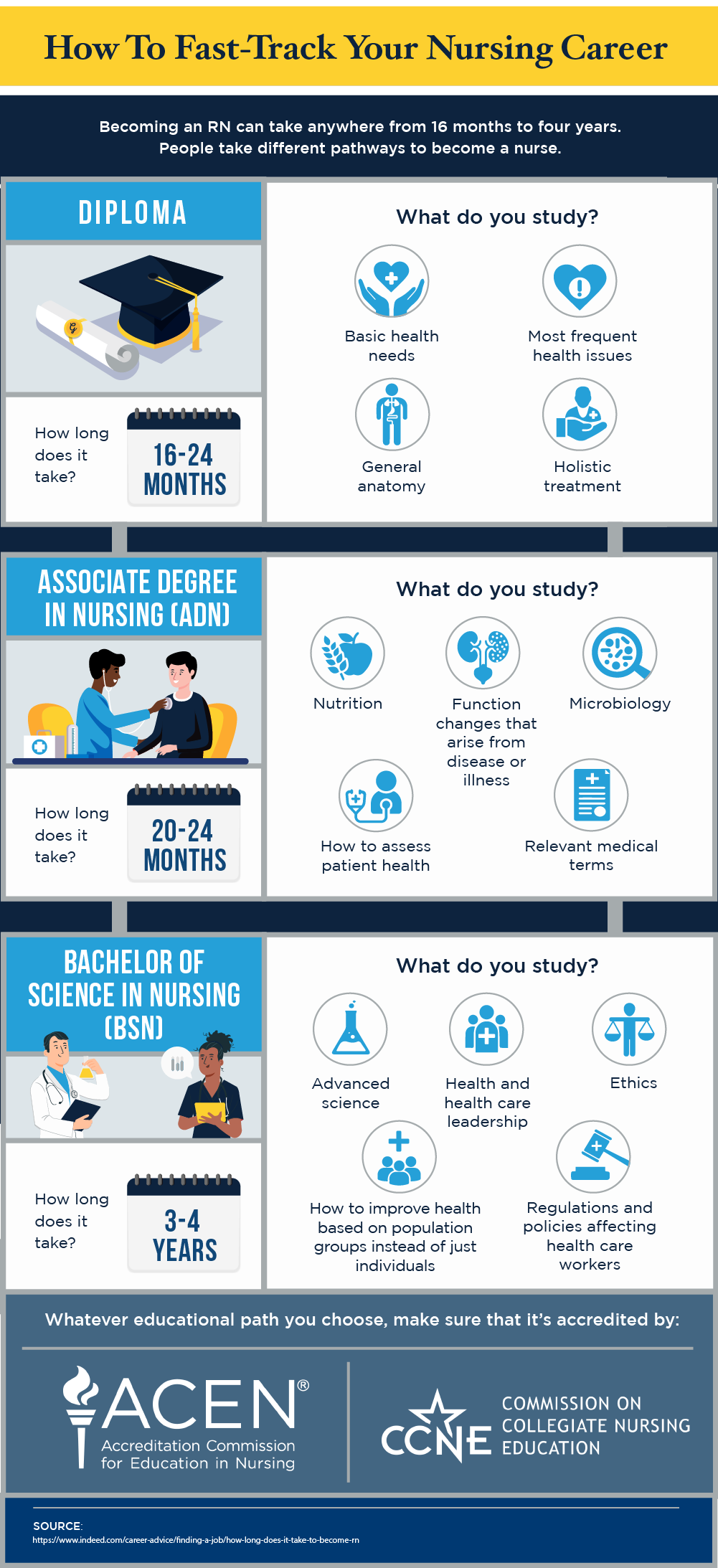
The foundational step to becoming an RN in California is obtaining the appropriate nursing education. There are three primary educational pathways that lead to eligibility for the RN licensure exam:
Associate Degree in Nursing (ADN)
The Associate Degree in Nursing (ADN) is typically a two-year program offered by community colleges and some four-year universities. This program provides a comprehensive introduction to nursing theory and practice, focusing on fundamental nursing skills and patient care. An ADN is a practical and efficient route for many aspiring nurses, offering a solid foundation for entry-level positions. Graduates of ADN programs are well-prepared to work in various healthcare settings, particularly in hospitals and long-term care facilities. Many RNs with ADNs continue their education to pursue Bachelor of Science in Nursing (BSN) degrees to advance their careers.
Bachelor of Science in Nursing (BSN)
The Bachelor of Science in Nursing (BSN) is a four-year undergraduate program. While it encompasses the same core nursing curriculum as an ADN, a BSN program delves deeper into leadership, research, community health, and critical thinking skills. A BSN is increasingly becoming the preferred degree for many employers, particularly for advanced roles and positions in magnet hospitals. Many hospitals and healthcare systems in California, such as those within the Kaiser Permanente network, actively recruit BSN-prepared nurses. Pursuing a BSN can open doors to a wider range of career opportunities and leadership positions. For those who already hold an ADN, there are often “RN to BSN” bridge programs available that allow them to complete their bachelor’s degree in a shorter timeframe, often with online or flexible learning options.
Diploma Programs
While less common today, some nursing diploma programs still exist, typically offered by hospitals. These programs are often shorter than ADN or BSN programs and provide hands-on training within a specific hospital setting. Graduates of diploma programs are also eligible to sit for the NCLEX-RN exam. However, the prevalence of ADN and BSN programs means that many employers, especially larger healthcare institutions, may prefer candidates with an associate’s or bachelor’s degree.
Regardless of the chosen educational path, it is crucial to ensure that the nursing program is accredited by the appropriate bodies. In California, nursing programs must be approved by the California Board of Registered Nursing (BRN). Accreditation ensures that the program meets rigorous educational standards and prepares graduates for licensure. Researching program outcomes, such as NCLEX-RN pass rates and graduate employment rates, is also a wise practice when selecting an educational institution.
Meeting the Licensure Requirements
Once you have successfully completed an approved nursing education program, the next critical step is to obtain your Registered Nurse license from the California Board of Registered Nursing (BRN). This process involves several key components:
The NCLEX-RN Examination
The National Council Licensure Examination for Registered Nurses (NCLEX-RN) is a standardized examination designed to test the knowledge, skills, and abilities required for safe and effective nursing practice. This computer-adaptive test assesses your ability to apply nursing principles and make sound clinical judgments. To be eligible to take the NCLEX-RN, you must have graduated from an approved nursing program and submitted an application to the BRN for licensure.
The application process involves submitting official transcripts from your nursing program, along with a completed application form and the required fees. Once your application is approved, the BRN will authorize you to take the NCLEX-RN. You will then need to register with Pearson VUE, the testing provider, to schedule your exam appointment. Preparation is key to success on the NCLEX-RN. Many students utilize review courses, practice questions, and study guides to familiarize themselves with the exam format and content.
Criminal Background Check and Fingerprinting
As part of the licensure process, all applicants are required to undergo a criminal background check. This involves submitting fingerprints through a Live Scan service in California. The results of this check are then forwarded to the BRN for review. The Board will assess any past criminal convictions to determine an applicant’s eligibility for licensure, ensuring the safety and well-being of patients.
Application and Fees
Thoroughly completing the RN licensure application and paying all associated fees are essential. This includes the application fee for licensure and any fees associated with the background check and examination. It is advisable to carefully review the California Board of Registered Nursing website for the most up-to-date information on application requirements, fees, and processing times. Delays can often be avoided by ensuring all documentation is accurate and complete.
Embracing a Nursing Career in California
With your nursing education completed and your license in hand, the exciting world of nursing in California awaits. The state offers a diverse and dynamic healthcare landscape, providing numerous opportunities for specialization and career growth.
Diverse Employment Settings
California boasts a wide array of healthcare facilities, each offering unique experiences and patient populations. You might find yourself working in a large, bustling urban hospital in Los Angeles like the Ronald Reagan UCLA Medical Center, or in a more specialized facility such as a rehabilitation center in Orange County. Rural areas of California also face a significant need for nurses, offering opportunities to work in community hospitals and clinics, providing essential care to underserved populations. The state’s commitment to innovation means that many facilities utilize cutting-edge technology and embrace evidence-based practices.
Specialization and Advancement
The field of nursing is vast, and California offers numerous avenues for specialization. Whether your passion lies in pediatrics, critical care, oncology, mental health, or any other specialty, you can find programs and positions to further your expertise. Many RNs in California pursue certifications in their chosen specialties, demonstrating advanced knowledge and commitment. Furthermore, career advancement often involves pursuing further education, such as a Master of Science in Nursing (MSN) for roles like Nurse Practitioner or Clinical Nurse Specialist, or even a Doctor of Nursing Practice (DNP) for leadership and advanced practice roles. The demand for advanced practice registered nurses (APRNs) is particularly strong in California, offering excellent career prospects.

Lifestyle and Opportunities
Beyond the professional aspects, California offers an exceptional lifestyle for its residents. From the iconic theme parks like Disneyland and Universal Studios Hollywood to the breathtaking natural beauty of Yosemite National Park and the Pacific Coast Highway, there are endless opportunities for exploration and recreation. The state’s diverse culture, world-class cuisine, and vibrant arts scene contribute to a rich and fulfilling life outside of work. Whether you prefer the warmth of Southern California or the cosmopolitan energy of Northern California, you can find a community that suits your preferences. The cost of living in California can be high, particularly in major metropolitan areas, but the compensation for RNs is generally competitive, and the quality of life and career opportunities are significant drawcards. Many nurses find themselves enjoying the vibrant urban centers, seeking out luxury travel experiences on weekends, or opting for more budget travel adventures to explore the state’s diverse landscapes. The array of hotels, from boutique resorts to family-friendly apartments, ensures comfortable accommodation for both short and long-term stays.
Becoming a Registered Nurse in California is a journey that requires dedication, education, and perseverance. However, the rewards of a career in nursing are immeasurable, offering the chance to make a tangible difference in people’s lives while enjoying the unparalleled lifestyle that California has to offer. By following these steps, you can confidently pursue your aspiration of becoming a respected and vital member of the healthcare community in the Golden State.
LifeOutOfTheBox is a participant in the Amazon Services LLC Associates Program, an affiliate advertising program designed to provide a means for sites to earn advertising fees by advertising and linking to Amazon.com. Amazon, the Amazon logo, AmazonSupply, and the AmazonSupply logo are trademarks of Amazon.com, Inc. or its affiliates. As an Amazon Associate we earn affiliate commissions from qualifying purchases.