
The allure of a perfectly smoked Boston butt is undeniable. That succulent, fall-apart pork, infused with the smoky essence of wood and seasoned to perfection, is a culinary masterpiece. Whether you’ve enjoyed it at a backyard barbecue in Atlanta or savored it at a renowned Texas smokehouse, the experience is often so delightful that leftovers are almost a guarantee. But the question then becomes: how do you recapture that magic when reheating? Reheating a Boston butt requires a delicate touch, as overcooking can quickly turn tender pork into a dry, unappetizing mess. This guide will walk you through the most effective methods to ensure your leftover Boston butt is as delicious as the day it was first smoked.
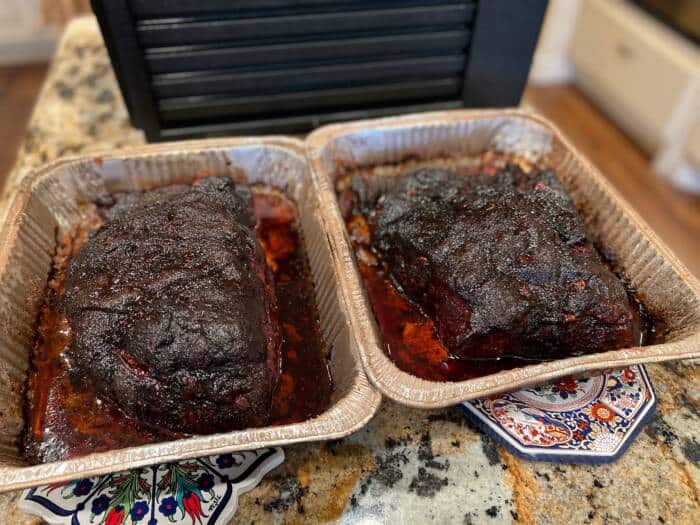
The key to successful reheating lies in understanding the nature of slow-cooked pork. Boston butt, also known as pork shoulder, is a tough cut of meat that becomes tender and moist through low and slow cooking. This process breaks down connective tissues, rendering the fat and collagen into gelatin, which contributes significantly to its succulence. When reheating, our goal is to gently warm the meat without evaporating the precious moisture that makes it so desirable. This means avoiding high temperatures and prolonged cooking times that can strip away flavor and texture.
Understanding Your Leftover Boston Butt
Before diving into reheating methods, it’s important to consider the state of your leftover Boston butt. Was it whole or pulled? Was it stored in its own juices or packed dry? These factors can influence the best reheating strategy. If your Boston butt was pulled and stored with some of its rendered fat or cooking liquid (often referred to as “au jus” or “bark”), it will generally reheat more easily and stay moister. If it was stored more dryly, you’ll need to be more diligent about adding moisture during the reheating process.
Proper storage is the first step to successful reheating. Once the Boston butt has cooled completely, it should be stored in an airtight container in the refrigerator for no more than 3-4 days. For longer storage, freezing is an excellent option. Wrap the butt tightly in plastic wrap, then in aluminum foil or place it in a freezer-safe bag. Properly frozen, it can last for several months, retaining much of its original quality. Thawing frozen Boston butt should always be done in the refrigerator overnight to ensure even temperature throughout.
The Art of Gentle Reheating
The most crucial element in reheating Boston butt is to maintain its moisture and tenderness. This means utilizing methods that apply gentle, even heat and often involve the addition of liquid. The goal is to bring the internal temperature back up to a safe and enjoyable level (around 165°F or 74°C) without cooking it further. Overheating will inevitably lead to a dry and tough texture, negating the labor of love that went into the original smoking process.
Different reheating methods cater to different needs and equipment availability. Whether you prefer the convenience of an oven, the speed of a microwave, or the controlled environment of a slow cooker, there’s a method that can bring your leftover Boston butt back to life. The underlying principle remains the same: low and slow, with added moisture.
Oven Reheating: A Reliable Classic
The oven is a popular and reliable choice for reheating Boston butt, offering consistent and even heat. This method is excellent for reheating both pulled pork and larger portions.
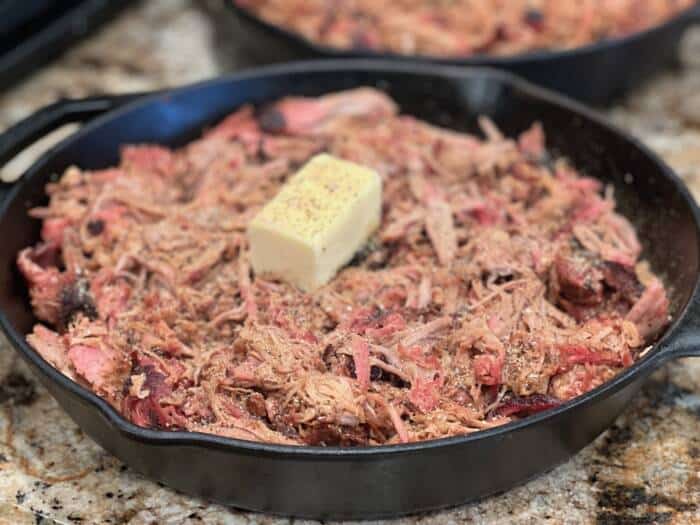
For Pulled Pork:
- Preheat the Oven: Set your oven to a low temperature, typically between 275°F and 300°F (135°C and 150°C). A lower temperature is generally preferred to prevent drying out.
- Prepare the Pork: Place the pulled pork in an oven-safe dish. If your pork is on the drier side, add about 1/4 to 1/2 cup of liquid. This can be water, chicken broth, apple cider, or even some of the reserved cooking juices from when it was first made. Stir the liquid into the pork to distribute it evenly.
- Cover and Seal: Cover the dish tightly with aluminum foil. This is essential to trap steam and moisture, preventing the pork from drying out. Ensure a good seal all around the edges of the dish.
- Reheat: Place the covered dish in the preheated oven. The reheating time will vary depending on the quantity of pork, but generally, for a pound or two of pulled pork, expect it to take 20-30 minutes. For larger quantities, it could take up to an hour.
- Check for Warmth: After about 20 minutes, carefully remove the foil (watch out for steam!) and check the internal temperature with a meat thermometer. You want to reach a safe temperature of at least 165°F (74°C). If it’s not quite there, re-cover and continue reheating in 10-15 minute intervals.
- Serve: Once heated through, you can serve the pulled pork immediately. You can toss it with your favorite barbecue sauce at this stage, or serve the sauce on the side.
For Larger Portions (e.g., a whole reheated Boston butt):
- Preheat the Oven: Similar to pulled pork, preheat your oven to 275°F-300°F (135°C-150°C).
- Prepare the Pork: Place the Boston butt in a roasting pan. Add about 1-2 cups of liquid to the bottom of the pan. This can be water, broth, or apple cider. You can also tent the pork loosely with aluminum foil.
- Reheat: Place the pan in the preheated oven. A whole Boston butt can take 1-2 hours to reheat properly, depending on its size.
- Check for Warmth: Use a meat thermometer inserted into the thickest part of the meat (avoiding the bone). Aim for an internal temperature of 165°F (74°C). Baste the pork with the pan juices occasionally if desired.
- Rest: Once heated, remove the pork from the oven and let it rest for about 10-15 minutes before slicing or pulling. This allows the juices to redistribute, ensuring a more succulent final product.
Slow Cooker Reheating: The Ultimate Convenience
The slow cooker is a fantastic appliance for reheating Boston butt, especially pulled pork, as its low and slow cooking environment naturally mimics the original smoking process, making it difficult to dry out.
- Prepare the Slow Cooker: Place your pulled pork directly into the slow cooker.
- Add Liquid: As with the oven method, add about 1/4 to 1/2 cup of liquid. This could be water, broth, apple juice, or even your favorite barbecue sauce.
- Set the Temperature: Set the slow cooker to the “low” setting.
- Reheat: Allow the pork to reheat for 1-3 hours. The exact time will depend on the amount of pork and the specific model of your slow cooker. It’s best to err on the side of caution and reheat for shorter periods, checking for warmth regularly.
- Stir and Serve: Once the pork is heated through and reaches an internal temperature of 165°F (74°C), stir it well. If you plan to add sauce, now is the time to mix it in. The slow cooker can keep the pork warm for extended periods if needed.
Microwave Reheating: Quick but Requires Caution
While not the ideal method for preserving the absolute best texture, the microwave can be a viable option for reheating smaller portions of Boston butt when time is of the essence. The key is to use short intervals and add moisture.
- Portion and Place: Divide the Boston butt into smaller, single-serving portions. Place the pork in a microwave-safe dish.
- Add Moisture: Drizzle a tablespoon or two of water, broth, or barbecue sauce over the pork. This is crucial for preventing it from drying out.
- Cover: Cover the dish loosely with a damp paper towel or microwave-safe plastic wrap, leaving a small vent for steam to escape.
- Heat in Intervals: Microwave on medium power (50%) for 30-60 second intervals. After each interval, stir the pork and check for warmth. Continue this process until the pork is heated through and reaches an internal temperature of 165°F (74°C). Be vigilant, as microwaves can easily overcook food.
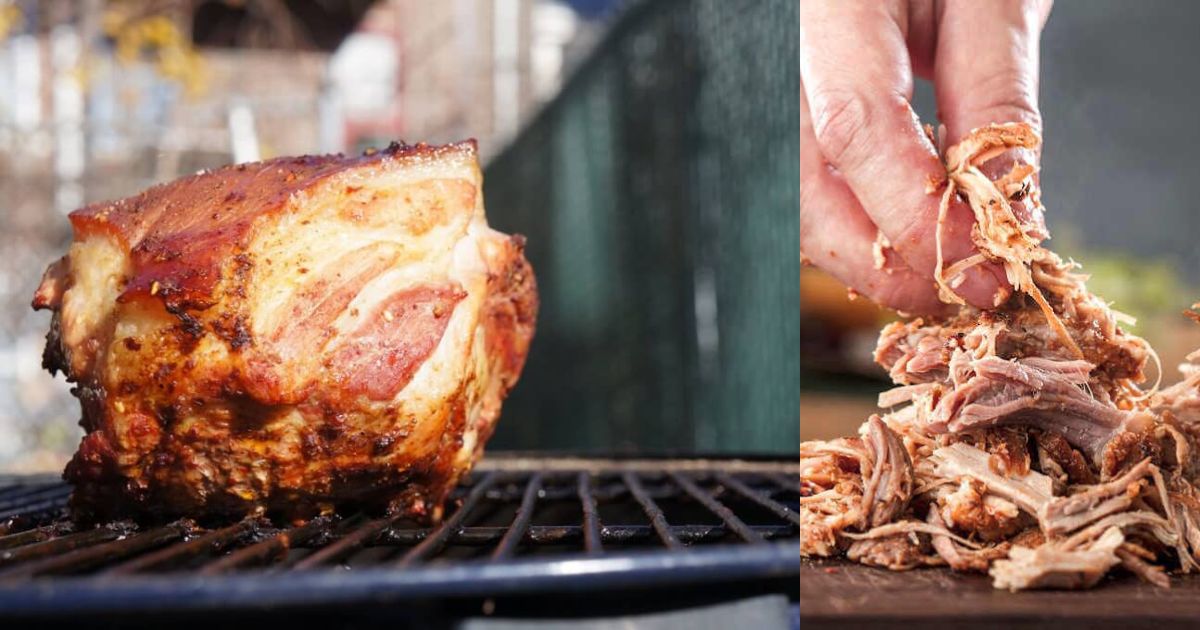
Tips for Maintaining Moisture and Flavor
Regardless of the reheating method chosen, several general tips can help ensure your Boston butt remains as moist and flavorful as possible:
- Don’t Overcook: This is the golden rule. It’s better to slightly underheat and reheat again than to overcook and dry out the meat. Always check the internal temperature with a meat thermometer.
- Add Moisture: As repeatedly emphasized, always add some form of liquid during reheating, especially if the pork seems dry.
- Resting is Key: After reheating, especially larger portions, allow the Boston butt to rest for 10-15 minutes before serving. This allows the juices to settle back into the meat.
- Consider the “Bark”: If your original Boston butt had a desirable “bark” (the dark, crispy exterior), be mindful that reheating can soften this texture. Some methods, like a brief stint under a broiler (with careful watching), can help crisp it up again, but this is an advanced technique and carries a higher risk of drying.
- Sauce Strategy: If you prefer your pulled pork saucy, consider adding the barbecue sauce towards the end of the reheating process. This prevents the sauce from burning or becoming too thick and sticky. Alternatively, serve the sauce on the side for individuals to add as they please.
Reheating a Boston butt doesn’t have to be a culinary gamble. By understanding the principles of gentle warming and moisture retention, you can enjoy those delicious leftovers just as much as the first time. Whether you’re planning a casual meal at home after a busy week of exploring New Orleans or looking to recreate that perfect barbecue experience on your camping trip, these methods will ensure your Boston butt remains a triumph. So go ahead, enjoy those leftovers, and savor the rich, smoky flavors of perfectly reheated Boston butt.
LifeOutOfTheBox is a participant in the Amazon Services LLC Associates Program, an affiliate advertising program designed to provide a means for sites to earn advertising fees by advertising and linking to Amazon.com. Amazon, the Amazon logo, AmazonSupply, and the AmazonSupply logo are trademarks of Amazon.com, Inc. or its affiliates. As an Amazon Associate we earn affiliate commissions from qualifying purchases.