
The allure of the Rocky Mountains, crisp, clean air, and an abundance of outdoor activities has long drawn people to the Centennial State. Colorado is renowned for its stunning natural beauty, vibrant cities, and a lifestyle that often revolves around adventure and well-being. However, with popularity comes increased demand, and a common question for those contemplating a move or an extended stay is: “Is it expensive to live in Colorado?” The answer, like the state’s diverse landscapes, is nuanced. While Colorado can offer a high quality of life, its cost of living, particularly in desirable areas, is undeniably a significant factor to consider.
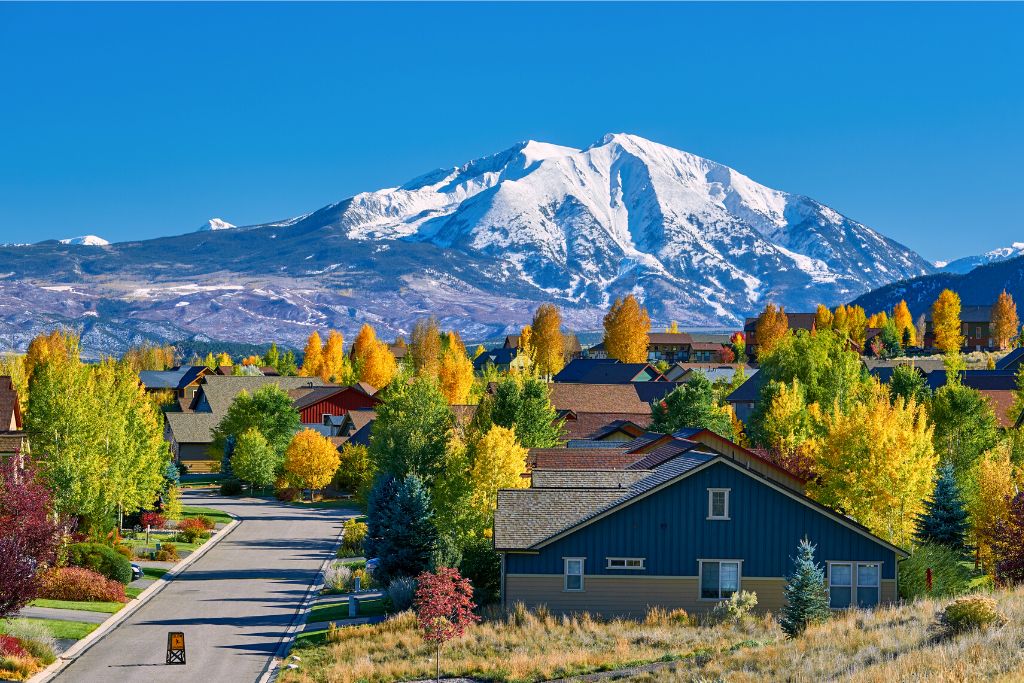
This exploration will delve into the various facets that contribute to the cost of living in Colorado, examining key expense categories and how they compare to national averages. We will look at housing, transportation, daily expenses, and the unique lifestyle elements that influence budgets, all with a view towards providing a comprehensive understanding for potential residents and long-term visitors.
Housing: The Biggest Piece of the Pie
The most substantial determinant of the cost of living in Colorado is undoubtedly housing. Like many popular destinations across the United States, housing prices have seen a dramatic increase in recent years. This surge is fueled by a combination of factors, including population growth, limited housing supply, and a strong desirability for the Colorado lifestyle.
Major Metropolitan Areas: The Price Tag of City Living
The major metropolitan areas of Colorado consistently rank among the most expensive in the state. Denver, the capital city and largest urban center, has experienced a particularly dramatic rise in housing costs. Both rental rates and home purchase prices in Denver and its surrounding suburbs have outpaced national averages significantly. This is driven by a booming tech industry, a robust job market, and the city’s status as a gateway to world-class skiing and outdoor recreation.
Cities like Boulder, nestled at the foot of the Flatirons, are notoriously expensive. Its proximity to the University of Colorado Boulder, a thriving entrepreneurial ecosystem, and unparalleled access to hiking and climbing trails contribute to its premium pricing. Even smaller cities and towns within commuting distance of Denver, such as Lakewood, Aurora, and Centennial, have seen their housing markets tighten and prices climb.
Mountain Towns: A Different Kind of Premium
Beyond the major cities, Colorado‘s iconic mountain towns present a unique housing market. Places like Aspen, Vail, Breckenridge, and Telluride are globally recognized for their luxury ski resorts and breathtaking scenery. Consequently, housing in these resort communities often commands exorbitant prices, making them among the most expensive real estate markets in the country. While the lifestyle offered is undeniably appealing, the investment required for a permanent residence or even a long-term rental can be prohibitive for many.
Even in less internationally famous mountain towns, the demand for housing is high, driven by tourism, seasonal workers, and individuals seeking a quieter, nature-centric life. This demand, coupled with often limited land for development and the logistical challenges of building in mountainous terrain, contributes to elevated housing costs.
Rural Areas: A Relative Respite
While cities and mountain towns are experiencing significant price hikes, some rural areas in Colorado may offer more affordable housing options. However, it’s crucial to note that “affordable” is relative and depends heavily on the specific region and its proximity to amenities and employment centers. Furthermore, lower housing costs in rural areas might be offset by other expenses, such as increased transportation costs due to longer commutes and potentially fewer job opportunities.
Beyond Housing: Daily Expenses and Lifestyle Choices
While housing is the largest expense, it’s not the only factor determining the cost of living in Colorado. Daily expenses, from groceries and utilities to transportation and recreational activities, also play a significant role.
Transportation: The Car-Centric Reality
Colorado, particularly outside of Denver, is a car-dependent state. Public transportation infrastructure is developing, especially in the Denver Metro Area, but it may not be sufficient for everyone’s needs, particularly those living in more spread-out communities or seeking access to remote outdoor destinations.
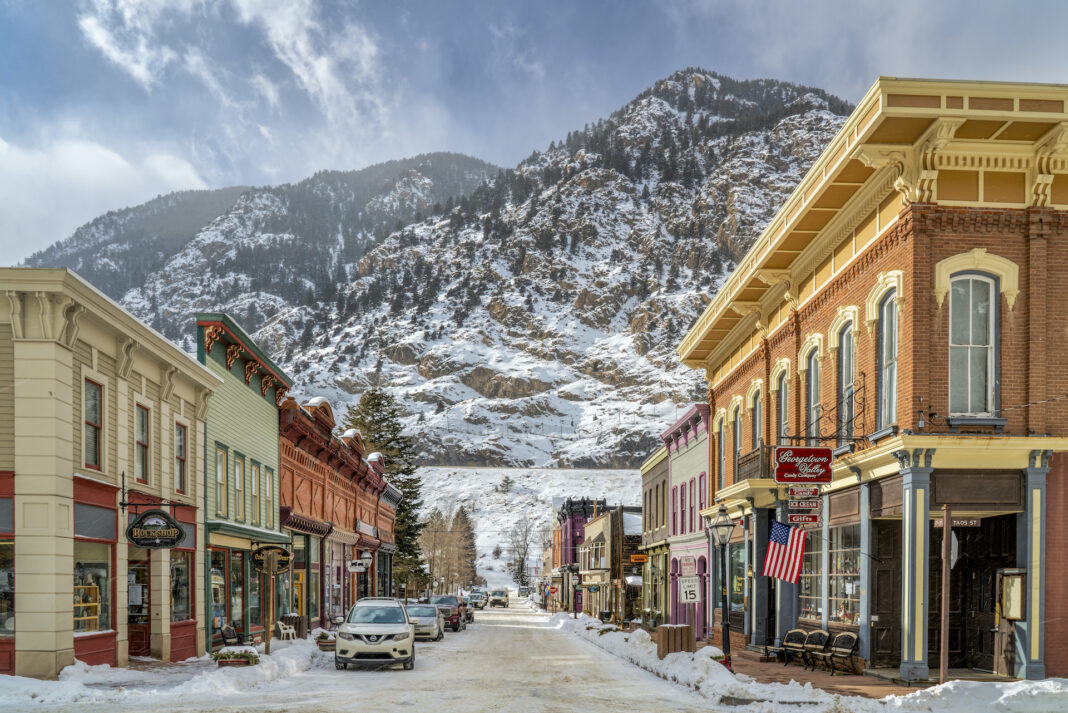
The cost of owning and operating a vehicle can be substantial. This includes car payments, insurance (which can be higher in certain areas due to factors like weather and theft rates), fuel, and maintenance. For those who frequently travel to ski resorts or national parks, the wear and tear on vehicles and the cost of gas can add up quickly. While ride-sharing services and public transport options exist in larger cities, they may not always be a cost-effective or practical alternative for daily commutes or extensive travel throughout the state.
Groceries and Utilities: Keeping the Lights On and the Fridge Full
Grocery prices in Colorado are generally in line with, or slightly above, the national average. However, this can vary depending on the region and the availability of local produce. Access to fresh, healthy food might be more limited and expensive in remote mountain towns compared to larger urban centers.
Utility costs, including electricity, gas, and water, can also be a significant expense. Colorado experiences distinct seasons, with cold winters requiring heating and warm summers necessitating air conditioning. Energy consumption can therefore fluctuate significantly throughout the year. While renewable energy sources are growing in popularity, the overall cost of utilities is a factor to consider in monthly budgeting.
Recreation and Lifestyle: Embracing the Outdoors
One of the primary draws of Colorado is its incredible outdoor recreation. From hiking and biking in the summer to skiing and snowboarding in the winter, there are endless opportunities to enjoy the natural environment. However, these pursuits often come with associated costs.
Ski lift tickets, equipment rentals or purchases, and season passes can represent a substantial investment for those who are avid skiers or snowboarders. Similarly, other outdoor activities like mountain biking, camping, and climbing can require specialized gear and potentially park entrance fees. While many outdoor activities are free or low-cost, the popular and more resort-based activities can add up.
The lifestyle in Colorado often emphasizes outdoor adventure and a connection with nature, which is a significant draw for many. Budgeting for these activities is an integral part of living in the state, and understanding these potential costs upfront is crucial.
Strategies for Affordability: Making Colorado Work for Your Budget
Despite the challenges, it is possible to live in Colorado without breaking the bank. Strategic planning and careful budgeting can help individuals and families manage the cost of living and still enjoy the state’s many offerings.
Location, Location, Location: Choosing Your Neighborhood Wisely
The most impactful decision for affordability often comes down to where you choose to live. While Denver and Boulder offer vibrant urban experiences and ample job opportunities, their housing markets are at the higher end. Exploring more affordable neighborhoods within the Denver Metro Area, or considering smaller cities and towns that offer a reasonable commute to job centers, can significantly reduce housing expenses.
For those drawn to the mountains, researching towns that are slightly off the beaten path or have a less prominent tourist draw might offer more attainable housing options. It’s also worth considering the trade-offs: a longer commute might save on rent but increase transportation costs.
Budgeting for Recreation and Leisure
Embracing the Colorado lifestyle doesn’t have to mean overspending. There are many ways to enjoy the state’s natural beauty on a budget. Instead of always opting for expensive ski resorts, consider exploring less-known trails for hiking or cross-country skiing. Many state parks and national forests offer affordable day-use fees or annual passes. Packing picnics for day trips and taking advantage of free community events can also help manage recreational spending.

Long-Term Stays and Accommodation Options
For those considering a longer stay, whether for remote work, a sabbatical, or simply a extended visit, exploring accommodation options beyond traditional hotels is advisable. Apartment rentals, extended-stay suites, and even villas can offer a more cost-effective solution than daily hotel rates. Websites specializing in accommodation comparison and reviews can be invaluable in finding suitable options. For those looking for a more permanent solution, understanding the long-term rental market or exploring homeownership in more affordable areas becomes paramount.
Colorado offers a lifestyle that is deeply appealing to many, characterized by stunning natural landscapes, outdoor adventure, and a generally active population. While the cost of living, particularly housing, is a significant consideration, it is not an insurmountable barrier for everyone. By understanding the key cost drivers and employing smart budgeting strategies, the dream of living in Colorado can become a reality for a wide range of individuals and families. The key lies in research, careful planning, and a willingness to adapt to the unique economic landscape of this beautiful state.
LifeOutOfTheBox is a participant in the Amazon Services LLC Associates Program, an affiliate advertising program designed to provide a means for sites to earn advertising fees by advertising and linking to Amazon.com. Amazon, the Amazon logo, AmazonSupply, and the AmazonSupply logo are trademarks of Amazon.com, Inc. or its affiliates. As an Amazon Associate we earn affiliate commissions from qualifying purchases.