
The Golden State, a land of sun-drenched beaches, towering forests, and iconic landmarks, has a complex relationship with fire. While wildfires are a natural part of the Californian ecosystem, their intensity, frequency, and impact have become a pressing concern, leaving many to ask: Who started fires in California? This question, however, is far more nuanced than a simple assignment of blame. It delves into a confluence of natural phenomena, human activities, and systemic challenges that contribute to the devastating infernos California has witnessed with alarming regularity.
California’s diverse geography, from the arid deserts of the Mojave Desert to the dense forests of the Sierra Nevada, creates a natural mosaic of fire-prone environments. The Mediterranean climate, characterized by hot, dry summers and mild, wet winters, sets the stage for fire. Fuel accumulation, a natural process where dead vegetation builds up over time, is a critical factor. This fuel acts as a readily available combustible material, waiting for an ignition source. Indigenous communities historically managed these landscapes through cultural burning practices, a method of controlled fire application that reduced fuel loads and promoted ecological diversity. These practices, largely suppressed or interrupted by colonial policies, are now being recognized for their invaluable role in fire management.
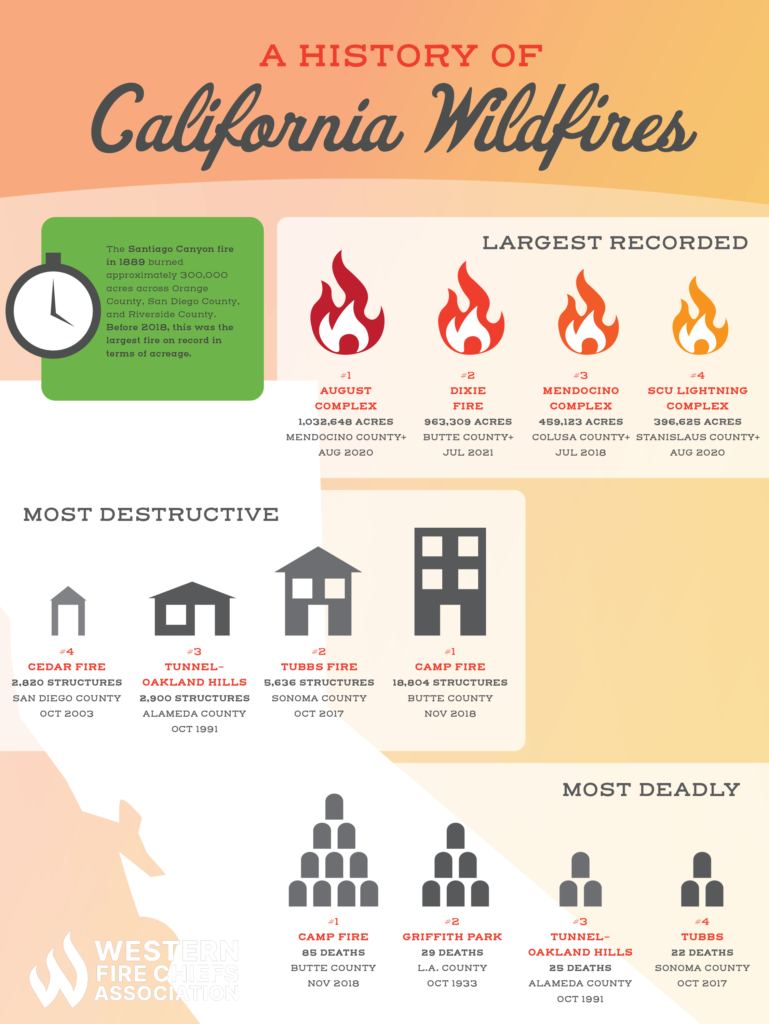
The advent of human settlement brought new ignition sources and altered landscapes. The question of “who started fires” often points to human negligence or intentional acts. However, the reality is that many fires are sparked by a variety of human-related causes, ranging from accidents to deliberate arson. Power lines, faulty equipment, campfires left unattended, discarded cigarettes, and even fireworks can all serve as unintentional ignition points. In recent years, the role of utility companies and their aging infrastructure has come under intense scrutiny, with many devastating fires being traced back to downed power lines or malfunctioning equipment. The vast network of electrical infrastructure crisscrossing millions of acres of dry brush and timber presents a constant risk, especially during periods of high winds.
Beyond accidental ignitions, arson remains a persistent threat. While the motivations for arson can vary, the consequences are invariably destructive. Law enforcement agencies actively investigate and prosecute individuals responsible for intentionally setting fires, but the sheer scale of California’s wildlands makes prevention and detection a monumental task.
However, attributing fires solely to the direct actions of individuals, whether negligent or malicious, oversimplifies a deeply interconnected problem. Climate change has emerged as a significant amplifier of wildfire risk. Rising global temperatures contribute to longer, hotter, and drier fire seasons. This exacerbates drought conditions, turning once resilient vegetation into tinder. The increased frequency of extreme weather events, such as Santa Ana winds in Southern California and Diablo winds in Northern California, can rapidly spread fires, transforming small incidents into catastrophic infernos. These winds, often occurring in autumn and early winter, are characterized by their dry, hot nature and can push flames at incredible speeds, overwhelming firefighting efforts.
The interconnectedness of these factors—natural conditions, human ignition sources, and climate-driven exacerbation—means that pinpointing a single “starter” for any given fire is often impossible and ultimately unhelpful in addressing the systemic issues. Instead, a comprehensive understanding requires examining the broader context.
The Role of Human Activity and Infrastructure
The impact of human presence in California’s wildland-urban interface (WUI) cannot be overstated. As more people choose to live in or near areas with high fire risk, the potential for human-caused ignitions increases. This expansion of development into fire-prone landscapes, often facilitated by a history of fire suppression that allowed fuel to build up, creates a volatile environment. The very presence of homes, businesses, and critical infrastructure within these zones elevates the stakes, transforming a natural fire into a disaster.
Unintended Ignition Sources
A significant portion of wildfires in California are initiated by human activities, often unintentionally. These include:
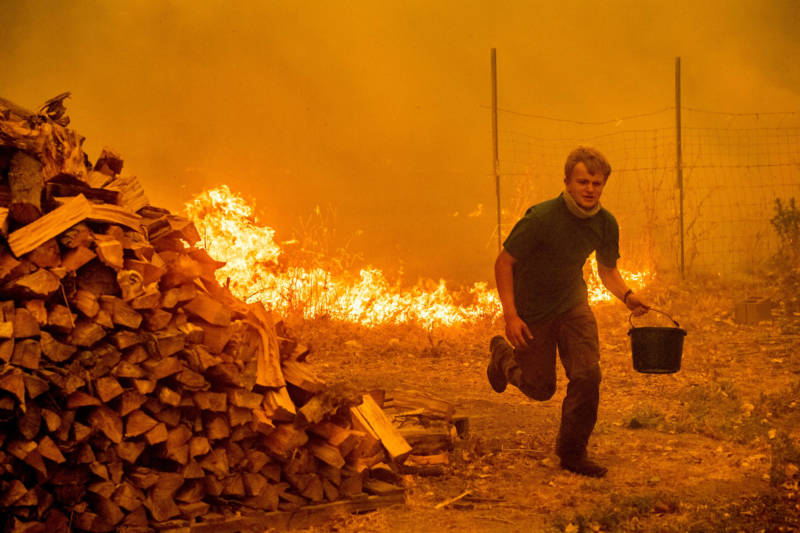
- Electrical Equipment: Power lines are frequently cited as a cause of devastating fires. Sparks from downed lines, faulty transformers, or vegetation coming into contact with energized wires can easily ignite dry grass and brush. Utility companies are increasingly being held accountable for the condition of their infrastructure and their response to high-wind conditions, which can exacerbate the risk of power line ignitions. Examples include the Camp Fire, which devastated the town of Paradise, and the recent fires linked to the negligence of Pacific Gas and Electric (PG&E).
- Vehicles: Hot exhaust systems, sparks from dragging chains, or catalytic converters can ignite dry vegetation along roadsides. Vehicle fires that spread into surrounding brush are a common occurrence, particularly during peak travel seasons.
- Campfires and Outdoor Recreation: Unattended campfires are a perennial cause of wildfires. Even embers from a seemingly extinguished fire can be fanned into flames by wind. Similarly, discarded cigarettes, fireworks, and debris burning can all lead to uncontrolled fires.
- Equipment Use: Power tools such as chainsaws, lawnmowers, and weed whackers can create sparks that ignite dry fuels. Construction activities and agricultural operations can also contribute to fire ignitions if not managed with extreme caution.
Intentional Acts: Arson
While often less frequent than accidental ignitions, arson remains a serious concern. Individuals intentionally setting fires do so for a variety of reasons, including vandalism, revenge, or mental instability. The challenge for law enforcement lies in identifying suspects and gathering sufficient evidence to prosecute. The psychological impact of knowing that fires are deliberately started can be particularly distressing for communities already living under the constant threat of wildfires.
Climate Change: The Great Amplifier
The role of climate change in exacerbating wildfire risk in California is a critical component of the “who started fires” narrative. While climate change doesn’t directly “start” a fire in the sense of providing an ignition source, it creates the conditions that make fires more likely to ignite, spread rapidly, and burn with unprecedented intensity.
Prolonged Drought and Fuel Aridity
California has experienced increasingly severe and prolonged droughts in recent decades. Higher temperatures increase evaporation, drying out soil, vegetation, and forest fuels. This makes them more susceptible to ignition and allows fires to burn more fiercely. The once-predictable wet seasons are becoming shorter and less reliable, meaning that fuels remain dry for longer periods. This is evident in the state’s forests, where dead trees and undergrowth create vast areas of highly flammable material.
Extreme Weather Events
Climate change is linked to an increase in the frequency and intensity of extreme weather events, including heatwaves and strong winds.
- Heatwaves: Record-breaking temperatures create tinderbox conditions across the state, significantly increasing the risk of ignition and the speed at which fires can spread.
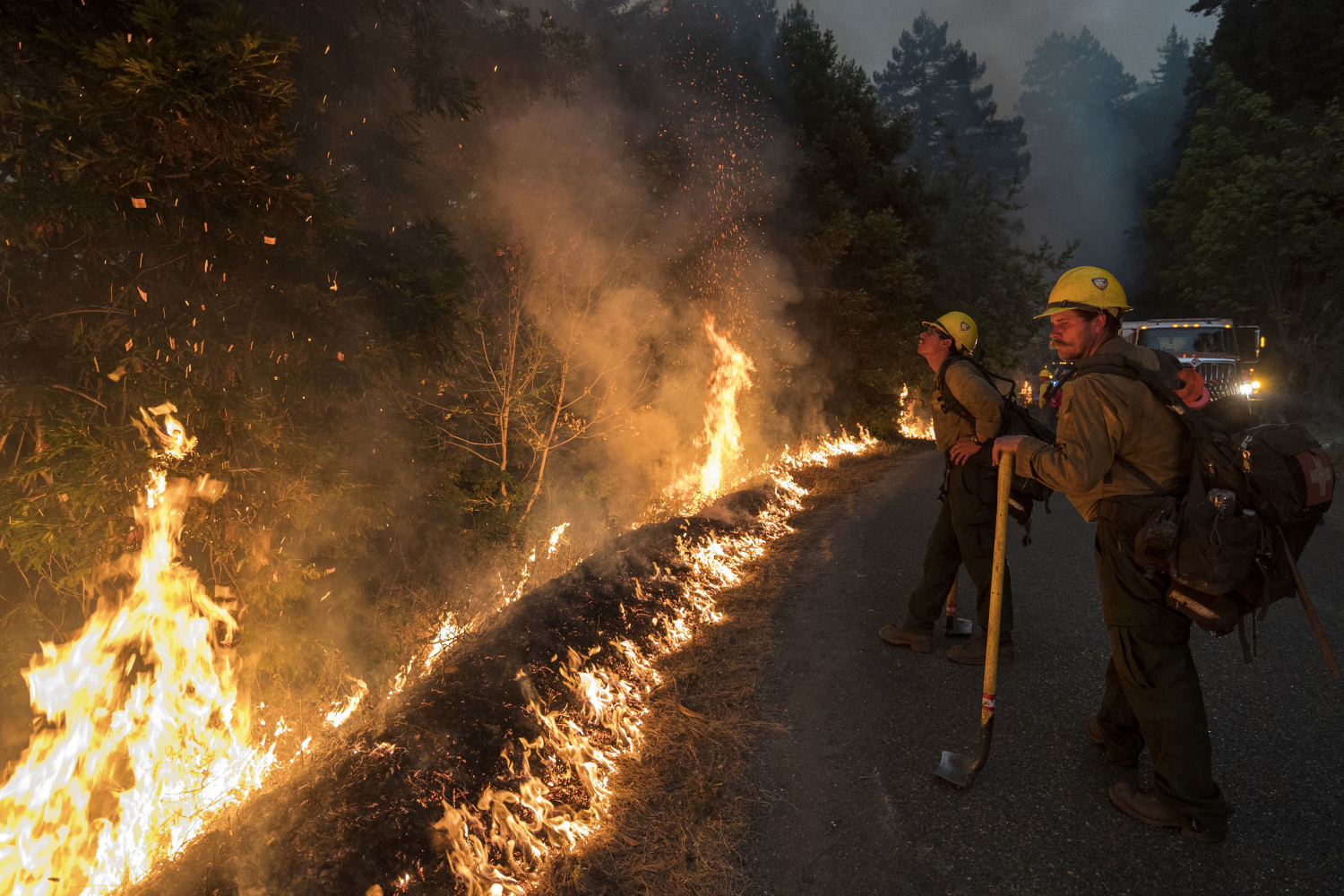
- Wind Events: Powerful winds, such as the Santa Ana winds in Southern California and Diablo winds in Northern California, are notorious for fanning flames and turning small fires into infernos. These winds can push fires at speeds that outpace firefighting efforts, leading to rapid and widespread destruction. The alignment of high temperatures, low humidity, and strong winds creates the perfect storm for catastrophic wildfire events.
The interconnectedness of these factors—natural drying, increased fuel loads from past fire suppression, human ignitions, and climate-amplified weather conditions—paints a complex picture of wildfire causation in California. It is not a question of a single entity but a systemic issue requiring a multi-faceted approach to mitigation and prevention. Understanding these dynamics is crucial for developing effective strategies to protect communities and natural landscapes.
LifeOutOfTheBox is a participant in the Amazon Services LLC Associates Program, an affiliate advertising program designed to provide a means for sites to earn advertising fees by advertising and linking to Amazon.com. Amazon, the Amazon logo, AmazonSupply, and the AmazonSupply logo are trademarks of Amazon.com, Inc. or its affiliates. As an Amazon Associate we earn affiliate commissions from qualifying purchases.