
The Grand Canyon is an iconic symbol of the American West, a place of awe-inspiring beauty and immense geological significance. Its vastness, vibrant colors, and sheer depth have captivated travelers for generations. Given its prominent association with the United States, it’s natural for potential visitors to ponder its exact geographical location. A question that frequently arises, especially among those planning their travel adventures, is: “Is the Grand Canyon in Colorado?”
While Colorado boasts its own magnificent natural landscapes and geological wonders, the Grand Canyon is not located within its borders. The answer to this common query is a definitive no. The Grand Canyon is primarily situated in the state of Arizona, a neighboring state to Colorado, known for its desert beauty and ancient geological formations. Understanding this distinction is crucial for anyone embarking on a journey to explore this natural marvel, ensuring accurate planning for travel, accommodation, and experiencing the local tourism.
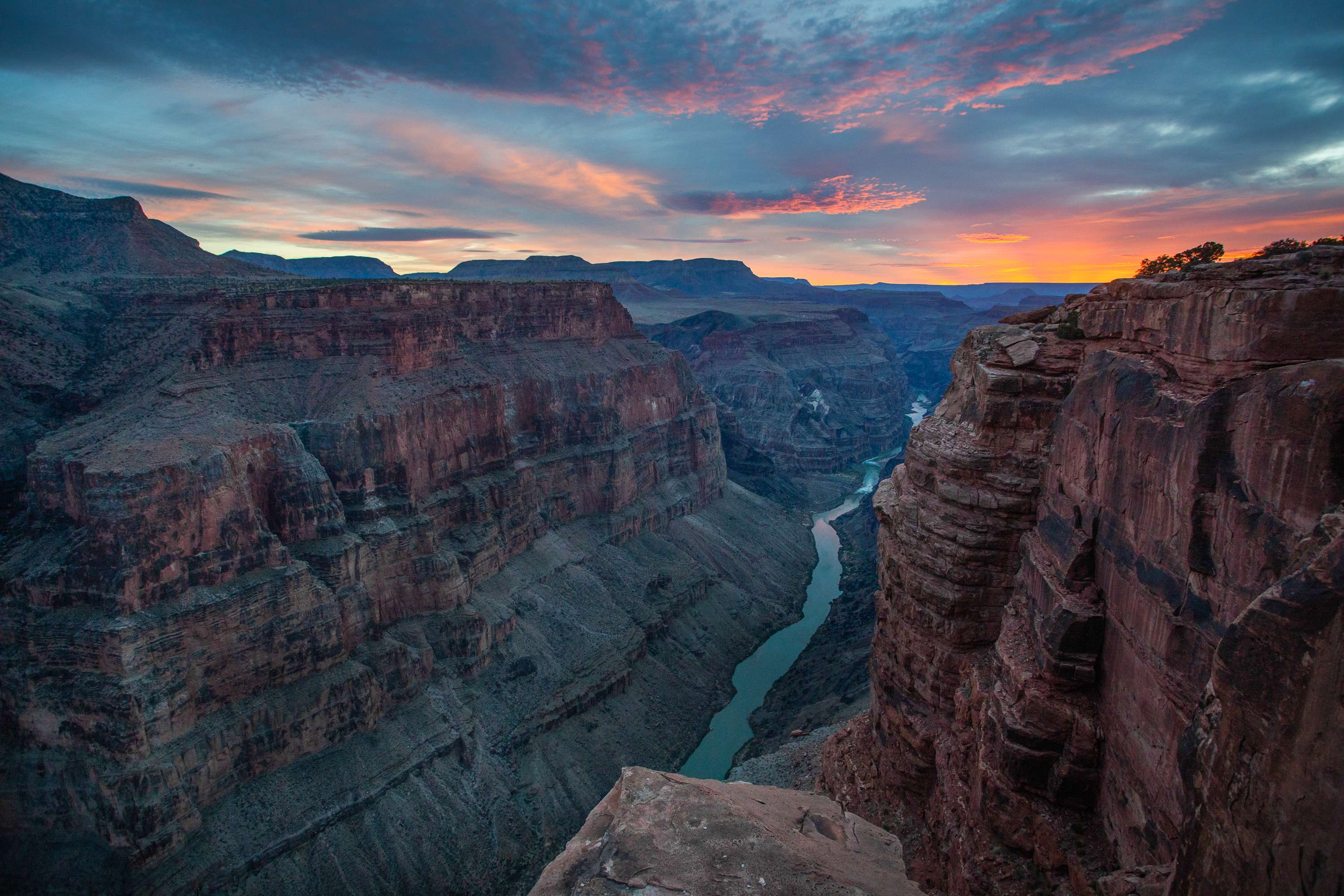
This article aims to clarify the location of the Grand Canyon and, in doing so, will delve into its geological importance, the unparalleled travel experiences it offers, the diverse accommodation options available, and the rich tourism landscape surrounding this magnificent landmark. We’ll also touch upon how it fits into the broader context of famous natural landmarks in the United States and the lifestyle choices that bring people to its rim.
Unveiling the True Location and Geological Majesty
The Grand Canyon National Park, the principal area of this natural wonder, lies predominantly within the state of Arizona. Specifically, it is carved by the mighty Colorado River, which flows through the northern part of the state. The park itself spans a significant portion of the Colorado Plateau, a vast physiographic region that extends across parts of Arizona, Utah, Colorado, and New Mexico. However, the most celebrated and accessible sections of the Grand Canyon, including the South Rim and the North Rim, are unequivocally in Arizona.
The Genesis of a Natural Masterpiece
The creation of the Grand Canyon is a testament to the immense power of natural forces over an almost incomprehensible timescale. For approximately five to six million years, the Colorado River has been relentlessly eroding the Colorado Plateau. This ongoing process of erosion, combined with uplift of the plateau itself, has sculpted the canyon into its present-day form. The result is a chasm approximately 277 miles (446 kilometers) long, up to 18 miles (29 kilometers) wide, and over a mile (1.6 kilometers) deep.
The exposed rock layers within the Grand Canyon provide an unparalleled glimpse into Earth’s geological history. These strata represent nearly two billion years of the planet’s past, offering scientists a unique opportunity to study ancient environments, climates, and the evolution of life. The distinct bands of color in the canyon walls – reds, oranges, yellows, purples, and browns – are not merely aesthetic; they are the signatures of different rock types and mineral compositions, each telling a story of a different era.
This geological narrative makes the Grand Canyon a paramount landmark, not just for its scenic beauty but also for its scientific value. It is a living museum, a natural laboratory where the processes of erosion, sedimentation, and tectonic activity are laid bare for all to see and appreciate. While Colorado is renowned for its dramatic Rocky Mountains, the Grand Canyon represents a different kind of geological artistry – that of water and time.
Experiencing the Grand Canyon: A World of Travel and Tourism
The Grand Canyon is more than just a hole in the ground; it’s a destination that offers a diverse range of travel experiences. From the thrill-seeker to the contemplative observer, there’s something for everyone. The primary gateway to the Grand Canyon is through its National Park, which is managed by the National Park Service. This ensures that the natural beauty and integrity of the canyon are preserved for future generations while providing access for millions of visitors each year.
Planning Your Grand Adventure: Key Travel Considerations
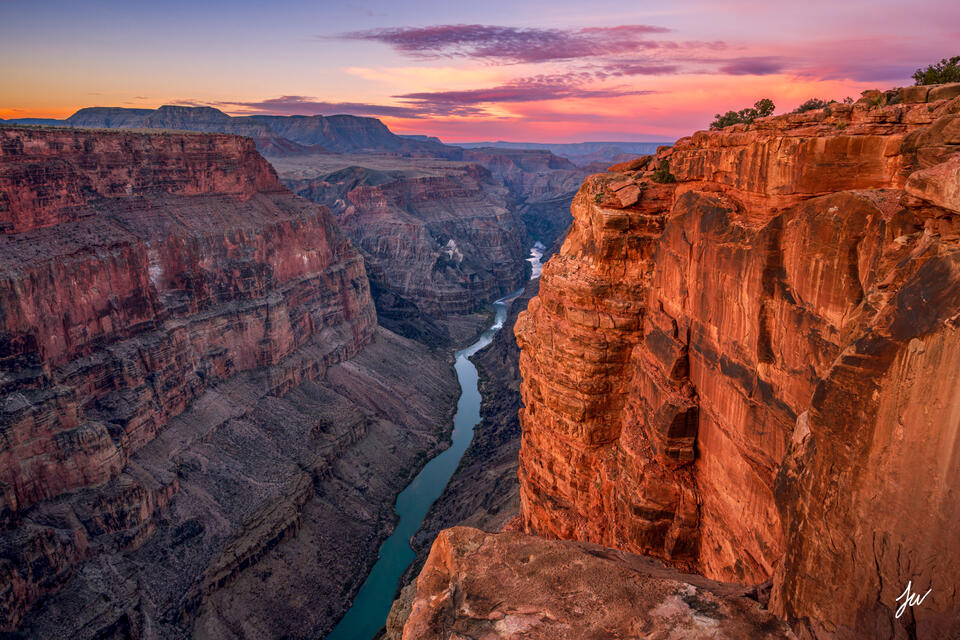
When planning a trip to the Grand Canyon, understanding the different access points and the experiences they offer is essential. The most popular and easily accessible part of the park is the South Rim. It is open year-round and offers spectacular panoramic views, numerous viewpoints, visitor centers, and a wide array of services. Here, you can find lodging, dining, and shops. The South Rim is home to iconic spots like Mather Point and Yavapai Point, offering classic vistas that have graced countless photographs and postcards.
The North Rim, in contrast, is more remote and less developed, offering a more rugged and intimate experience. It is typically open from mid-May to mid-October due to heavy snowfall. The North Rim is about a thousand feet higher than the South Rim, leading to different vegetation and a cooler climate. It provides stunning views of the inner canyon and a sense of solitude that is harder to find on the more crowded South Rim.
For those seeking a truly immersive experience, venturing below the rim is an option. Hiking trails, ranging from easy day hikes to strenuous multi-day treks, descend into the canyon. The most famous of these is the Bright Angel Trail on the South Rim and the North Kaibab Trail on the North Rim. These trails offer a profound perspective on the canyon’s scale and geology. Experienced hikers can even venture to Phantom Ranch, a historic oasis at the bottom of the canyon, accessible only by foot, mule, or by boat on the Colorado River.
Beyond hiking, other popular activities include mule rides, which have been a part of the Grand Canyon experience for over a century, offering a unique and traditional way to explore the canyon’s trails. Helicopter tours provide breathtaking aerial views, allowing visitors to grasp the sheer immensity of the Grand Canyon from a bird’s-eye perspective. For a truly unique perspective, consider a rafting trip down the Colorado River. These expeditions can range from single-day excursions to multi-week adventures, offering an unparalleled opportunity to witness the canyon’s grandeur from its very floor.
The tourism surrounding the Grand Canyon is extensive, with nearby towns like Grand Canyon Village, Tusayan, and Williams serving as gateways and offering a range of amenities. These towns provide accommodation, dining, and services for visitors preparing to enter the park. The local culture is deeply intertwined with the canyon, with a strong emphasis on preservation and respect for the natural environment. Indigenous communities, such as the Havasupai and Hualapai tribes, have ancestral ties to the Grand Canyon and offer unique cultural experiences and insights for visitors who seek them out.
Accommodation and Lifestyle Choices for Your Grand Canyon Visit
When visiting a destination as magnificent as the Grand Canyon, the choice of accommodation plays a significant role in shaping the overall experience. Whether you’re seeking luxury, budget-friendly options, or a family-friendly retreat, the Grand Canyon region caters to a diverse range of travel styles and preferences. The lifestyle choices of visitors often revolve around maximizing their time and enjoyment of this natural wonder.

Staying Near the Rim: Options for Every Traveler
Within Grand Canyon National Park itself, there are several lodges managed by Xanterra Parks & Resorts and Delaware North. These include the historic El Tovar Hotel on the South Rim, which offers a classic, upscale experience with stunning views. The Bright Angel Lodge, also on the South Rim, provides a more rustic and casual atmosphere, with cabins and lodge rooms. For those seeking a more modern stay, the Yavapai Lodge offers comfortable accommodations. On the North Rim, the Grand Canyon Lodge provides a similar, albeit more secluded, experience. Booking accommodations within the park is highly recommended, especially during peak season, as they tend to fill up months in advance.
Outside the park boundaries, particularly in the gateway town of Tusayan, visitors will find a variety of hotels and motels. These options often include familiar chains and offer amenities such as swimming pools and on-site dining. This area is ideal for those who prefer a wider range of hotel choices or are traveling with a tighter schedule.
For travelers seeking longer stays or a more independent experience, vacation rentals and apartments can be found in nearby towns like Williams or even Flagstaff, which is about a 1.5-hour drive from the South Rim. These options are particularly attractive for families or groups who wish to have their own kitchen facilities and more space. The availability of long-term stay accommodations allows visitors to immerse themselves more deeply in the region, perhaps spending several days exploring different aspects of the Grand Canyon and its surroundings.
The lifestyle surrounding a visit to the Grand Canyon can range from the ultimate luxury travel experience, with stays at upscale lodges and private tours, to budget travel, which might involve camping, staying in more basic motels, or utilizing public transportation within the park. Family trips often focus on educational aspects, easy-to-access viewpoints, and activities suitable for all ages, such as the Junior Ranger program. Business stays, while less common, might be accommodated in larger hotels in gateway towns, though the primary draw remains the natural wonder.
Regardless of the chosen accommodation or lifestyle, the unifying factor for all visitors to the Grand Canyon is the profound impact of its sheer scale and beauty. It’s a place that encourages reflection, awe, and a deep appreciation for the natural world. While Colorado offers its own unique grandeur, the Grand Canyon stands as a singular testament to the erosive power of water and the vastness of geological time, firmly rooted in the breathtaking landscapes of Arizona.
LifeOutOfTheBox is a participant in the Amazon Services LLC Associates Program, an affiliate advertising program designed to provide a means for sites to earn advertising fees by advertising and linking to Amazon.com. Amazon, the Amazon logo, AmazonSupply, and the AmazonSupply logo are trademarks of Amazon.com, Inc. or its affiliates. As an Amazon Associate we earn affiliate commissions from qualifying purchases.