
The Boston Marathon is an iconic event, a testament to human endurance and a vibrant celebration of athletic achievement. For over a century, runners from across the globe have converged on Massachusetts to test their limits on its storied course. However, the spirit of this grand race, like many significant historical events, is not without its moments of profound tragedy. While the overwhelming narrative of the Boston Marathon is one of triumph and community, it is crucial to acknowledge and understand the somber chapters that have also shaped its legacy. The question “Who Died In [Boston Marathon]?” often refers to the devastating terrorist attack in 2013, an event that sent shockwaves far beyond the finish line and forever etched a dark day into the race’s history.

This exploration delves into the human cost of the Boston Marathon, focusing primarily on the lives lost and irrevocably changed by the 2013 bombings. We will also touch upon the broader context of the race’s enduring appeal as a travel destination, a hub for tourism, and a symbol of Boston’s resilient spirit.
The Tragedy of April 15, 2013
The morning of April 15, 2013, began like any other Boston Marathon day – with a palpable sense of excitement and anticipation. Thousands of runners, a kaleidoscope of national flags, and cheering crowds lined the route from Hopkinton to the iconic finish line on Boylston Street. The air buzzed with athletic endeavor and the collective joy of a city celebrating. However, at approximately 2:49 PM Eastern Daylight Time, two homemade pressure-cooker bombs detonated near the finish line within seconds of each other.
The explosions tore through the festive atmosphere, transforming cheers into screams and celebration into chaos. Shrapnel from the devices ripped through the dense crowd, inflicting horrific injuries. In the immediate aftermath, the scale of the disaster began to emerge. The terrorist attack, orchestrated by brothers Tamerlan Tsarnaev and Dzhokhar Tsarnaev, was not random; it was a deliberate act of violence aimed at innocent civilians.
The Lives Lost
The Boston Marathon bombings claimed the lives of three innocent spectators and tragically injured hundreds more. These were not just statistics; they were individuals with families, dreams, and futures that were brutally cut short.
-
Krystle Campbell, 29: A resident of Medford, Massachusetts, Krystle Campbell was a vibrant young woman who had gone to cheer on her boyfriend, Patrick Downes, who was running the marathon. She was a graduate of Boston University and worked in restaurant management. Her family described her as outgoing, adventurous, and someone who loved to laugh. Her death was a profound loss to her parents, William and Denise Campbell, her brother, William Campbell Jr., and her extended family and friends. She was celebrating her 29th birthday on the day of the bombing.
-
Lingzi Lu, 23: A graduate student at Boston University, Lingzi Lu was a native of Shenyang, China. She was studying statistics and had come to watch the marathon with friends. Described as intelligent, kind, and dedicated to her studies, Lingzi Lu was a promising young scholar whose life was tragically extinguished. Her parents, Zhonghua Lu and Jun Lu, expressed their immense grief and the devastation of losing their only child. Her death highlighted the international reach of the tragedy, as people from around the world gather for this beloved event.
-
Martin Richard, 8: The youngest victim of the bombings, 8-year-old Martin Richard, was a resident of the Dorchester neighborhood of Boston. He was at the marathon with his parents, Bill Richard and Denise Richard, and his siblings. Martin was known for his bright smile and energetic spirit. His family, in a statement released after his death, embodied the spirit of resilience and forgiveness, asking for peace and healing rather than retribution. Their strength in the face of such unimaginable loss resonated deeply with many.
These three lives, so full of promise and connection, were cruelly taken. Their stories serve as a stark reminder of the human cost of terrorism and the fragility of life, even in the midst of joyous celebration.
The Impact of the Bombings
The aftermath of the Boston Marathon bombings was characterized by an outpouring of grief, a swift and determined manhunt for the perpetrators, and an overwhelming sense of unity and solidarity within the Boston community and beyond. The city, often seen as a bustling hub for academic and cultural pursuits, displayed remarkable fortitude.
The medical response was immediate and heroic, with first responders, medical professionals, and ordinary citizens rushing to provide aid. Over 260 people were injured, many sustaining life-altering wounds, including severe burns, amputations, and shrapnel injuries. The physical and psychological scars left by the attacks have been deep and enduring for survivors and their families.
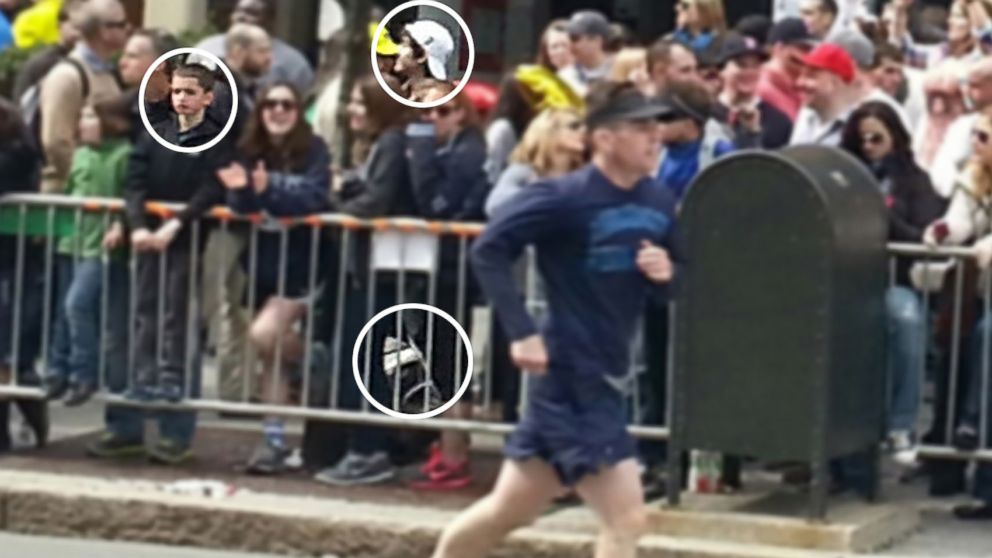
In the days that followed, the Tsarnaev brothers were identified as the bombers. A tense manhunt ensued, culminating in a lockdown of the city and a dramatic confrontation in Watertown, Massachusetts. During this pursuit, an accomplice and associate of the brothers, Tamerlan Tsarnaev, was killed in a shootout with police. His younger brother, Dzhokhar Tsarnaev, was captured and later convicted of crimes related to the bombing, including the use of weapons of mass destruction.
The bombings prompted significant discussions about security at large public events, the nature of terrorism, and the importance of community resilience. Boston rallied together, demonstrating that acts of violence could not extinguish the city’s spirit.
The Boston Marathon as a Tourist Destination and Lifestyle Experience
Beyond the tragic events of 2013, the Boston Marathon remains a significant draw for tourists and a celebrated part of the city’s lifestyle. The marathon itself is a world-renowned athletic event, attracting participants and spectators from all corners of the globe. The entire experience surrounding the marathon offers a unique lens through which to explore Boston and its rich history.
Planning Your Trip to Boston for the Marathon
For those planning to visit Boston to witness or participate in the marathon, careful planning is essential. The event draws massive crowds, and accommodation and travel arrangements should be made well in advance.
Accommodation Options:
Boston offers a diverse range of accommodations to suit every budget and preference, from luxury hotels to charming boutique inns and comfortable apartments.
- Hotels: The city boasts a plethora of world-class hotels, many located conveniently near the marathon route or major transportation hubs. Options range from iconic establishments like the Fairmont Copley Plaza and the Boston Marriott Copley Place to a wide array of other reputable brands. Many hotels offer special packages during the marathon period, though booking early is highly recommended.
- Resorts and Suites: For those seeking more spacious or luxurious stays, Boston has options that can feel like a home away from home, offering amenities that cater to families or longer stays.
- Apartments and Villas: A growing number of travelers opt for short-term apartment rentals, providing more space and the convenience of a kitchen, which can be particularly beneficial for families or groups traveling together.
Travel and Logistics:
Getting to Boston is straightforward, with Boston Logan International Airport serving as a major gateway. Within the city, the Massachusetts Bay Transportation Authority (MBTA), often referred to as “the T,” provides an efficient subway and bus system, which is ideal for navigating the city during the marathon. Many runners and spectators utilize the T to access different points along the race course.
Experiencing Boston: Beyond the Marathon Finish Line
While the Boston Marathon is the primary draw for many, the city of Boston itself is a treasure trove of history, culture, and culinary delights. Extending your visit to explore the city offers a richer travel experience.
Landmarks and Attractions:
Boston is steeped in American history. The Freedom Trail is an absolute must-visit, leading you past significant sites such as Faneuil Hall Marketplace, the Old North Church, and the site of the Boston Massacre. Other notable landmarks include Fenway Park, the historic baseball stadium, and the beautiful Boston Common, the oldest city park in the United States. For those interested in architecture, the city offers a stunning blend of historic brownstones and modern skyscrapers.
Local Culture and Cuisine:
Boston’s local culture is a vibrant mix of academic prestige, maritime heritage, and a distinct New England charm. Exploring neighborhoods like Beacon Hill with its gas-lit streets or the lively atmosphere of the North End, Boston’s oldest residential neighborhood and a hub for Italian culture and cuisine, provides immersive experiences. Food enthusiasts will find plenty to savor, from classic New England seafood like clam chowder and lobster rolls to the diverse culinary scene that reflects the city’s multicultural population.
Lifestyle and Experiences:
Whether you’re a luxury traveler seeking fine dining and upscale shopping, a budget traveler looking for affordable yet authentic experiences, or a family on a memorable trip, Boston caters to all. The marathon itself is a lifestyle event, embodying dedication, perseverance, and community spirit. Experiencing it firsthand, whether as a runner, a spectator, or a volunteer, offers a unique perspective on this enduring tradition. The city’s many festivals, cultural events, and vibrant nightlife further contribute to its appeal as a dynamic travel destination.
In conclusion, while the memory of the 2013 tragedy remains a poignant part of the Boston Marathon’s history, it does not define the event or the city. The marathon continues to be a symbol of hope, resilience, and the extraordinary spirit of human endeavor, drawing people together to celebrate athletic achievement and the enduring strength of community. The individuals whose lives were lost are not forgotten, and their memory serves as a solemn reminder of the importance of peace and unity.
LifeOutOfTheBox is a participant in the Amazon Services LLC Associates Program, an affiliate advertising program designed to provide a means for sites to earn advertising fees by advertising and linking to Amazon.com. Amazon, the Amazon logo, AmazonSupply, and the AmazonSupply logo are trademarks of Amazon.com, Inc. or its affiliates. As an Amazon Associate we earn affiliate commissions from qualifying purchases.