
Connecticut, a state steeped in history and brimming with charm, often prompts questions from those planning a visit or delving into its rich past. One such fundamental query is, “How many counties in Connecticut?” While the answer might seem straightforward, understanding the administrative and geographical landscape of the “Constitution State” offers a deeper appreciation for its unique character and the diverse experiences it provides. This exploration will not only answer the central question but also unpack the significance of these counties in shaping Connecticut’s identity, from its bustling urban centers to its serene natural landscapes, and how they influence travel, tourism, and lifestyle choices within the state.
Unveiling Connecticut’s County Structure
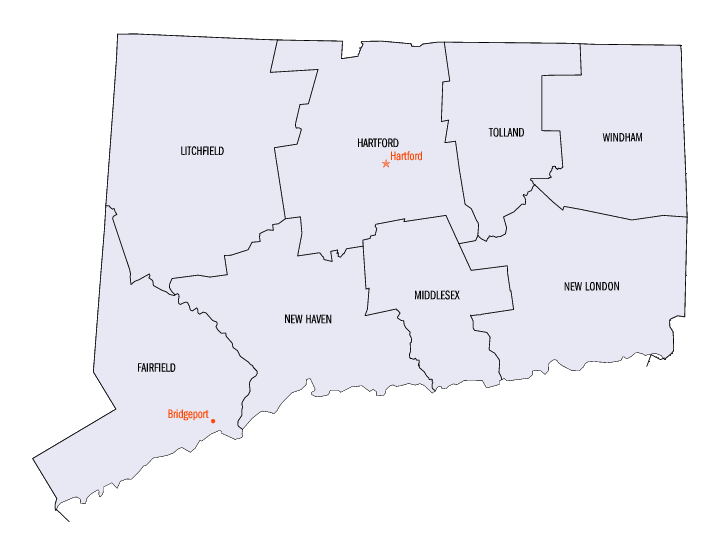
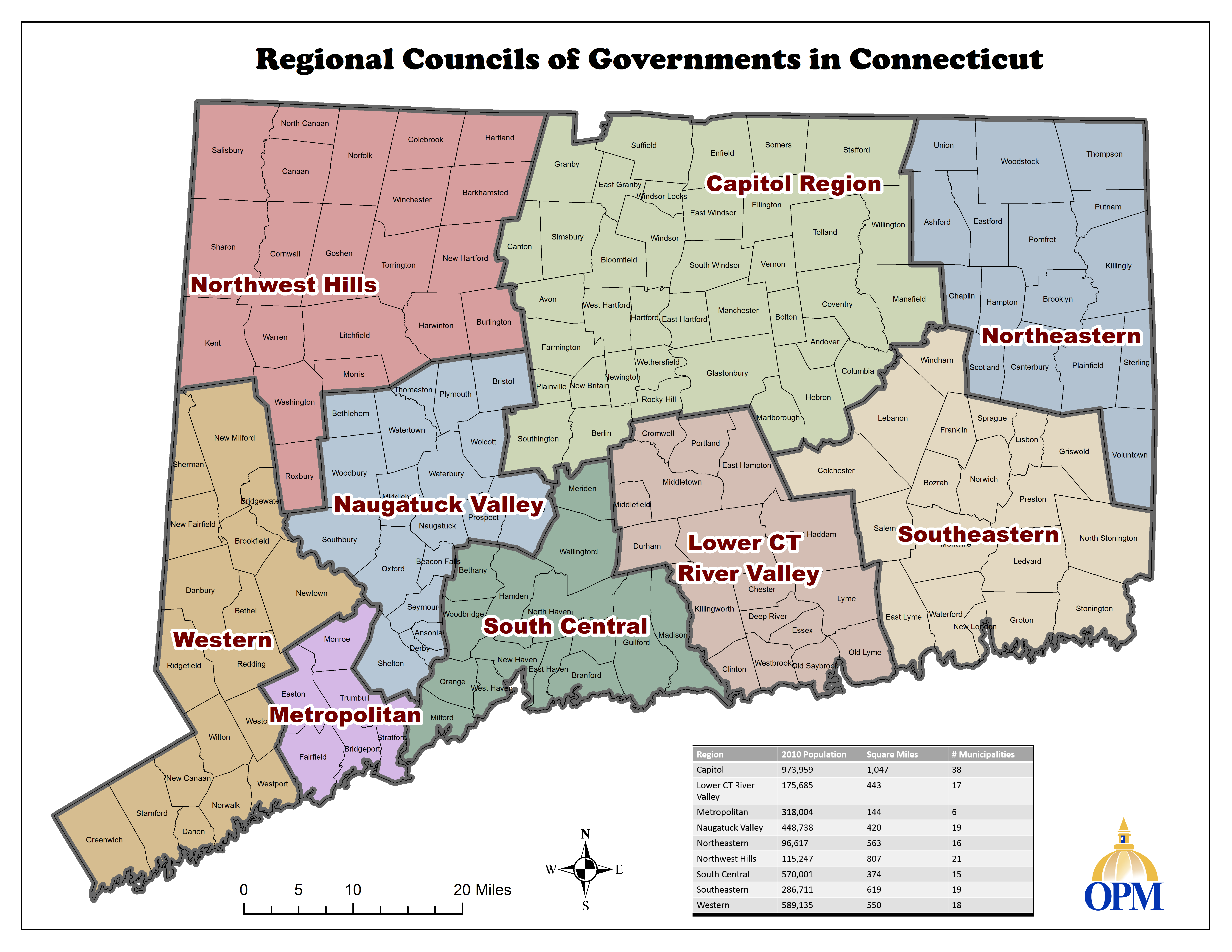
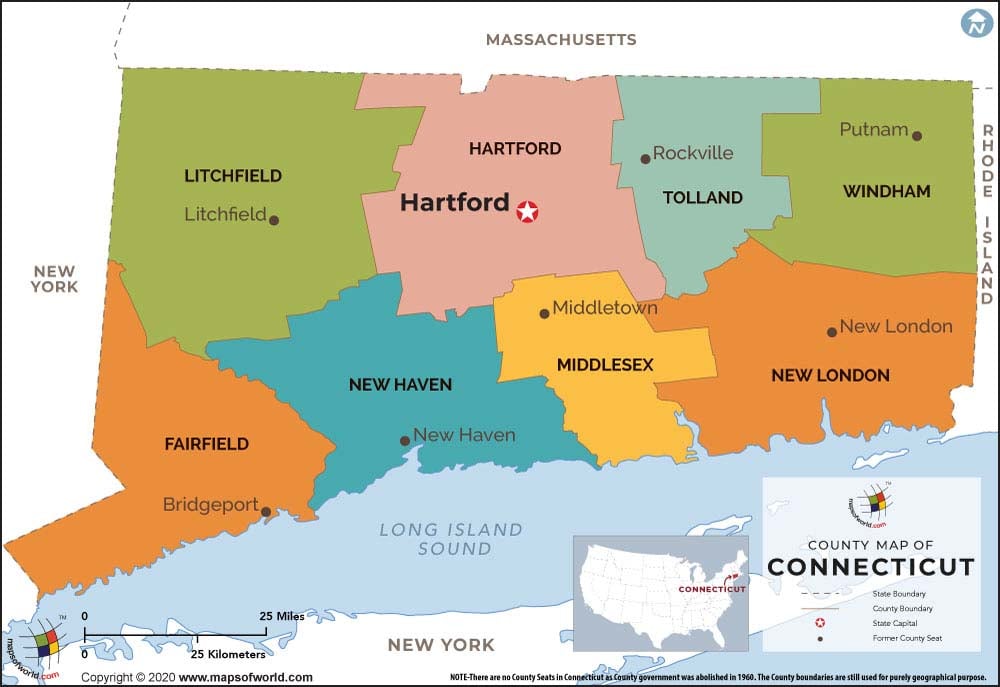
At the heart of the matter, the answer to “How many counties in Connecticut?” is eight. These eight counties, established over centuries, form the fundamental administrative divisions of the state. While the concept of counties in the United States often implies distinct governmental functions and elected officials, Connecticut’s system has evolved, with many of their original governmental roles having been dissolved. Today, counties in Connecticut primarily serve as geographical and historical markers, influencing regional identities and often serving as reference points for planning travel, understanding local attractions, and appreciating the state’s diverse offerings.
These eight counties are:
- Fairfield County: The southwesternmost county, bordering New York, is the most populous and economically significant. It’s known for its affluent suburbs, vibrant arts scene, and proximity to New York City.
- Hartford County: Located in the central part of the state, this county is home to the state capital, Hartford, and a hub of finance, insurance, and culture.
- Litchfield County: To the northwest, this is the largest county by area and is celebrated for its picturesque New England villages, rolling hills, and outdoor recreational opportunities, making it a prime destination for luxury travel and family trips.
- Middlesex County: Situated along the Connecticut River in the central-south, this county boasts a maritime heritage, charming river towns, and significant natural beauty.
- New Haven County: In the south-central region, this county is home to the historic cities of New Haven, renowned for its prestigious universities, and Waterbury, known for its industrial past.
- New London County: The southeasternmost county, this area is rich in maritime history, home to the Submarine Force Library and Museum and the historic port city of New London. It’s also a gateway to popular coastal attractions.
- Tolland County: Located in the northeastern part of the state, this county is characterized by its rural charm, forests, and a slower pace of life, offering a glimpse into traditional New England tourism.
- Windham County: The easternmost county, often referred to as “The Last Green Valley,” is recognized for its preserved natural landscapes, agricultural heritage, and a collection of charming small towns, ideal for budget travel and nature enthusiasts.
Understanding these counties is not just about a number; it’s about recognizing the distinct character and allure of each region, which plays a crucial role in how visitors and residents experience Connecticut.
Exploring the Unique Character of Each County
Each of Connecticut’s eight counties offers a distinct flavor, shaped by its geography, history, and the people who call it home. This diversity is a cornerstone of the state’s appeal, providing a wide array of destinations, attractions, and experiences for every type of traveler.
Southwestern Charm: Fairfield County
Fairfield County, bordering New York, is a dynamic region that blends sophisticated suburban living with coastal beauty and a thriving arts and culture scene. Its proximity to New York City makes it a popular commuter town, but it boasts its own unique identity. The county is dotted with charming coastal towns like Greenwich, Darien, and Westport, offering beautiful beaches, upscale boutiques, and a sophisticated dining scene. Inland, cities like Bridgeport showcase a revitalized urban landscape with a focus on arts and innovation. Stamford is another significant economic hub, home to corporate headquarters and a lively downtown area with theaters and restaurants. For those interested in history, Fairfield itself is home to historic sites like the Fairfield Museum and History Center. The county’s appeal often draws those seeking a blend of metropolitan convenience and classic New England coastal aesthetics, making it a prime spot for luxury travel and those appreciating refined lifestyle choices. Visitors can find a range of accommodation options, from boutique hotels in charming villages to elegant apartments and villas overlooking the Long Island Sound.
Central Hubs: Hartford and Beyond
Hartford County sits at the state’s core, embodying a rich tapestry of history, commerce, and culture. Hartford, the state capital, is a city of significant historical importance. It was once a center for printing and publishing, and its legacy is preserved in landmarks like the Mark Twain House & Museum and the Harriet Beecher Stowe Center. The city also boasts impressive architecture, including the iconic Connecticut State Capitol Building. Beyond the capital, Hartford County offers a mix of suburban communities and more rural landscapes. The West Hartford area, for instance, provides a vibrant town center with excellent shopping and dining. The farm-to-table movement is strong in this region, with numerous farmers’ markets and restaurants emphasizing local produce. For those interested in history and architecture, exploring Hartford County offers a deep dive into America’s past. The range of hotels here caters to both business and leisure travelers, with options from established chains to unique boutique suites.
The Berkshire Foothills and Rural Beauty: Litchfield County
Litchfield County, often referred to as the “Berkshire Foothills” of Connecticut, is a haven for those seeking natural beauty and quintessential New England charm. This is the largest county by land area, characterized by its rolling hills, dense forests, pristine lakes, and charming villages. Towns like Litchfield, Kent, Washington, and New Milford are renowned for their picturesque village greens, historic colonial homes, and vibrant arts communities. It’s a popular destination for outdoor activities, including hiking, skiing in the winter, and exploring scenic byways. The Kent Falls State Park offers breathtaking waterfall views, making it a must-visit landmark. The county’s appeal lies in its tranquil atmosphere and authentic rural character. It’s an ideal spot for budget travel seeking picturesque landscapes and quiet retreats, as well as for those looking for a serene escape. Accommodation options range from cozy inns and bed and breakfasts to private villas nestled in the countryside, perfect for a relaxing long-term stay or a weekend getaway.
River Towns and Maritime Heritage: Middlesex County
Middlesex County, nestled along the banks of the majestic Connecticut River, offers a captivating blend of maritime history, scenic waterways, and charming riverfront towns. Middletown, a vibrant city, serves as a cultural and economic center, boasting a lively downtown with diverse restaurants and shops, and home to Wesleyan University. Further south, Old Saybrook sits at the mouth of the Connecticut River, offering a historic lighthouse and beautiful coastal views. Essex is another gem, a historic shipbuilding town with a well-preserved village center and a picturesque harbor. The Essex Steam Train and Riverboat is a popular attraction that provides a nostalgic journey through the Connecticut River Valley. The county’s connection to the sea and the river is palpable, offering opportunities for sailing, kayaking, and enjoying fresh seafood. For tourism, the county provides a unique experience of riverine life. Hotels and resorts in Middlesex County often capitalize on these scenic vistas, offering waterfront views and easy access to water-based activities.
Historic Cities and Coastal Exploration: New Haven and New London Counties
New Haven County and New London County represent the southern tier of Connecticut, each with its distinct historical significance and coastal allure. New Haven County is home to the globally renowned city of New Haven, a hub of academic excellence with Yale University at its heart. The city offers a rich cultural landscape, from its world-class museums and theaters to its famous culinary scene, particularly its distinct style of pizza. Beyond New Haven, the county features other notable cities like Waterbury, with its industrial heritage, and charming shoreline towns.
New London County, in the southeast, is deeply intertwined with maritime history. New London itself was a vital whaling and shipbuilding port and now serves as a major base for the U.S. Submarine Force. The Submarine Force Library and Museum, featuring the historic USS Nautilus, is a significant attraction. This county is also the gateway to popular coastal destinations like Mystic, famous for Mystic Seaport Museum and Mystic Aquarium, which are major draws for families and history buffs. The picturesque towns along the coast, such as Old Lyme and Stonington, offer art galleries, antique shops, and beautiful beaches. Both counties provide a wealth of opportunities for exploring landmarks, experiencing local culture, and enjoying coastal tourism. The variety of accommodation available, from city hotels to beachfront resorts and seaside apartments, caters to a broad spectrum of traveler preferences.
Northeastern Tranquility: Tolland and Windham Counties
The northeastern corner of Connecticut, comprising Tolland County and Windham County, offers a more serene and rural escape, often referred to as “The Last Green Valley.” This region is characterized by its rolling farmland, dense forests, and a slower pace of life, providing an authentic taste of New England lifestyle.
Tolland County, in the north-central part of this region, is known for its extensive woodlands and natural preserves, making it ideal for hiking and appreciating the natural environment. Towns like Tolland and Vernon offer a blend of community life and access to the outdoors. It’s a region where agricultural traditions remain strong, with local farms offering fresh produce and a connection to the land.
Windham County, the easternmost county, is deeply committed to preserving its natural beauty and rural character. It’s a patchwork of forests, rivers, and open spaces. Towns like Putnam, Danielson, and Willimantic offer a glimpse into local life, with charming downtown areas and a community spirit. The Natchaug State Forest and the Air-Line State Park Trail are significant landmarks for outdoor enthusiasts. This part of Connecticut is perfect for budget travel and for those seeking a respite from the hustle and bustle, offering opportunities for quiet reflection and connection with nature. Accommodation here tends to be more rustic and intimate, with charming inns and homestays that provide a genuine local experience, fitting well with a lifestyle focused on simplicity and natural beauty.
The Significance of Counties for Travel and Tourism
While Connecticut’s counties may no longer wield the same governmental power as in the past, their existence continues to significantly influence how people plan their travels, explore the state, and engage with its offerings. For travelers, the county division provides a useful framework for understanding the diverse geographical and cultural pockets that make up Connecticut.
When planning a trip, knowing which county a particular destination resides in can offer immediate insights. For instance, if you’re seeking a vibrant arts scene and proximity to New York City, you’d likely focus your travel plans on Fairfield County. If your interest lies in historic maritime culture and whale watching, New London County would be your prime target. For those drawn to the quintessential charm of rolling hills, quaint villages, and outdoor adventures, Litchfield County beckons.
The categories of destinations, attractions, guides, and experiences are often inherently tied to specific counties. Landmarks like the Mark Twain House & Museum in Hartford County or Mystic Seaport Museum in New London County are strong anchors for regional exploration. Similarly, the types of accommodation available – from luxury resorts in the affluent parts of Fairfield County to cozy inns in Litchfield County or waterfront hotels in Middlesex County – are often dictated by the characteristics of the county.
The emphasis on local culture, food, and activities is also deeply county-specific. Each county has its own culinary specialties, traditional festivals, and unique historical narratives that shape its tourism appeal. For example, the seafood traditions in New London County differ from the farm-to-table offerings in Hartford County, and the vibrant arts scene in Fairfield County offers a different experience than the historical reenactments in some of the more rural counties.
Ultimately, while you can navigate Connecticut without explicitly thinking about its counties, understanding this administrative structure adds a valuable layer to your journey. It helps in appreciating the state’s multifaceted identity, from its bustling urban centers to its serene natural landscapes, and enhances the ability to discover hidden gems and tailor travel experiences to personal preferences, whether you’re seeking luxury travel, budget travel, family trips, or peaceful business stays. The eight counties serve as distinct chapters in the story of Connecticut, each inviting you to explore its unique narrative.
LifeOutOfTheBox is a participant in the Amazon Services LLC Associates Program, an affiliate advertising program designed to provide a means for sites to earn advertising fees by advertising and linking to Amazon.com. Amazon, the Amazon logo, AmazonSupply, and the AmazonSupply logo are trademarks of Amazon.com, Inc. or its affiliates. As an Amazon Associate we earn affiliate commissions from qualifying purchases.