
The three-letter airport code for Orlando International Airport is MCO. For many travelers jetting into the heart of Florida, this seemingly cryptic designation might spark curiosity. In a world where airport codes often directly relate to the city or airport’s name (like LAX for Los Angeles or JFK for John F. Kennedy International Airport), MCO stands out. The reason behind this unique identifier is a fascinating dive into the region’s military past, seamlessly interwoven with its meteoric rise as a global tourism powerhouse. Understanding why Orlando Airport is MCO not only explains a historical relic but also offers insight into how Orlando transformed from a quiet agricultural community into one of the most visited destinations on Earth, a transformation heavily reliant on its bustling air gateway.
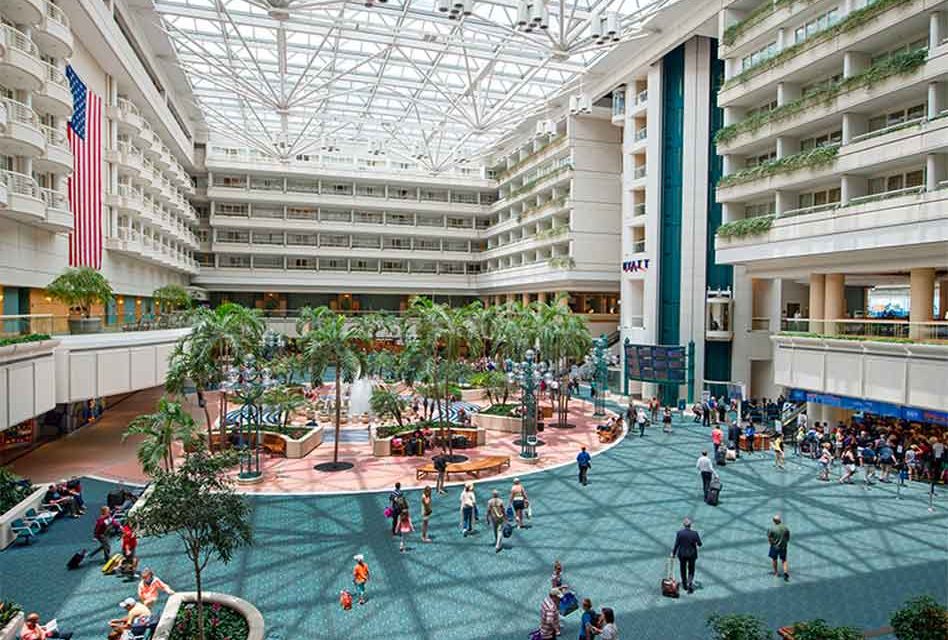
The Orlando International Airport is far more than just a transit point; it is the vital artery feeding the dreams of millions of tourists, business travelers, and residents alike. Its significance extends beyond its historical code, encompassing its role in supporting a vibrant economy driven by world-class attractions, diverse accommodation options, and an unparalleled lifestyle. This article will unravel the story behind the MCO code and explore the airport’s multifaceted impact on travel, tourism, and the overall prosperity of Central Florida.
The Historical Roots of the MCO Code
To understand the origin of the MCO code, we must travel back in time to an era when the sprawling runways of today’s international hub served a very different purpose. Before it became synonymous with Mickey Mouse and magical vacations, the site was a critical military installation that played a significant role in United States defense.
From Military Airfield to International Gateway
The land where Orlando International Airport now sits first saw aviation activity during World War II. In 1942, the United States Army Air Forces established the Pinecastle Army Air Field on the site. Its primary function was to train bomber crews, a crucial task during the global conflict. Following the war, like many military bases across the nation, its future was uncertain. However, the strategic importance of Florida as a launchpad for defense operations and a training ground for air power remained.
In 1951, the base was reactivated and renamed McCoy Air Force Base, honoring Colonel Michael Norman Wright McCoy, a distinguished airman killed in a B-47 crash during a training exercise. Under this new designation, McCoy Air Force Base became a vital hub for the Strategic Air Command (SAC) during the Cold War. It housed long-range bombers and, at one point, even Intercontinental Ballistic Missile sites, underscoring its pivotal role in national security.
Honoring the Past: McCoy Air Force Base
As the region began to grow, particularly with the announcement of Walt Disney World Resort in the 1960s, the need for a modern civilian airport became paramount. The existing municipal airport, Orlando Executive Airport, was too small to handle the anticipated surge in tourism and population. A plan was devised to transition part of McCoy Air Force Base for civilian use.
In 1971, the base was officially decommissioned by the Air Force, and its eastern half was transferred to the city of Orlando for civilian operations. The civilian airport inherited the infrastructure, including the runways, control tower, and some buildings. Crucially, when the International Air Transport Association (IATA) assigned a code to the new civilian airport, it chose to retain a vestige of its military heritage. Thus, MCO was adopted, with “MC” derived directly from “McCoy Air Force Base” and the “O” often considered to stand for Orlando or simply completing the three-letter requirement. This decision provided a direct and lasting link to the site’s rich military past, ensuring that even as the landscape transformed, its history would not be forgotten. The Greater Orlando Aviation Authority (GOAA), which now manages the airport, proudly acknowledges this heritage.
Orlando International Airport: A Modern Travel Marvel
Beyond its historical code, MCO has evolved into a premier international airport, consistently ranking among the busiest in the United States and the world. Its strategic location and state-of-the-art facilities make it an indispensable gateway for a diverse array of travelers.
Gateway to Florida’s Theme Park Capital
Orlando is undeniably the theme park capital of the world, home to iconic attractions like Walt Disney World Resort, Universal Orlando Resort, SeaWorld Orlando, and LEGOLAND Florida Resort. MCO is the primary entry point for millions of families, couples, and solo adventurers seeking these magical experiences. The airport’s design and services are heavily influenced by this tourism-driven clientele. From welcoming decor to efficient transportation options, every aspect is geared towards making the start of a Florida vacation as smooth and enjoyable as possible.
The airport’s proximity to major attractions and extensive hotel zones, including those along International Drive (I-Drive) and in Kissimmee, makes it an ideal landing spot. Travelers can quickly access shuttle services, rental cars, or ride-sharing options to reach their chosen accommodation, whether it’s a luxury resort offering suites and comprehensive amenities, a budget-friendly apartment for a long-term stay, or a cozy villa perfect for family trips. This seamless connectivity is a cornerstone of Orlando’s tourism success, facilitating everything from booking and reviews to comparison of hotel options for every lifestyle.
A Hub for Global Travelers
While tourism is a dominant force, MCO also serves a significant number of business travelers, conventioneers, and residents. Orlando’s growing reputation as a convention destination, with one of the largest convention centers in the United States, means a constant influx of professionals. Furthermore, the development of Lake Nona Medical City has attracted a new wave of visitors in healthcare and research, contributing to the airport’s diverse passenger profile.
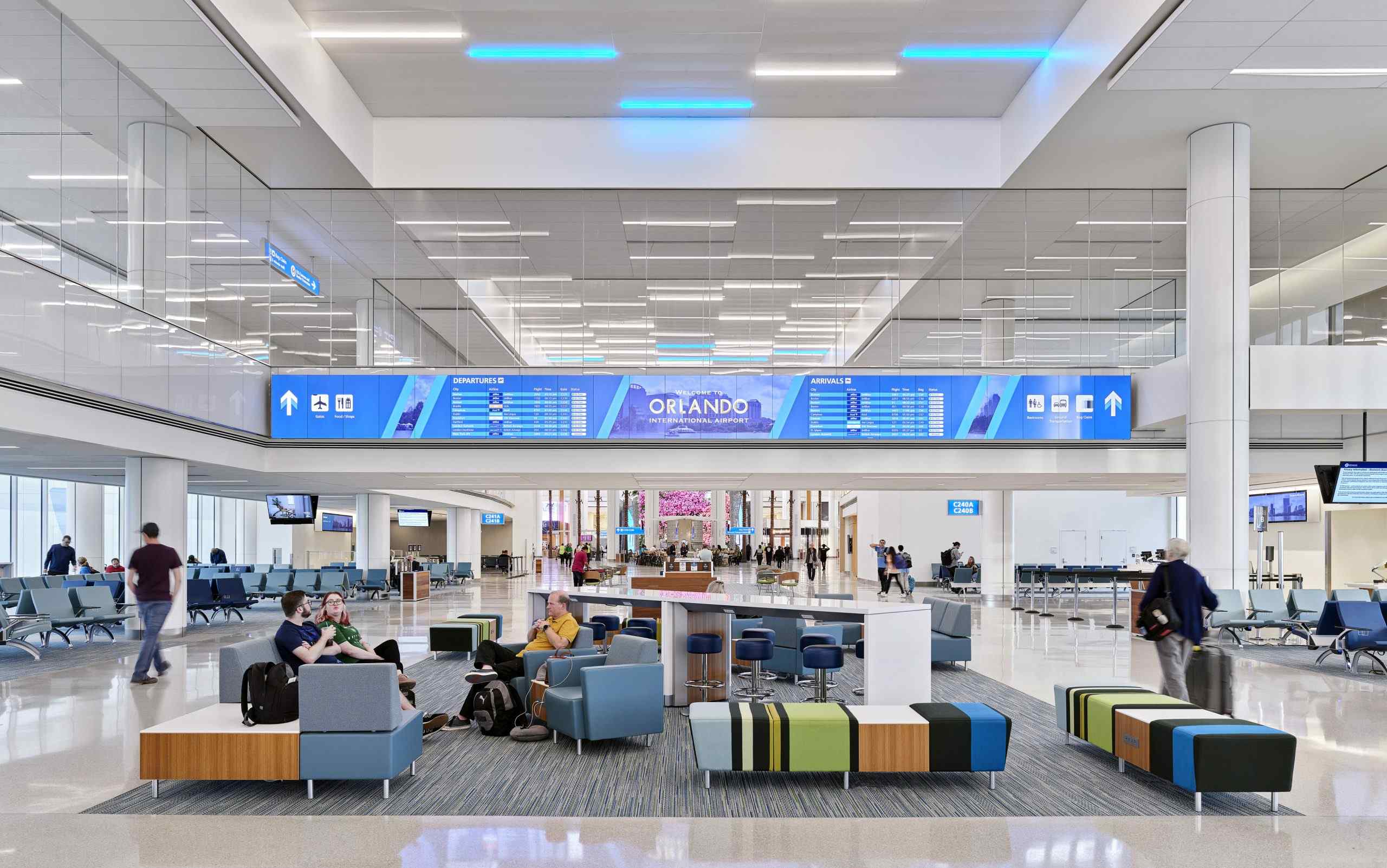
MCO provides direct flights to numerous international destinations across North America, South America, Europe, and beyond, cementing its status as a truly global hub. This extensive network facilitates not only leisure travel but also crucial business links and cultural exchanges, reflecting the airport’s role in connecting Orlando to the world. For those seeking unique experiences, MCO also serves as a gateway to the nearby Space Coast, home to the Kennedy Space Center and the vibrant cruise terminals of Port Canaveral.
The MCO Experience: Beyond the Code
The excellence of Orlando International Airport is not just in its historical significance or its passenger numbers, but in the experience it offers to millions of travelers each year. The airport consistently invests in modern amenities, efficient operations, and a focus on passenger comfort, reflecting the high standards expected by visitors to a world-class destination.
Navigating the Airport: Facilities and Amenities
MCO is renowned for its thoughtful design, particularly its airside-landside terminal layout. Passengers arrive at one of four airside concourses, which are connected to the main terminal building (landside) by an efficient automated people mover system, often referred to as the Aerotrain. This design minimizes walking distances and provides a streamlined experience from gate to ground transportation.
Within the main terminal, travelers will find an array of services catering to every need. Dining options range from quick-service eateries to full-service restaurants, offering a taste of local flavors and international cuisine. Retail therapy is abundant, with duty-free shops, brand-name stores, and souvenir outlets providing ample opportunities for last-minute purchases. For those seeking comfort and relaxation before or after a flight, there are several airline lounges and common areas designed for unwinding. Business travelers benefit from charging stations, Wi-Fi access, and dedicated quiet zones.
One of the standout amenities is the on-site Hyatt Regency Orlando International Airport, seamlessly integrated into the main terminal. This luxury hotel offers convenient accommodation for early morning flights, late arrivals, or simply a place to refresh during a layover. Its presence highlights the airport’s commitment to providing comprehensive services, blurring the lines between transit hub and a destination in itself. This type of accommodation makes it an attractive choice for both family trips and business stays, ensuring that every traveler finds comfort and convenience.
Connectivity and Accessibility
Accessibility is a key priority for MCO. The airport offers extensive ground transportation options to connect travelers to every corner of Central Florida. Rental car facilities are conveniently located on-site, offering a wide selection of vehicles from major agencies. Shuttle services, taxis, and ride-sharing apps provide direct links to hotels, theme parks, and nearby cities like Kissimmee, Cocoa Beach, and Daytona Beach. Public transportation options also connect the airport to downtown Orlando and beyond.
Furthermore, MCO is continually undergoing expansion and modernization projects to enhance its capacity and improve passenger flow. The recent opening of Terminal C is a testament to the airport’s forward-thinking approach, designed to accommodate future growth and integrate advanced technologies for baggage handling, security, and passenger processing. These developments ensure that MCO remains at the forefront of aviation, capable of handling increasing numbers of visitors efficiently and comfortably, solidifying its place as a crucial landmark in global travel infrastructure.
MCO’s Economic and Tourism Impact
The impact of Orlando International Airport on the local and regional economy is profound and far-reaching. It is not merely an airport but a powerful economic engine that fuels job creation, investment, and the overall prosperity of Orlando and Central Florida.
Fueling Orlando’s Growth
As one of the busiest airports in the world, MCO directly supports tens of thousands of jobs, from airline staff and airport operations to ground transportation providers, retail workers, and hospitality professionals. Indirectly, its existence generates countless more jobs across the tourism, accommodation, and service sectors. The ease with which millions can access Orlando through MCO is a fundamental factor in the success of the region’s major industries.
The airport attracts significant investment, not only in its own infrastructure but also in surrounding commercial developments. Areas adjacent to MCO, such as Lake Nona, have seen rapid growth, transforming into vibrant communities with residential, commercial, and medical facilities. This synergy between airport access and urban development underscores MCO’s role as a catalyst for regional economic expansion. Moreover, its cargo operations facilitate trade and commerce, linking local businesses to national and international markets.

The Heart of Central Florida Tourism
For the tourism industry, MCO is indispensable. It is the first impression for countless visitors heading to Walt Disney World Resort, Universal Orlando Resort, and other attractions. The flow of passengers through MCO directly translates into bookings for hotels and resorts, patronage for restaurants, ticket sales for attractions, and revenue for retail businesses. This creates a robust and dynamic tourism ecosystem that supports a wide range of lifestyle choices, from luxury travel to budget-conscious family trips.
The airport’s connectivity to global destinations allows Orlando to tap into diverse international markets, bringing in visitors from Canada, the United Kingdom, Brazil, and beyond. This international appeal is a testament to both Orlando’s allure as a destination and MCO’s efficiency as an international gateway. Without MCO, the region’s tourism industry, which drives much of its local culture, food scene, and recreational activities, would simply not be able to thrive at its current scale. It stands as a prime example of how vital infrastructure underpins a vibrant tourism economy, shaping the very identity of a destination.
In conclusion, the answer to “Why is Orlando Airport MCO?” is a story of historical tribute and strategic evolution. The code is a nod to its past as McCoy Air Force Base, a critical military asset that once protected the nation. Today, Orlando International Airport stands as a testament to Orlando’s transformation into a global tourism and business hub. From its military origins to its current status as a bustling international gateway, MCO continues to be an integral part of Central Florida’s identity, facilitating unforgettable travel experiences and driving sustained economic growth for one of the world’s most beloved destinations. It is a landmark in itself, a symbol of progress, connection, and the enduring legacy of a place that knows how to welcome the world.
LifeOutOfTheBox is a participant in the Amazon Services LLC Associates Program, an affiliate advertising program designed to provide a means for sites to earn advertising fees by advertising and linking to Amazon.com. Amazon, the Amazon logo, AmazonSupply, and the AmazonSupply logo are trademarks of Amazon.com, Inc. or its affiliates. As an Amazon Associate we earn affiliate commissions from qualifying purchases.