
The question “How many acres is Alaska?” often conjures images of an immense, untamed wilderness, and for good reason. Alaska, known as “The Last Frontier,” is by far the largest state in the United States, a land of staggering dimensions that defy easy comprehension. To answer directly, Alaska spans approximately 425 million acres. This colossal figure isn’t just a number; it’s a testament to the boundless opportunities for exploration, adventure, and profound natural immersion that await travelers to this extraordinary destination.
Understanding the sheer scale of Alaska is the first step in appreciating its unique appeal as a travel destination. Its vastness dictates everything from the diversity of its ecosystems and the remoteness of its attractions to the logistics of travel and the types of accommodation available. For anyone planning an unforgettable journey, whether it’s a luxurious cruise through pristine fjords or a rugged camping trip beneath the northern lights, grasping the immense acreage of Alaska helps frame the adventure of a lifetime.
The Sheer Scale of the Last Frontier
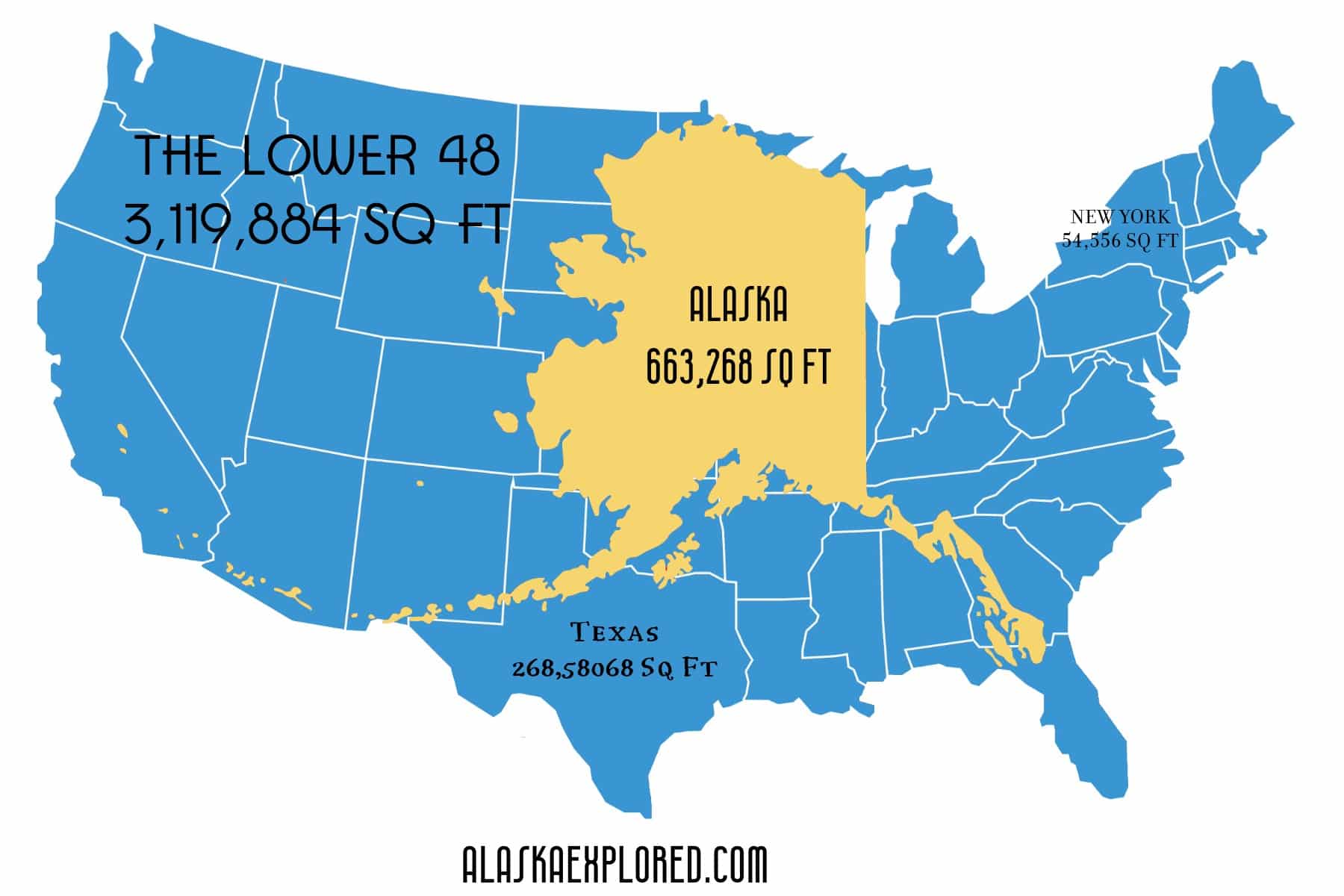
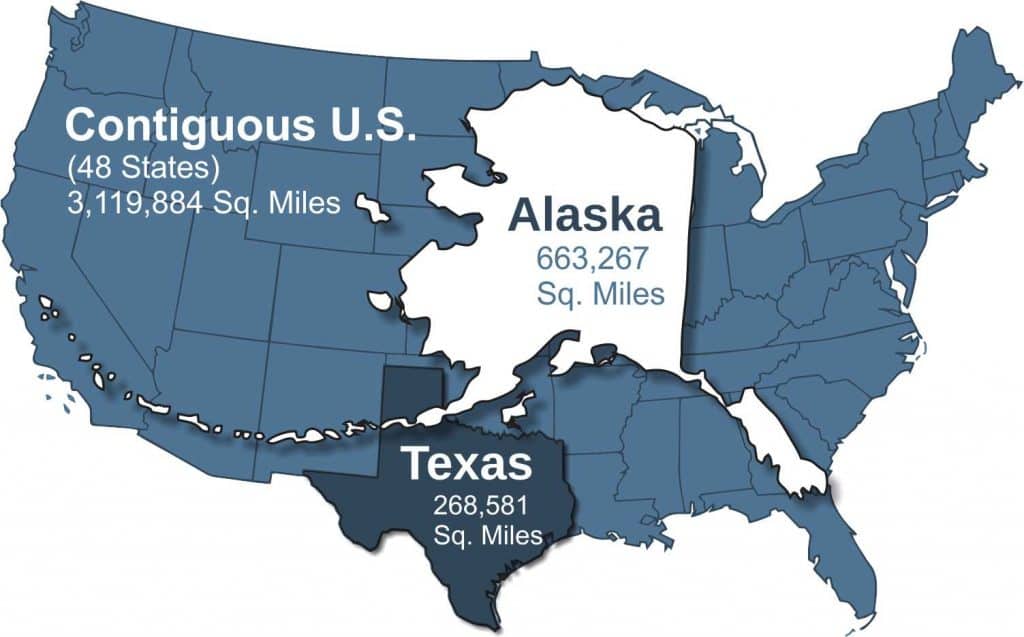
Alaska’s staggering size is arguably its most defining characteristic. With 425 million acres, it’s larger than Texas, California, and Montana combined. To put it another way, if you were to overlay Alaska onto a map of the contiguous United States, it would stretch from coast to coast. This extraordinary acreage means that the state boasts unparalleled natural resources, including over half of the United States’ designated wilderness areas, and a landscape so diverse it feels like several countries rolled into one.
Putting Alaska’s Size into Perspective
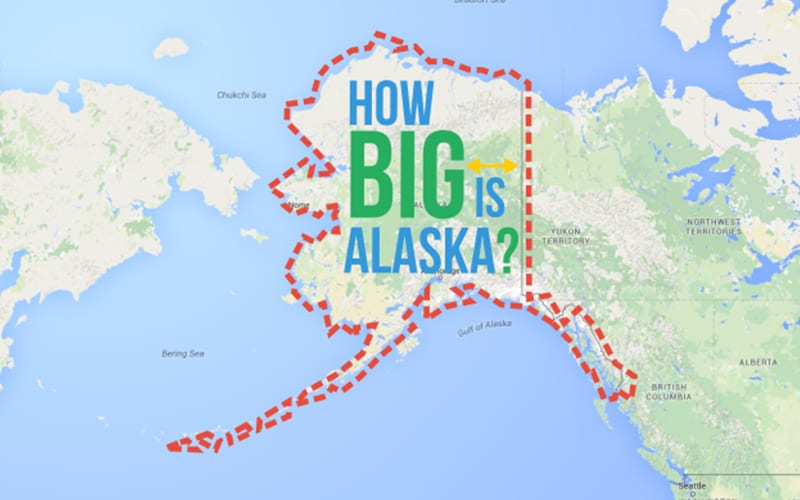
To truly grasp what 425 million acres means, consider these comparisons: Alaska is more than two and a half times the size of Texas, the next largest state. Its coastline alone stretches for over 6,640 miles, longer than all other U.S. states combined, excluding its numerous islands and inlets which push the total shoreline to an astonishing 33,904 miles. Imagine the myriad hidden coves, remote beaches, and untouched fishing spots this creates. The landmass of Alaska is so vast that its westernmost point is further west than Hawaii, and its northernmost point extends into the Arctic Circle. The smallest state, Rhode Island, could fit into Alaska over 420 times! This immense acreage isn’t just a geographic curiosity; it shapes the entire travel experience, promising an escape into genuine wilderness where human impact often feels dwarfed by nature’s grandeur.
A Land of Diverse Ecosystems
Within its 425 million acres, Alaska encompasses an incredible array of ecosystems, each offering distinct attractions and experiences. From the temperate rainforests of the Inside Passage in the southeast to the vast arctic tundra of the north, and from towering volcanic peaks in the Aleutian Islands to the dense boreal forests of the interior, the state is a living testament to biodiversity.
This geographical richness is protected through an extensive network of national parks, forests, and wildlife refuges, managed primarily by the National Park Service and the United States Fish and Wildlife Service. Among the most famous are:
- Denali National Park and Preserve: Home to Mount Denali, North America’s highest peak, this park alone covers 6 million acres and offers unparalleled wildlife viewing opportunities, including grizzly bears, moose, caribou, and wolves.
- Glacier Bay National Park and Preserve: A UNESCO World Heritage Site spanning over 3.2 million acres, renowned for its tidewater glaciers, marine wildlife (whales, seals, sea otters), and dramatic fjords.
- Kenai Fjords National Park: Encompassing 669,984 acres of rugged coastlines, icefields, and ocean, it’s a prime spot for kayaking, glacier viewing, and observing diverse marine and terrestrial animals.
- Wrangell-St. Elias National Park and Preserve: At 13.2 million acres, it’s the largest national park in the United States, featuring nine of the 16 highest peaks in the United States and an incredible mix of glaciers, mountains, and rivers.
- Other significant areas: Gates of the Arctic National Park and Preserve, Lake Clark National Park and Preserve, Katmai National Park and Preserve (famous for brown bears), Kobuk Valley National Park, and Yukon-Charley Rivers National Preserve. Beyond national parks, vast tracts like the Izembek National Wildlife Refuge and expansive forests such as Tongass National Forest and Chugach National Forest protect millions more acres, providing critical habitats and endless outdoor recreation.
These protected lands, totaling millions upon millions of acres, are not merely attractions; they are the very essence of Alaska, offering unparalleled opportunities for hiking, fishing, wildlife photography, and truly disconnecting from the modern world.
Unlocking Alaska’s Vastness: Essential Travel Experiences
Traveling across Alaska’s 425 million acres presents an exciting challenge and a myriad of unforgettable experiences. Its sheer size means that no single trip can cover everything, necessitating careful planning to prioritize destinations and activities that align with your travel style and interests.
Iconic Destinations and Natural Wonders
The grandeur of Alaska truly comes alive when exploring its renowned destinations. For many, a trip here is synonymous with witnessing the awe-inspiring Mount Denali, whether from afar or on a flightseeing tour. Cruising through the Inside Passage or Glacier Bay National Park and Preserve provides mesmerizing views of tidewater glaciers calving into the ocean, accompanied by whales breaching and seals lounging on ice floes.
Cities like Anchorage serve as vital hubs, offering a blend of urban amenities and quick access to wilderness adventures. Fairbanks, further north, is the prime location for chasing the ethereal dance of the northern lights during winter months. Juneau, the state capital, is accessible only by air or sea, making it a unique gateway to surrounding glaciers and wildlife. Coastal towns such as Seward, Homer, and Valdez are famed for fishing, sea kayaking, and glacier tours, while the southeastern towns of Ketchikan, Skagway, and Sitka charm visitors with rich history, indigenous culture, and stunning natural backdrops. Each of these locations, though miles apart across Alaska’s vast acreage, offers a distinct piece of the Alaskan puzzle.
Adventures for Every Lifestyle
Alaska’s immense landscape caters to every type of traveler, from adrenaline junkies to those seeking tranquil communion with nature.
- Adventure Seekers: Heli-skiing in the Chugach Mountains, multi-day backcountry treks in Denali National Park and Preserve, whitewater rafting, or even ice climbing on glaciers are just a few options. Dog sledding, a traditional mode of travel, offers an exhilarating way to experience the winter wilderness.
- Luxury Travelers: High-end lodges nestled deep within national parks provide exclusive access to pristine environments with gourmet dining and personalized excursions. Luxury cruises offer unparalleled comfort while exploring the Inside Passage, complete with spa services, fine dining, and expert-led shore excursions. These trips often feature flightseeing tours over glaciers or private bear-viewing experiences, leveraging Alaska’s vast, remote acreage.
- Budget Travelers: Camping in state or national park campgrounds, staying in hostels, or utilizing the public cabin system within national forests offer affordable ways to immerse oneself in nature. Self-drive tours allow flexibility and cost control, especially when combined with cooking your own meals.
- Family Trips: Many resorts and tour operators cater to families with kid-friendly activities like wildlife cruises, fishing charters, easy hikes, and educational programs about Alaska’s unique environment and culture.
- Photography Enthusiasts: The dramatic landscapes, abundant wildlife, and unique light (especially during the long summer days or winter aurora displays) make Alaska a photographer’s paradise, with countless acres of unspoiled beauty to capture.
Cultural Immersion and Local Flavors
Beyond its natural beauty, Alaska offers a rich tapestry of cultural experiences. The state is home to diverse Indigenous peoples, including the Tlingit, Haida, Tsimshian, Athabascan, Inupiaq, Yup’ik, and Aleut. Visitors can learn about their vibrant traditions, art (such as totem poles and intricate carvings), storytelling, and subsistence lifestyles through cultural centers, museums, and village visits.
The local cuisine is another highlight, heavily influenced by Alaska’s abundant natural resources. Freshly caught salmon, halibut, cod, and king crab are staples, often served in charming local eateries or fine dining restaurants. Wild berries, reindeer sausage, and sourdough goods also feature prominently. Sampling these flavors is an integral part of experiencing Alaska’s unique lifestyle, reflecting a deep connection to the land and sea across its millions of acres.
Navigating the Wilderness: Accommodation and Logistics
Planning a trip to Alaska requires careful consideration of how to traverse its immense acreage and where to stay. The sheer distances involved mean that transportation methods and accommodation choices significantly impact the overall experience.
From Remote Cabins to Luxury Resorts
Given Alaska’s vastness, accommodation options are as diverse as its landscapes.
- Wilderness Lodges and Cabins: For those seeking true immersion, remote lodges accessible only by floatplane or boat offer unparalleled solitude and access to untouched nature. These often include guided excursions, gourmet meals, and cozy, rustic-chic interiors.
- Luxury Hotels and Resorts: In larger cities like Anchorage and popular tourist towns, you’ll find upscale hotels offering modern amenities, fine dining, and sometimes spectacular views. The Hotel Captain Cook in Anchorage is an iconic example, blending history with luxury. Near Girdwood, the Alyeska Resort, part of the Curio Collection by Hilton, offers year-round activities and high-end stays. In Fairbanks, the Chena Hot Springs Resort combines accommodation with natural hot springs and aurora viewing.
- Boutique Hotels and B&Bs: Smaller towns and cities often feature charming boutique hotels and bed-and-breakfasts, providing a more personalized and local experience.
- Camping and RV Parks: For budget travelers or those who prefer a deeper connection with nature, campgrounds are plentiful, offering access to some of Alaska’s most scenic areas. RV travel is also popular, allowing travelers to explore at their own pace.
- Cruise Ships: A popular choice for experiencing the Inside Passage, cruise ships act as floating hotels, providing transportation, accommodation, dining, and entertainment, while docking at various port towns for shore excursions.
Booking in advance is highly recommended, especially for peak season (June to August), as popular lodges and unique stays can fill up quickly.
Strategic Stays for Exploration
Given Alaska’s size, strategic planning of your base camps is crucial. Many travelers opt for a multi-stop itinerary, perhaps combining a cruise with land-based exploration from a central city. Anchorage makes an excellent starting point for journeys to Denali National Park and Preserve or the Kenai Peninsula. Fairbanks is ideal for venturing into the Arctic or for winter aurora tours. For a true wilderness experience, a remote lodge might be a destination in itself, requiring several days to fully appreciate its surroundings. The goal is to minimize travel time between points of interest within Alaska’s vast acreage while maximizing time spent exploring.
Planning Your Alaskan Journey
- Best Time to Visit: The summer months (June-August) offer the mildest weather, longest daylight hours (up to 24 hours in some northern regions), and access to most activities. Winter (October-March) is ideal for aurora viewing, skiing, and dog sledding, though many remote areas are less accessible. Shoulder seasons (May, September) offer fewer crowds and often lower prices.
- Transportation:
- Driving: While many areas are roadless, the Alaska Highway and other state routes offer incredible scenic drives. Rental cars are available in major cities.
- Flights: Bush planes and commercial flights are essential for reaching remote areas and connecting major cities. Regional airlines service dozens of small communities across the state’s vast acreage.
- Rail: The Alaska Railroad provides a picturesque way to travel between Seward, Anchorage, Denali National Park and Preserve, and Fairbanks, offering dome cars for panoramic views.
- Cruises/Ferries: The Alaska Marine Highway System (ferries) is a vital link for coastal communities and a unique way to experience the Inside Passage. Cruises are also incredibly popular for coastal exploration.
- Gear: Layers of clothing are crucial due to changeable weather. Waterproof outerwear, sturdy hiking boots, insect repellent, and good binoculars are highly recommended.
The Enduring Appeal of America’s Largest State
Alaska’s 425 million acres represent not just a geographical measurement, but a promise of unparalleled adventure and discovery. It is a land where the wilderness still reigns supreme, where grizzly bears roam free, glaciers carve new landscapes, and the northern lights paint the night sky. The sheer scale of the state ensures that every visit, whether a first-time exploration or a return journey, uncovers new wonders and leaves an indelible mark.
From the majestic peaks of Mount Denali to the intricate waterways of the Inside Passage, from the vibrant cultural centers of its cities to the tranquil solitude of its remote lodges, Alaska offers a travel experience unlike any other. It’s a destination that challenges you to embrace its wildness, rewards you with breathtaking beauty, and reminds you of the profound power of nature. So, when you contemplate the immense 425 million acres of Alaska, envision not just a map, but a boundless realm of unforgettable travel experiences waiting to be discovered.
LifeOutOfTheBox is a participant in the Amazon Services LLC Associates Program, an affiliate advertising program designed to provide a means for sites to earn advertising fees by advertising and linking to Amazon.com. Amazon, the Amazon logo, AmazonSupply, and the AmazonSupply logo are trademarks of Amazon.com, Inc. or its affiliates. As an Amazon Associate we earn affiliate commissions from qualifying purchases.