
New York City, a global epicenter of culture, finance, and innovation, draws millions of visitors each year and is home to an equally diverse population. From the glittering lights of Times Square to the serene paths of Central Park, every corner of this metropolis pulsates with unique energy. But who is at the helm of this vibrant urban landscape? The individual responsible for guiding the city through its myriad challenges and opportunities is its mayor. Currently, the Mayor of New York City is Eric Adams. His role is multifaceted, touching upon every aspect of city life, from public safety and infrastructure to economic development and, crucially for travelers and residents alike, the quality of life and accessibility that defines the Big Apple.
Understanding the mayor’s position is key to appreciating the city’s operational dynamics. The mayor serves as the chief executive officer of the city government, overseeing an extensive bureaucracy, managing a substantial budget, and leading initiatives that shape the experience of its approximate 8.5 million residents and countless tourists. This includes everything from maintaining the iconic Brooklyn Bridge to ensuring the smooth operation of its world-class transit system, fostering a thriving arts scene, and promoting the diverse culinary landscape that makes NYC a bucket-list destination for foodies. For anyone planning a visit or considering a long-term stay, the mayoral administration’s priorities directly influence safety, cleanliness, public transport, and the preservation of the very attractions that draw people in.

The Current Steward of the Five Boroughs
Eric Adams assumed office on January 1, 2022, becoming the 110th Mayor of New York City. His journey to the city’s highest office is a testament to the diverse paths that lead to public service in America’s largest city. Born in Brooklyn and raised in Queens, Adams has deep roots in the communities he now leads. Before his mayoral tenure, he served as the Brooklyn Borough President from 2014 to 2021, a role that gave him extensive experience in borough-level governance, community advocacy, and navigating the city’s complex political landscape. Prior to that, he had a distinguished career in law enforcement, serving for over two decades in the New York City Police Department (NYPD), reaching the rank of captain. This background in both law enforcement and local government has significantly shaped his policy approaches and priorities, particularly concerning public safety and economic recovery.
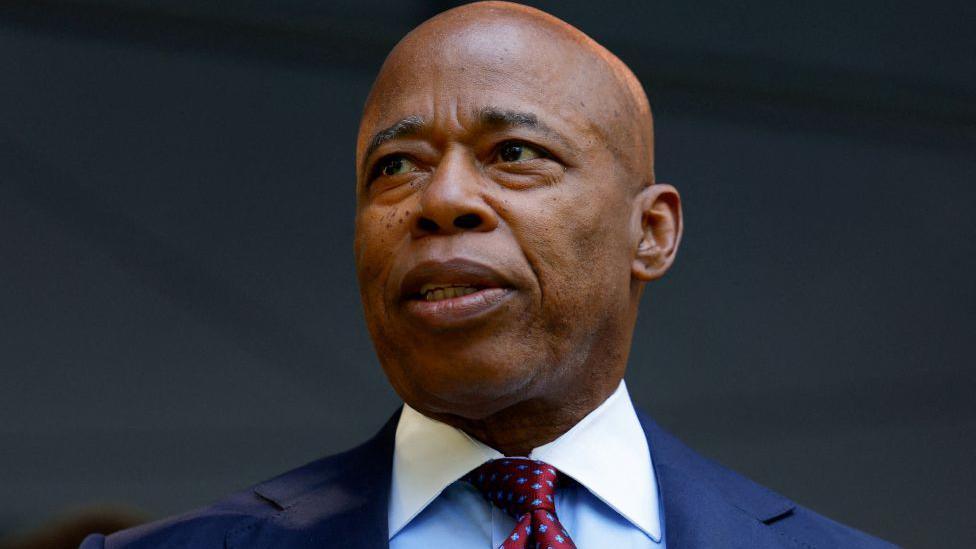
His election came at a critical time, as New York City was grappling with the profound impacts of a global pandemic, which had brought unprecedented challenges to its economy, public health systems, and social fabric. Mayor Adams’ platform centered on restoring public safety, revitalizing the economy, and addressing the systemic inequalities exacerbated by recent crises. For the tourism sector and those involved in accommodation and travel, these priorities are particularly relevant. A safer city is a more appealing destination, and a robust economy supports the hotels, restaurants, and attractions that visitors cherish.
A Brief Overview of the Mayor’s Role
The Mayor of New York City’s responsibilities are vast, encompassing administrative, legislative, and ceremonial duties. Administratively, the mayor oversees numerous city agencies, from sanitation and transportation to parks and public health. They are responsible for appointing commissioners and agency heads, ensuring that city services are delivered efficiently and equitably across the five boroughs: Manhattan, Brooklyn, Queens, The Bronx, and Staten Island. This intricate network directly impacts the daily lives of residents and the experiences of tourists, influencing everything from subway cleanliness to the upkeep of iconic landmarks.
Legislatively, the mayor works closely with the New York City Council to propose and enact laws and allocate the city’s multi-billion dollar budget. This collaborative process determines funding for essential services, urban development projects, and cultural programs that enrich the city’s offerings. Ceremonially, the mayor acts as the city’s chief representative, welcoming dignitaries, participating in civic events, and often serving as the public face of New York City on both national and international stages. This aspect of the role is particularly important for tourism, as the mayor’s public image and pronouncements can significantly influence how the city is perceived globally, affecting visitor numbers and investment.
Key Initiatives and Vision for New York City
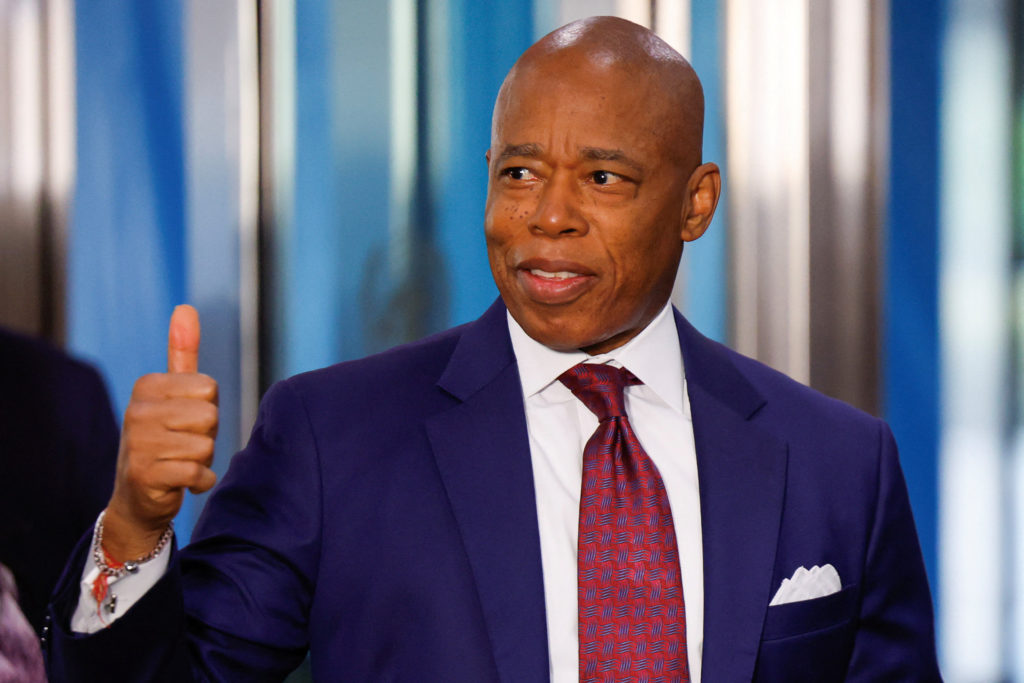
Mayor Adams’ administration has articulated a clear vision for New York City, focusing on several key pillars. Public safety remains a paramount concern, with initiatives aimed at reducing crime and fostering a greater sense of security throughout the city. For visitors, a perception of safety is crucial, influencing decisions on destinations and experiences. The administration has also prioritized economic recovery and job creation, with efforts to support small businesses, attract new industries, and retain talent within the city. This directly impacts the vibrancy of local neighborhoods, the diversity of dining options, and the overall lifestyle available to residents and tourists.
Another significant area of focus is urban planning and infrastructure, including initiatives to improve public spaces, expand affordable housing options, and modernize transportation networks. These efforts contribute to the city’s long-term sustainability and enhance the daily convenience for everyone. Furthermore, the administration emphasizes cultural enrichment and social equity, striving to ensure that New York City remains a welcoming and inclusive place for all, celebrating its unparalleled diversity. For a website dedicated to travel and tourism, these initiatives translate into a more appealing, accessible, and enjoyable city for every kind of visitor, from those seeking luxury travel to those exploring on a budget.
Navigating New York: The Mayor’s Influence on Travel and Tourism
The relationship between the mayor’s office and New York City’s sprawling travel and tourism industries is symbiotic. Mayoral policies can profoundly impact visitor numbers, satisfaction, and the overall economic health of the sector. The city’s reputation as a global destination hinges on factors like public safety, clean streets, efficient public transit, and the preservation of its iconic sites—all areas heavily influenced by the administration. Mayor Adams has frequently spoken about the importance of tourism to NYC’s economic rebound and has worked to promote the city as a welcoming destination.
Initiatives like enhancing security in transit hubs and popular tourist areas, improving the frequency and reliability of subways and buses, and investing in the maintenance of public parks and squares directly contribute to a positive visitor experience. When a tourist feels safe navigating the city streets at night or finds that public transport is a reliable way to get from their hotel in Midtown to a restaurant in Greenwich Village, it strengthens New York City’s appeal as a premier travel destination. Furthermore, the mayor’s support for cultural institutions and events, from Broadway shows to neighborhood festivals, ensures that there is always something new and exciting for visitors to discover, enriching their experiences.
Enhancing Visitor Experiences and Safety
A key aspect of mayoral influence on tourism involves directly enhancing the visitor experience and ensuring their safety. The NYPD, under mayoral oversight, deploys resources to high-traffic tourist areas, providing visible reassurance and quick response capabilities. Campaigns like “New New York City” or similar initiatives often championed by the mayor’s office, aim to restore confidence in the city’s vibrancy and safety post-pandemic. These efforts are not just about policing; they extend to ensuring the cleanliness of public spaces, the efficiency of garbage collection, and the general upkeep of the urban environment, all of which contribute to a pleasant stay.
Moreover, the city’s approach to public health, especially in the wake of global health crises, is critical. The mayor’s office plays a central role in setting policies that protect both residents and visitors, such as vaccination mandates for certain venues or public mask guidelines. Clear communication and consistent policies are vital for travelers planning their trips, as they provide clarity and reduce uncertainty. By prioritizing these elements, the administration helps cement New York City’s reputation as a well-managed and enjoyable destination for travelers from around the globe.
Supporting NYC’s Iconic Landmarks and Attractions
New York City is synonymous with its breathtaking landmarks and diverse attractions. From the historic significance of the Statue of Liberty and Ellis Island to the architectural marvels like the Empire State Building and One World Trade Center, these sites are the bedrock of the city’s appeal. The mayor’s office, often in conjunction with various city departments and private conservancies, plays a vital role in their preservation, accessibility, and promotion. Funding for park maintenance (like Central Park or the High Line), support for cultural institutions such as the Metropolitan Museum of Art or the Museum of Modern Art, and urban planning decisions around new developments near historical sites all fall under the mayor’s purview.
Policies that encourage sustainable tourism and manage crowd flow at popular locations, particularly during peak seasons, are also important. The administration supports events like the Macy’s Thanksgiving Day Parade or the New Year’s Eve celebration in Times Square, which are massive draws for visitors. Furthermore, the city’s culinary scene, an attraction in itself, thrives under an administration that supports local businesses, food safety regulations, and diverse cultural festivals that celebrate New York City’s local culture and international flavors found in neighborhoods like Chinatown or Little Italy.
Accommodation and Lifestyle in the Big Apple: A Mayoral Perspective
The vibrancy of New York City’s accommodation sector—ranging from luxury suites in Manhattan to boutique hotels in Brooklyn and apartments for long-term stays—is significantly influenced by city policies. The mayor’s administration impacts everything from zoning laws that permit new hotel developments to regulations concerning short-term rentals, which directly affect the availability and pricing of temporary housing options for tourists and business travelers. A supportive mayoral stance on business investment and streamlined permitting processes can encourage the growth of the hospitality industry, leading to more diverse and competitive accommodation choices.
Beyond accommodation, the mayor’s vision for urban lifestyle shapes the daily realities for residents and significantly influences the atmosphere experienced by visitors. Policies regarding public space utilization, cultural programming, and the availability of amenities like parks, bike lanes, and vibrant street life contribute to New York City’s unique allure. For a website focusing on lifestyle and travel, these considerations are central to understanding what makes NYC such a dynamic place to live, work, and visit.
The Dynamic Hotel Scene and Urban Living
New York City’s hotel industry is a cornerstone of its tourism economy, offering an unparalleled range of choices, from historic luxury resorts near Central Park to modern boutique hotels in Downtown Manhattan. The mayor’s office plays a role in fostering an environment conducive to this industry’s success. This includes advocating for fair labor practices, ensuring robust public health standards in hotels, and supporting initiatives that promote New York City as a prime location for conferences and conventions, which fill thousands of hotel rooms annually.
Furthermore, the administration’s approach to affordable housing, homelessness, and quality of life issues impacts the perception and reality of urban living. A city that successfully addresses these challenges projects an image of stability and progress, which in turn enhances its appeal for both permanent residents and temporary visitors. The mayor’s support for local businesses, from corner delis to upscale restaurants, also enriches the urban lifestyle, providing diverse food options and unique shopping experiences that are integral to the NYC experience.
Fostering a Diverse and Inclusive Lifestyle for All
New York City is celebrated globally for its unparalleled diversity and the rich tapestry of cultures that coexist within its five boroughs. The mayor’s administration is instrumental in fostering an inclusive lifestyle that embraces this diversity. Policies promoting cultural programs, supporting immigrant communities, and ensuring equitable access to city services contribute to a vibrant, welcoming atmosphere. For travelers, this means a city where they can explore a multitude of cultures, enjoy authentic international cuisines, and experience a truly global melting pot.
Initiatives that enhance accessibility for individuals with disabilities, promote LGBTQ+ rights, and support various ethnic festivals and events also contribute to New York City’s reputation as an open and progressive city. This inclusive approach not only enriches the lives of its residents but also makes New York City a more attractive and comfortable destination for a broader range of international and domestic travelers. The mayor’s vision for a city where everyone feels safe, respected, and has opportunities to thrive directly underpins the rich lifestyle that visitors come to experience and residents are proud to call their own.
The Future of New York City Under Mayoral Leadership
As New York City continues to evolve, the role of its mayor remains central to its trajectory. Eric Adams’ administration faces ongoing challenges, from economic uncertainties to climate change impacts, but also holds immense potential for continued growth and innovation. His leadership will continue to shape how the city recovers, adapts, and thrives in an ever-changing global landscape.
For those interested in travel, tourism, accommodation, and lifestyle in New York City, keeping an eye on mayoral policies and initiatives is crucial. Decisions made in City Hall directly influence everything from the next major urban development project that might create a new landmark or a new hotel offering, to the strategies employed to keep public spaces clean and safe, or the cultural programs that add vibrancy to the city’s fabric. The mayor’s commitment to public safety and economic recovery is fundamental to ensuring that New York City remains a premier destination for travelers and a dynamic home for its residents. Ultimately, the mayor’s vision for New York City is a vision for its future, one that promises continued excitement, opportunity, and an unforgettable experience for everyone who steps foot in the Big Apple.
LifeOutOfTheBox is a participant in the Amazon Services LLC Associates Program, an affiliate advertising program designed to provide a means for sites to earn advertising fees by advertising and linking to Amazon.com. Amazon, the Amazon logo, AmazonSupply, and the AmazonSupply logo are trademarks of Amazon.com, Inc. or its affiliates. As an Amazon Associate we earn affiliate commissions from qualifying purchases.