
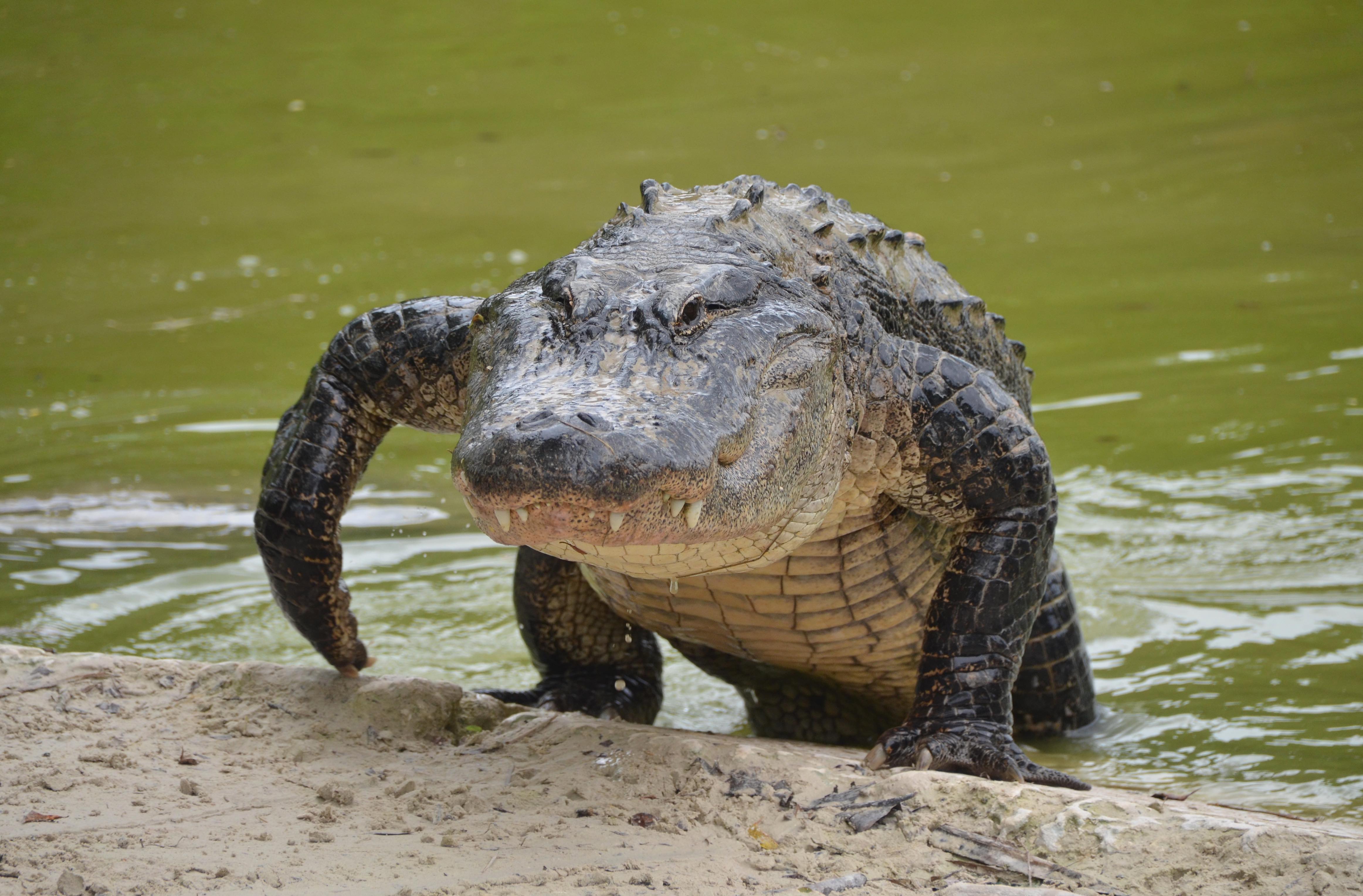
Florida. The very name conjures images of sun-drenched beaches, vibrant theme parks, and a unique brand of subtropical allure. For many, it’s a quintessential American travel destination, a place where palm trees sway and the air hums with the promise of adventure. But beyond the tourist brochures and postcard-perfect vistas lies a wilder, more ancient Florida, one that is inextricably linked to a formidable reptilian resident: the American alligator. The question, “Are alligators native to Florida?” is not just a simple query; it delves into the very ecological identity of the Sunshine State and offers a fascinating glimpse into its natural heritage. The answer is a resounding and undeniable yes. Alligators are not just present in Florida; they are an intrinsic part of its natural landscape, a living testament to millions of years of evolution.
The Alligator’s Deep Roots in the Sunshine State
The presence of alligators in Florida is not a recent phenomenon. These apex predators have inhabited the region for millennia, predating human settlement and even the formation of the state as we know it. Their lineage traces back tens of millions of years, a testament to their adaptability and resilience. Florida’s abundant wetlands, swamps, rivers, and lakes provide the perfect habitat for these ancient creatures to thrive. From the vast expanses of the Everglades National Park to the smallest neighborhood retention pond, alligators have carved out their territory, becoming an iconic symbol of Florida’s wild heart.
A Historical Perspective: From Prehistory to Present Day
To understand the deep connection between alligators and Florida, one must look back through geological time. Fossil evidence indicates that alligators have been a significant part of the southeastern United States’ ecosystem for an incredibly long period. The geological history of Florida, characterized by its low elevation and extensive freshwater systems, has always been conducive to their survival. When early humans arrived, they encountered a landscape teeming with these reptiles, shaping their interactions with the environment and influencing their cultures.
The arrival of European settlers brought new dynamics. Early accounts from explorers and naturalists often described encounters with large reptiles, highlighting their prevalence. Despite periods of hunting and habitat alteration, the American alligator demonstrated a remarkable ability to persist. Conservation efforts in the latter half of the 20th century proved crucial in reversing declining populations, ensuring that these magnificent creatures continue to inhabit the state. Today, the American alligator is a success story in wildlife management, a symbol of how human intervention, when guided by science, can help preserve a species.
Experiencing Florida’s Alligators: Travel, Tourism, and Lifestyle
For visitors to Florida, encountering alligators is often a highlight of their trip, a chance to witness wildlife in its natural habitat. The state offers numerous opportunities for safe and responsible alligator viewing, seamlessly integrating this experience into its vibrant tourism and lifestyle offerings.
Destinations and Attractions for the Wildlife Enthusiast
Florida’s natural beauty is a major draw for tourists, and the chance to see alligators is a significant part of that allure. Numerous destinations cater to those eager to observe these reptiles. The Everglades National Park is, without a doubt, the premier location. Visitors can explore its vast wetland ecosystem via airboat tours, kayak expeditions, or boardwalk trails, often spotting alligators basking in the sun or lurking in the murky waters.
Beyond the Everglades, other notable areas include the Myakka River State Park, known for its abundant alligator population and scenic beauty, and the Green Cay Nature Center in Boynton Beach, which offers elevated boardwalks perfect for viewing. Even within urban areas, it’s not uncommon to see alligators in canals and lakes, reminding residents and visitors alike of their omnipresence. Many local tour operators offer guided wildlife excursions, ensuring a safe and informative experience. These tours often provide valuable insights into alligator behavior, ecology, and the importance of conservation.
Accommodation and Experiences: Integrating Nature into Your Stay
The concept of a “Florida lifestyle” often includes an appreciation for its unique natural environment, and this is reflected in the accommodation and experiences available. Many resorts and hotels are situated in areas that offer proximity to natural habitats. While direct alligator encounters at a resort pool are highly unlikely and discouraged, the surrounding landscapes often provide opportunities for observation.
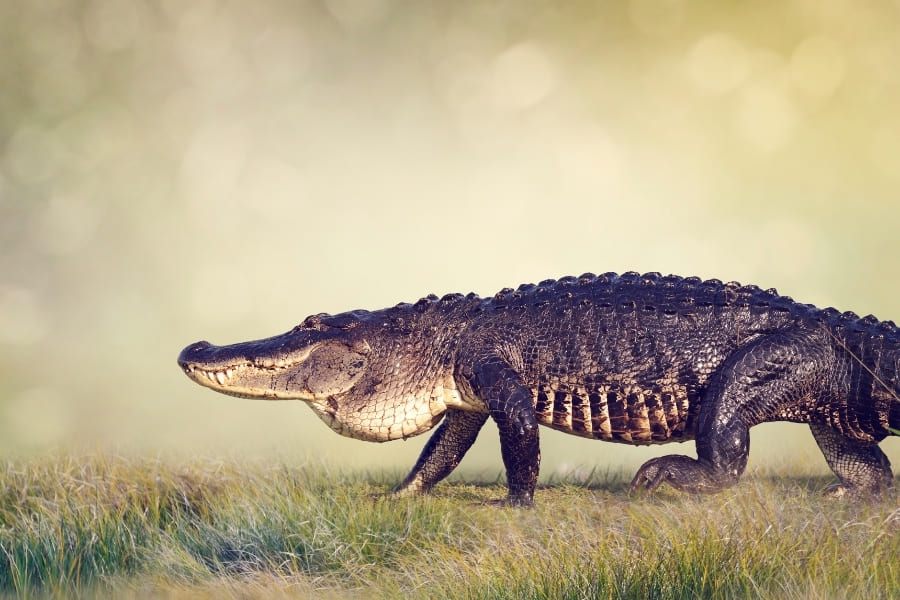
For those seeking a more immersive experience, eco-lodges and nature-focused resorts offer guided tours and educational programs. Consider staying in areas near known alligator habitats, such as near the Ocala National Forest or along the numerous rivers that crisscross the state. Even choosing a villa with a view of a natural waterway might offer a glimpse of these incredible creatures. When booking your accommodation, especially if you are interested in wildlife, inquire about nearby nature centers or parks that offer guided alligator tours. Many hotels and tour operators work together to provide packages that combine comfortable stays with unforgettable wildlife encounters.
Tourism Tips for Responsible Alligator Viewing
Experiencing Florida’s alligators is a privilege, and responsible tourism ensures their continued survival and the safety of visitors. Here are some essential tips:
- Maintain a Safe Distance: Alligators are wild animals and can be dangerous. Never approach, feed, or provoke them. A general rule of thumb is to stay at least 30 feet away.
- Never Feed Alligators: Feeding them habituates them to humans, which can lead to aggressive behavior and often results in the alligator being euthanized. It is also illegal.
- Be Aware of Your Surroundings: Especially in areas known to have alligators, such as near water bodies.
- Supervise Children and Pets: Keep them close and away from the water’s edge.
- Respect Their Habitat: Stick to designated trails and boardwalks. Do not disturb nests or young alligators.
- Choose Reputable Tours: Opt for tour operators who prioritize safety, education, and responsible wildlife viewing practices. They will have experienced guides who know how to approach and observe alligators safely.
- Learn About Them: Visit local nature centers or aquariums to learn more about alligator biology and their role in the ecosystem. This enhances the experience and fosters a greater appreciation for these animals.
The tourism industry in Florida has adapted to showcase its native wildlife, including alligators, in a way that educates and entertains. From boat tours in the Florida Keys to educational programs at zoos like the San Diego Zoo (while not in Florida, it’s an example of wildlife education facilities) or the Zoo Miami, there are ample ways to learn about and appreciate these fascinating reptiles.
Alligators as Symbols of Florida’s Natural Heritage and Conservation
The presence of alligators is not merely an attraction; it is a profound statement about Florida’s ecological significance and the ongoing commitment to conservation. These ancient reptiles play a vital role in maintaining the health of Florida’s aquatic ecosystems.
Ecological Importance: The Role of the Apex Predator
As apex predators, alligators are crucial to the balance of their environment. They help control populations of fish, turtles, and other smaller animals, preventing any single species from becoming too dominant. Their activities, such as digging burrows in riverbanks, create habitats for other species. In the Everglades, alligator holes serve as vital refuges for fish and other aquatic life during dry periods, demonstrating their importance in creating and maintaining biodiversity.
The health of the alligator population is often seen as an indicator of the overall health of the ecosystem. Declining alligator numbers can signal environmental problems, such as pollution or habitat loss. Conversely, thriving alligator populations suggest a healthy and functioning wetland environment. This makes them invaluable to scientists studying Florida’s unique natural resources.
Conservation Efforts and Success Stories
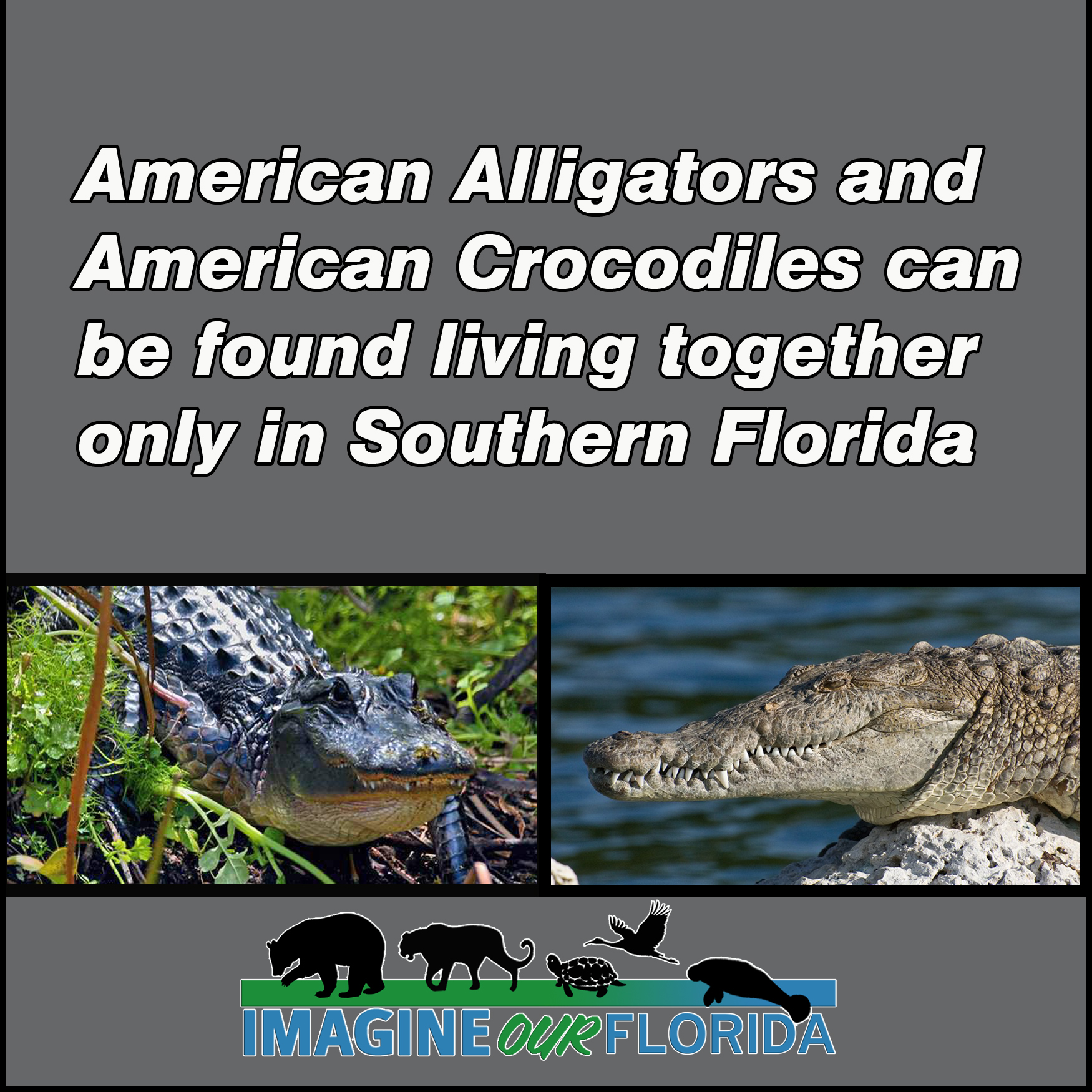
The story of the American alligator in Florida is a remarkable tale of conservation success. In the mid-20th century, alligator populations were severely depleted due to overhunting for their hides and meat, as well as habitat destruction. Fortunately, through dedicated efforts, including protective legislation and habitat restoration, their numbers have rebounded significantly.
The listing of the American alligator under the Endangered Species Act in 1967 was a turning point. This protection, coupled with public awareness campaigns and the establishment of protected areas like the Arthur R. Marshall Loxahatchee National Wildlife Refuge, allowed alligator populations to recover. Today, they are listed as a species of least concern in Florida, a testament to the effectiveness of conservation strategies. This success story inspires ongoing efforts to protect other vulnerable species and their habitats across the state and beyond. The continued existence of a robust alligator population is a clear indicator that Florida’s commitment to preserving its natural heritage is paying off.
In conclusion, the answer to “Are alligators native to Florida?” is a definitive and celebrated yes. They are not just visitors but foundational inhabitants, integral to the state’s ecological tapestry and cultural identity. Whether you are planning a luxury escape to a Florida resort or a budget-friendly family adventure, the opportunity to respectfully witness these magnificent creatures is an experience that underscores the wild beauty and enduring natural heritage of the Sunshine State. From the bustling streets of Miami to the serene waters of the Florida Keys, alligators are a living link to Florida’s ancient past and a vital part of its vibrant present.
LifeOutOfTheBox is a participant in the Amazon Services LLC Associates Program, an affiliate advertising program designed to provide a means for sites to earn advertising fees by advertising and linking to Amazon.com. Amazon, the Amazon logo, AmazonSupply, and the AmazonSupply logo are trademarks of Amazon.com, Inc. or its affiliates. As an Amazon Associate we earn affiliate commissions from qualifying purchases.