
When planning a trip to the Sunshine State, travelers often envision sun-drenched beaches, vibrant theme parks, and lush natural landscapes. The allure of Florida is undeniable, drawing millions of visitors each year to its diverse attractions. However, like any region, Florida has its own unique weather patterns, and understanding them is crucial for a safe and enjoyable experience. A question that occasionally surfaces, particularly during certain times of the year, is: “Are there tornadoes in Florida?” The answer is a resounding yes. While Florida might not immediately come to mind when one thinks of tornado Alley, it is indeed a state that experiences tornadoes, and preparedness is key for anyone visiting or residing there.

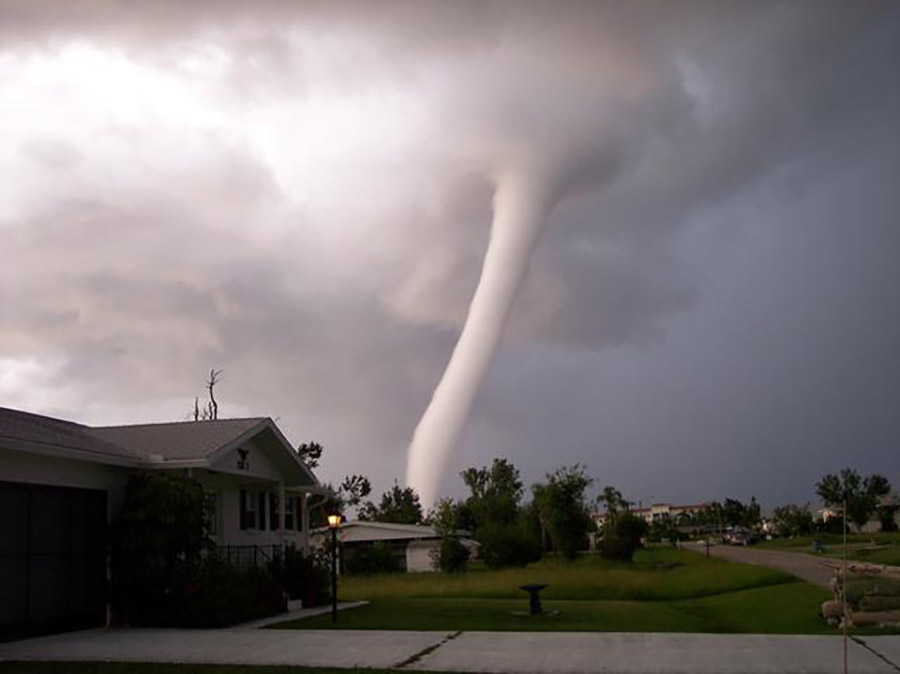
Florida’s tornado activity, while present, differs in characteristics from that of the Great Plains. Instead of the large, long-track tornadoes often depicted in media, Florida’s tornadoes are more frequently waterspouts that move ashore, or are associated with the intense thunderstorms that are a hallmark of its subtropical climate. These can still pose significant risks, and understanding the nuances of Florida’s weather can help travelers make informed decisions about their itineraries and accommodation choices.
Understanding Florida’s Tornado Landscape
Florida’s geographic location and climate contribute to its unique tornado patterns. Situated in the southeastern United States, it’s a peninsula surrounded by water, with a warm, humid climate that fuels convective thunderstorms. These thunderstorms are the primary breeding grounds for tornadoes in the state.
The Role of Thunderstorms and Waterspouts
The most common type of tornado in Florida is a waterspout that makes landfall. Florida averages around 30-50 tornadoes per year, though this number can fluctuate. A significant portion of these are waterspouts that form over the warm waters of the Gulf of Mexico or the Atlantic Ocean and then move inland. While some waterspouts dissipate harmlessly upon reaching land, others can strengthen and cause considerable damage. These landfalling waterspouts are often weaker and shorter-lived than the powerful twisters seen in other parts of the country, but they still demand respect and caution.
Furthermore, Florida’s frequent and often severe thunderstorms can produce tornadoes directly. These are typically associated with organized storm systems, such as squall lines or supercell thunderstorms, which can develop, particularly during the cooler months and spring. The sheer volume of thunderstorms in Florida means that the potential for tornado development is ever-present, though the intensity and frequency can vary.
Seasonal Patterns and Risk Periods
While tornadoes can occur in Florida at any time of the year, there are certain periods when the risk is higher. The peak tornado season in Florida generally spans from late winter through spring, with March, April, and May being the months with the highest likelihood of activity. This is due to the clash of warm, moist air from the Gulf of Mexico with cooler, drier air masses moving in from the north. This atmospheric instability creates the perfect conditions for severe thunderstorms and, consequently, tornadoes.
However, it’s important to note that Florida also experiences significant tornado activity during hurricane season, which runs from June 1st to November 30th. Hurricanes, especially those making landfall, can spawn numerous tornadoes within their outer rain bands. These tornadoes, embedded within the larger storm system, can be particularly dangerous because they often develop rapidly and with little warning, making them a serious concern for those in the path of a hurricane. Understanding these seasonal patterns can help travelers plan their trips, especially if they are visiting during these heightened risk periods. For instance, those looking to enjoy the attractions of Orlando during spring break might want to stay informed about weather forecasts.
Preparing for Tornadoes in Florida
Being informed and prepared is the most effective way to mitigate the risks associated with tornadoes in Florida. This applies to both residents and tourists, whether you’re staying in a luxury resort or a budget-friendly motel.
Staying Informed and Seeking Shelter
The most critical aspect of tornado preparedness is staying informed about weather conditions. Local news, weather radio, and smartphone apps are invaluable tools for receiving tornado watches and warnings. A tornado watch means that conditions are favorable for tornadoes to develop in the area, while a tornado warning signifies that a tornado has been spotted or indicated by radar and is an immediate threat.
When a tornado warning is issued, immediate action is required. The safest place to seek shelter is in a basement or an interior room on the lowest floor of a sturdy building, away from windows and doors. Mobile homes and vehicles are extremely dangerous during a tornado and should be evacuated immediately for more robust shelter. Many hotels and resorts in Florida have designated safe rooms or procedures for guests during severe weather. It’s always advisable to ask about these procedures upon check-in, especially if you are staying in a coastal area or a building not built to withstand extreme weather. Destinations like the Walt Disney World Resort or Universal Orlando Resort have extensive emergency protocols in place for their guests.
Impact on Travel and Accommodation
The possibility of tornadoes, while not a daily occurrence, can influence travel plans and accommodation choices in Florida. Travelers should always check the weather forecast before and during their trip. If severe weather is predicted, it might be wise to adjust travel dates or itineraries. For example, if a major storm system is approaching the Gulf Coast, a planned beach vacation in Clearwater Beach might be better postponed.
When booking accommodation, consider the type of building and its location. Sturdy, multi-story buildings are generally safer than single-story structures or mobile homes. Resorts and hotels in major tourist hubs like Miami or Orlando often have better infrastructure to handle severe weather events. For those seeking longer-term stays, understanding the local building codes and emergency preparedness plans for different neighborhoods is essential. Websites offering accommodation reviews can sometimes provide insights into a property’s safety features or its ability to handle extreme weather, although direct confirmation from the property manager is always recommended. The emphasis should always be on safety first, ensuring that your chosen lodging offers a secure environment should a tornado threat arise.
Tornadoes in Florida: A Balancing Act of Tourism and Safety
Florida remains a premier tourist destination, renowned for its sun, sand, and entertainment. The reality of tornadoes in the state doesn’t diminish its appeal but rather underscores the importance of being an informed and prepared traveler. The state’s infrastructure, particularly in major tourist areas, is designed with a variety of weather challenges in mind, including severe thunderstorms and hurricanes that can spawn tornadoes.
From the theme parks of Orlando to the beaches of South Beach, Florida offers a wealth of experiences. Visitors can explore the historic charm of St. Augustine, marvel at the natural beauty of the Everglades National Park, or enjoy the vibrant nightlife of Tampa. Each of these destinations, while offering unique attractions, is subject to the same weather patterns.

Leveraging Resources for a Safe Florida Adventure
When planning a Florida adventure, whether it’s a family trip to Key West or a business stay in Jacksonville, it’s prudent to utilize available resources. Official meteorological websites, such as the National Weather Service, provide detailed forecasts and alerts. Local tourism boards often have sections dedicated to safety and weather preparedness. When booking hotels, such as the Ritz-Carlton Orlando or the Four Seasons Resort Orlando, inquire about their emergency procedures. For those looking for unique accommodations like villas in Naples or apartments in Fort Lauderdale, understanding the structural integrity and local emergency response capabilities is equally important.
The lifestyle aspects of travel in Florida also benefit from this informed approach. Luxury travelers seeking exclusive experiences at resorts like the Boca Raton Resort & Club should be aware that safety is a paramount concern for all reputable establishments. Budget travelers exploring the diverse attractions might find useful tips on local weather preparedness on community forums or travel blogs. Ultimately, a well-informed traveler is a safe traveler, and with a little awareness, the beauty and excitement of Florida can be enjoyed without undue concern.
In conclusion, yes, there are tornadoes in Florida. However, by understanding the state’s unique weather phenomena, staying informed, and making practical preparations, visitors and residents alike can confidently enjoy all that Florida has to offer, from its iconic landmarks and vibrant culture to its diverse accommodation options and exhilarating lifestyle experiences.
LifeOutOfTheBox is a participant in the Amazon Services LLC Associates Program, an affiliate advertising program designed to provide a means for sites to earn advertising fees by advertising and linking to Amazon.com. Amazon, the Amazon logo, AmazonSupply, and the AmazonSupply logo are trademarks of Amazon.com, Inc. or its affiliates. As an Amazon Associate we earn affiliate commissions from qualifying purchases.