
The Sunshine State, renowned for its year-round warmth, pristine beaches, and vibrant theme parks, might not be the first place that springs to mind when you think of snow. Florida’s geographical location in the southeastern United States, coupled with its subtropical climate, generally precludes the icy precipitation that blankets much of the rest of the country during winter. However, the question of whether it can snow in Florida isn’t a simple “never.” While incredibly rare, historical records and meteorological anomalies suggest that the possibility, however slim, does exist. This article delves into the factors influencing Florida’s climate, explores the instances where snow has been recorded, and discusses what a snowy Florida might look like.
Understanding Florida’s Climate: A Barrier to Snowfall
Florida’s climate is primarily defined by its proximity to the equator and its surrounding bodies of water, the Atlantic Ocean and the Gulf of Mexico. These geographical features contribute to a subtropical to tropical climate across most of the state.
Temperature and Humidity: The Primary Factors
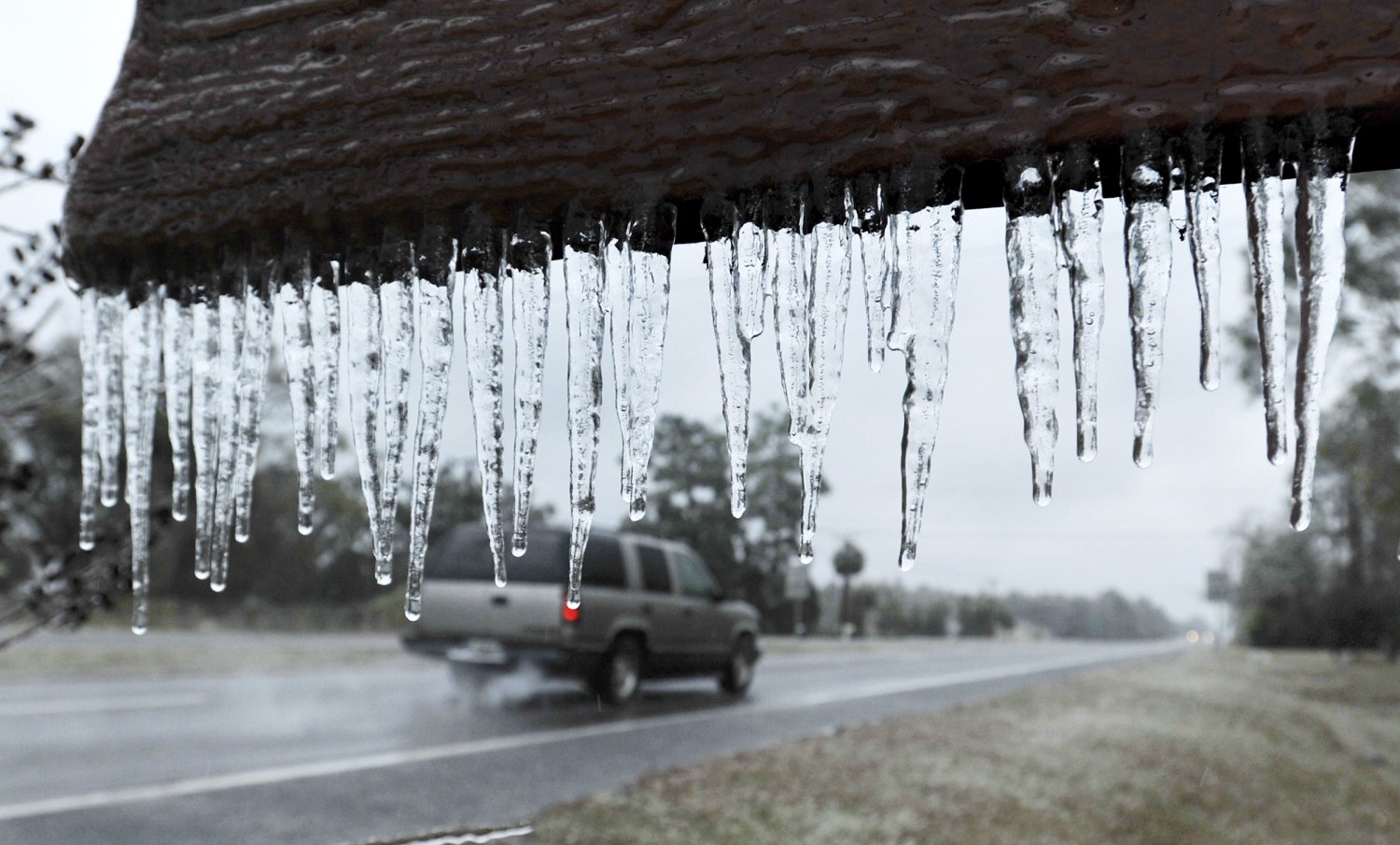
The most critical element for snowfall is temperature. For snow to form and reach the ground, the atmospheric temperature needs to be at or below freezing (0°C or 32°F) from the cloud layer where precipitation originates all the way down to the surface. Florida’s average winter temperatures are a significant barrier to this.
- Northern Florida: The Panhandle region, particularly areas closer to the border with Alabama and Georgia, experiences the coldest winter temperatures in the state. While still mild compared to northern states, this region has the highest statistical probability of encountering freezing conditions. Cities like Tallahassee, Pensacola, and Jacksonville can dip below freezing on occasion during winter months, especially when cold air masses from the north push southward.
- Central and Southern Florida: As you move south, temperatures become considerably warmer. The warmest average winter temperatures in the continental United States are found in South Florida, including cities like Miami, Fort Lauderdale, and Naples. Freezing temperatures are exceptionally rare in these areas, making snow virtually impossible. The moderating influence of the Atlantic Ocean and the Gulf of Mexico keeps coastal areas milder than inland regions.
Humidity also plays a role. While Florida is known for its high humidity, especially during the summer, the specific type of humidity required for snow formation (within cold air masses) is different. For snow, there needs to be sufficient moisture in the atmosphere at sub-freezing temperatures.
Air Masses and Weather Systems
The weather patterns that bring snow to other parts of the United States are typically characterized by the movement of cold, dry air masses from the north or northwest, interacting with moist air from the south or southwest. For Florida to experience snow, a rare convergence of specific weather conditions is required:
- A significant cold air intrusion: This involves a powerful Arctic or polar air mass pushing unusually far south. These events are often associated with strong high-pressure systems over Canada and the United States, which can direct frigid air southward along the eastern side of the continent.
- Moisture availability: Simultaneously, there needs to be a source of moisture in the atmosphere. This could be a weather system moving from the Gulf of Mexico or the Atlantic Ocean, bringing humid air northward.
- Upper-air cooling: Crucially, the atmosphere must be cold enough at higher altitudes to allow ice crystals (snowflakes) to form. Even if surface temperatures are near freezing, if the upper atmosphere is too warm, precipitation will fall as rain.
- Surface temperatures at or below freezing: As mentioned, the temperature at ground level must also be at or below 0°C (32°F) for snow to accumulate.
This confluence of events is exceedingly uncommon in Florida. The warm Gulf waters and the state’s southerly latitude tend to weaken or dissipate these deep cold air masses before they can produce significant snowfall.
Historical Snowfall in Florida: Rare but Real
Despite the overwhelming odds against it, Florida has experienced snowfall on a few notable occasions throughout its history. These events are often the subject of local folklore and are remembered vividly by those who witnessed them.
The Great Snow of 1977
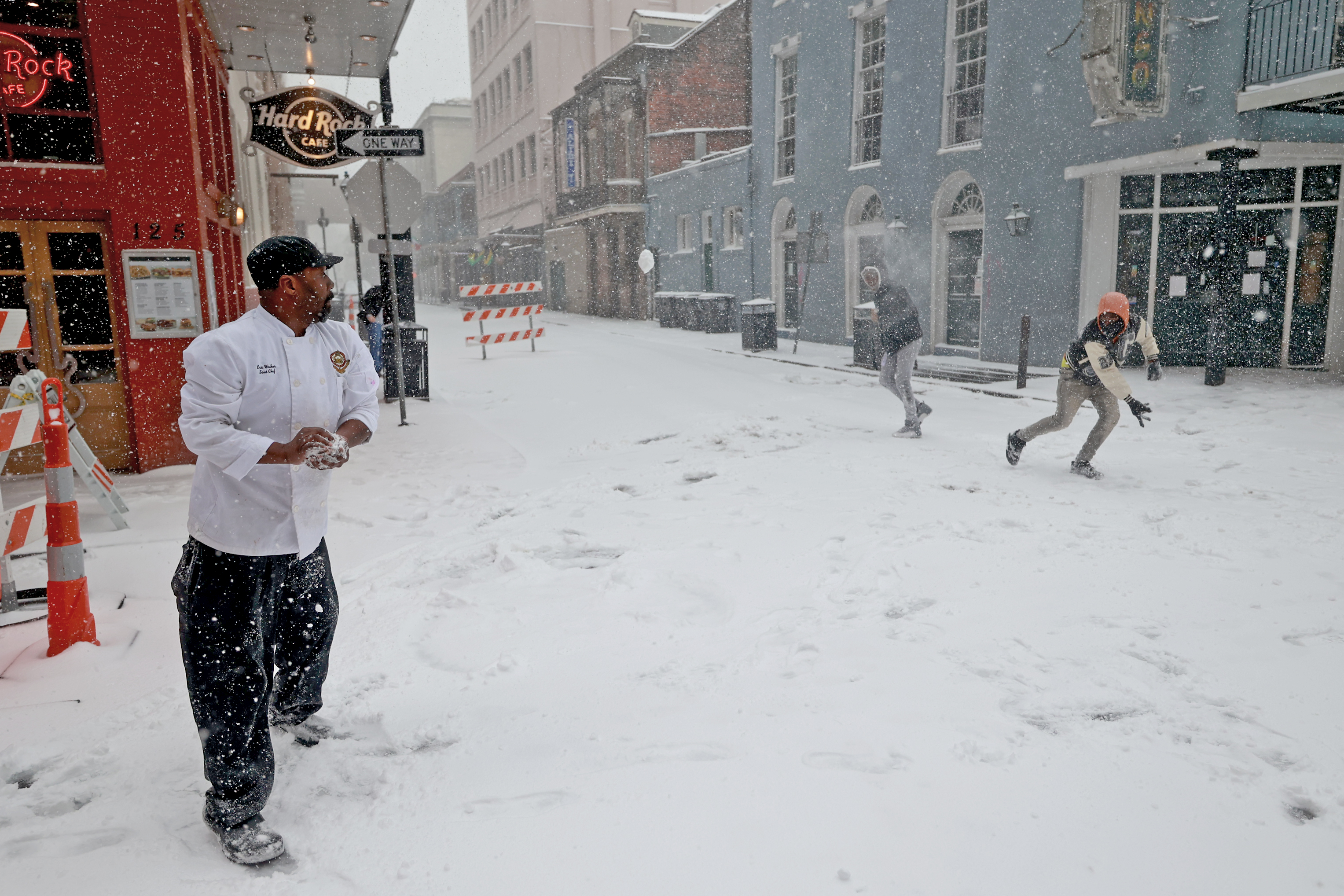
Perhaps the most widely recalled snow event in Florida occurred on January 19, 1977. This was a significant weather phenomenon that affected much of the southeastern United States.
- Geographic Extent: Unlike many other instances, this snowfall was widespread, reaching as far south as Miami and Naples. Light snow flurries were reported in Miami-Dade County, and a dusting of snow was observed in some areas. Inland locations, particularly in North Florida, experienced more substantial accumulations.
- Conditions: A powerful cold front had moved through the state, bringing unseasonably cold air. Simultaneously, a low-pressure system developed off the coast, providing the necessary moisture for precipitation. Surface temperatures in many parts of the state dropped to or below freezing for several hours.
- Impact: While the accumulation was generally light, the sight of snow in such a tropical environment was astonishing. In some northern parts of the state, like Tallahassee, several inches of snow were recorded, causing disruptions to daily life. Theme parks in Orlando were affected, and road conditions in the Panhandle became hazardous. For many Floridians, this was their first and only experience with snow.
Other Notable Snowfalls
The 1977 event is the most dramatic, but there have been other documented instances of light snow or sleet in Florida:
- January 1835: This date is often cited for a significant cold snap and potential snow in Florida. Historical accounts suggest a substantial snowfall in the northern parts of the state, with some records indicating it was more significant than the 1977 event for those regions.
- February 1951: A cold wave brought light snow flurries to parts of North Florida and even the northernmost coastal areas.
- December 2017: While not a widespread snow event, a rare occurrence of graupel, a form of snow pellet, was reported in parts of North Florida, including Jacksonville, during a cold snap. True snowflakes were also reported in some areas.
- January 2018: Another cold snap brought light snow flurries to parts of the Panhandle and northern Florida.
It’s important to distinguish between true snowfall, sleet (frozen raindrops), and graupel. While all are forms of frozen precipitation, only snow consists of ice crystals falling from clouds. Sleet and graupel can occur in colder conditions but are not as definitive an indicator of a true “snowfall” event.
What a Snowy Florida Might Look Like
While a blizzard like those seen in New England or the Midwest is highly improbable in Florida, a genuine snowfall event, even a light one, would create a unique spectacle.
Impact on Daily Life and Tourism
- Disruption: For a state not equipped to handle snow, even a few inches would cause significant disruption. Roads would become slick, and driving conditions would be hazardous. Schools might close, and businesses could experience reduced operations. The lack of snow plows, de-icing salt, and snow tires among the populace would exacerbate these issues.
- Novelty and Excitement: For residents and tourists alike, a snowy Florida would be an extraordinary sight. Imagine the Everglades or the beaches of Clearwater dusted with white. Theme parks like Walt Disney World or Universal Orlando Resort might see unusual visitor reactions, with some embracing the novelty and others struggling with the cold.
- Photography and Memories: A snowy Florida would undoubtedly be a photographer’s dream, offering surreal juxtapositions of tropical landscapes and winter precipitation. It would create lasting memories for those fortunate enough to witness it.
Potential for Winter Tourism?
Given the rarity, it’s unlikely that Florida would ever become a major winter tourism destination based on snow. The infrastructure and typical attractions are geared towards warm weather. However, in the immediate aftermath of a snow event, there might be a localized surge in interest from people wanting to experience this anomaly. Local communities might even organize impromptu “snow day” events.

Long-Term Climate Trends and Future Possibilities
Climate change is a complex phenomenon, and its effects on regional weather patterns can be multifaceted. While global warming is generally associated with rising temperatures, it can also lead to more extreme weather events, including more intense cold snaps in some regions.
- Potential for More Extreme Cold: Some climate models suggest that while overall temperatures are rising, there could be an increase in the frequency or intensity of Arctic outbreaks in certain areas due to changes in atmospheric circulation patterns. If such a trend were to manifest in Florida, it could theoretically increase the chances of the necessary conditions for snow.
- Overriding Warming Trend: However, the overwhelming long-term trend for Florida, as with most of the world, is one of warming. This means that even if extreme cold events become slightly more frequent or intense, the average temperature increase will likely make true snowfall events even rarer in the future. The window of opportunity for surface temperatures to be at or below freezing will continue to shrink.
In conclusion, while the iconic image of Florida is one of perpetual sunshine and warm breezes, the possibility of snow, though exceedingly rare, is not entirely fictional. The confluence of specific atmospheric conditions – a potent cold air mass meeting sufficient moisture with sub-freezing temperatures from cloud to ground – has occurred on a handful of occasions. These events, most famously the Great Snow of 1977, offer a glimpse into a wonderfully unusual side of the Sunshine State. For now, and for the foreseeable future, Florida will remain a destination primarily for its warmth and sunshine, but the legend of its rare snowy days will continue to be a fascinating footnote in its meteorological history.
LifeOutOfTheBox is a participant in the Amazon Services LLC Associates Program, an affiliate advertising program designed to provide a means for sites to earn advertising fees by advertising and linking to Amazon.com. Amazon, the Amazon logo, AmazonSupply, and the AmazonSupply logo are trademarks of Amazon.com, Inc. or its affiliates. As an Amazon Associate we earn affiliate commissions from qualifying purchases.