
New York, a metropolis synonymous with towering skyscrapers, iconic landmarks, and a vibrant cultural tapestry, presents a complex legal landscape for those considering carrying a concealed weapon. The question, “Can you carry a concealed weapon in New York?”, is not a simple yes or no, but rather a nuanced inquiry deeply rooted in state and city-specific regulations, permit requirements, and the ever-evolving legal framework surrounding firearm possession. For travelers and residents alike, understanding these intricacies is paramount to ensuring compliance with the law and navigating the Empire State safely and responsibly.
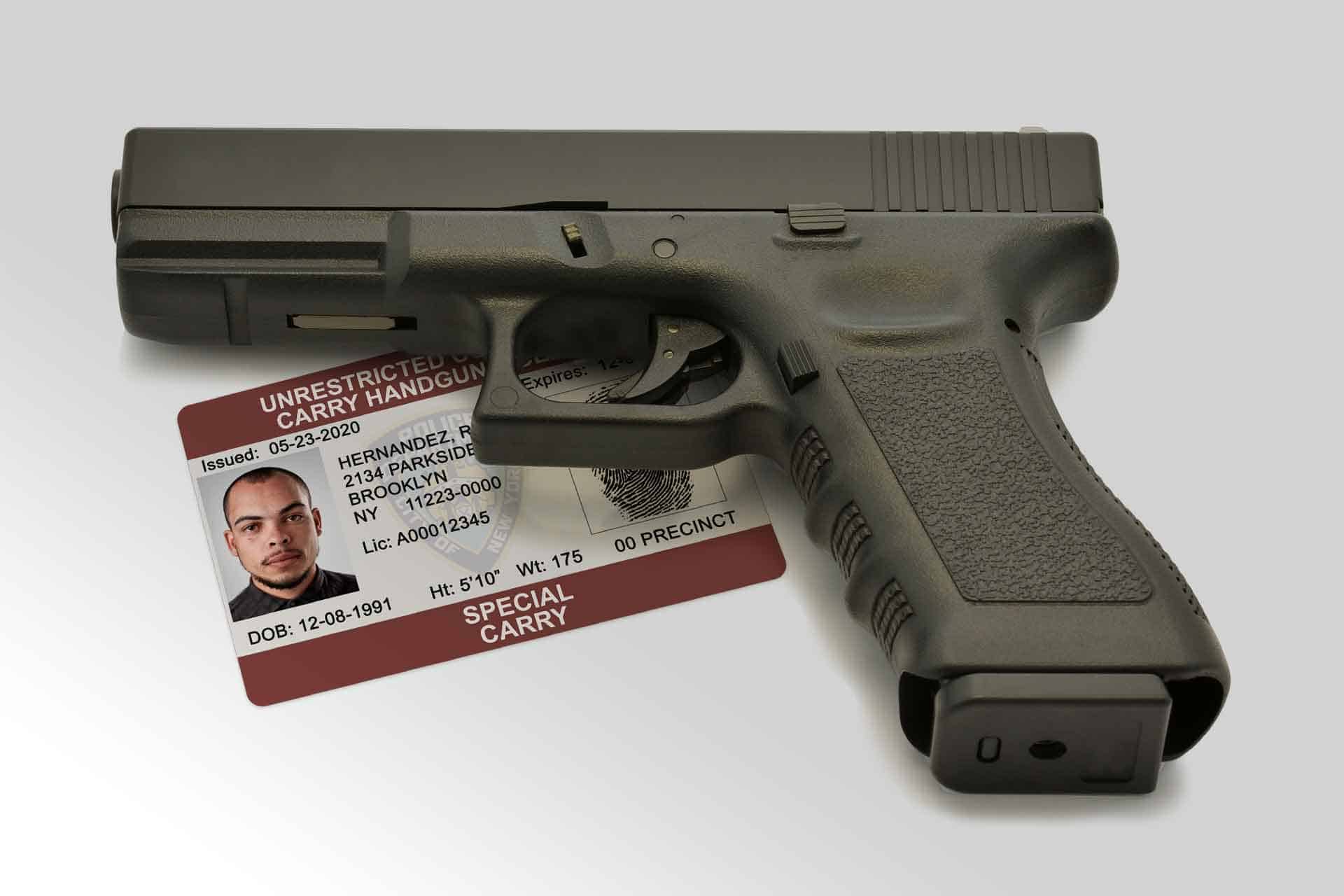
The allure of New York extends far beyond its bustling urban core. From the historic cobblestone streets of Greenwich Village to the serene beauty of the Adirondack Mountains, the state offers diverse experiences. Whether you’re planning a luxurious stay at a five-star resort like The Plaza Hotel or seeking budget-friendly accommodation in a charming apartment, your travel plans might intersect with New York’s firearm laws. This article aims to demystify these regulations, providing essential information for anyone contemplating carrying a concealed weapon within the state.
Understanding New York’s Concealed Carry Laws
New York’s approach to concealed carry has historically been characterized by a “may-issue” system, meaning that the granting of a concealed carry permit was discretionary, requiring applicants to demonstrate a specific need or good cause beyond self-defense. However, in a landmark decision, the Supreme Court’s ruling in New York State Rifle & Pistol Association, Inc. v. Bruen significantly altered this landscape. This ruling struck down the requirement for applicants to demonstrate a special need for self-defense, thereby shifting New York towards a “shall-issue” or “right-to-carry” jurisdiction.
The Impact of the Bruen Decision
The Bruen decision, handed down in June 2022, mandates that states must issue concealed carry permits to eligible individuals who meet objective criteria, rather than relying on subjective assessments of need. This has had profound implications for New York, which previously had some of the most restrictive gun laws in the United States. Prior to Bruen, obtaining a concealed carry permit in New York City, for instance, was notoriously difficult, often requiring extensive documentation and a compelling reason for carrying a firearm. Outside of New York City, other counties within New York State also operated under a “may-issue” framework, albeit with some variations.
Following the Bruen ruling, New York enacted new legislation, including the Concealed Carry Improvement Act (CCIA), to comply with the Supreme Court’s mandate. The CCIA outlines the updated requirements and procedures for obtaining a concealed carry permit, aiming to balance the constitutional right to bear arms with public safety concerns. This shift has opened avenues for more individuals to legally carry concealed firearms, but it also introduces a new set of regulations and responsibilities that must be understood.
Key Provisions of the Concealed Carry Improvement Act (CCIA)
The CCIA introduces several key changes and requirements for individuals seeking to carry a concealed weapon in New York. It clarifies eligibility criteria, establishes training mandates, and designates sensitive locations where carrying firearms remains prohibited, even with a permit.
Eligibility and Application Process:
To be eligible for a concealed carry permit in New York, applicants must generally be at least 21 years old, of good moral character, and not have any disqualifying criminal convictions or mental health issues. The application process typically involves:
- Application Form: Completing a detailed application form provided by the licensing authority, usually the sheriff’s office or police department in the applicant’s county of residence.
- Background Checks: Undergoing thorough background checks, including fingerprinting, to ascertain the applicant’s suitability.
- References: Providing character references who can attest to the applicant’s good moral character.
- Training: Completing a mandatory firearms safety course that meets state-specified requirements. This course typically covers firearm safety, marksmanship, and New York’s laws pertaining to firearms.
- Interview: In some cases, an in-person interview with the licensing authority may be required.
The licensing authority reviews the application and all supporting documentation. If the applicant meets all the criteria and passes the background checks, the permit will be issued. The CCIA has aimed to streamline this process while ensuring that only qualified individuals receive permits.
Training Requirements:
A significant aspect of the CCIA is the emphasis on mandatory firearms training. Applicants are required to complete a minimum of 16 hours of in-person, firearms safety training, plus an additional 2 hours of live-fire training at a range. This training must be conducted by a certified instructor and cover topics such as:
- Firearm safety and handling
- Marksmanship principles
- Safe storage of firearms
- Federal, state, and local laws relating to firearms, including use of force and deadly physical force
- De-escalation techniques
This rigorous training regimen is designed to ensure that permit holders are proficient in the safe and responsible handling of firearms and are well-versed in the legal responsibilities associated with carrying a concealed weapon.
Sensitive Locations and Prohibited Areas
While the Bruen decision has expanded the right to carry, it has also recognized the state’s authority to designate certain “sensitive locations” where firearms are prohibited. The CCIA identifies a comprehensive list of these locations, which include, but are not limited to:
- Schools and Universities: Public and private educational institutions.
- Government Buildings: Courthouses, legislative offices, and polling places.
- Public Transportation: Buses, subways, and trains operated by public transit authorities.
- Hospitals and Healthcare Facilities: Medical centers, clinics, and mental health facilities.
- Places of Worship: Churches, synagogues, mosques, and temples.
- Parks and Recreational Areas: Certain public parks and other designated recreational spaces.
- Bars and Restaurants: Establishments that serve alcohol.
- Large Public Gatherings: Demonstrations, parades, and public events.
- Times Square: A particularly prominent example of a designated sensitive location in New York City.

It is crucial for permit holders to be aware of these restrictions. Carrying a firearm in any of these prohibited areas can result in severe penalties, including the revocation of the permit and criminal charges. Many of these locations will be clearly marked with signage indicating that firearms are not permitted. However, even in the absence of explicit signage, the CCIA lists these areas as off-limits.
Traveling to New York with a Firearm
For individuals planning to travel to New York from other states, the complexities of firearm laws become even more pronounced. The principle of reciprocity, where one state recognizes the concealed carry permits issued by another, is not universally applied in New York.
Federal and State Reciprocity
New York generally does not recognize concealed carry permits issued by other states. This means that even if you possess a valid concealed carry permit in your home state, such as from Texas or Florida, it is not automatically valid for carrying a concealed weapon in New York. Travelers intending to carry a firearm in New York must obtain a New York State concealed carry permit.
There are some exceptions and nuances to consider:
- Federal Law: Federal law, such as the Firearm Owners’ Protection Act (FOPA), offers limited protection for transporting firearms across state lines for lawful purposes, such as moving or going to and from a licensed gun show or place of repair. However, this does not grant the right to carry a concealed weapon in a state that does not recognize your permit. The firearm must generally be unloaded, cased, and in the trunk of the vehicle, inaccessible to the driver.
- New York City: New York City has its own specific rules and regulations in addition to state laws. While the CCIA applies statewide, the NYPD enforces these regulations within the five boroughs. Travelers should be aware of any additional restrictions or requirements specific to New York City.
Important Considerations for Travelers:
- Research Thoroughly: Before traveling to New York, research the current laws and regulations regarding firearms. This includes understanding the permit requirements, prohibited locations, and transportation rules.
- Secure Storage: If you are transporting a firearm, ensure it is unloaded, locked in a case, and stored securely away from passengers, in accordance with federal and state guidelines.
- Consult Legal Counsel: If you have any doubts or complex circumstances, it is advisable to consult with a legal professional specializing in firearm law in New York.
The strict stance on reciprocity means that visitors must either leave their firearms at home or go through the process of obtaining a New York State permit if they wish to carry legally. This can be a significant hurdle for short-term visitors and may influence travel plans to destinations like the Statue of Liberty or the Metropolitan Museum of Art.
Responsible Firearm Ownership and Safety
Beyond the legalities, responsible firearm ownership in New York, as anywhere else, hinges on a commitment to safety, training, and ethical conduct. Carrying a concealed weapon is a serious responsibility that requires constant vigilance and a thorough understanding of one’s legal and moral obligations.
Training and Proficiency
The CCIA’s emphasis on comprehensive training underscores the importance of continuous learning. Firearms owners should not view training as a one-time requirement but as an ongoing commitment. Regular practice at a shooting range, staying updated on legal changes, and seeking advanced training can all contribute to responsible firearm ownership. Whether you are enjoying the vibrant nightlife of Manhattan or exploring the natural wonders of Niagara Falls, responsible carry practices are essential.
Safe Storage
Even when not carrying a concealed weapon, safe storage practices are critical. Firearms should always be stored unloaded and secured in a locked safe or container, separate from ammunition, to prevent unauthorized access, especially by children or individuals who are not legally permitted to handle firearms. This is a fundamental aspect of preventing accidental shootings and firearm theft.
Situational Awareness and De-escalation
Carrying a concealed weapon does not grant a license to be aggressive or to escalate confrontations. In fact, the opposite is true. Responsible permit holders are expected to exercise extreme caution, practice de-escalation techniques whenever possible, and only use a firearm as a last resort in situations where there is an imminent threat of death or serious bodily harm. Understanding your surroundings, avoiding dangerous situations, and having an exit strategy are often more effective than relying solely on a firearm.

Legal Ramifications of Misuse
The legal consequences of misusing a firearm are severe. Any unlawful discharge, negligent handling, or use of a firearm in a manner that is not legally justified can lead to devastating legal repercussions, including lengthy prison sentences and substantial fines. Furthermore, such actions can result in the immediate revocation of a concealed carry permit and a permanent ban from legally owning firearms.
In conclusion, the question of carrying a concealed weapon in New York is a multifaceted one, shaped by evolving laws and a strong emphasis on public safety. While the Bruen decision has expanded access to permits, the state maintains strict regulations, particularly concerning sensitive locations and reciprocity. For anyone considering carrying a concealed weapon in New York, thorough research, comprehensive training, and a deep commitment to responsible and lawful conduct are absolutely essential. This knowledge is as vital as any travel guide for navigating the complex environment of the Empire State.
LifeOutOfTheBox is a participant in the Amazon Services LLC Associates Program, an affiliate advertising program designed to provide a means for sites to earn advertising fees by advertising and linking to Amazon.com. Amazon, the Amazon logo, AmazonSupply, and the AmazonSupply logo are trademarks of Amazon.com, Inc. or its affiliates. As an Amazon Associate we earn affiliate commissions from qualifying purchases.