
Florida, a state synonymous with sun-drenched beaches, vibrant theme parks, and a rich tapestry of cultural experiences, also presents a nuanced legal landscape for firearm ownership and carrying. For many visitors and even some residents, understanding the regulations surrounding concealed carry can be a point of confusion. This article aims to demystify the requirements for carrying a concealed firearm in the Sunshine State, providing clear and concise information to ensure compliance with local laws. Navigating legalities is an essential part of responsible travel and lifestyle, especially when it comes to personal safety.
Understanding Florida’s Approach to Concealed Carry
Florida has adopted a relatively permissive stance on firearm ownership and concealed carry, which often leads to questions for those unfamiliar with its statutes. The state’s legal framework is primarily governed by Florida Statutes Chapter 790, which outlines the regulations for carrying firearms, both openly and concealed. It’s crucial to distinguish between carrying a firearm openly and carrying it concealed, as the rules and requirements can differ significantly.
The “Constitutional Carry” Debate and Florida’s Current Law
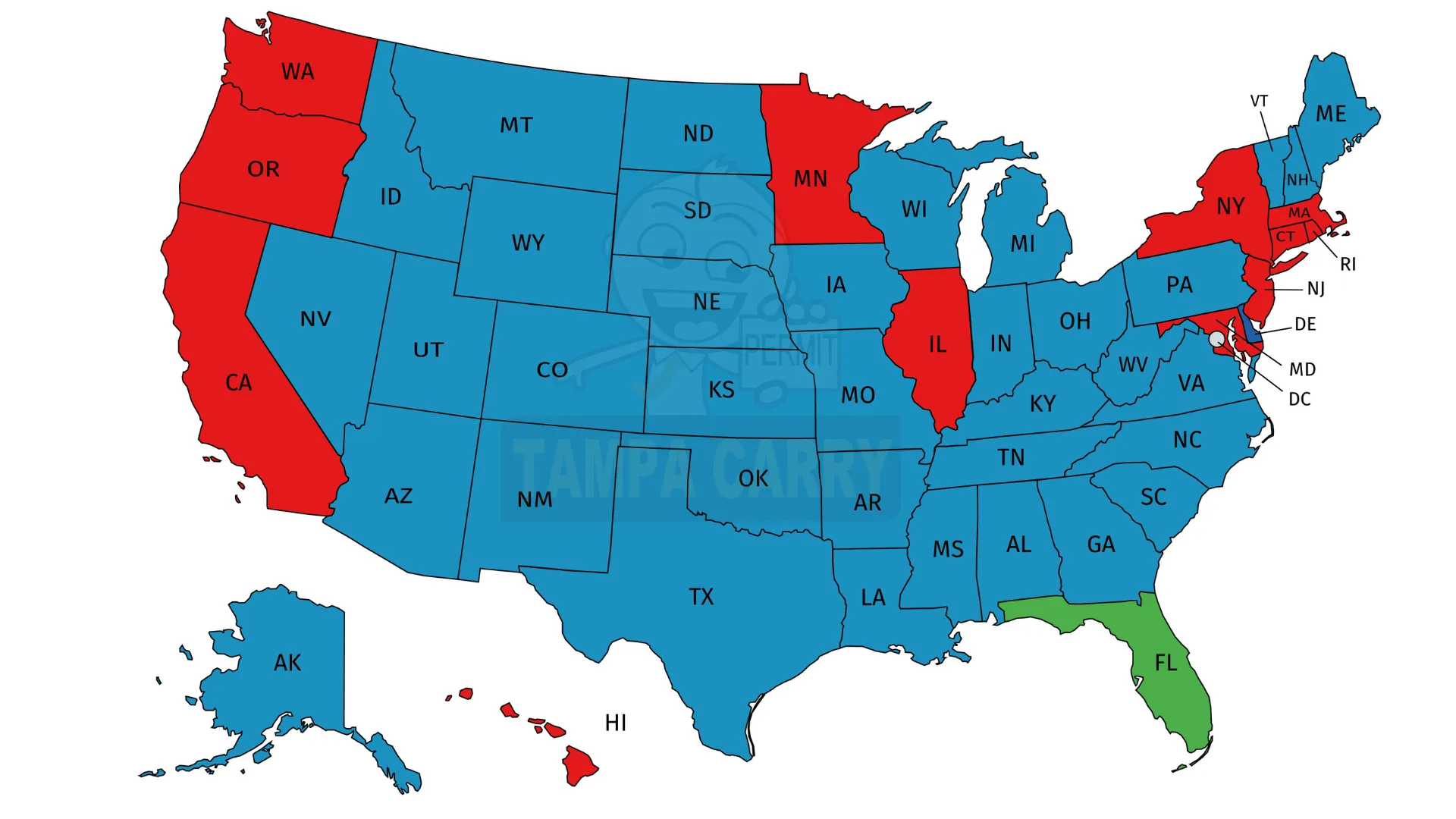
While some states have moved towards “constitutional carry,” which allows eligible individuals to carry a concealed weapon without a permit, Florida’s current legislation still requires a permit for concealed carry, with a few key exceptions. This means that if you intend to carry a firearm concealed on your person, you will generally need to obtain a Florida Concealed Weapon License (CWL). This license ensures that individuals have met certain criteria, including age, residency, and the absence of disqualifying criminal history.
Who Can Legally Carry a Concealed Firearm in Florida?
To be eligible for a Florida CWL, applicants must meet several criteria. Generally, you must be at least 21 years of age, a legal resident of Florida, and have not been convicted of a felony or certain misdemeanor offenses. The state also requires applicants to demonstrate a certain level of proficiency with a firearm, typically through a certified training course. This training covers safe firearm handling, marksmanship, and the legal aspects of carrying a concealed weapon.
It is important to note that even with a CWL, there are still restrictions on where a firearm can be carried. Certain locations, such as courthouses, schools, polling places, and secure areas of airports, are off-limits for concealed carry, regardless of permit status. Understanding these restricted areas is paramount for avoiding legal entanglements.
Obtaining a Florida Concealed Weapon License (CWL)
The process of obtaining a CWL in Florida is designed to be straightforward for eligible individuals. It involves a combination of application submission, background checks, and proof of firearm proficiency. The Florida Department of Agriculture and Consumer Services (FDACS) is the state agency responsible for issuing these licenses.
The Application Process and Required Documentation

The application for a CWL can typically be completed online or by mail. Applicants will need to provide personal identification, proof of residency, and information about their firearm training. A significant part of the application involves a background check conducted by the Florida Department of Law Enforcement (FDLE) and the Federal Bureau of Investigation (FBI). This check screens for disqualifying criminal convictions and other factors that would prohibit firearm possession.
Firearm Training Requirements
As mentioned earlier, a crucial component of obtaining a CWL is completing an approved firearms safety and proficiency course. These courses are offered by certified instructors throughout Florida and cover essential topics like firearm safety, responsible gun ownership, and Florida’s laws pertaining to the use of deadly force. Upon successful completion of the course, you will receive a certificate that must be submitted with your CWL application. The training is not just a bureaucratic hurdle; it’s designed to ensure that individuals carrying firearms are well-informed and capable of doing so safely and responsibly.
Reciprocity with Other States
For individuals who are not Florida residents but wish to carry a concealed firearm while visiting the state, the concept of reciprocity is important. Florida has reciprocity agreements with many other states, meaning that if you hold a valid concealed carry permit from one of these states, your permit may be recognized in Florida. However, it is critical to verify the current reciprocity status with your home state and Florida before traveling. The rules can change, and relying on outdated information can lead to legal issues. Even if your home state permit is recognized, you are still expected to abide by Florida’s laws regarding where you can carry.
When is a Permit NOT Required in Florida?
While a CWL is generally required for concealed carry, Florida law does provide some specific exceptions where a permit is not necessary. Understanding these exceptions is just as important as knowing the requirements for obtaining a permit.
Carrying in Your Home or Vehicle
One of the most significant exceptions is the right to carry a firearm, either openly or concealed, within your own dwelling, or within your vehicle. If you are legally in possession of a firearm, you can carry it concealed in your home or in your vehicle without a CWL. This applies even if you are traveling through Florida. However, once you exit your vehicle, if you wish to carry the firearm concealed on your person, you will generally need a CWL, unless another exception applies. This distinction is crucial for travelers, particularly those planning road trips through the state to destinations like Orlando or Miami.
Law Enforcement and Specific Professions
Certain individuals, such as active-duty law enforcement officers and some retired law enforcement officers with specific qualifications, are exempt from the permit requirement. Additionally, individuals engaged in specific professions that require the carrying of firearms for their duties may also have exemptions. These exemptions are typically tied to official capacities and responsibilities.

The Importance of Staying Informed
The legal landscape surrounding firearms is dynamic, with laws and interpretations evolving. It is imperative for anyone planning to carry a concealed firearm in Florida, whether as a resident or a visitor, to stay informed about the most current regulations. Consulting official Florida government resources, such as the FDACS website, or seeking legal counsel is always recommended to ensure full compliance. Responsible gun ownership and carrying involve a commitment to understanding and adhering to all applicable laws. For those who enjoy the vibrant tourist attractions and diverse lifestyle offerings of Florida, knowing these firearm regulations is a key aspect of enjoying their stay safely and legally. This is particularly relevant if one is considering activities like visiting historical landmarks or exploring the natural beauty of the Everglades, and wants to be prepared for all eventualities while respecting state laws.
LifeOutOfTheBox is a participant in the Amazon Services LLC Associates Program, an affiliate advertising program designed to provide a means for sites to earn advertising fees by advertising and linking to Amazon.com. Amazon, the Amazon logo, AmazonSupply, and the AmazonSupply logo are trademarks of Amazon.com, Inc. or its affiliates. As an Amazon Associate we earn affiliate commissions from qualifying purchases.