
The question of “When Was Texas A&M Established?” often sparks curiosity, not just for prospective students and alumni, but for anyone interested in the rich history of higher education in the Lone Star State. The establishment of Texas A&M University is a story deeply intertwined with the development of agricultural and mechanical education in Texas, a vision that would ultimately shape a leading research institution. While many associate Texas A&M with its vibrant present-day campus and its iconic Aggie spirit, understanding its origins provides crucial context to its enduring legacy and its prominent place among the nation’s top universities.
The Genesis of a Land-Grant Institution
The roots of Texas A&M University can be traced back to the mid-19th century and a pivotal piece of federal legislation. The Morrill Land-Grant Act, signed into law by President Abraham Lincoln in 1862, was a transformative piece of legislation designed to establish colleges in each state that would focus on practical education. Specifically, the act provided federal land grants to states to fund the creation of institutions dedicated to “agriculture and the mechanic arts.” This was a radical departure from the traditional liberal arts focus of many existing colleges at the time, aiming to equip citizens with the skills needed for a rapidly industrializing nation.
In Texas, the idea of a state agricultural and mechanical college had been discussed for years. Following the passage of the Morrill Act, the Texas legislature recognized the immense opportunity to create such an institution. However, the process of establishing a new university is rarely immediate. Debates raged about the best location, the specific curriculum, and how to best utilize the land grant funds. It wasn’t until after the American Civil War and the subsequent period of Reconstruction that the groundwork for the college truly began to be laid.
The decision to establish the college was finally formalized through legislative action. The enabling act to create the Agricultural and Mechanical College of Texas, as it was originally known, was passed by the Texas Legislature on April 17, 1871. This date is widely recognized as the official founding date of the institution. However, the physical establishment and opening of the college would take several more years.
Choosing a Site: The Birthplace of Aggieland
The selection of a location for the new college was a significant undertaking, involving considerable debate and competition among various Texas communities eager to host such a prestigious institution. Ultimately, Bryan was chosen as the site, largely due to its proximity to the burgeoning railroad lines that would facilitate access and transportation of students and supplies. The land itself was donated by local citizens, further cementing the community’s commitment to the project.
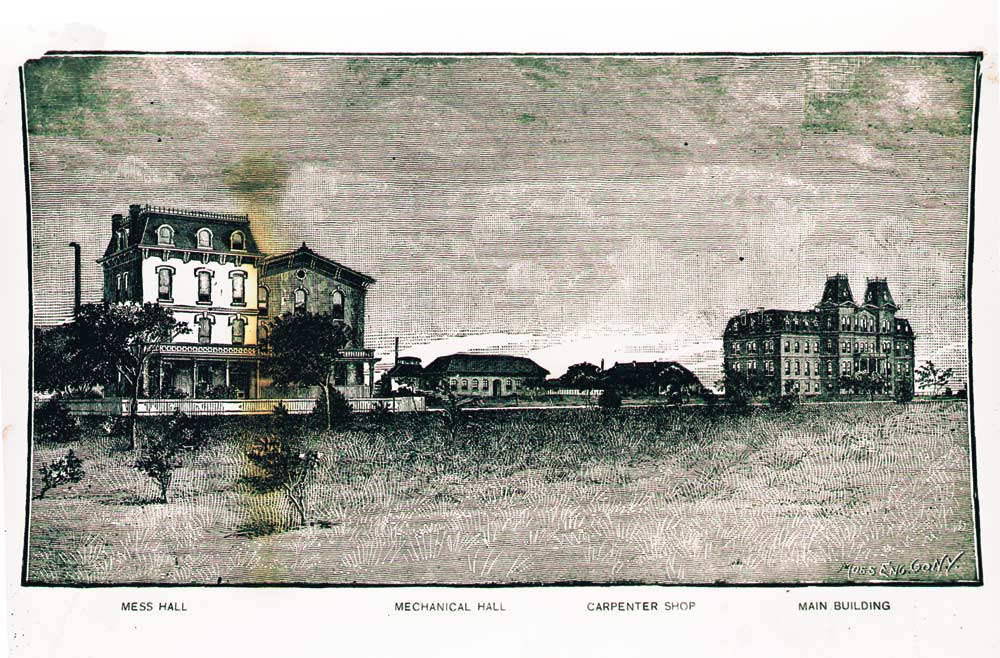
With the location secured, the next crucial step was the construction of the necessary facilities. This was a monumental task, requiring the design and building of classrooms, dormitories, and other essential structures to house a student body and faculty. The architectural style and layout of the early campus were influenced by the pragmatic needs of an agricultural and mechanical institution, prioritizing functionality and durability.
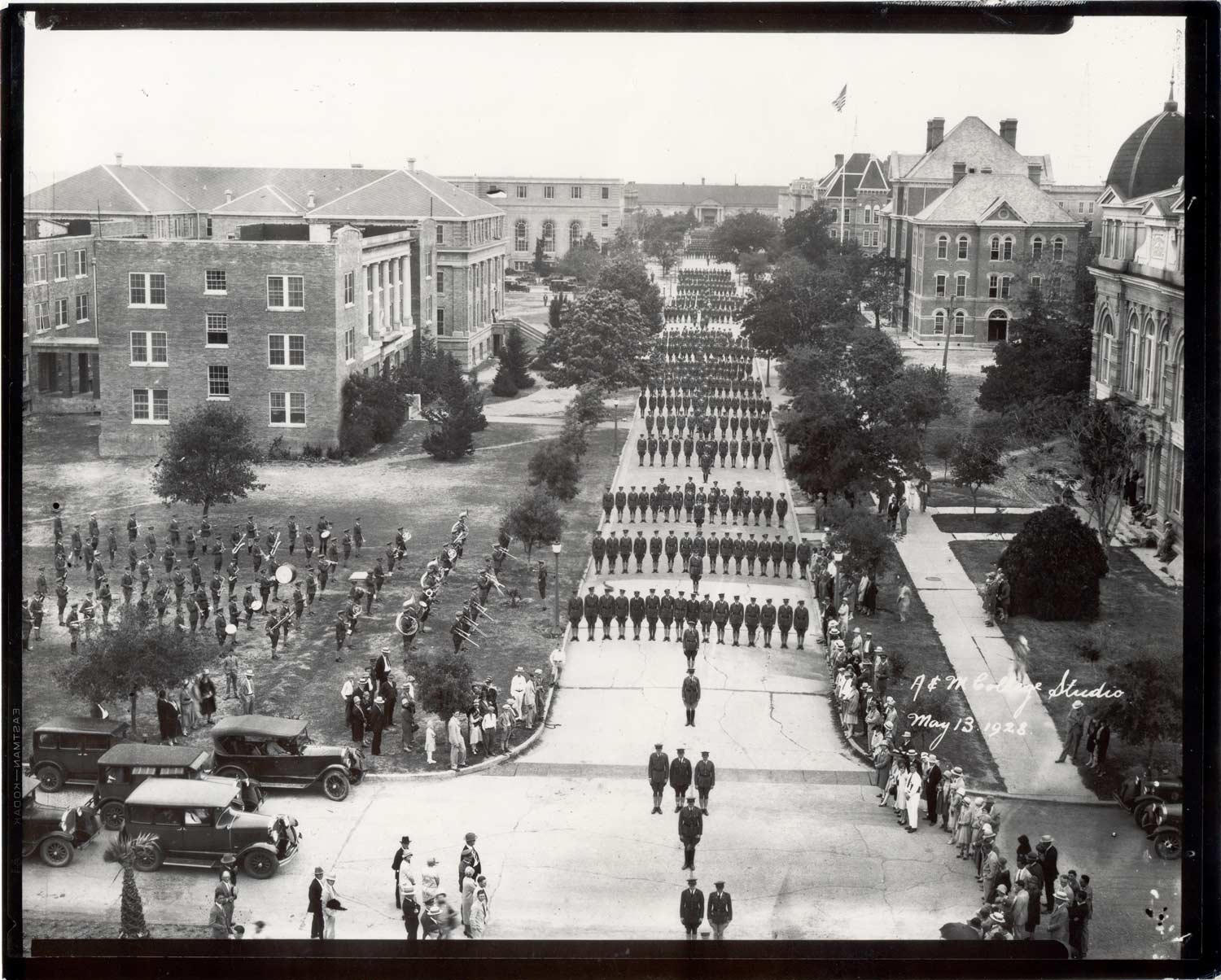
The initial vision for the Agricultural and Mechanical College of Texas was ambitious. It was intended to be a place where young men could receive a rigorous education in scientific agriculture, engineering, and military training, preparing them for leadership roles in these vital sectors of the Texas economy. The inclusion of a mandatory military program was a common feature of land-grant colleges established under the Morrill Act, intended to instill discipline, leadership, and a sense of civic duty.
The Doors Open: Welcoming the First Students
After years of planning, fundraising, and construction, the Agricultural and Mechanical College of Texas officially opened its doors to students on October 4, 1876. This historic day marked the culmination of years of effort and represented a significant milestone in the educational landscape of Texas. On that inaugural day, approximately 40 students enrolled, embarking on a journey that would lay the foundation for generations of Aggies to come.
The early years of the college were undoubtedly challenging. Resources were often scarce, and the faculty faced the task of building a curriculum and a reputation from the ground up. However, the dedication of the early leaders, faculty, and students created a strong sense of community and purpose. The emphasis on hands-on learning, coupled with the military structure, quickly became hallmarks of the Aggie experience.
The curriculum was designed to be practical and vocational, aligning with the mission of the Morrill Act. Students were expected to engage in both theoretical study and practical application, whether in the fields of agriculture or in workshops for mechanical arts. This approach fostered a generation of graduates who were well-prepared for the demands of the rapidly growing state.

Over the decades, the Agricultural and Mechanical College of Texas evolved significantly. It expanded its academic offerings, embracing new fields of study and research. The student body grew, and the campus infrastructure developed to accommodate the increasing numbers. The institution’s commitment to excellence in teaching, research, and service remained steadfast, even as it navigated the changing social and economic landscapes.
The Evolution to Texas A&M University
The journey from the Agricultural and Mechanical College of Texas to the modern Texas A&M University is a testament to the institution’s adaptability and its commitment to growth. While the foundational principles of agricultural and mechanical education remained central, the university continually broadened its scope and ambitions.
Expanding Horizons and Academic Pursuits
As Texas continued to develop and its economy diversified, so too did the needs and aspirations of its premier land-grant institution. The university began to offer a wider array of programs, extending beyond its traditional strengths. This expansion included the development of strong programs in engineering, sciences, and eventually, a comprehensive range of liberal arts and professional fields.
The Texas A&M system itself began to take shape, encompassing multiple campuses and specialized research centers. This growth was driven by a commitment to serving the diverse needs of the state and contributing to advancements in various fields of knowledge. The expansion wasn’t just about adding more programs; it was about deepening the university’s impact through cutting-edge research and a commitment to solving complex societal challenges.
The Name Change and a Unified Identity
The most significant transformation in the institution’s identity came with the official change of its name to Texas A&M University in 1963. This renaming was more than just a cosmetic alteration; it signaled a broader recognition of the university’s comprehensive nature and its status as a leading research institution with a wide array of academic disciplines. The inclusion of “University” reflected its evolution beyond its initial agricultural and mechanical focus, encompassing a full spectrum of higher learning.
This rebranding also served to unify the various campuses and programs under a single, recognizable banner. The Aggie spirit, forged in the early days of the college, continued to thrive, but now under a name that better represented its multifaceted identity. The iconic “12th Man” tradition, a powerful symbol of Aggie unity and support, became even more emblematic of the entire university community.
The Texas A&M University system today is a vast and influential network, comprised of multiple universities, branch campuses, and research entities. It stands as a testament to the foresight of its founders and its continuous adaptation to the evolving needs of Texas and the nation.
The Enduring Legacy of a Pioneer Institution
The story of Texas A&M University‘s establishment is a compelling narrative of vision, perseverance, and transformative impact. From its humble beginnings as the Agricultural and Mechanical College of Texas, founded in 1876, it has grown into a global powerhouse in education and research. The Morrill Land-Grant Act provided the critical impetus, but it was the dedication of generations of Aggies – students, faculty, staff, and alumni – that shaped its enduring legacy.
Today, Texas A&M University is renowned not only for its strong programs in agriculture and engineering but also for its excellence in fields ranging from business and veterinary medicine to architecture and the arts. Its research endeavors address critical global issues, from sustainable agriculture and energy solutions to advancements in health and technology. The Aggie network, stretching across the globe, is a testament to the powerful bonds forged within its hallowed halls.
Visiting the Texas A&M campus in College Station offers a tangible connection to this rich history. The historic buildings stand alongside modern research facilities, creating a dynamic environment that honors the past while embracing the future. The George H.W. Bush Presidential Library and Museum, located on campus, provides a significant landmark and a window into a pivotal era of American history, further enriching the intellectual and cultural landscape. For those seeking accommodation in the area, the choices range from comfortable hotels to charming inns, all providing a gateway to experiencing the vibrant local culture and the unique lifestyle that defines Aggieland. Whether you’re drawn by its historical significance, its academic prowess, or its iconic Aggie spirit, Texas A&M University remains a beacon of higher education and a vital contributor to the advancement of knowledge and society.
LifeOutOfTheBox is a participant in the Amazon Services LLC Associates Program, an affiliate advertising program designed to provide a means for sites to earn advertising fees by advertising and linking to Amazon.com. Amazon, the Amazon logo, AmazonSupply, and the AmazonSupply logo are trademarks of Amazon.com, Inc. or its affiliates. As an Amazon Associate we earn affiliate commissions from qualifying purchases.