
The allure of the Overlook Hotel, the chillingly iconic setting for Stanley Kubrick’s cinematic masterpiece, “The Shining,” continues to captivate audiences and spark debate among fans and film buffs alike. While the film itself is a fictionalized account, it draws heavily on the atmospheric dread and the isolated grandeur that often defines grand, old hotels, particularly those nestled in remote, mountainous landscapes. This article delves into the real-world inspirations behind the Overlook Hotel, exploring its fictional origins, the actual hotel that served as its primary muse, and the enduring legacy of this unforgettable location in cinematic history.
The Fictional Genesis of the Overlook Hotel
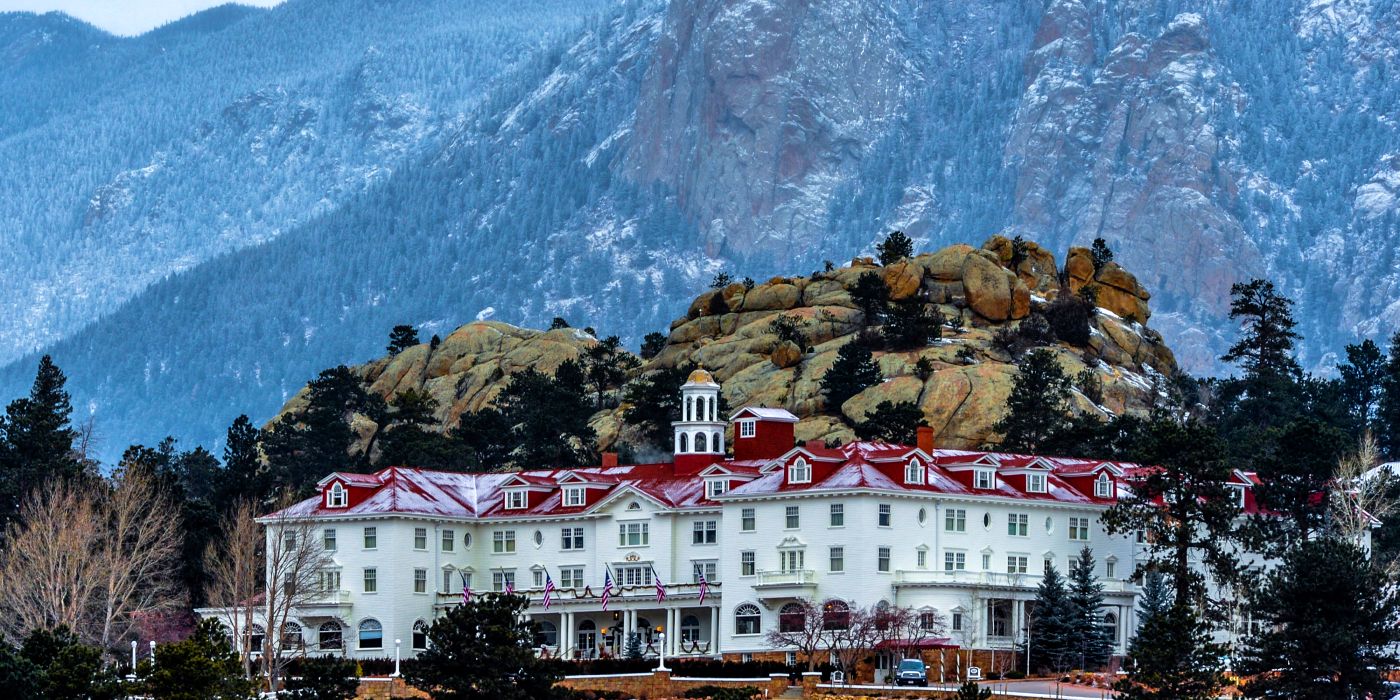
In Stephen King’s chilling novel, the Overlook Hotel is presented as a sprawling, isolated resort situated in the Colorado Rockies. King, a resident of Colorado at the time, found inspiration for the Overlook in a very real, yet equally imposing, establishment: the Stanley Hotel in Estes Park, Colorado. The novel paints a vivid picture of the Overlook’s opulent past, its long winters, and the creeping psychological descent of its winter caretaker, Jack Torrance. The hotel in the book is not merely a backdrop; it is a character in itself, imbued with a malevolent sentience that preys on Jack’s insecurities and isolation.
King’s portrayal emphasizes the Overlook’s sheer size and its capacity for hosting thousands of guests in its heyday, contrasted with its desolate emptiness during the harsh winter months. This stark duality between vibrant life and utter desolation is central to the novel’s horror. The author meticulously details the hotel’s labyrinthine corridors, grand ballroom, and the unnerving stillness that pervades its empty spaces. The spectral inhabitants and unsettling occurrences within the Overlook are born from this potent combination of isolation, history, and the psychological toll of being cut off from the outside world. King’s own experiences at the Stanley Hotel during a particularly unsettling stay in the off-season are well-documented as the primary spark for his terrifying narrative.
The Real-World Inspiration: The Stanley Hotel
The hotel that served as the primary inspiration for the Overlook Hotel is the Stanley Hotel, located in Estes Park, Colorado, a picturesque town at the eastern entrance of Rocky Mountain National Park. Stephen King and his wife, Tabitha, stayed at the Stanley Hotel in 1974. It was the off-season, and they were the only guests in the sprawling establishment. This profound sense of isolation, coupled with the hotel’s aging grandeur and eerie atmosphere, deeply affected King, providing fertile ground for the psychological horror that would become “The Shining.”
The Stanley Hotel, built in 1909 by Freelan Oscar Stanley, the inventor of the Stanley Steamer automobile, is a grand, historic property that has retained much of its early 20th-century charm. Its isolated location, perched on a hill overlooking Estes Park, mirrors the imposing presence of the fictional Overlook. King’s room, specifically room 217, is often cited as the room where many of his unsettling experiences occurred, a room that has since become a pilgrimage site for fans of “The Shining.”

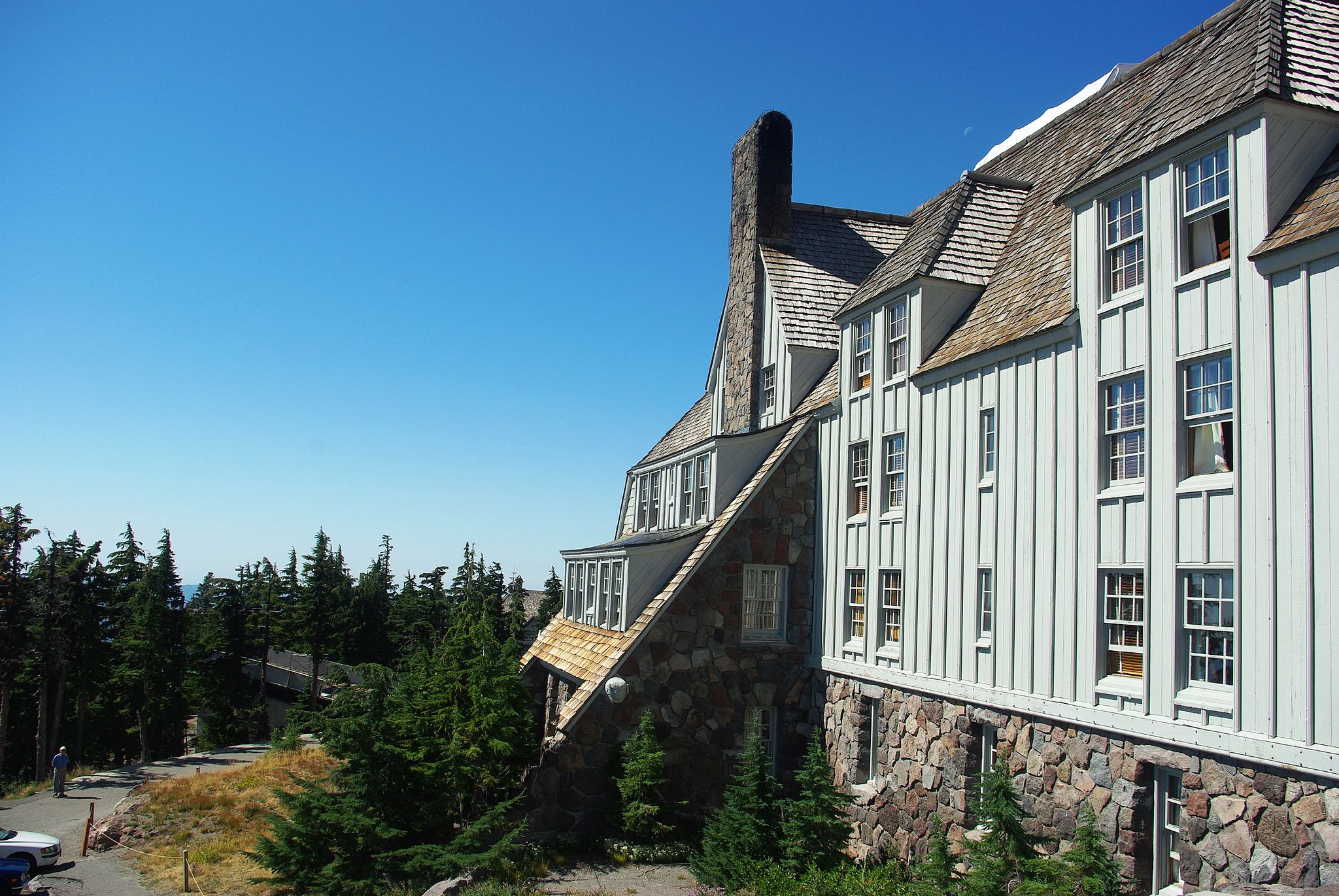
Interestingly, Stanley Kubrick, the director of the film adaptation, chose not to film the movie at the Stanley Hotel. Instead, he utilized the Timberline Lodge on Mount Hood in Oregon for the exterior shots, and largely recreated the interior of the Overlook on sets built in England. This decision, while understandable from a logistical and creative perspective, has led to a common misconception that the Timberline Lodge is the “real” Overlook Hotel. However, the Stanley Hotel remains the undeniable genesis of the story’s haunted hotel concept.
From Novel to Screen: The Timberline Lodge’s Role
While the Stanley Hotel provided the narrative bedrock for “The Shining,” the Timberline Lodge became the visually iconic face of the Overlook Hotel in Stanley Kubrick’s film. Located on Mount Hood in Oregon, the Timberline Lodge is a historic national park lodge that was constructed during the Great Depression as a public works project. Its imposing, rustic architecture, set against the dramatic backdrop of Mount Hood, perfectly captured the isolated and imposing grandeur that Kubrick sought for his film.
Kubrick’s production team used the Timberline Lodge for the establishing exterior shots of the Overlook Hotel. The sweeping aerial views of the lodge, nestled in the snowy wilderness, immediately convey a sense of remoteness and foreboding. However, the interiors of the Overlook Hotel as depicted in the film were not filmed at the Timberline Lodge. Instead, elaborate sets were constructed at Elstree Studios in Hertfordshire, England, allowing the filmmakers greater control over the environment and the specific aesthetic they wished to achieve. This separation of exterior and interior filming locations contributed to the dreamlike and disorienting quality of the film, further enhancing its psychological horror.
The Timberline Lodge, despite not being the direct inspiration for the novel, has become inextricably linked with “The Shining.” Its majestic presence on Mount Hood is now synonymous with the terrifying vision of the Overlook Hotel, drawing countless visitors who come to experience a piece of cinematic history. The lodge itself has embraced its connection to the film, offering “Shining”-themed packages and tours, allowing fans to immerse themselves in the world that Kubrick so masterfully brought to life on screen. The hotel continues to be a popular destination for tourists, offering breathtaking views and a sense of historical grandeur, even if its connection to the film is primarily visual.
The Enduring Legacy of the Overlook Hotel
The Overlook Hotel, regardless of its specific real-world inspirations or filming locations, has cemented its place as one of the most iconic and terrifying locations in cinematic history. Its legacy extends far beyond the confines of “The Shining,” influencing countless other horror narratives and solidifying the trope of the haunted, isolated hotel in popular culture. The hotel’s ability to embody both opulence and dread, grandeur and decay, has made it a potent symbol of psychological terror.
The theme of isolation, a critical element in the Overlook’s horror, resonates deeply with audiences. The idea of being trapped in a vast, empty space, cut off from the outside world, with one’s sanity slowly eroding, is a primal fear that King and Kubrick masterfully exploit. The hotel itself becomes a character, a malevolent entity that feeds on the weaknesses of its inhabitants, driving them to madness and violence. This personification of a place as a source of supernatural horror is a powerful narrative device that the Overlook executes with chilling effectiveness.
Furthermore, the visual design of the Overlook, whether in the Stanley Hotel’s inherent atmosphere or the meticulously crafted sets and Timberline Lodge exteriors, contributes significantly to its enduring appeal. The vast, empty corridors, the distinctive geometric patterns of the carpets, the isolated suites, and the imposing facade all combine to create a sense of unease and foreboding. These visual elements have become instantly recognizable to fans, conjuring a visceral reaction of dread and fascination. The Overlook Hotel is more than just a setting; it is a psychological landscape that continues to haunt the imaginations of viewers, a testament to the power of masterful storytelling and evocative design in creating unforgettable cinematic landmarks.
LifeOutOfTheBox is a participant in the Amazon Services LLC Associates Program, an affiliate advertising program designed to provide a means for sites to earn advertising fees by advertising and linking to Amazon.com. Amazon, the Amazon logo, AmazonSupply, and the AmazonSupply logo are trademarks of Amazon.com, Inc. or its affiliates. As an Amazon Associate we earn affiliate commissions from qualifying purchases.