
Navigating the Sunshine State with a disability can be an enriching experience, filled with breathtaking beaches, vibrant cities, and a plethora of attractions. However, for individuals requiring accessible parking, understanding the process of obtaining a disabled parking permit in Florida is crucial. This guide aims to demystify the application, eligibility, and usage of these permits, ensuring your travels across Florida are as smooth and enjoyable as possible. Whether you’re planning a luxurious escape to Miami, a family adventure to Orlando, or a tranquil retreat in the Florida Keys, a disabled parking permit can significantly enhance your accessibility.

Understanding Florida’s Disabled Parking Permit System
Florida, like many states, recognizes the need for accessible parking to accommodate individuals with mobility impairments. The system is designed to ensure that those who need designated parking spaces can access them easily and without undue burden. The primary goal is to reduce the distance individuals with disabilities have to travel to reach their destinations, thereby enhancing their independence and participation in public life.
Types of Disabled Parking Permits Available
In Florida, there are several types of disabled parking permits, each catering to different needs and durations. Understanding these distinctions is the first step in the application process.
Long-Term Permits
Long-term disabled parking permits are typically issued for a duration of four years. These are generally for individuals with permanent disabilities. The most common form of a long-term permit is the blue and white placard, which can be hung from the rearview mirror of a vehicle. This permit allows the holder to park in any designated disabled parking space, which are clearly marked with the International Symbol of Access. These spaces are strategically located in parking lots and on streets to provide convenient access to businesses, attractions, and public facilities.
Temporary Permits
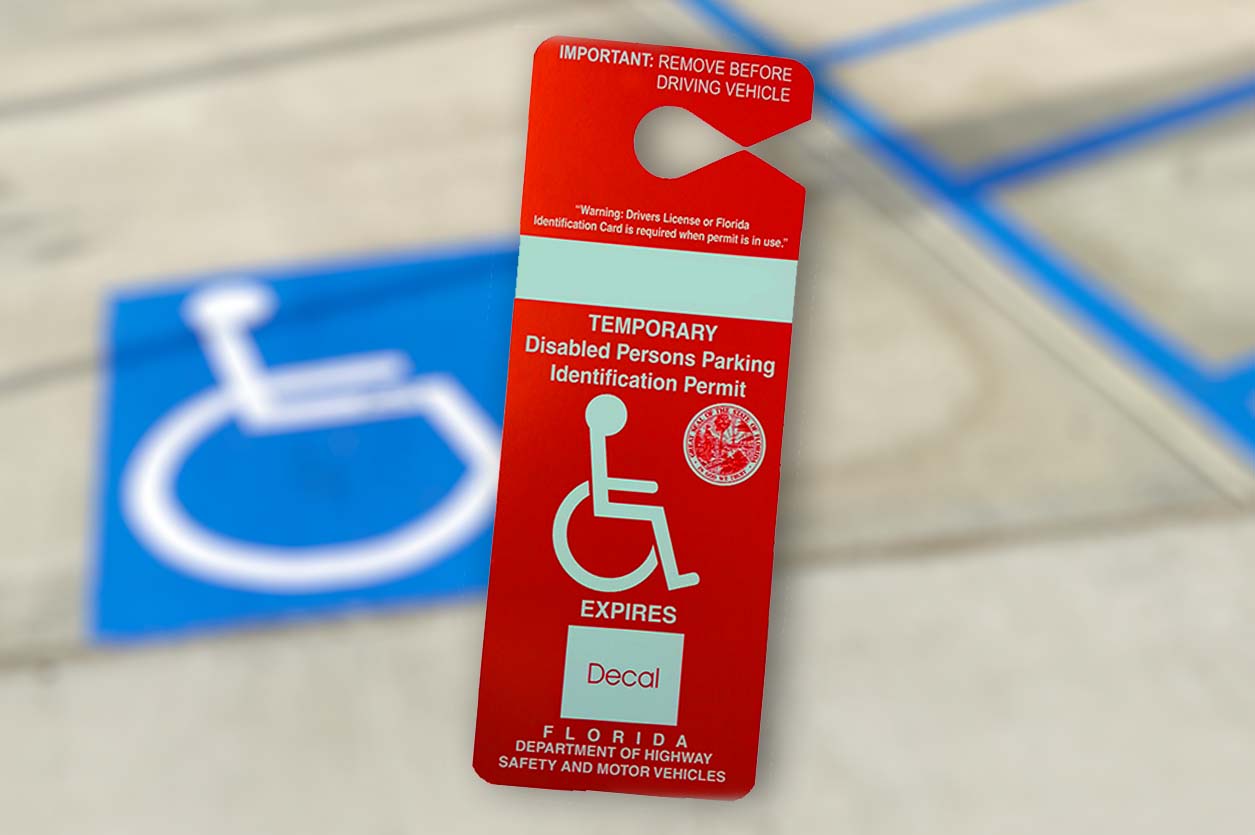
For individuals with temporary disabilities, such as those recovering from surgery or with a short-term medical condition that affects mobility, Florida offers temporary disabled parking permits. These permits are valid for a maximum of six months. The application process for a temporary permit is similar to that of a long-term permit, but it requires a physician’s certification of the temporary nature of the disability. This allows individuals undergoing treatment or recovery to still benefit from accessible parking during their period of need.
Specialty Plates
Beyond the placard system, Florida also offers specialized disabled license plates. These plates are issued by the Florida Department of Highway Safety and Motor Vehicles and are affixed to your vehicle’s license plate. These plates often bear the International Symbol of Access and signify that the vehicle is used by or primarily transports a person with a disability. Similar to placards, these plates grant the same parking privileges. There may be an additional fee associated with obtaining these specialty plates.
Who is Eligible for a Disabled Parking Permit?
Eligibility for a disabled parking permit in Florida is based on specific medical conditions that significantly limit an individual’s mobility. The state defines these conditions broadly to encompass a range of impairments.
Medical Conditions and Physician Certification
The core requirement for obtaining a disabled parking permit is a certification from a licensed physician. This physician must attest that the applicant has a condition that meets the state’s criteria for mobility impairment. These criteria typically include:
- Inability to walk without the use of a brace, cane, crutch, prosthetic device, wheelchair, or other assistive device, or the inability to walk 200 feet without assistance. This is a broad category that covers many individuals who rely on aids to move.
- A lung disease that prevents the person from walking 200 feet without stopping to rest. This acknowledges respiratory conditions that significantly impact a person’s ability to ambulate.
- A specific cardiac condition that renders the person disabled, as determined by a cardiologist. This includes individuals with severe heart conditions that limit their physical capacity.
- A severe limitation in the use of the legs or arms. This can include paralysis, amputation, or other conditions that severely restrict limb function.
- Significant vision impairment. This includes individuals who are blind or have a very significant visual field restriction.
The physician’s certification is a critical part of the application. It requires the doctor to assess the applicant’s condition and confirm that it meets the legal definition of a disability for parking purposes.
Traveling with a Disability
For travelers, understanding the reciprocity agreements between states is also important. If you have a valid disabled parking permit from another U.S. state or territory, it is generally recognized in Florida. This means you can use your out-of-state permit to park in disabled spaces while visiting. However, it’s always wise to be aware of any specific signage or local ordinances, as rules can vary slightly. This is particularly relevant when exploring diverse destinations like the theme parks in Orlando or the historic streets of St. Augustine.
The Application Process in Florida
Applying for a disabled parking permit in Florida is a straightforward process, primarily involving obtaining the necessary documentation and submitting it to the appropriate authority.
Required Documentation
To apply for a disabled parking permit, you will need to gather a few key documents. The most important of these is the official application form.
The Application Form and Physician’s Certificate
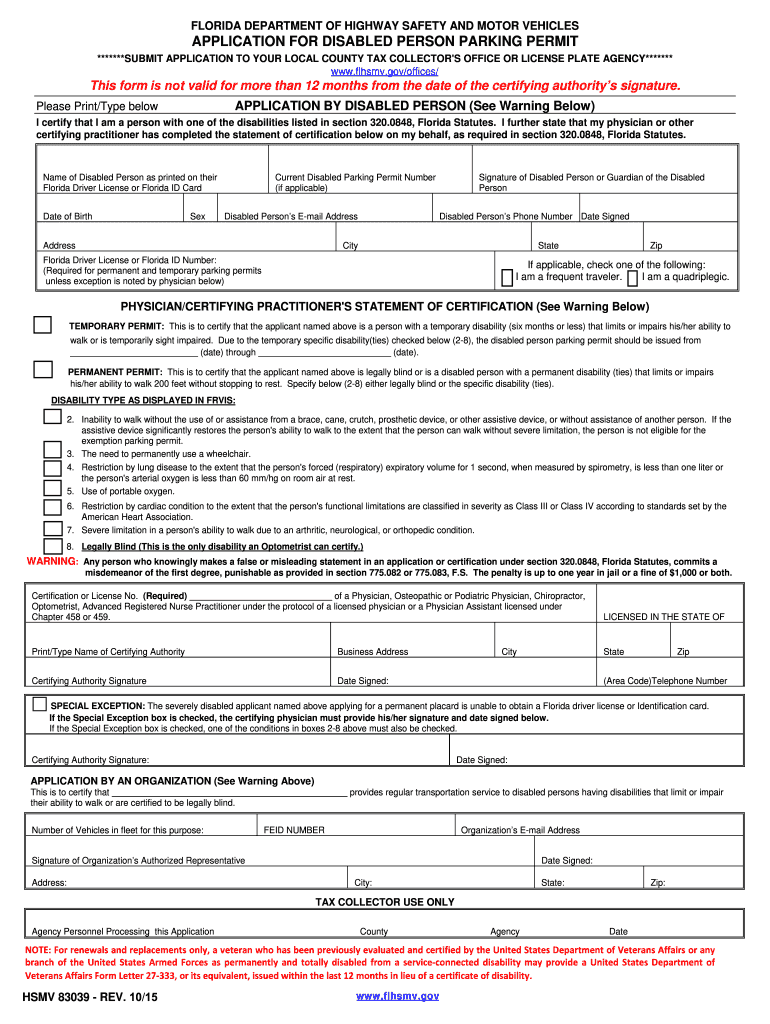
The application form for a disabled parking permit can be downloaded from the Florida Department of Motor Vehicles website or obtained at any local county tax collector’s office. This form will require your personal information, including your name, address, and driver’s license number or identification card number.
Crucially, the form includes a section for physician certification. Your doctor will need to complete this section, attesting to your eligibility based on the medical conditions previously discussed. They will need to provide their medical license number and signature.
Proof of Identity
You will also need to provide proof of your identity. This typically includes a valid Florida driver’s license or identification card. If you do not have a Florida driver’s license, other forms of identification may be accepted, but it’s best to confirm with your local county tax collector’s office.
Where to Submit Your Application
Once you have completed the application form and have your physician’s certification, you will need to submit it to your local county tax collector’s office. These offices are responsible for processing applications for disabled parking permits throughout Florida.
County Tax Collector’s Offices
Each county in Florida has a tax collector’s office, which serves as a hub for various motor vehicle-related services, including the issuance of disabled parking permits. You can find the nearest office by searching online for “[County Name] Tax Collector”. It is advisable to check the operating hours and specific requirements of your local office before visiting, as some may offer appointments or have specific submission procedures. For instance, if you are staying in Tampa, you would visit the Hillsborough County Tax Collector’s Office.
Fees and Processing Times
There is a small administrative fee associated with obtaining a disabled parking permit, typically around $15 for a long-term placard. For specialty plates, there will be additional registration fees. The processing time can vary, but generally, you can expect to receive your permit within a few weeks of submission. Some offices may issue temporary permits over the counter if all documentation is in order.
Using and Maintaining Your Disabled Parking Permit
Once you have successfully obtained your disabled parking permit, understanding how to use it correctly and maintain its validity is essential for continued access and compliance.
Proper Display and Usage
The correct display of your disabled parking permit is crucial for avoiding citations. The placard should be hung from the rearview mirror of the vehicle when parked in a disabled space. It should be removed when the vehicle is in motion.
Vehicle Requirements
It is important to note that the disabled parking permit is associated with the individual, not a specific vehicle. This means you can use your permit in any vehicle you are traveling in, whether it’s your personal car, a rental vehicle, or a vehicle belonging to a friend or family member. The permit allows you to park in designated spaces as long as you are the driver or a passenger in the vehicle.
Reciprocity with Other States
As mentioned earlier, Florida recognizes valid disabled parking permits issued by other U.S. states, the District of Columbia, and Canada. This reciprocity ensures that individuals with disabilities can travel freely across state lines without the need for a new permit. However, it is important that the permit is current and properly displayed according to Florida’s regulations.
Renewal and Replacement
Disabled parking permits have an expiration date, and it’s your responsibility to renew them before they lapse.
Renewal Process
Long-term permits are typically valid for four years. The renewal process is similar to the initial application, often requiring a re-certification from your physician, though some renewals may not require a new doctor’s note if the disability is permanent. You will need to complete the renewal application form and submit it to your local county tax collector’s office, along with any applicable fees. It’s advisable to begin the renewal process a few months before your current permit expires to avoid any lapse in accessibility.
Lost or Stolen Permits
If your disabled parking permit is lost, stolen, or damaged, you will need to apply for a replacement. This usually involves completing a specific application for a replacement permit and paying a replacement fee. You will likely need to provide a sworn statement that the original permit has been lost or stolen. Again, your local county tax collector’s office will be your point of contact for obtaining a replacement.
Penalties for Misuse
Misusing a disabled parking permit can lead to significant penalties. These permits are intended for individuals who genuinely need accessible parking, and misuse deprives those who are eligible of these vital spaces.
Fines and Revocation
Unauthorized use of a disabled parking permit, such as using a permit belonging to a deceased individual or parking in a disabled space without the permit holder present, can result in substantial fines. In some cases, repeated offenses can lead to the revocation of the permit entirely and other legal repercussions. It is essential to always adhere to the rules and regulations governing the use of disabled parking permits to ensure fair access for everyone.
By understanding these guidelines, you can confidently obtain and utilize a disabled parking permit in Florida, making your travels throughout the state, from the bustling streets of Miami to the serene landscapes of the Everglades, a more accessible and enjoyable experience. Whether you are visiting attractions like Walt Disney World or exploring the historic charm of Key West, having the right permit ensures you can fully partake in all that Florida has to offer.
LifeOutOfTheBox is a participant in the Amazon Services LLC Associates Program, an affiliate advertising program designed to provide a means for sites to earn advertising fees by advertising and linking to Amazon.com. Amazon, the Amazon logo, AmazonSupply, and the AmazonSupply logo are trademarks of Amazon.com, Inc. or its affiliates. As an Amazon Associate we earn affiliate commissions from qualifying purchases.