
New York State Income Tax is a complex but crucial aspect of navigating financial life within the Empire State. While the allure of New York City‘s iconic skyline, the serene beauty of the Adirondack Mountains, or the vibrant culture of cities like Buffalo and Rochester draws millions, understanding the state’s tax obligations is essential for both residents and visitors who engage in certain financial activities. This guide aims to demystify New York State Income Tax, exploring its intricacies, who it affects, and how it relates to the broader experience of living, working, and traveling within New York.
The decision to visit, reside, or invest in New York is often driven by its unparalleled offerings: world-class museums like the Metropolitan Museum of Art, breathtaking natural wonders such as Niagara Falls, and a diverse culinary scene that ranges from street food in Queens to fine dining in Manhattan. However, for those who earn income within the state, or even those who have certain investment portfolios, understanding New York State Income Tax is a necessary part of the equation. It influences everything from relocation decisions to budgeting for a longer-term stay, and even impacts the choice of accommodations, from a luxurious suite at the Plaza Hotel to a cozy villa in the Finger Lakes region.
Understanding the Basics of New York State Income Tax
New York State Income Tax is a progressive tax system, meaning that higher earners pay a larger percentage of their income in taxes. This system is administered by the New York State Department of Taxation and Finance. The tax applies to various types of income, including wages, salaries, tips, commissions, dividends, interest, capital gains, and business income. For many, especially those living and working full-time in New York, this tax is a regular deduction from their paychecks. However, its implications extend to a wider audience, including seasonal workers, business owners with operations in the state, and individuals who derive income from New York sources even if they reside elsewhere.
The tax rates in New York State can be quite significant, especially compared to some other states. This is a key factor that often comes up in discussions about the cost of living and the feasibility of certain lifestyle choices, whether it’s opting for budget travel around the state or considering long-term accommodation. For instance, a family planning an extended stay or a business professional on a long-term assignment might factor in the state income tax when comparing the costs of renting an apartment in Albany versus staying in a hotel for an extended period. Similarly, understanding how capital gains from investments in New York businesses are taxed can influence investment strategies for individuals who might not even be residents of the state.
Furthermore, the complexities of New York State Income Tax can be particularly relevant for individuals who have multiple residences or whose income sources are spread across different states. New York has specific rules for determining residency, which can significantly impact an individual’s tax liability. This is a crucial consideration for those who might own a vacation home in the Catskills while maintaining their primary residence elsewhere, or for digital nomads who spend significant time working from various New York locales. The nuances of these rules mean that seeking professional tax advice is often recommended to ensure compliance and optimize tax situations.
Who is Subject to New York State Income Tax?
The primary group subject to New York State Income Tax are New York State residents. A resident is generally defined as an individual who is domiciled in New York or maintains a permanent place of abode in the state and spends more than 183 days there during the tax year. Domicile is usually considered the place where a person has their fixed, permanent home and to which they intend to return whenever absent. This definition is critical for individuals who might frequently travel for business or leisure, or those who have homes in multiple states. For example, someone who owns a condo in New York City for business meetings and a primary residence in Florida will need to carefully assess their New York residency status to determine their tax obligations.
Beyond full-time residents, New York also taxes non-residents who earn income from New York sources. This includes individuals who work in New York but live in a neighboring state, such as New Jersey or Connecticut. Their income earned from services performed within New York is subject to the state’s income tax. This can affect individuals who commute to New York City for work, attend conferences in Albany, or perform freelance services for New York-based clients. Understanding the sourcing rules for different types of income is vital for non-residents to accurately report their New York-sourced income and avoid penalties.
Part-year residents also fall under New York State Income Tax regulations. These are individuals who become New York residents during the tax year or cease to be New York residents during the tax year. They are taxed on all income earned while they were a resident and on income earned from New York sources while they were a non-resident. This scenario is common for individuals who move to New York for a job opportunity, or those who relocate from New York to another state. For example, someone who moves from California to Saratoga Springs mid-year will need to file a part-year resident return, reporting income earned in New York from the date they became a resident, as well as any New York-sourced income earned before that move.
Key Components of New York State Income Tax
The tax is calculated based on an individual’s New York State taxable income, which is generally their federal adjusted gross income (AGI) modified by certain New York additions and subtractions. This means that the starting point for calculating New York State Income Tax is often the individual’s federal income tax return. Common New York additions might include certain state and local taxes deducted on the federal return, while subtractions could include New York State and New York City tax refunds. Understanding these adjustments is crucial for accurate tax filing.

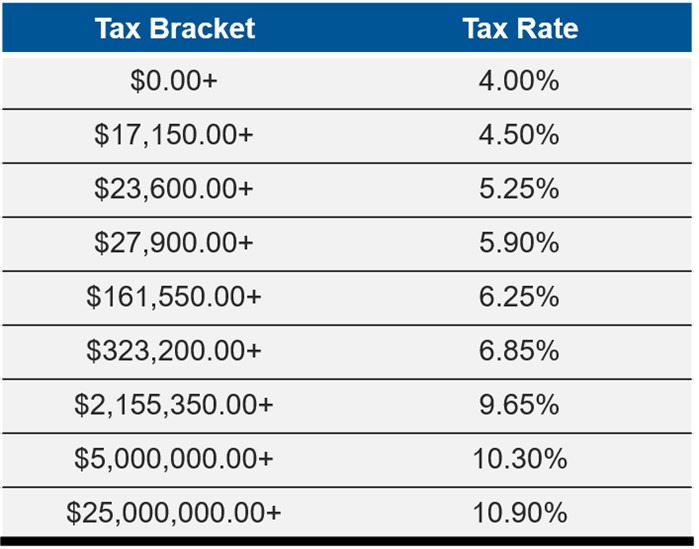
New York State utilizes a system of tax brackets and rates. These rates vary depending on the filing status (e.g., single, married filing jointly, married filing separately, head of household) and the amount of taxable income. For instance, an individual filing as single with higher taxable income will be subject to a higher tax rate than someone with lower taxable income. These brackets are adjusted periodically to account for inflation. Planning your finances, including budgeting for accommodations like hotels or apartments, can be influenced by these tax rates, especially for longer stays or business trips where expenses can be significant.
Beyond the basic income tax, New York State also imposes other taxes that are often intertwined with income, such as estimated taxes and withholding taxes. Employers are required to withhold New York State Income Tax from employees’ wages based on the information provided on the employee’s withholding certificate. For individuals who are self-employed or have significant income from sources other than wages, they may be required to make estimated tax payments throughout the year to avoid penalties. This is especially relevant for entrepreneurs running businesses in New York or individuals earning substantial rental income from properties in the state.
The Impact of New York State Income Tax on Travel and Lifestyle
The presence of New York State Income Tax has a tangible impact on various aspects of life and travel within the state, influencing decisions from where to book accommodation to how to budget for leisure activities. For travelers, while the tax itself doesn’t directly affect the purchase of a ticket to JFK Airport or a guided tour of the Statue of Liberty, it plays a role in the overall economic environment that shapes the cost of services and the disposable income of residents who may be more or less inclined to spend on tourism.
For those considering longer stays, such as renting an apartment for several months or opting for an extended resort stay, understanding New York State Income Tax becomes even more critical. The significant portion of income that goes towards state taxes can influence the budget for such arrangements. A family planning a summer in the Hamptons, for example, will not only consider the cost of their villa but also how their overall income situation, including state taxes, impacts their ability to afford such a lifestyle. Similarly, a business professional on an assignment in Buffalo might weigh the cost of hotel suites against the financial implications of longer-term apartment rentals, with state income tax being a considerable factor in their financial planning.
The lifestyle choices of New York residents are also indirectly influenced. When a significant portion of income is allocated to taxes, it can affect discretionary spending on experiences, dining, and shopping. This can, in turn, impact the demand for various tourism services, from local attractions to culinary experiences. For instance, a resident living near Syracuse might adjust their travel plans or dining choices based on their tax burden, which could influence the popularity of local restaurants or weekend getaways to the Thousand Islands. This interconnectedness highlights how financial policies like income tax are woven into the fabric of a state’s economy and its appeal as a tourist destination.
Accommodation and Long-Term Stays
When planning for accommodation in New York, whether it’s a short vacation or a more extended stay, New York State Income Tax is an underlying factor that influences the overall cost of living and the financial feasibility of different options. For tourists opting for a hotel in Times Square or a resort in the Catskills, the direct impact of income tax is minimal, as hotel stays are subject to sales tax and room occupancy taxes. However, for individuals considering long-term stays, such as renting an apartment in Manhattan or a villa for a season in Long Island, the state income tax becomes a significant consideration in their personal budget.
The decision between booking a luxury suite for a week versus securing a month-long apartment rental involves a financial calculus where state income tax plays a role. If an individual is earning income within New York while on a long-term assignment, their tax liability will affect their disposable income, which in turn dictates their spending power for accommodation. This is particularly true for business travelers who might be reimbursed for expenses but still need to manage their overall financial picture, including their tax obligations. For example, someone working for a company with offices in Rochester might compare the costs of a corporate apartment versus extended-stay hotel options, with their New York State Income Tax rate being a crucial variable in that comparison.
Furthermore, the availability and cost of different types of accommodations can also be indirectly influenced by the tax environment. A robust economy, partly sustained by income tax revenue that funds public services and infrastructure, can contribute to the desirability and development of diverse lodging options, from boutique hotels in Greenwich Village to family-friendly resorts near Lake Placid. Conversely, high tax rates can sometimes lead to a higher cost of doing business for property owners and developers, which can then be passed on to consumers in the form of higher rental or accommodation prices. Therefore, while not a direct charge on booking a hotel, New York State Income Tax is a foundational element of the economic landscape that shapes the choices and experiences available to visitors and temporary residents alike.
Tourism, Lifestyle, and Financial Planning
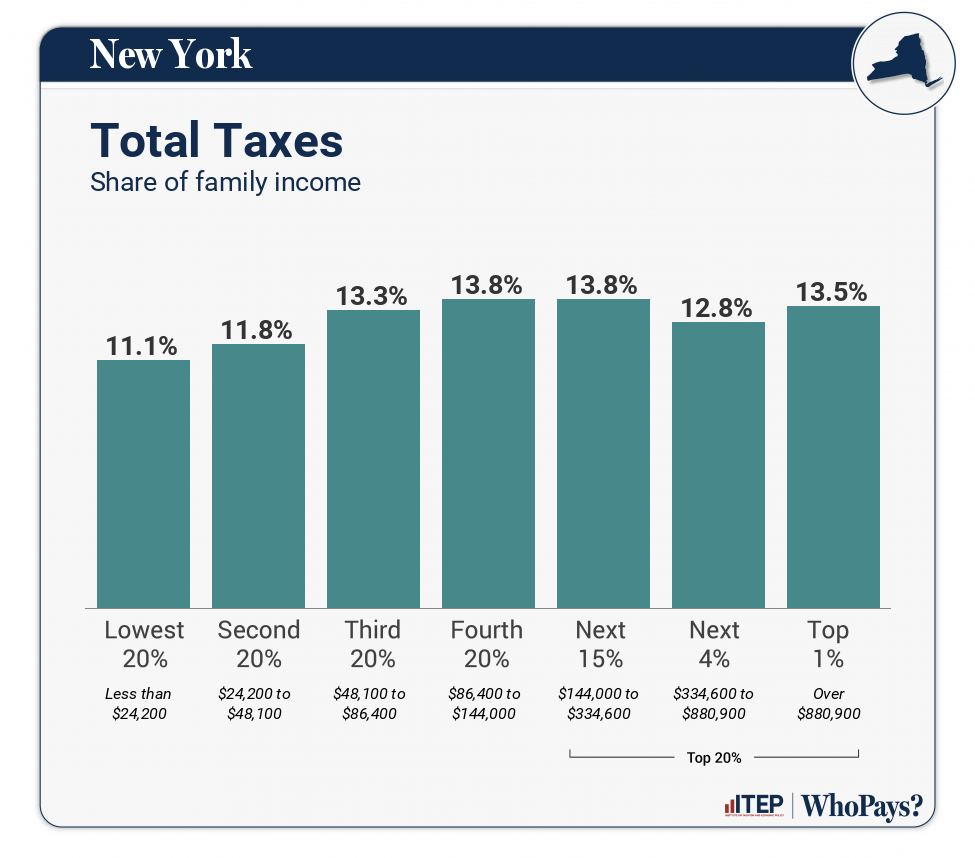
The interconnectedness of New York State Income Tax with the state’s vibrant tourism and diverse lifestyle offerings cannot be overstated. For residents, the tax directly impacts their disposable income, influencing their choices in leisure activities, dining out, and travel within or outside the state. A significant portion of an individual’s earnings going towards state taxes can mean less money available for a weekend getaway to the Finger Lakes, a fine dining experience in New York City, or even a day trip to a local landmark like the Brooklyn Bridge. This necessitates careful financial planning, where understanding tax obligations is as important as budgeting for daily expenses or saving for a vacation.
For visitors, the economic climate influenced by New York State Income Tax can indirectly affect their experience. For example, the tax revenue generated contributes to the upkeep of public spaces, the funding of cultural institutions like the Guggenheim Museum, and the maintenance of transportation networks, all of which enhance the tourism experience. Moreover, the overall economic health of the state, which is partly shaped by its tax policies, can influence the prices of goods and services, including those related to tourism, such as guided tours of historical sites or admission to attractions like Six Flags Great Escape.
Lifestyle choices, whether they are luxury travel to the Hamptons, budget-friendly explorations of Buffalo’s art scene, or family trips to theme parks, are all subject to an individual’s financial capacity. For New York residents, this capacity is directly impacted by their tax burden. Therefore, comprehensive financial planning that includes understanding and accounting for New York State Income Tax is essential. This allows individuals to make informed decisions about their spending, saving, and investment strategies, ensuring they can fully enjoy the diverse lifestyle and rich tourism opportunities that New York has to offer, from the bustling streets of Manhattan to the tranquil shores of Lake Ontario.
LifeOutOfTheBox is a participant in the Amazon Services LLC Associates Program, an affiliate advertising program designed to provide a means for sites to earn advertising fees by advertising and linking to Amazon.com. Amazon, the Amazon logo, AmazonSupply, and the AmazonSupply logo are trademarks of Amazon.com, Inc. or its affiliates. As an Amazon Associate we earn affiliate commissions from qualifying purchases.