
Florida, the Sunshine State, is renowned not only for its breathtaking beaches, vibrant theme parks, and rich cultural tapestry but also as a thriving hub for entrepreneurship. With a business-friendly climate, a growing population, and a robust tourism industry, it’s no wonder many aspiring business owners set their sights on establishing their ventures here. Whether you dream of opening a charming boutique hotel near the turquoise waters of the Florida Keys, a lively restaurant serving authentic Cuban cuisine in Miami, or a unique tour operation showcasing the natural wonders of the Everglades, Florida offers fertile ground for your ambitions. This guide will walk you through the essential steps to start a business in the Sunshine State, drawing inspiration from the very essence of what makes Florida so attractive to visitors and residents alike.
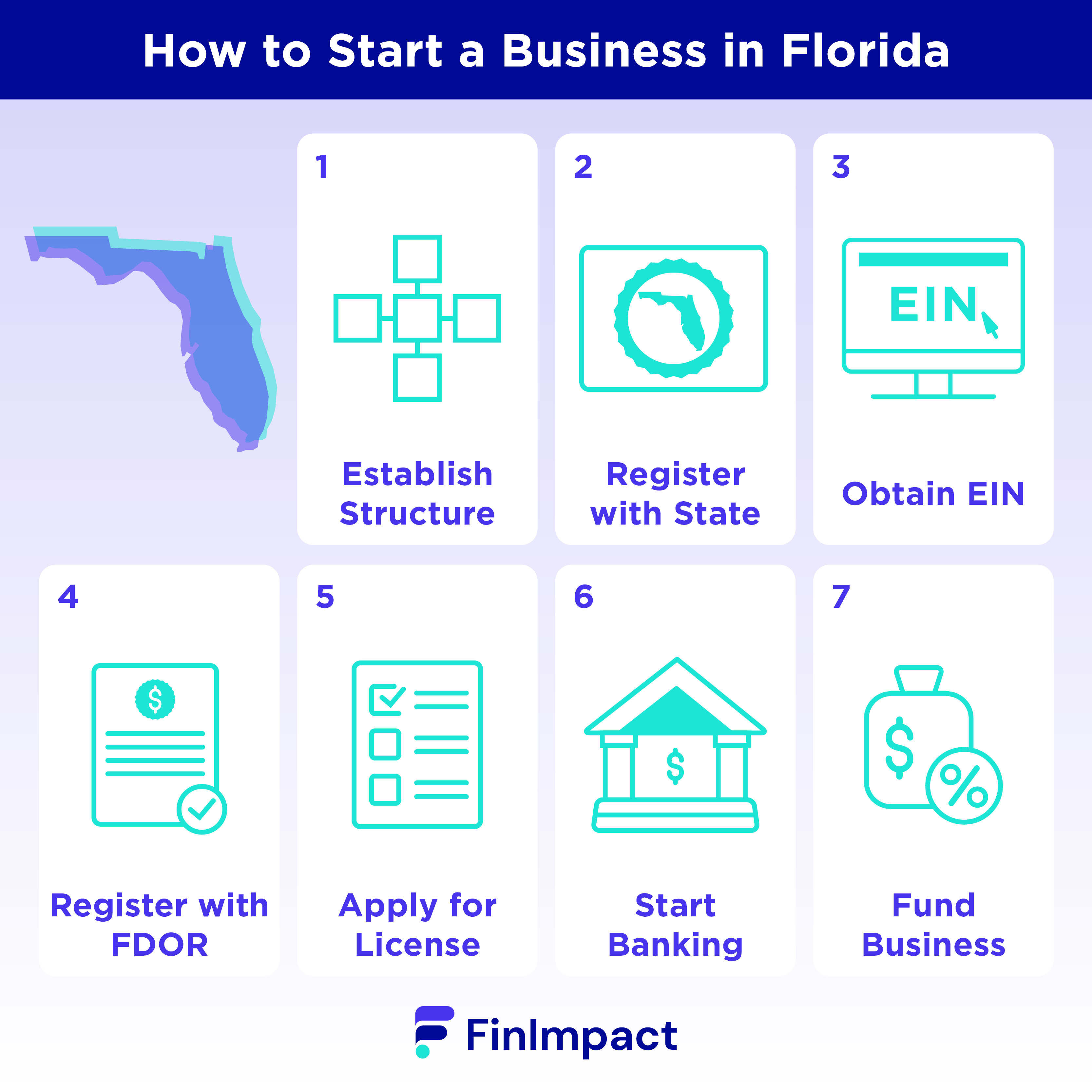
Laying the Foundation: From Idea to Legal Structure
Before you can even think about booking your first guest at a resort or selling your first souvenir, a solid foundation needs to be built. This involves meticulously planning your business concept and choosing the right legal structure to protect your assets and facilitate growth. Florida’s dynamic landscape offers a plethora of opportunities, mirroring the diverse attractions that draw millions each year, from the historic charm of St. Augustine to the family-friendly fun of Orlando.
Developing a Compelling Business Plan
A business plan is more than just a document; it’s your roadmap to success. For any business, especially those in the tourism and hospitality sectors where Florida excels, a well-researched and comprehensive plan is crucial. Consider the core elements that make a Florida experience memorable: the seamless booking process for accommodation, the allure of unique local culture, and the promise of unforgettable experiences.
Your business plan should clearly define your concept. If you’re envisioning a boutique hotel, what sets it apart? Is it the luxury travel amenities, the focus on long-term stays, or its proximity to iconic landmarks like Bok Tower Gardens? If it’s a culinary venture, what niche will your restaurant fill? Will it offer budget-friendly meals for families on vacation or upscale dining experiences for those seeking a taste of Florida lifestyle?
Market research is paramount. Who is your target audience? Are you catering to international tourists visiting Walt Disney World, business travelers frequenting Tampa, or retirees seeking a peaceful villa in the Gulf Coast? Understanding your demographic will inform your marketing strategies and the services you offer. Analyze your competition. What are other businesses in your chosen sector doing well, and where are there gaps you can fill? This is akin to comparing different resorts on a booking website to find the best value and experience.
Financial projections are another critical component. How much capital will you need to launch? This includes costs for property, renovations, staffing, marketing, and inventory. Create realistic revenue forecasts and break-even analyses. Securing funding, whether through personal savings, loans, or investors, will depend heavily on the strength of your financial projections. For businesses tied to tourism, consider seasonality and its impact on revenue.
Choosing the Right Business Structure
The legal structure you choose for your business will have significant implications for taxation, liability, and administrative requirements. Florida offers several common options:
- Sole Proprietorship: This is the simplest structure, where you are the sole owner and are personally responsible for all business debts and liabilities. It’s easy to set up but offers no liability protection.
- Partnership: Similar to a sole proprietorship, but with two or more owners. Profits and losses are shared among partners, and each partner is typically liable for the debts of the business.
- Limited Liability Company (LLC): An LLC offers a good balance between simplicity and liability protection. It separates your personal assets from your business debts, and profits and losses can be passed through to the owners’ personal income without being taxed at the corporate level. This is a popular choice for many small businesses in Florida, offering flexibility akin to finding the perfect apartment for a short stay.
- Corporation (S Corp or C Corp): Corporations are more complex to set up and maintain, involving more paperwork and regulatory compliance. However, they offer the strongest liability protection and can be more attractive to investors. C Corps face double taxation (at the corporate level and then again on dividends), while S Corps offer pass-through taxation similar to LLCs but with stricter eligibility rules.
Consulting with a legal professional or an accountant in Florida is highly recommended to determine the best structure for your specific business goals and financial situation. This decision is as vital as selecting the right hotel amenities for your guests.
Navigating the Legal and Administrative Landscape
Once your business plan is solid and your legal structure is chosen, you’ll need to navigate the practical steps of registration, licensing, and compliance within the Florida legal framework. This process, while sometimes intricate, is designed to ensure businesses operate legally and contribute to the state’s economic health, much like how a well-managed tour enhances the visitor’s appreciation for Florida’s history.
Registering Your Business and Obtaining Licenses
The first formal step is to register your business name. If you are operating as a sole proprietorship or partnership and using a name other than your own legal name, you will likely need to file a “Doing Business As” (DBA) or fictitious name registration with the Florida Department of State. For LLCs and corporations, the name registration occurs during the formation process with the state.
Next, you’ll need to obtain an Employer Identification Number (EIN) from the Internal Revenue Service (IRS) if you plan to hire employees or operate as a corporation or partnership. This is akin to obtaining a booking confirmation number for a resort.

Florida requires various licenses and permits depending on your industry and location. These can include:
- State Licenses: Many professions and industries require specific licenses from state agencies. For example, businesses in the food service industry will need permits from the Florida Department of Health or the Florida Department of Business and Professional Regulation (DBPR). Those involved in hospitality, such as hotels and resorts, will have specific requirements related to lodging establishments. If you’re planning a travel agency or tour operation, investigate the regulations governing such businesses.
- Local Licenses: Cities and counties in Florida also have their own business license requirements. You’ll need to check with the specific city or county where your business will be located. This is as important as confirming the check-in time at your chosen accommodation.
- Federal Licenses: Depending on your business activities, you might also need federal licenses or permits. For instance, businesses involved in selling alcohol or firearms will have federal regulations to adhere to.
Thorough research into the specific licensing requirements for your chosen business type in Florida is non-negotiable. Websites like the Florida Department of Business and Professional Regulation and the Florida Department of Economic Opportunity are invaluable resources.
Understanding Tax Obligations
Businesses operating in Florida have federal, state, and local tax obligations.
- Federal Taxes: This includes income tax (paid quarterly or annually based on your business structure), self-employment tax, and employment taxes (if you have employees).
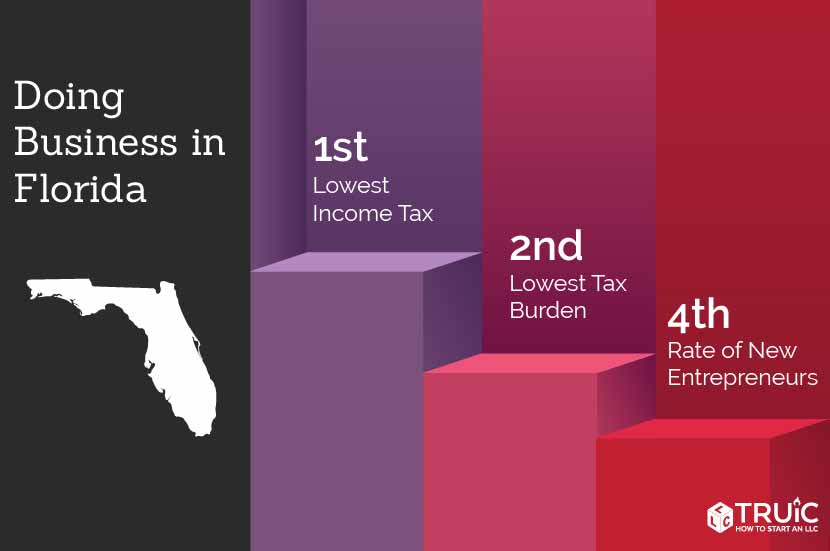
- Florida State Taxes: Florida is known for its lack of a state income tax for individuals. However, businesses are subject to various state taxes:
- Sales and Use Tax: If your business sells taxable goods or services, you will need to register with the Florida Department of Revenue and collect and remit sales tax. This applies to many retail operations, including souvenir shops, restaurants, and even some service-based businesses offering tangible goods.
- Reemployment Tax (formerly Unemployment Tax): If you have employees, you are required to pay reemployment tax.
- Corporate Income Tax: If your business is structured as a C corporation, it will be subject to Florida’s corporate income tax.
- Local Taxes: Some cities and counties may impose local business taxes or other fees.
It is crucial to understand your specific tax liabilities and ensure timely compliance to avoid penalties. Working with a tax professional in Florida can simplify this complex aspect of business ownership.
Building Your Business: Operations, Marketing, and Growth
With the legal and administrative groundwork laid, the focus shifts to the operational aspects of running your business and attracting customers. In a state as diverse and dynamic as Florida, with its endless array of attractions, experiences, and destinations, effective operations and marketing are key to standing out and thriving. Whether you are running a luxury resort in Palm Beach, a family-friendly theme park attraction near Tampa, or a quaint bed and breakfast in a historic district, your approach to customer service, marketing, and adaptation will determine your long-term success.
Establishing Operational Excellence
Operational excellence is about efficiency, quality, and customer satisfaction. For businesses tied to tourism, this is paramount. Think about the guest experience at a luxury hotel or a well-run tour. Every interaction, from the initial booking to the final checkout, should be seamless and positive.
- Staffing and Training: Hire the right people who are passionate about providing excellent service. For hospitality businesses, this means friendly, efficient, and knowledgeable staff. For retail, it means helpful and engaged sales associates. Provide thorough training on your products, services, and customer service standards. This is akin to ensuring a guide for a nature tour is well-informed about the local flora and fauna.
- Supply Chain Management: Whether you’re sourcing local produce for your restaurant or procuring amenities for your hotel, efficient supply chain management ensures you have what you need when you need it, at the best possible price. For businesses that rely on unique Florida products, building strong relationships with local suppliers is a great advantage.
- Customer Service: In the competitive Florida market, exceptional customer service can be your biggest differentiator. This includes prompt responses to inquiries, effective problem-solving, and a genuine commitment to guest satisfaction. Positive reviews on booking platforms and travel websites can significantly influence future customers.
- Technology Integration: Utilize technology to streamline operations. This could involve online booking systems for your accommodation, inventory management software, or customer relationship management (CRM) tools. For tour operators, apps that provide real-time information or navigation can enhance the experience.
Crafting Effective Marketing Strategies
Attracting customers in Florida, a major global tourist destination, requires a strategic and multifaceted marketing approach. Your marketing should reflect the allure of the Sunshine State itself, whether it’s the natural beauty of its landscapes, the thrill of its attractions, or the comfort of its accommodation.
- Online Presence: A professional website is essential. It should be visually appealing, easy to navigate, and provide all the necessary information about your business, including services, pricing, and contact details. Optimize your website for search engines (SEO) so potential customers can find you when searching for businesses in Florida.
- Social Media Marketing: Platforms like Instagram, Facebook, and TikTok are powerful tools for showcasing what makes your business unique. Use high-quality photos and videos of your destinations, attractions, experiences, and amenities. Engage with your followers and run targeted ad campaigns.
- Content Marketing: Create valuable content that resonates with your target audience. This could include blog posts about Florida travel tips, guides to local food scenes, or articles highlighting the history and architecture of the region. This establishes your expertise and draws organic traffic to your site.
- Partnerships and Collaborations: Collaborate with other businesses in the Florida tourism ecosystem. Partner with hotels, travel agencies, or local attractions to offer package deals or cross-promotional opportunities. This can be particularly effective for businesses offering activities or experiences.
- Reputation Management: Encourage satisfied customers to leave online reviews on platforms like TripAdvisor, Google, and booking sites. Actively monitor and respond to reviews, both positive and negative, demonstrating your commitment to customer feedback. A strong reputation is as valuable as a prime location for a resort.
Planning for Growth and Adaptation
The Florida business landscape is constantly evolving. To remain competitive, you must be prepared to adapt and grow.
- Continuous Improvement: Regularly evaluate your operations, customer feedback, and market trends. Identify areas for improvement and implement changes to enhance your offerings.
- Expansion: As your business grows, consider expanding your services or locations. This could mean opening additional branches, developing new product lines, or offering new experiences.
- Stay Informed: Keep abreast of changes in regulations, economic conditions, and consumer preferences in Florida. The tourism industry, in particular, is subject to shifts in travel trends and global events.
Starting a business in Florida is an exciting and rewarding endeavor. By meticulously planning, navigating the legal requirements, and focusing on operational excellence and strategic marketing, you can transform your entrepreneurial vision into a thriving reality in the Sunshine State. The opportunities are as vast and varied as Florida itself, from the sun-drenched shores of the Atlantic Coast to the vibrant energy of its cities, offering a unique backdrop for every type of venture.
LifeOutOfTheBox is a participant in the Amazon Services LLC Associates Program, an affiliate advertising program designed to provide a means for sites to earn advertising fees by advertising and linking to Amazon.com. Amazon, the Amazon logo, AmazonSupply, and the AmazonSupply logo are trademarks of Amazon.com, Inc. or its affiliates. As an Amazon Associate we earn affiliate commissions from qualifying purchases.