
While the allure of Arizona often conjures images of sun-drenched landscapes, vibrant desert flora, and the majestic presence of the Grand Canyon, it’s also a state with a dynamic economy that impacts the daily lives of its residents. For those planning a visit, considering a move, or simply curious about the economic pulse of the state, understanding the minimum wage is a fundamental piece of information. This guide delves into what the minimum wage is in Arizona, how it’s determined, and its potential implications for travelers and locals alike.
Understanding Minimum Wage in Arizona: The Current Landscape
The minimum wage is the legally mandated lowest hourly rate that employers can pay their employees. It serves as a baseline to ensure workers receive a fair compensation for their labor, preventing exploitation and promoting a more equitable distribution of income. In Arizona, like in many other states, the minimum wage is not static; it is subject to adjustments that reflect the cost of living and economic conditions.

The Current Minimum Wage Rate
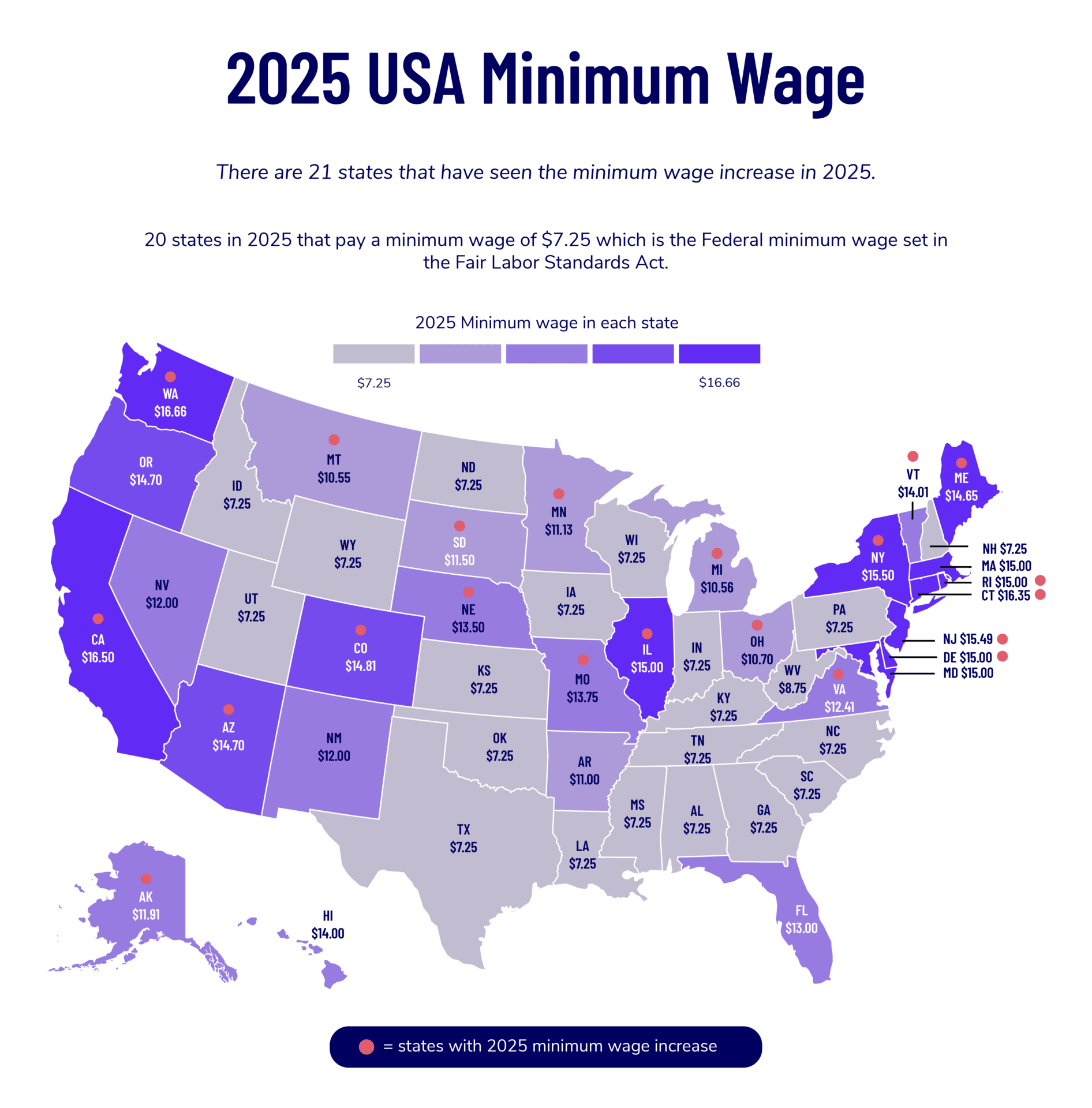
As of the latest available data, the minimum wage in Arizona stands at $13.85 per hour. This rate applies to most employees across the state. It’s important to note that this figure is a crucial benchmark for understanding the earning potential for individuals in various sectors, from hospitality workers in Phoenix to retail staff in Tucson. This rate is a significant aspect of the state’s economic policy, influencing both employee income and employer operational costs.
How Arizona’s Minimum Wage is Determined
Arizona has a unique approach to setting its minimum wage, which has historically been tied to a constitutional amendment.
The Voter Initiative and Annual Adjustments
In 2006, Arizona voters approved Proposition 200, which established a minimum wage and mandated annual adjustments based on inflation. This means that the minimum wage is not set in stone but is periodically increased to keep pace with the rising cost of living. The inflation adjustment is typically calculated using the Consumer Price Index (CPI) for the Phoenix-Mesa-Scottsdale metropolitan area. This mechanism ensures that the purchasing power of the minimum wage is maintained over time, preventing it from being eroded by inflation. The Department of Economic Security (DES) is responsible for publishing the updated minimum wage rate each year. This proactive approach by the state aims to provide a degree of economic stability for low-wage workers.
The Tipped Minimum Wage
A crucial distinction in minimum wage laws across the country is the treatment of tipped employees. In Arizona, employers can pay a lower cash minimum wage to employees who customarily and regularly receive more than $30 a month in tips. This rate is set at $10.85 per hour. However, this lower rate is only permissible if the employee, when combined with their tips, earns at least the standard state minimum wage of $13.85 per hour. If an employee’s tips and the cash wage do not add up to the full minimum wage, the employer must make up the difference. This provision is particularly relevant for workers in the food service industry, including those employed at popular restaurants and cafes in cities like Sedona or Scottsdale. It’s essential for both employers and employees to understand these regulations to ensure compliance.
Federal vs. State Minimum Wage
It’s also important to consider the relationship between federal and state minimum wage laws. The federal minimum wage, currently set at $7.25 per hour, acts as a floor. In states where the state minimum wage is higher than the federal rate, employers must pay the higher state rate. Conversely, if a state’s minimum wage is lower than the federal rate, employers are generally required to pay the federal minimum wage. Since Arizona’s minimum wage of $13.85 per hour is significantly higher than the federal minimum wage, employers in Arizona must adhere to the state’s higher rate. This ensures that workers in Arizona benefit from a more substantial minimum earning.
Implications for Travelers and the Tourism Industry
Understanding Arizona’s minimum wage has direct and indirect implications for those who experience the state’s renowned tourist attractions and hospitality sector.
Impact on Tourism Costs and Experiences
The minimum wage is a significant component of labor costs for businesses in the tourism industry. Hotels, restaurants, tour operators, and other service providers employ a substantial number of workers who are likely to be paid at or near the minimum wage. An increase in the minimum wage can lead to higher operational expenses for these businesses. In some instances, these increased costs may be passed on to consumers in the form of higher prices for accommodation, dining, and activities.
For travelers, this could mean that a stay at a luxury resort like the Arizona Biltmore, A Waldorf Astoria Resort or a budget-friendly motel might see slight price adjustments. Similarly, dining experiences at renowned establishments or enjoying guided tours of landmarks like the Antelope Canyon could also reflect these changes. However, it’s also worth noting that the tourism industry in Arizona is driven by a multitude of factors, including demand, seasonality, and the unique appeal of its destinations. While wage costs are a consideration, they are often one piece of a larger pricing puzzle. The overall value proposition of experiencing Arizona’s diverse offerings – from the vibrant arts scene in Santa Fe (though technically in New Mexico, often visited from Arizona) to the natural wonders like Monument Valley – is what ultimately draws visitors.
The Role of Minimum Wage in Local Economies
Beyond tourism, the minimum wage plays a vital role in the broader economic well-being of Arizona. A higher minimum wage can lead to increased disposable income for low-wage workers. This, in turn, can stimulate local economies as these individuals spend more on goods and services within their communities. This can benefit local businesses, including shops, service providers, and even smaller accommodation providers like vacation rentals or boutique hotels. For residents and those considering long-term stays, understanding the minimum wage provides insight into the earning capacity of a significant portion of the population, influencing the overall economic vitality and lifestyle within the state. It contributes to the ongoing discussion about economic fairness and the support of a thriving workforce.
Considerations for Employment and Lifestyle in Arizona
For individuals seeking employment or planning a lifestyle in Arizona, the minimum wage is a fundamental factor in their financial planning.
Earning Potential and Cost of Living
The minimum wage of $13.85 per hour sets a baseline for earnings. For a full-time worker (40 hours per week), this equates to an annual gross income of approximately $28,808. While this is a significant improvement over the federal minimum wage, it’s essential to consider Arizona’s cost of living. The cost of living can vary considerably depending on the city or region. Major metropolitan areas like Phoenix and its surrounding suburbs, or popular tourist destinations like Sedona, may have a higher cost of living compared to more rural areas.
When planning a lifestyle, whether it’s a budget travel experience, a family trip, or a business stay, understanding how the minimum wage aligns with the cost of essentials like housing, food, transportation, and entertainment is crucial. For instance, someone considering a long-term stay in an apartment in Tempe might need to factor in rent prices that could consume a substantial portion of a minimum wage income. Conversely, those focusing on budget travel can leverage their earnings effectively by seeking out affordable accommodation options and utilizing public transportation where available. The state offers a diverse range of experiences, from the luxury of a resort stay in Scottsdale to the simple pleasures of exploring state parks, and an awareness of the minimum wage helps in understanding the economic context of these choices.
Future Trends and Advocacy
The discussion around minimum wage is often ongoing. Advocacy groups, labor unions, and policymakers frequently debate whether the current minimum wage is sufficient to meet the needs of workers and whether it should be increased further. These discussions can be influenced by economic indicators, inflation rates, and changing societal expectations regarding fair compensation. As Arizona continues to grow and evolve, so too will the conversations surrounding its economic policies, including the minimum wage. For those living, working, or visiting Arizona, staying informed about potential legislative changes or ballot initiatives related to the minimum wage is advisable, as these can have a direct impact on the state’s economic landscape and the experiences of its inhabitants and guests. Whether planning a visit to the Desert Botanical Garden or considering a permanent move, understanding these economic underpinnings adds valuable context to any Arizona adventure.
LifeOutOfTheBox is a participant in the Amazon Services LLC Associates Program, an affiliate advertising program designed to provide a means for sites to earn advertising fees by advertising and linking to Amazon.com. Amazon, the Amazon logo, AmazonSupply, and the AmazonSupply logo are trademarks of Amazon.com, Inc. or its affiliates. As an Amazon Associate we earn affiliate commissions from qualifying purchases.