
Florida, the Sunshine State, conjures images of sun-drenched beaches, vibrant theme parks, and lush tropical landscapes. While it’s a premier destination for travel and a hub for various tourism activities, many residents and visitors are discovering another rewarding pursuit within its warm climate: growing their own garlic. Often perceived as a crop suited for cooler regions, garlic can indeed thrive in Florida, provided the right varieties and techniques are employed. This guide will navigate you through the fascinating process of cultivating delicious, homegrown garlic amidst the unique conditions of the Florida environment, transforming your garden into a source of culinary delight.

The allure of growing your own garlic extends beyond mere novelty. Imagine the satisfaction of harvesting plump, aromatic bulbs to elevate your food creations, from simple sautéed dishes to complex gourmet meals. For those who appreciate the bounty of nature and the satisfaction of self-sufficiency, gardening in Florida offers a unique opportunity. While the initial thought might be that garlic needs frost to develop properly, certain varieties are specifically adapted to warmer climates, and with careful planning and execution, you can achieve impressive yields even in the humid Florida summers. This endeavor beautifully intertwines with the lifestyle aspect of embracing local produce and engaging in rewarding outdoor activities.
Understanding Florida’s Unique Garlic Growing Environment
Cultivating garlic in Florida presents a distinct set of challenges and advantages compared to more traditional garlic-growing regions. The primary hurdle is Florida’s generally warm climate. Garlic, particularly the hardneck varieties, typically requires a period of cold, known as vernalization, to trigger bulb formation. However, softneck varieties are more heat-tolerant and can be successfully grown. Furthermore, Florida’s soil types can vary significantly, from sandy loams in some areas to heavier clay soils in others, and managing soil moisture is crucial due to the state’s high humidity and rainfall.
The subtropical climate of Florida influences the garlic’s growth cycle. Unlike in cooler regions where planting typically occurs in the fall for a summer harvest, Florida’s planting window is often earlier. This allows the plants to establish themselves before the intense heat and humidity of summer, which can stress the plants and encourage disease. Understanding these nuances is the first step towards successful garlic cultivation in the Sunshine State.
Soil Preparation and Variety Selection: The Foundation for Success
The success of your garlic crop in Florida hinges significantly on two critical factors: meticulously prepared soil and the judicious selection of garlic varieties. Florida’s sandy soils, while common, often lack the organic matter and nutrient-holding capacity that garlic thrives on. Therefore, amending the soil is a non-negotiable step.
Soil Amendment for Optimal Growth:
Garlic prefers well-drained, fertile soil rich in organic matter. In Florida, this often means incorporating generous amounts of compost, aged manure, and other organic amendments into your garden beds. This not only improves drainage, crucial for preventing root rot in Florida’s wet conditions, but also enhances the soil’s ability to retain moisture and nutrients. Aim for a soil pH between 6.0 and 7.0, which is ideal for garlic. You can test your soil’s pH using a simple home testing kit and amend it with lime to raise the pH or sulfur to lower it, if necessary. Raised beds are highly recommended in Florida to ensure excellent drainage and aeration, especially for gardeners dealing with heavier clay soils.
Choosing the Right Garlic Varieties for Florida:
The key to successful garlic growing in Florida lies in selecting the right types of garlic. Hardneck varieties, known for their complex flavors and edible scapes, generally require significant cold to produce bulbs. While some attempts can be made with specific hardneck types and by chilling the seed cloves before planting, they are generally less reliable in Florida.
Softneck varieties are the stars for Florida growers. These are the types you commonly find in supermarkets, such as ‘California Early,’ ‘California Late,’ and ‘Inchelium Red.’ They are known for their heat tolerance and their ability to cure well in humid conditions, making them a practical choice for the Florida climate. Within the softneck category, consider varieties specifically known for their adaptability to warmer regions. Some Creole garlic types, for example, have shown promise in Florida gardens. Researching specific cultivars recommended by local extension offices or experienced Florida gardeners is highly advisable. Purchasing certified disease-free seed garlic from reputable suppliers is also essential to prevent introducing pathogens into your garden.
Planting and Cultivation Techniques for Florida Garlic
Once your soil is prepared and you’ve selected the ideal varieties, the next crucial phase involves planting and nurturing your garlic throughout its growth cycle. Florida’s unique climate dictates a modified planting schedule and specific care routines to ensure a bountiful harvest.
Optimal Planting Times and Methods
Unlike many other regions where garlic is planted in the fall, Florida growers typically plant their garlic in the early fall, from September through November. This allows the plants to establish a strong root system and develop sufficient foliage before the cooler winter months, which are milder in Florida but still provide some benefit to the garlic. Planting too late can result in smaller bulbs.
To plant, break apart the seed garlic into individual cloves, leaving the skin on each clove. Plant each clove about 4-6 inches deep, with the pointed end facing upwards. Spacing is important; allow 6 inches between cloves and 12 inches between rows to give the plants ample room to grow and for air circulation, which helps prevent fungal diseases common in Florida’s humidity. If you are experimenting with hardneck varieties, consider chilling your seed cloves in the refrigerator for 4-6 weeks before planting to mimic a cold period.
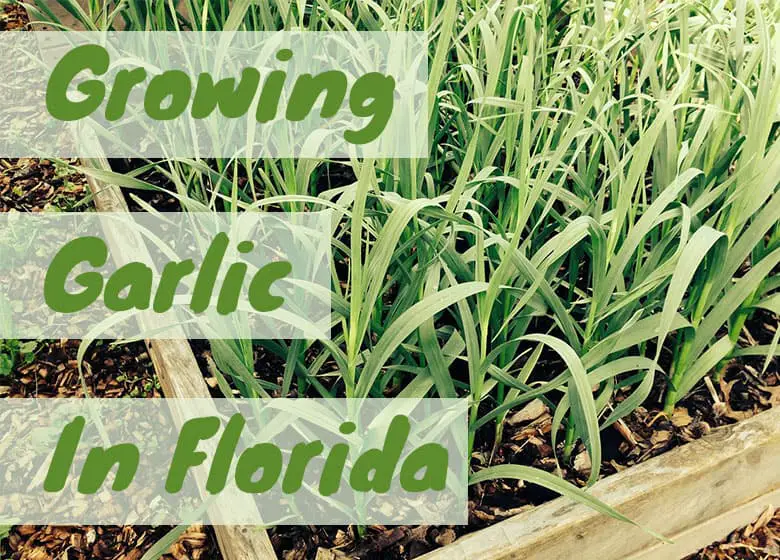
Watering and Fertilization Strategies:
Garlic requires consistent moisture, especially during the initial growth stages and bulb development. However, overwatering, particularly in Florida’s rainy season, can lead to bulb rot. Aim to keep the soil consistently moist but not waterlogged. Water deeply when the top inch of soil feels dry. Mulching is highly beneficial in Florida. A thick layer of organic mulch, such as straw or pine needles, helps retain soil moisture, suppress weeds, regulate soil temperature, and prevent soil-borne diseases.
Fertilization should be approached strategically. Start with well-amended soil, as discussed earlier. Once the plants have emerged, you can apply a balanced, slow-release fertilizer. A second feeding can be applied in late winter or early spring when the plants begin to actively form bulbs. Avoid excessive nitrogen fertilization late in the season, as this can lead to leafy growth at the expense of bulb development and can make the garlic more susceptible to disease.
Managing Pests and Diseases in the Florida Climate
Florida’s warm and humid environment can be a breeding ground for various pests and diseases that can impact garlic crops. Proactive management and vigilant observation are key to protecting your plants.
Common Pests to Watch For:
- Onion Thrips: These tiny insects can damage leaves, causing stippling and reduced vigor. Control can involve beneficial insects, insecticidal soaps, or neem oil.
- Armyworms and Cutworms: These can chew on young seedlings and leaves. Row covers can offer some protection, and biological controls are often effective.
- Garlic Mites: These can infest bulbs, especially in storage. Proper curing and storage are crucial.
Diseases to Anticipate:
- Fungal Diseases: Due to high humidity, fungal diseases like Fusarium basal rot, white rot, and downy mildew are significant concerns. These can cause wilting, yellowing leaves, and bulb decay. Choosing disease-resistant varieties, ensuring good air circulation through proper spacing, using raised beds, avoiding overhead watering, and practicing crop rotation are essential preventive measures. If disease is detected, affected plants should be removed and destroyed to prevent spread.
- Bacterial Diseases: While less common than fungal issues, bacterial rots can also occur, particularly in waterlogged conditions.
Integrated Pest Management (IPM) strategies are highly recommended. This involves a combination of cultural practices (like those mentioned above), biological controls, and judicious use of organic or low-impact pesticides only when necessary. Regularly inspecting your plants for any signs of distress, discoloration, or pest activity will allow you to intervene early and minimize potential damage.
Harvesting and Curing Your Florida-Grown Garlic
The culmination of your gardening efforts arrives with the harvest, a process that requires careful timing and attention to detail to ensure you get the best possible yield and storage life for your Florida-grown garlic. Understanding when and how to harvest, followed by proper curing, is paramount.
Knowing When and How to Harvest
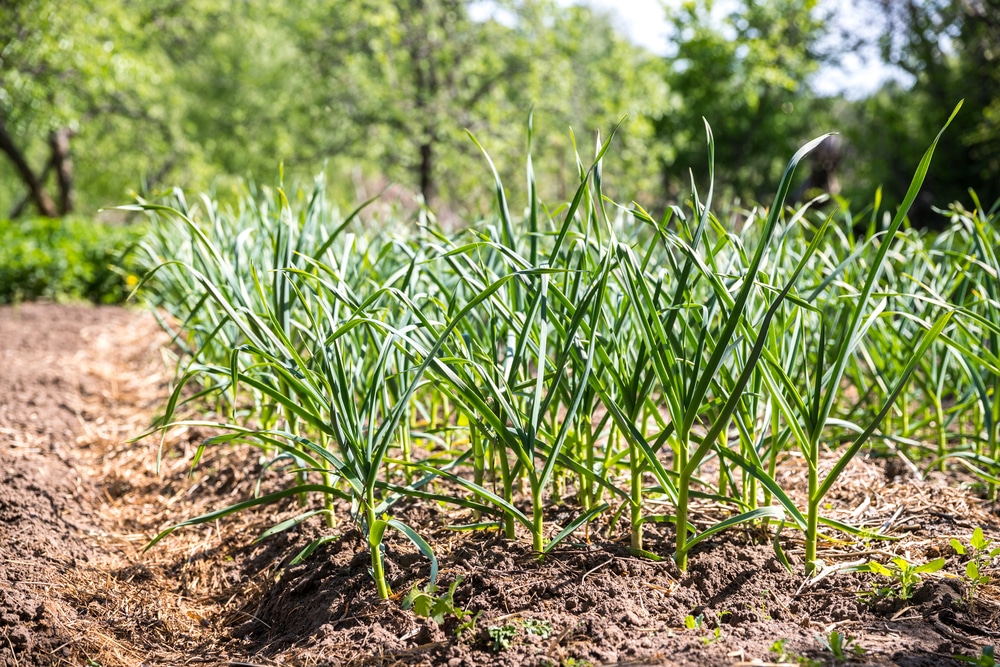
The telltale sign of mature garlic is the yellowing and dying back of the lower leaves. Typically, garlic planted in the fall in Florida will be ready for harvest in late spring or early summer, often between May and July. You’ll notice that about one-third to one-half of the leaves have turned brown and dried. Resist the urge to harvest too early, as the bulbs will not have reached their full size. Conversely, harvesting too late can lead to the bulbs splitting open, reducing their storage potential and making them more vulnerable to pests and diseases.
To harvest, gently loosen the soil around the base of the plant with a garden fork or trowel, being careful not to damage the bulbs. Then, grasp the stalk near the base and pull the garlic bulb straight up from the ground. If the soil is very dry, it’s best to water the area lightly a day or two before harvesting to make pulling easier.
The Crucial Curing Process:
Once harvested, garlic needs to be cured properly to allow the skins to dry and toughen, seal any cuts on the neck, and begin the process of long-term storage. Rushing this step can lead to premature spoilage.
Begin by brushing off any excess soil from the bulbs. Do not wash the garlic, as this adds moisture and can encourage rot. Lay the harvested garlic bulbs in a single layer in a well-ventilated, warm, and dry location. Ideal conditions are typically between 65-75°F (18-24°C) with good air circulation. A covered porch, a garage with open windows, or even a well-ventilated shed can work well. Avoid direct sunlight, which can cook the bulbs.
You can cure garlic by tying the stalks in bundles and hanging them upside down, or by placing them on screens or racks. The curing process usually takes 2 to 4 weeks, depending on the humidity and temperature. The garlic is fully cured when the roots are dry, the skin is papery, and the neck has sealed. Once cured, you can trim the roots to about half an inch and cut the stalk to about 1-2 inches, or leave them longer if you plan to braid them. Proper curing is essential for maximizing the shelf life of your Florida-grown garlic, allowing you to enjoy its flavor for months to come.
By embracing the specific conditions of Florida and employing these tailored techniques, you can enjoy the rewarding experience of growing your own flavorful garlic, adding a unique and delicious dimension to your lifestyle and culinary adventures. This practice not only connects you with your garden but also with the rich agricultural heritage that Florida offers, complementing the broader appeal of its attractions, hotels, and vibrant tourism scene.
LifeOutOfTheBox is a participant in the Amazon Services LLC Associates Program, an affiliate advertising program designed to provide a means for sites to earn advertising fees by advertising and linking to Amazon.com. Amazon, the Amazon logo, AmazonSupply, and the AmazonSupply logo are trademarks of Amazon.com, Inc. or its affiliates. As an Amazon Associate we earn affiliate commissions from qualifying purchases.