
Florida, a state synonymous with sunshine, theme parks, and pristine beaches, also boasts a rich culinary landscape. From the fresh seafood of the Panhandle to the vibrant Latin influences of Miami, food is an integral part of the Florida experience. For many travelers and residents alike, exploring local food culture involves seeking out unique and artisanal products. One such product that often sparks curiosity is raw milk. This leads to a frequently asked question: Is raw milk legal in Florida? The answer, like many things in life, is nuanced and depends on how and where you acquire it.

This article will delve into the legalities of raw milk in the Sunshine State, exploring the various avenues through which it can be obtained, the regulations surrounding its sale and consumption, and what this means for those interested in this unpasteurized dairy product as part of their Florida travel or lifestyle.
Understanding Raw Milk and Its Legal Landscape
Raw milk, by definition, is milk that has not undergone pasteurization. Pasteurization is a process of heating milk to a specific temperature for a set period to kill harmful bacteria. While proponents of raw milk champion its nutritional benefits and unique flavor profiles, health organizations, including the U.S. Food and Drug Administration (FDA), warn of the potential health risks associated with consuming unpasteurized milk due to the presence of pathogens like Salmonella, E. coli, and Listeria.
The legality of raw milk varies significantly from state to state in the United States. Some states permit its direct sale to consumers, while others restrict it or ban it entirely. Florida, like many states, navigates a middle ground, allowing for certain limited forms of raw milk acquisition that stop short of direct retail sales from dairy farms to the general public.
The Florida Statute: What the Law Says
In Florida, the sale of raw milk intended for human consumption directly from a dairy farm to the consumer is generally prohibited. This stance is rooted in public health concerns. However, the law does provide specific allowances that permit Floridians and visitors to access raw milk under certain conditions.
The key legislation governing this is found within the Florida Statutes, particularly concerning dairy products and food safety. The general prohibition aims to prevent the widespread distribution of a product that carries inherent risks if not handled with extreme care and proper safety protocols. The rationale behind these regulations is to safeguard public health by minimizing the potential for foodborne illnesses, which can be particularly dangerous for vulnerable populations such as children, pregnant women, the elderly, and individuals with compromised immune systems.
The state’s Department of Agriculture and Consumer Services is responsible for overseeing dairy production and sales, ensuring compliance with safety standards. While they focus on preventing direct sales of raw milk from farms, they have, over time, recognized the demand for such products and have established specific pathways for consumers to obtain them legally.
Legally Accessing Raw Milk in Florida
While you cannot typically walk into a Florida dairy and purchase raw milk over the counter for direct consumption, there are established methods by which individuals can legally obtain it. These methods often involve a contractual relationship between the consumer and the dairy farm, effectively bypassing the strict regulations associated with direct retail sales.
Herd Shares: The Primary Legal Avenue
The most common and legally sanctioned method for obtaining raw milk in Florida is through a herd share program. A herd share program is essentially a co-ownership agreement where consumers purchase a share in a dairy cow or herd. By becoming a shareholder, an individual gains the right to receive a portion of the milk produced by their share of the herd.
How Herd Shares Work:
- Ownership Agreement: A consumer enters into a contract with a dairy farm to purchase a share of a cow or a group of cows. This contract outlines the terms of ownership, the cost of the share, and the distribution of milk.
- Boarding and Care: The dairy farmer is responsible for the care, feeding, and housing of the cows. The farmer acts as the custodian of the herd on behalf of all the shareholders.
- Milk Distribution: As an owner of a share in the herd, the consumer is entitled to receive a portion of the milk produced by their owned animals. This milk is typically distributed by the farm, either picked up directly by the shareholder or through designated drop-off points.
- No Direct Sale of Milk: Critically, the consumer is not purchasing milk; they are receiving milk as a benefit of their ownership stake in the herd. This legal distinction is what allows herd share programs to operate within Florida’s regulatory framework.
Herd share programs are a clever way to circumvent the direct sales prohibition while still allowing consumers to access raw milk. They foster a direct relationship between the producer and the consumer, often leading to greater transparency about farming practices and animal welfare.
What to Look for in a Herd Share Program:
When considering a herd share program, it’s crucial to vet the farm thoroughly. Look for farms that:
- Maintain high standards of sanitation and hygiene.
- Provide clear and comprehensive herd share agreements.
- Are transparent about their farming practices and animal health.
- May offer educational opportunities about raw milk production.
These programs can be found across Florida, from the agricultural heartlands to areas closer to major tourist destinations. If you are staying in a villa or apartment for an extended period, a herd share could be a way to incorporate a unique local food experience into your Florida lifestyle.
Other Potential (and Less Common) Avenues
While herd shares are the primary legal route, some interpretations and specific circumstances might allow for other limited access points, though these are far less common and often subject to strict interpretation of the law.
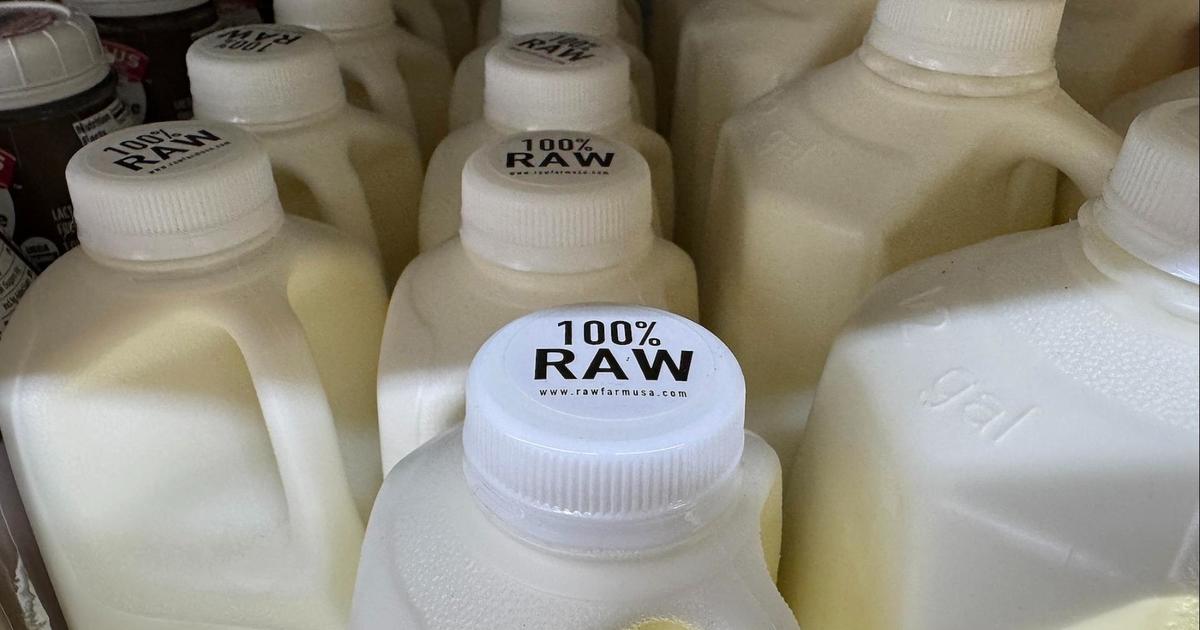
- On-Farm “Personal Use” Consumption: Some very small, niche operations might operate under the premise of milk being produced for the farmer’s own personal use, with shares being allocated. However, this is a grey area and would need to be managed with extreme caution to avoid any appearance of direct sales.
- Limited “Incidental” Sales (Rare and Risky): There are anecdotal reports and discussions online about certain farms engaging in what could be perceived as more direct sales. However, these are often operating in a legally precarious position and are not recommended for consumers seeking guaranteed legality. The risks of violating Florida’s statutes and potentially facing penalties are significant.
It is always best to stick to clearly established and legally sound methods like herd share programs.
The Lifestyle and Tourism Connection: Raw Milk in Florida
For travelers and residents who embrace a particular lifestyle, the pursuit of authentic food experiences is paramount. Florida, with its diverse agricultural sector and growing interest in local and artisanal products, offers opportunities to connect with food producers in unique ways.
Foodie Adventures in the Sunshine State
For the discerning foodie, the exploration of Florida’s culinary scene extends beyond its renowned restaurants and theme park dining. It involves seeking out local farms, farmers’ markets, and producers of artisanal goods. If raw milk is part of your dietary preference or curiosity, understanding the legal pathways to access it allows you to integrate this aspect into your Florida journey.
Imagine visiting a charming bed and breakfast or a luxurious resort in the countryside and learning about a local farm offering herd shares. This can become an enriching part of your trip, connecting you to the land and local agricultural practices. It’s a way to experience Florida beyond the typical tourist attractions.
Beyond the Beach: Exploring Florida’s Agricultural Roots
While the beaches of Miami and the theme parks of Orlando are undeniable draws, Florida’s appeal extends to its fertile farmlands and its commitment to local agriculture. For those interested in a more immersive experience, exploring agricultural tourism can be incredibly rewarding.
Participating in a herd share program, even for a short period during a longer stay, offers a glimpse into a different facet of Florida’s economy and lifestyle. It’s a way to engage with the state’s rural heritage and support local farmers directly. This type of experience aligns well with the growing trend of farm-to-table dining and conscious consumerism.
Family Trips and Dietary Choices
For families traveling to Florida, dietary choices are often a significant consideration. If a family chooses to consume raw milk, understanding the legalities is essential. While direct purchase from grocery stores is not an option for raw milk, exploring herd share programs could be an option for families staying for extended periods in accommodations like apartments or villas, provided they can arrange participation with a local farm.
This can add an educational element to a family trip, teaching children about where their food comes from and the different methods of food production. However, it’s crucial for families to be fully informed about the potential risks associated with raw milk consumption and to make decisions based on their own comfort levels and health considerations.

Health Considerations and Recommendations
It is imperative to address the health aspects of raw milk. Public health organizations worldwide, including the Centers for Disease Control and Prevention (CDC) and the FDA, strongly advise against the consumption of raw milk due to the significant risk of severe illness from bacteria, viruses, and parasites found in raw milk.
Potential Risks:
- Bacterial Contamination: Raw milk can be contaminated with harmful bacteria such as Salmonella, E. coli O157:H7, Listeria monocytogenes, and Campylobacter.
- Severe Illness: Infections from these pathogens can cause vomiting, diarrhea, abdominal cramps, fever, and in severe cases, lead to dehydration, kidney failure, paralysis, or even death.
- Vulnerable Populations: The risks are particularly high for infants, young children, pregnant women, the elderly, and individuals with weakened immune systems.
Proponents’ Arguments:
Advocates for raw milk often claim it offers superior nutritional value, contains beneficial enzymes and probiotics lost during pasteurization, and tastes better. They may also argue that healthy, well-managed herds on clean farms produce safe raw milk.
Responsible Consumption:
If you choose to consume raw milk in Florida through a herd share program, it is crucial to:
- Be Informed: Understand the risks involved.
- Choose Reputable Farms: Select farms with rigorous sanitation practices and a commitment to animal health.
- Consult Your Healthcare Provider: Discuss your decision with a doctor, especially if you or any family members are in a high-risk group.
- Proper Storage: Handle and store raw milk with extreme care to minimize bacterial growth.
Ultimately, the decision to consume raw milk is a personal one. In Florida, the legal framework allows for access through herd share programs, but consumers must prioritize safety and be fully aware of the potential health implications. Whether you are planning a vacation to a luxury resort in the Keys, exploring the historic landmarks of St. Augustine, or enjoying a family trip to a theme park, understanding the legalities of accessing local products like raw milk contributes to a well-rounded and informed experience of the Sunshine State.
LifeOutOfTheBox is a participant in the Amazon Services LLC Associates Program, an affiliate advertising program designed to provide a means for sites to earn advertising fees by advertising and linking to Amazon.com. Amazon, the Amazon logo, AmazonSupply, and the AmazonSupply logo are trademarks of Amazon.com, Inc. or its affiliates. As an Amazon Associate we earn affiliate commissions from qualifying purchases.