
Dreaming of shaping young minds in the Sunshine State? Obtaining a Florida teaching certificate is an exciting first step towards a rewarding career in education. While the Florida Department of Education meticulously outlines the requirements, navigating the process can feel a bit like planning an adventure: there are essential destinations to reach, resources to gather, and steps to follow to ensure a smooth journey. This guide will help you chart your course, from understanding the initial qualifications to finally holding that coveted certificate.
The landscape of Florida education is as diverse as its attractions, from the theme parks of Orlando to the historic charm of St. Augustine. Similarly, the path to becoming a certified teacher offers several routes, catering to different backgrounds and experiences. Whether you’re a recent graduate or making a career change, understanding these pathways is crucial.

Laying the Foundation: Eligibility and Requirements
Before embarking on your quest for a Florida teaching certificate, it’s vital to understand the fundamental eligibility criteria. These form the bedrock of your application, much like understanding the basic amenities and location are crucial when booking a stay at a resort or a charming villa.
Educational Qualifications
The primary requirement for obtaining a Florida teaching certificate is a bachelor’s degree from an accredited institution. This degree should be in a subject area for which you intend to teach. For instance, if you aim to teach middle school math, a bachelor’s in mathematics is essential. The Florida Department of Education emphasizes the importance of a regionally accredited program, ensuring the quality and rigor of your education.
Beyond the bachelor’s degree, you’ll need to have completed a certain number of college credit hours in your chosen subject area. The exact number can vary depending on the specific subject and the type of certificate you are pursuing. It’s highly recommended to consult the official Florida Department of Education website or contact them directly for the most up-to-date and precise credit hour requirements for your desired specialization.
Standardized Testing
A significant milestone in the journey to becoming a certified Florida educator is passing standardized competency tests. These exams are designed to assess your knowledge and skills in the subject matter you wish to teach and your general pedagogical abilities.
For Florida, the primary assessment is the Florida Teacher Certification Examinations (FTCE). The FTCE program consists of several components:
- General Knowledge Test (GKT): This exam assesses basic skills in reading, writing, and mathematics. It’s a foundational test designed to ensure all prospective teachers have a solid understanding of core academic subjects.
- Subject Area Examinations: These tests are specific to the subject you intend to teach. For example, if you want to be a high school biology teacher, you’ll need to pass the Biology Subject Area Exam. There are a wide range of Subject Area Exams available, covering everything from elementary education to specialized subjects like exceptional student education.
- Professional Education Test: This exam evaluates your knowledge of teaching principles, classroom management, child development, and assessment strategies. It ensures you have the pedagogical skills necessary to effectively educate students.
Passing these exams is a critical step, akin to completing a guided tour of the Everglades – you gain essential knowledge and insights into the practicalities of your chosen field. Preparation is key, and many resources, including study guides and practice tests, are available through the Florida Department of Education and third-party providers.
Practical Experience
While not always a prerequisite for the initial certificate, practical teaching experience is often a valuable component and can influence the type of certificate you obtain. This might include student teaching, internships, or volunteer work in an educational setting.
Student teaching, in particular, is a supervised, hands-on experience where you work directly with experienced teachers and students in a classroom environment. This provides invaluable real-world application of your academic knowledge and teaching theories. Successful completion of a student teaching program is often a requirement for initial teacher certification programs and can be a stepping stone to more advanced certification levels.
Navigating the Application Process: Step-by-Step
Once you’ve met the foundational requirements, the next phase is to navigate the application process itself. This is similar to planning a vacation, where you have a series of steps to book your accommodation, plan your itinerary, and prepare for your travel experience.
Application Submission
The application for a Florida teaching certificate is submitted through the Florida Department of Education. You will typically need to create an online account on their teacher certification portal. This portal serves as your central hub for managing your application, uploading required documents, and tracking your progress.
When filling out the application, accuracy and completeness are paramount. You’ll need to provide detailed information about your educational background, including transcripts from all post-secondary institutions attended. You’ll also need to report your scores from the FTCE examinations.
Documentation and Verification
A crucial part of the application is providing all necessary supporting documentation. This typically includes:
- Official Transcripts: These must be sent directly from your educational institutions to the Florida Department of Education. Ensure that your degree and course completion are clearly indicated.
- FTCE Score Reports: You will need to submit official score reports from all FTCE exams you have taken.
- Application Fee: There is a fee associated with processing your application, which can typically be paid online through the certification portal.
- Background Check: All applicants are required to undergo a background check, which includes fingerprinting. This is a standard procedure to ensure the safety and well-being of students. The Florida Department of Law Enforcement (FDLE) and the Federal Bureau of Investigation (FBI) conduct these checks.
The Florida Department of Education will meticulously review all submitted documents to verify your qualifications. Any discrepancies or missing information can cause delays, so it’s essential to be thorough and organized. Think of this stage like comparing different hotels or resorts – you need to have all the details and verify them before making a booking.
Issuance of Certificate
Upon successful review of your application and verification of all your qualifications, the Florida Department of Education will issue your teaching certificate. The type of certificate you receive will depend on the qualifications you’ve met and the specific pathways you’ve followed.
Initially, you will likely receive a Florida Temporary Certificate, which is valid for a limited period. This allows you to begin teaching while you work towards a professional certificate. To progress to a professional certificate, you will typically need to complete additional requirements, such as teaching experience and further professional development.
The professional certificate is the goal for most educators, offering a higher level of recognition and often greater career opportunities. It signifies that you have met all the stringent requirements set forth by the state and are fully qualified to teach in Florida public schools.
Exploring Different Certification Pathways
Florida offers various pathways to obtain a teaching certificate, accommodating individuals with diverse backgrounds and experiences. Understanding these options can help you choose the most suitable route for your situation, much like choosing between a luxury resort and a cozy apartment for a long-term stay.
Traditional Pathway
This is the most common route and typically involves completing a state-approved teacher education program at a college or university. This pathway usually includes a bachelor’s degree, student teaching, and passing the FTCE exams. It’s designed for individuals who are pursuing teaching as their primary career from the outset.
Alternative Certification Programs
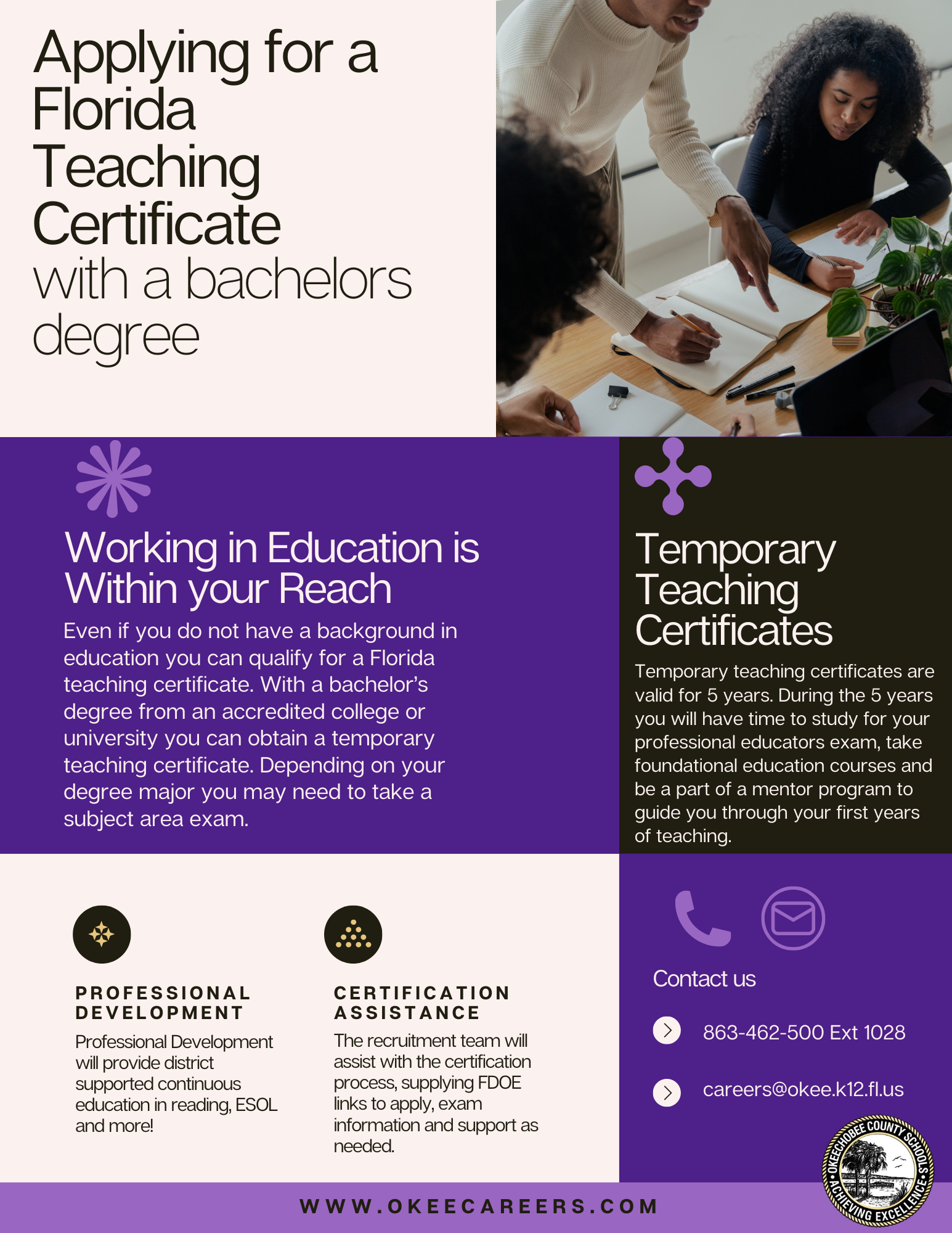
For those who already hold a bachelor’s degree in a field other than education, Florida offers alternative certification programs. These programs are designed to provide individuals with the necessary pedagogical knowledge and skills to transition into teaching. They often involve intensive coursework, practical training, and mentorship.
These programs can be a fantastic option for individuals looking to leverage their existing expertise in areas where there is a high demand for teachers, such as STEM fields. They offer a more accelerated route to certification compared to traditional programs.
Career Changer Programs
Similar to alternative certification, career changer programs are tailored for individuals who have significant experience in a specific profession and wish to transfer their knowledge and skills to the classroom. These programs often recognize the value of real-world experience and may offer a more streamlined process.
For example, a seasoned engineer might pursue a career changer program to teach high school physics. These programs focus on bridging the gap between their professional background and the requirements of effective teaching, ensuring they can impart their knowledge to the next generation.
Out-of-State Certified Teachers
If you hold a valid teaching certificate from another state, you may be eligible for reciprocity in Florida. The Florida Department of Education evaluates out-of-state credentials to determine equivalency. This process can significantly shorten the time it takes to become certified in Florida, as many of your existing qualifications may be recognized. You will still need to meet Florida‘s specific FTCE requirements, but the educational prerequisites might be waived or substituted.
Each pathway has its own set of specific requirements, deadlines, and program structures. It’s crucial to thoroughly research each option and consult with the Florida Department of Education to determine which pathway best aligns with your academic background, career goals, and personal circumstances. Embarking on this journey requires careful planning and a commitment to fulfilling all necessary steps, much like planning a memorable family trip to Florida or exploring the rich local culture of a new destination.
The pursuit of a Florida teaching certificate is a structured process, but with careful planning and attention to detail, it is an achievable goal. By understanding the eligibility criteria, meticulously following the application procedures, and exploring the various certification pathways available, you can confidently embark on your journey to becoming a valued educator in the vibrant educational landscape of the Sunshine State. From the bustling streets of Miami to the serene beaches of the Florida Keys, Florida offers a fulfilling environment for both life and career.
LifeOutOfTheBox is a participant in the Amazon Services LLC Associates Program, an affiliate advertising program designed to provide a means for sites to earn advertising fees by advertising and linking to Amazon.com. Amazon, the Amazon logo, AmazonSupply, and the AmazonSupply logo are trademarks of Amazon.com, Inc. or its affiliates. As an Amazon Associate we earn affiliate commissions from qualifying purchases.