
Boston, a city steeped in history and brimming with charm, is a true walker’s paradise. Its compact size, historic streetscapes, and abundance of attractions clustered closely together make it an ideal destination for those who prefer to explore on foot. Forget the hassle of constantly hailing taxis or navigating complex public transport routes; in Boston, the best way to uncover its hidden gems and iconic landmarks is by lacing up your shoes and embracing the pavement. This guide will help you pinpoint the perfect accommodations in Boston’s most walkable neighborhoods, ensuring your trip is filled with effortless exploration and memorable experiences.
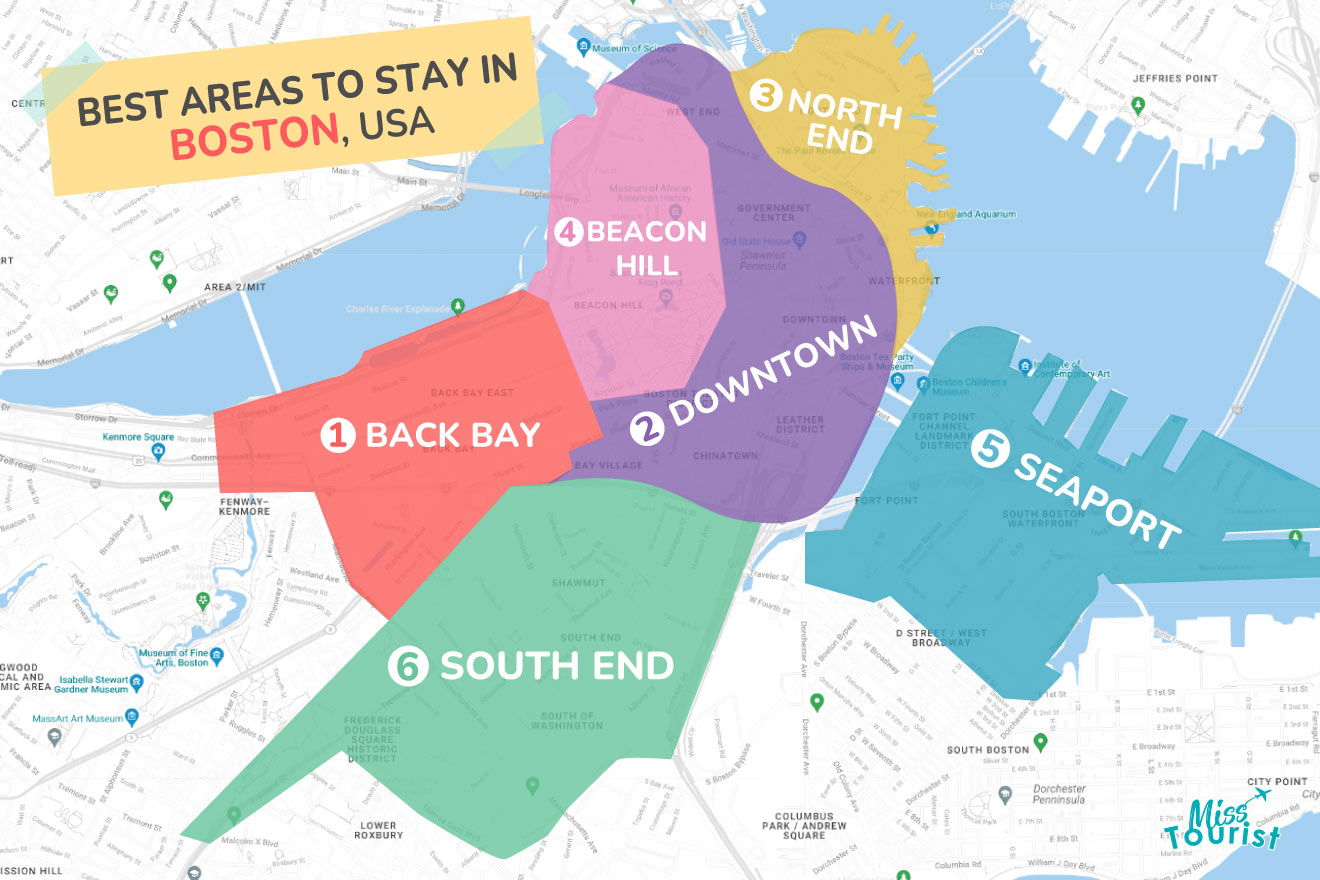
From the cobblestone streets of Beacon Hill to the grand avenues of Back Bay and the historic waterfront of the North End, each district offers a unique flavor and direct access to a wealth of attractions. Whether you’re a history buff eager to trace the Freedom Trail, a foodie seeking culinary adventures, or a shopper looking for boutique finds, choosing the right base is paramount to a truly walkable vacation. This article delves into the top neighborhoods, suggests ideal hotels for various travel styles, and offers practical tips to maximize your pedestrian-friendly journey through one of America’s most historic cities.
Why Walk Boston? The Ultimate Urban Exploration
Boston is arguably one of the most walkable major cities in the United States. Its layout, a charming mix of colonial-era winding paths and planned 19th-century boulevards, is a testament to its long history. Unlike sprawling metropolises, Boston’s core attractions are incredibly concentrated, making it a joy to navigate without relying heavily on vehicles.
The Compact Charm of the City
The beauty of Boston’s walkability lies in its density. Within a relatively small geographical footprint, you can transition from historical landmarks to bustling market squares, serene green spaces, and vibrant cultural hubs. The city’s famous Freedom Trail, a 2.5-mile red-lined path through downtown, is the quintessential example of this. It connects 16 historically significant sites, including the Massachusetts State House, Old North Church, and Faneuil Hall Marketplace, all accessible by foot. This allows visitors to immerse themselves in centuries of history without ever stepping into a car. Beyond the Freedom Trail, countless other pathways invite exploration, leading you through diverse neighborhoods each with its own distinct character and appeal.
Accessibility and Public Transport: Your Walking Companion
While the primary goal is to walk everywhere, Boston’s excellent public transportation system, the MBTA (affectionately known as “the T”), seamlessly complements a pedestrian-focused itinerary. For longer distances or a quick hop across the Charles River to Cambridge, the subway and bus lines are incredibly efficient. This means you can choose a walkable neighborhood as your base, explore its immediate vicinity on foot, and then use the MBTA for excursions to slightly more distant attractions like the Museum of Fine Arts or Fenway Park. This integrated approach provides the best of both worlds: the intimate experience of walking combined with the convenience of urban transit.
A Feast for the Senses on Foot
Walking in Boston is not just about getting from point A to point B; it’s an immersive sensory experience. Imagine strolling past magnificent Victorian brownstones, catching the aroma of freshly baked cannoli from a North End bakery, hearing the faint strains of a street musician in Boston Common, or feeling the gentle breeze off Boston Harbor. Every turn reveals a new architectural detail, a vibrant public art installation, or a charming independent shop. It’s an opportunity to truly absorb the city’s atmosphere, connect with its local culture, and discover unexpected delights that you might miss from a car window or even a crowded bus.
Top Walkable Neighborhoods in Boston
Choosing your accommodation’s neighborhood is the most critical decision for a walk-friendly trip to Boston. Each district offers distinct advantages, catering to different interests and travel styles.
Beacon Hill: Historic Elegance on Foot
Beacon Hill is arguably Boston’s most picturesque and quintessentially walkable neighborhood. Famous for its gas-lit, cobblestone streets, brick sidewalks, and stunning 19th-century row houses with their iconic purple windowpanes, it exudes old-world charm. Strolling through Beacon Hill feels like stepping back in time, yet it offers immediate access to modern conveniences.
- Nearby Attractions: From your base in Beacon Hill, you’re mere steps from the Massachusetts State House, the vast green expanse of Boston Common and the Public Garden (home to the Swan Boats). The boutiques and antique shops of Charles Street are also within easy reach. The heart of downtown Boston and segments of the Freedom Trail are just a short walk away.
- Accommodation Types: Expect charming boutique hotels and historic inns, often housed in beautifully preserved brownstones, offering a more intimate and personalized experience.
Back Bay: Grandeur and Greenery
Back Bay is renowned for its grand Victorian brownstone architecture, tree-lined streets, and elegant boulevards. It’s a slightly more upscale and sophisticated neighborhood, offering a blend of high-end shopping, fine dining, and beautiful urban parks. Its grid-like street plan makes it incredibly easy to navigate on foot.
- Nearby Attractions: Newbury Street, famous for its boutiques, art galleries, and sidewalk cafes, is the main artery. Copley Square is home to architectural marvels like the Boston Public Library, Trinity Church, and the Fairmont Copley Plaza. The Prudential Center offers shopping, dining, and panoramic city views. The Charles River Esplanade is also easily accessible for scenic riverside walks.
- Accommodation Types: Back Bay hosts many luxury hotels and larger, well-known hotel chains, offering a wide range of amenities.
Downtown Boston & Financial District: Business Meets History
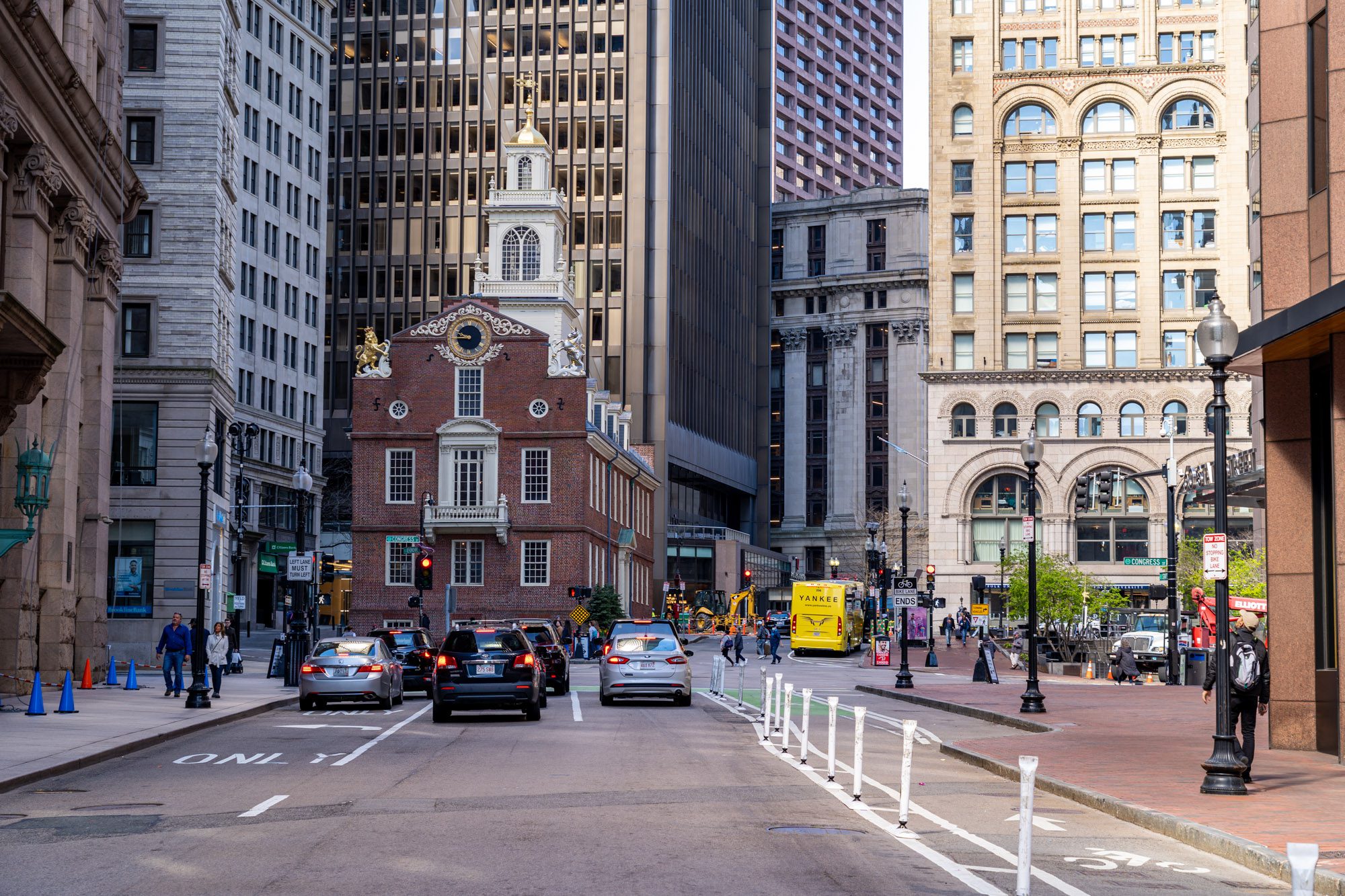
This area is the bustling core of the city, where historic landmarks stand shoulder-to-shoulder with modern skyscrapers. It’s an excellent choice for those who want to be at the epicenter of activity, with unparalleled access to major historical sites and convenient public transport connections.
- Nearby Attractions: This district encompasses much of the Freedom Trail, including Faneuil Hall Marketplace, Old State House, and the Old South Meeting House. You’re also close to Boston Harbor, the New England Aquarium, and the sprawling green urban oasis of the Rose Fitzgerald Kennedy Greenway.
- Accommodation Types: Expect a wide array of business-oriented hotels, large chain hotels, and luxury options, many offering excellent views and corporate amenities.
North End: A Taste of Italy on Your Doorstep
Boston’s oldest residential neighborhood, the North End, is a vibrant Italian-American enclave. Its narrow, winding streets are best explored on foot, leading you past iconic bakeries, authentic trattorias, and historic sites.
- Nearby Attractions: Here, you’ll find the Paul Revere House and the Old North Church, both crucial stops on the Freedom Trail. The true attraction, however, is the immersive culinary experience, with countless Italian restaurants, cafes, and pastry shops like Mike’s Pastry and Modern Pastry inviting you in. The Waterfront area is also just a short walk away.
- Accommodation Types: The North End offers fewer large hotels, favoring smaller boutique establishments, charming B&Bs, and guesthouses that reflect its historic character.
Seaport District: Modern Waterfront Living
For those who prefer a more contemporary vibe, the Seaport District offers sleek architecture, bustling restaurants, and stunning waterfront views. While newer and more spread out than the historic neighborhoods, it’s designed with pedestrians in mind, featuring wide sidewalks and open spaces.
- Nearby Attractions: Home to the Boston Convention and Exhibition Center, the Institute of Contemporary Art, and numerous trendy restaurants and bars. It offers a different kind of walkability, focused on modern leisure and business. Access to Downtown and the North End is easy via the Evelyn Moakley Bridge or a quick MBTA ride.
- Accommodation Types: The Seaport District primarily features modern luxury hotels and larger, upscale chain hotels catering to business travelers and those seeking contemporary amenities.
Choosing Your Perfect Walkable Stay: Hotels and Amenities
Once you’ve identified your preferred neighborhood, the next step is to choose the accommodation that best suits your lifestyle and budget. Boston offers a diverse range of options, from opulent five-star resorts to charming boutique inns and comfortable mid-range hotels.
Luxury Living in the Heart of the Action
For travelers seeking an indulgent experience, Boston boasts world-class luxury hotels strategically located within prime walking distance of major attractions. These establishments typically offer exceptional service, exquisite dining, and premium amenities like spas, fitness centers, and concierge services that can help plan your walking tours.
- The Langham Boston: Housed in a former Federal Reserve Bank building in the Financial District, it’s ideally situated for exploring the Freedom Trail and Faneuil Hall on foot. Its classic elegance and sophisticated ambiance make it a top choice.
- Four Seasons Hotel Boston: Overlooking the Public Garden and Boston Common, this hotel offers unparalleled access to these iconic green spaces and the upscale shops of Back Bay and Charles Street. Renowned for its impeccable service and luxurious comforts.
- The Ritz-Carlton, Boston: Located near Boston Common and the Theater District, it provides a sophisticated base for exploring both historic sites and evening entertainment.
Boutique Charm and Local Flair
If you prefer a more unique and personalized stay, Boston’s boutique hotels offer distinct character and often a deeper connection to their surrounding neighborhoods. These establishments prioritize style, comfort, and an intimate guest experience.
- XV Beacon Hotel: Tucked away on a charming street in Beacon Hill, this luxury boutique hotel offers an exclusive and intimate atmosphere. Its location is perfect for exploring the historic neighborhood, Boston Common, and the Freedom Trail directly from your doorstep.
- The Lenox Hotel: A historic gem in Back Bay, The Lenox offers elegant accommodations just steps from Copley Square and Newbury Street. Its classic ambiance and central location make it a favorite for walkable city breaks.
- Kimpton Marlowe Hotel: While technically across the river in Cambridge, the Kimpton Marlowe is exceptionally walkable to Boston’s North End and TD Garden via the Charlestown Bridge. It offers stylish design, excellent service, and a vibrant atmosphere.
Mid-Range Comfort for Every Traveler
For those balancing comfort and cost, Boston has a wealth of mid-range hotels that don’t compromise on location or essential amenities. These options provide excellent value, often placing you right in the thick of the action without the premium price tag.
- Hilton Boston Downtown/Faneuil Hall: Positioned between the Financial District and Faneuil Hall, this hotel offers a great central base for exploring historical sites, the North End, and the Waterfront on foot.
- Courtyard by Marriott Boston Downtown: Located near the Theatre District and Boston Common, it provides comfortable stays with easy access to shopping, dining, and public transport connections for wider exploration.
Extended Stays and Apartment-Style Accommodation
For longer trips, family vacations, or business stays, apartment-style hotels offer more space, kitchenettes, and a home-away-from-home feel, which can be particularly convenient for saving on dining expenses.
- Brands like Residence Inn by Marriott or Homewood Suites by Hilton often have properties in walkable areas like Seaport, Longwood Medical Area (a short MBTA ride to downtown), or near the Financial District. These are excellent choices for travelers who value extra room and the flexibility of self-catering, while still being able to walk to nearby amenities and attractions.
Practical Tips for Walking Boston
To make your walkable Boston adventure as smooth and enjoyable as possible, keep these practical tips in mind.
Essential Gear
- Comfortable Shoes: This is non-negotiable. Boston’s streets, particularly in older neighborhoods, can be uneven with cobblestones and brick sidewalks. Opt for supportive, broken-in walking shoes or sneakers.
- Layered Clothing: Boston’s weather can be unpredictable, even within a single day. Dressing in layers allows you to adjust comfortably to temperature changes as you move between indoor attractions and outdoor exploration.
- Small Backpack or Crossbody Bag: Keep your essentials (water bottle, snacks, camera, guidebook) handy without cumbersome bulk.
- Portable Charger: Your phone’s map and camera will be in heavy use, so a portable charger is a lifesaver.
Mapping Your Route
- Download Offline Maps: Utilize apps like Google Maps or Apple Maps with offline capabilities to navigate without constant data usage.
- Combine Digital with Physical: While digital maps are convenient, a good old-fashioned paper map of Boston can be incredibly helpful for getting a broader sense of the city’s layout and making quick adjustments without draining your phone battery. Many hotels and visitor centers provide free maps.
- Plan Your Day: While spontaneity is fun, having a general idea of the attractions you want to see each day, grouped by neighborhood, will optimize your walking routes and minimize backtracking.
Safety and Awareness
- Mind Pedestrian Rules: Always cross at crosswalks and obey traffic signals. Boston drivers can be assertive, so stay alert.
- Stay Aware of Your Surroundings: Like any major city, be mindful of your belongings and surroundings, especially in crowded tourist areas or at night.
- Walk Confidently: Even if you’re unsure of your exact location, walking with purpose can help you blend in and project confidence.

Embracing the “Detour”
One of the greatest joys of walking Boston is the opportunity to stumble upon unexpected discoveries. Don’t be afraid to veer off your planned route down a charming alleyway or into a hidden courtyard. These unplanned detours often lead to the most memorable experiences – a quaint café, a unique bookstore, or a stunning architectural detail you might otherwise have missed. Let the city guide you sometimes; its history and beauty are around every corner.
In conclusion, choosing to stay in a walkable neighborhood in Boston is choosing an immersive, authentic, and truly enriching travel experience. By carefully selecting your accommodation based on your interests and embracing the city on foot, you’re not just visiting Boston – you’re becoming a part of its vibrant, historic narrative. Pack your walking shoes, prepare to be captivated, and get ready to discover all the wonders this magnificent city has to offer, one step at a time.
LifeOutOfTheBox is a participant in the Amazon Services LLC Associates Program, an affiliate advertising program designed to provide a means for sites to earn advertising fees by advertising and linking to Amazon.com. Amazon, the Amazon logo, AmazonSupply, and the AmazonSupply logo are trademarks of Amazon.com, Inc. or its affiliates. As an Amazon Associate we earn affiliate commissions from qualifying purchases.