
Florida, the Sunshine State, is renowned for its pristine beaches, vibrant theme parks, and rich cultural tapestry. From the bustling metropolises of Miami and Orlando to the serene natural beauty of the Everglades National Park and the historic charm of St. Augustine, the state offers a diverse range of experiences for every traveler and resident. Whether you’re seeking luxury resorts in Naples, budget-friendly stays in Key West, or family adventures in Tampa, Florida’s allure is undeniable. However, its geographical position along the Atlantic coast and the Gulf of Mexico also makes it susceptible to tropical storms and hurricanes. Understanding how to prepare for these powerful weather events is crucial for ensuring safety and minimizing disruption, whether you’re a permanent resident or a visitor planning your dream vacation.
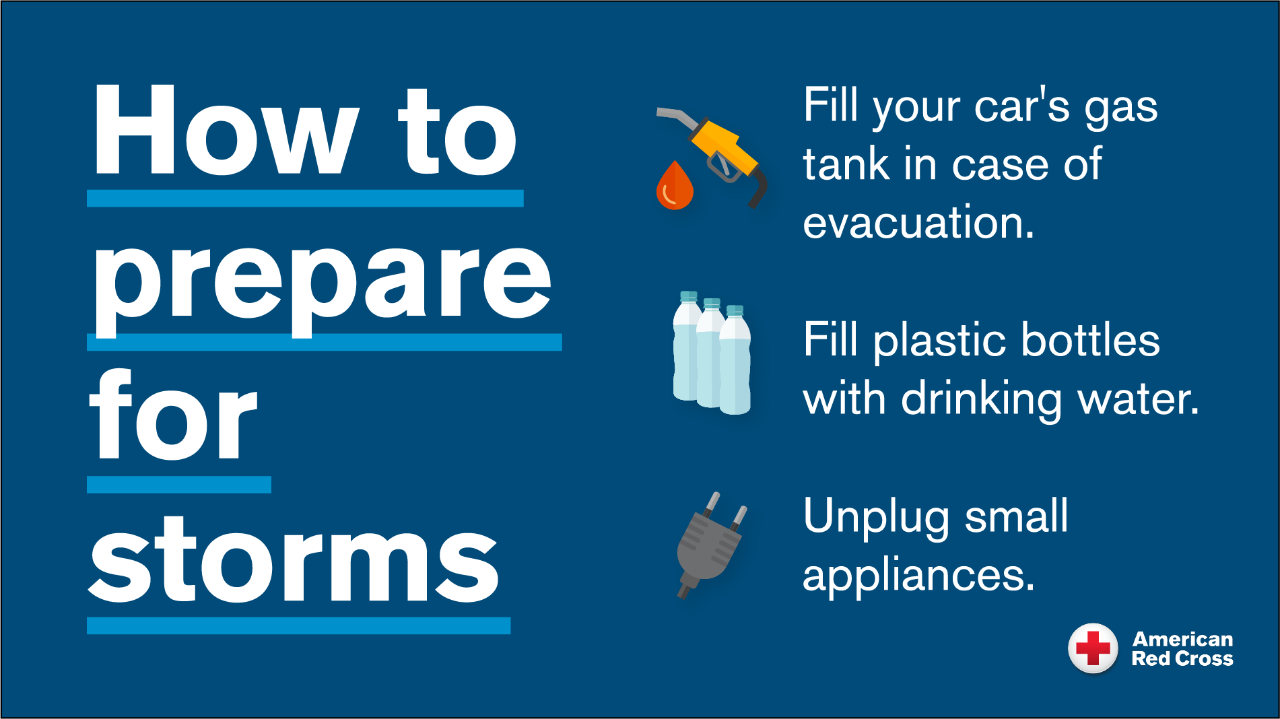
The hurricane season in Florida officially runs from June 1st to November 30th, with the peak typically occurring between August and October. During this period, the state can experience a range of storms, from mild tropical depressions to devastating Category 5 hurricanes. The impact of a hurricane can be far-reaching, affecting travel plans, accommodation bookings, and access to local attractions and amenities. Therefore, proactive preparation is not just recommended; it’s essential. This guide will walk you through the vital steps to take, drawing upon insights relevant to travel, accommodation, and experiencing the unique Florida lifestyle, ensuring you can navigate hurricane season with confidence.
Understanding Hurricane Risks and Planning Your Travel
Florida’s diverse geography means different regions face varying degrees of hurricane risk. Coastal areas are particularly vulnerable to storm surges, while inland communities may face high winds and heavy rainfall. Understanding the specific threats to your intended destination or current location is the first step in effective preparation. This involves staying informed about weather forecasts and advisories issued by official sources like the National Hurricane Center.
Making Informed Travel Decisions
If you are planning a trip to Florida during hurricane season, flexibility is key. It’s wise to book flights and accommodations with flexible cancellation or rebooking policies. Many airlines and hotel chains understand the potential for weather disruptions and offer such options. Before booking, research the hurricane history of your chosen destination. While no place is entirely immune, some areas have been historically more affected than others. For instance, the western panhandle of Florida has seen significant impacts from storms making landfall there, while the southern tip may experience different weather patterns.
Consider purchasing travel insurance that covers weather-related cancellations or interruptions. This can provide financial protection if your trip is significantly disrupted. Always have a backup plan. This could involve identifying alternative destinations within Florida or nearby states that are less likely to be affected, or having a readily available option to postpone your travel altogether. When traveling to popular spots like Walt Disney World Resort in Orlando or exploring the unique marine life at SeaWorld Orlando, be aware that attractions may temporarily close due to severe weather.
When making accommodation choices, look beyond just the amenities and price. Consider the property’s location and its vulnerability to flooding or high winds. Some older hotels or properties situated in low-lying coastal areas might be more susceptible to damage or extended power outages. Conversely, well-constructed, modern resorts or hotels, especially those located inland or on higher ground, might offer a safer haven. Researching reviews that mention previous storm experiences can also offer valuable insights into how a particular accommodation handled past events. For those considering longer stays, such as vacation rentals or apartments, understanding local evacuation zones and community preparedness plans is paramount.
Essential Preparations for Residents and Long-Term Visitors
For those living in or staying long-term in Florida, hurricane preparedness is a more comprehensive undertaking, involving securing your property, stocking essential supplies, and having a clear evacuation plan. This applies whether you reside in a single-family home in a suburban neighborhood or a condo in a high-rise in a city like Jacksonville.
Securing Your Property and Home
The first line of defense against hurricane damage is securing your home or dwelling. This typically involves boarding up windows and doors with plywood or installing storm shutters. For homes with sliding glass doors or large windows, specialized hurricane shutters offer the best protection against high winds and flying debris. Consider trimming trees and removing any dead branches that could become projectiles during a storm. Secure any outdoor furniture, grills, or other items that could be swept away by strong winds.
If you live in an area prone to flooding, consider elevating critical appliances like air conditioning units and electrical panels. Ensure your roof is in good repair, as this is often the first point of structural failure during a severe storm. For those in older homes, especially historic properties like those found in Key West, consulting with a professional about structural reinforcements might be a worthwhile investment.
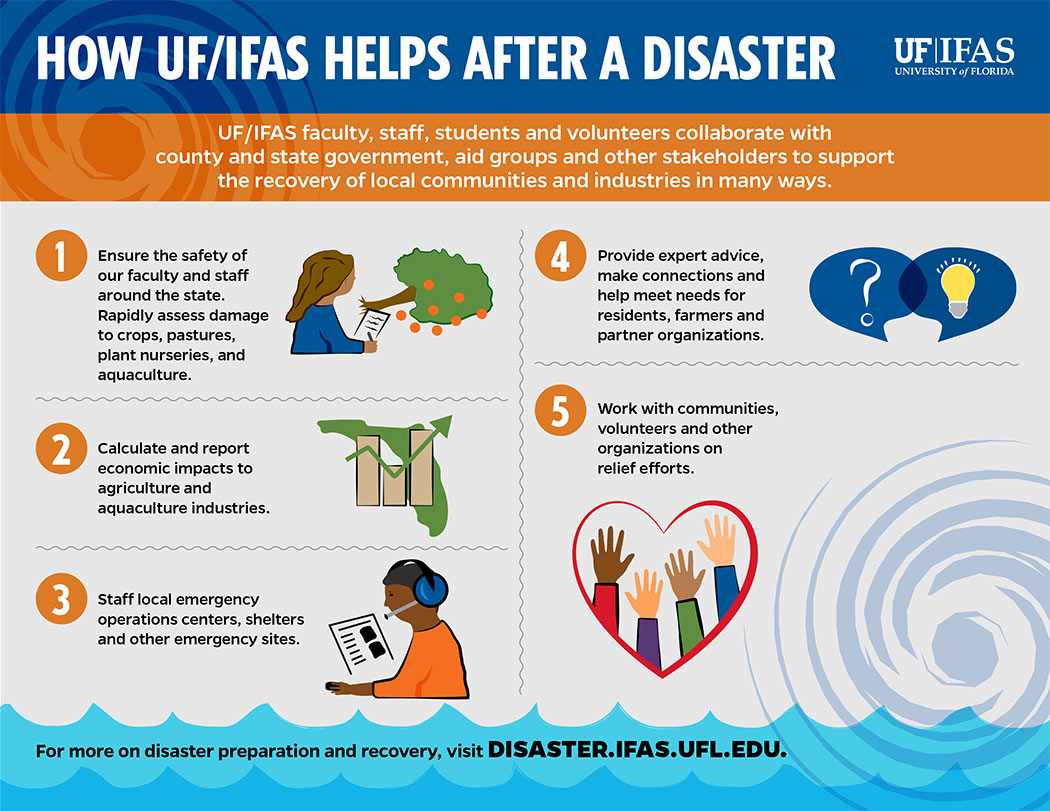
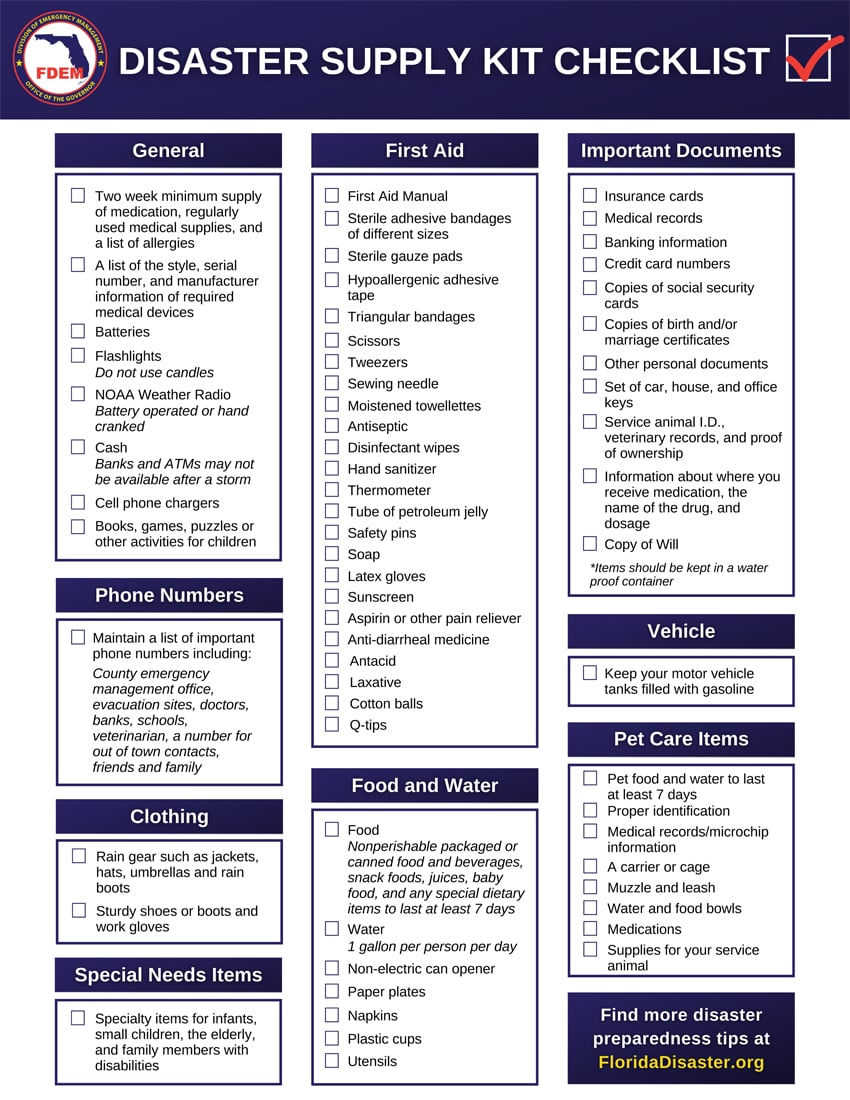
Building Your Hurricane Supply Kit
A well-stocked emergency kit is crucial for surviving the immediate aftermath of a hurricane, which can include extended power outages, limited access to stores, and potential disruptions to essential services. Your kit should include:
- Water: At least one gallon per person per day for several days.
- Food: A non-perishable supply of food for several days, including canned goods, energy bars, and dried fruits. Don’t forget a manual can opener.
- First-Aid Kit: A comprehensive kit with bandages, antiseptic wipes, pain relievers, and any necessary personal medications. Ensure you have at least a week’s supply of prescription medications.
- Flashlights and Batteries: Multiple flashlights with extra batteries. Consider a hand-crank or solar-powered flashlight as a backup.
- Radio: A battery-powered or hand-crank weather radio to receive emergency updates.
- Sanitation and Hygiene: Toilet paper, moist towelettes, garbage bags, and plastic ties for personal sanitation.
- Tools: A wrench or pliers to turn off utilities, and a basic tool kit.
- Chargers and Power Banks: For electronic devices.
- Cash: ATMs may not work during power outages, so having some cash on hand is important.
- Documents: Copies of important personal documents, insurance policies, and identification, stored in a waterproof bag.
- Blankets or Sleeping Bags: For warmth.
For families with infants or pets, specific supplies such as formula, diapers, pet food, and leashes should also be included. Remembering these details is crucial for family trips and ensuring everyone’s comfort and safety.
Evacuation Plans and Staying Safe During a Storm
Deciding whether to evacuate is one of the most critical decisions during a hurricane. Local authorities will issue evacuation orders based on the anticipated severity of the storm and specific risks to different areas, such as storm surge zones or mobile home parks.
Understanding Evacuation Orders and Routes
Familiarize yourself with your local evacuation zone. This information is typically available from your county’s emergency management agency. If an evacuation order is issued for your zone, heed it immediately. Do not wait for the storm to arrive. Roads can become impassable, and emergency services may be overwhelmed.
Plan your evacuation route in advance. Identify multiple possible routes, as your primary route may become blocked. Know where you will go – whether it’s to a designated hurricane shelter, a friend or family member’s home in a safer location, or a hotel outside the affected area. For those without a personal vehicle, research public transportation options for evacuations if available in your community. If you have pets, ensure your chosen evacuation destination is pet-friendly, as most public shelters do not allow animals.
For travelers already in Florida, staying informed about potential evacuations is crucial. If you are staying at a hotel in a coastal city like Fort Lauderdale, be aware that hotels in mandatory evacuation zones will be required to close and guests will need to leave. Having a pre-arranged plan with your travel agent or hotel for such scenarios can save a lot of last-minute stress. Many residents also opt to leave their homes in less severe situations to avoid being stranded. This is where understanding the lifestyle of budgeting or luxury travel can be helpful; budget travelers might have a pre-identified list of affordable hotels outside storm-prone areas, while luxury travelers might have preferred resorts in less vulnerable locations.
During the Storm: Shelter-in-Place or Evacuate
If you are not under an evacuation order and have adequately prepared your home, you may choose to shelter in place. During the storm, stay indoors, away from windows and doors. Listen to your weather radio for updates. Keep your emergency kit accessible. If you are in a mobile home or a vehicle, these are not safe during hurricanes, and you should evacuate to a designated shelter or a sturdier building.
If you are in a designated hurricane shelter, follow the instructions of the shelter staff. These facilities are designed to provide safety from the storm. Remember to bring your emergency kit, including any necessary medications, identification, and comfort items. For those who have decided to ride out the storm in a hotel, it’s advisable to stay on lower floors if possible (unless there’s a risk of flooding) and avoid rooms with large windows. Many hotels will have internal rooms or areas designated as safe zones during the storm.
After the storm has passed, do not venture outside until authorities declare it safe. Be aware of downed power lines, flooded areas, and damaged structures. Avoid driving unless absolutely necessary, as roads may be hazardous. The recovery process can be long, and patience and continued preparedness are essential for navigating the aftermath of a hurricane in the Sunshine State. Whether you’re a tourist eager to see the Vizcaya Museum and Gardens or a local preparing your home in Palm Beach, proactive planning remains the most effective strategy for safety and resilience.
LifeOutOfTheBox is a participant in the Amazon Services LLC Associates Program, an affiliate advertising program designed to provide a means for sites to earn advertising fees by advertising and linking to Amazon.com. Amazon, the Amazon logo, AmazonSupply, and the AmazonSupply logo are trademarks of Amazon.com, Inc. or its affiliates. As an Amazon Associate we earn affiliate commissions from qualifying purchases.