
The allure of California is undeniable. From the sun-kissed beaches of Southern California to the majestic redwoods of the north, and from the vibrant urban pulse of Los Angeles to the iconic charm of San Francisco, the Golden State beckons millions of travelers each year. But for many, the initial question isn’t about what to do there, but rather, “How long does it take to get to California?” The answer, as fascinating and diverse as the state itself, isn’t a simple number. It’s a complex equation influenced by your starting point, chosen mode of transportation, the specific destination within California you aim for, and even your personal travel style and budget.
Embarking on a journey to California can range from a matter of hours to several days, transforming from a rapid transit to a leisurely expedition. Whether you’re a globetrotter planning an international escapade, a domestic explorer setting off on a cross-country adventure, or a seasoned business traveler seeking efficiency, understanding these variables is key to crafting your ideal itinerary. This comprehensive guide will delve into the myriad factors that dictate your travel time, explore the nuances of various transportation methods, and offer insights to help you plan an unforgettable trip, integrating considerations for accommodation, local culture, and overall travel experience.
The Dynamic Factors Influencing Your California Journey
Before even considering the miles or the clock, several fundamental elements come into play when estimating your travel time to California. These factors weave together to form the fabric of your journey, shaping not just the duration but also the overall experience.
Starting Point: The Global Grid
The most obvious determinant of travel time is your point of origin. A traveler departing from New York City will have a vastly different experience and timeline than someone beginning their journey in London or Tokyo.
For those within the United States, travel times generally fall within:
- East Coast Cities (e.g., New York City, Miami, Boston): These are the longest domestic journeys.
- Midwest Cities (e.g., Chicago, Dallas, Denver): Intermediate travel times.
- Western States (e.g., Nevada, Arizona, Oregon): Shortest domestic travel times, often just a few hours by air or a single day’s drive.
International travelers face significantly longer journeys, often spanning continents and time zones. For instance, flying from Europe or Asia to California involves intercontinental flights that can exceed 10-15 hours in the air, not including layovers. Even from neighboring countries like Canada or Mexico, the travel duration will depend heavily on the specific city of departure.
Mode of Transport: Speed, Comfort, and Scenery
The choice of transportation is paramount. Each option – air, road, rail, or bus – presents a unique balance of speed, cost, comfort, and the kind of experience you desire.
- Air Travel: Unquestionably the fastest for long distances, ideal for those with limited time or traveling from far-flung locations.
- Driving: Offers unparalleled flexibility, allowing for spontaneous stops, exploration of scenic routes, and a deeper immersion into local culture. However, it requires significantly more time.
- Train Travel: A more leisurely and scenic option, providing a comfortable journey with opportunities to relax and enjoy the landscape, though typically slower than flying.
- Bus Travel: Often the most economical choice, but also generally the slowest and potentially least comfortable for very long distances.
Your California Destination: Beyond Just “California”
California is a vast state, stretching over 800 miles from north to south. Arriving in Los Angeles is a different proposition than reaching Redwood National and State Parks in the far north or San Diego in the south.
- Southern California Hubs: Major airports like LAX (Los Angeles International Airport) or San Diego International Airport are often the primary entry points for tourists heading to attractions like Disneyland, Hollywood, or the beaches.
- Northern California Hubs: SFO (San Francisco International Airport) or Oakland International Airport serve visitors bound for San Francisco, Napa Valley, or Yosemite National Park.
- Central Valley: Cities like Sacramento or Fresno may be closer to destinations like Lake Tahoe or national parks.
The time it takes to reach your final destination within California can add significant hours to your overall travel, especially if you then need to drive several more hours from a major airport or train station.
By Air: The Swift Path to the Golden State
For speed and efficiency, especially over long distances, air travel remains the undisputed champion. It minimizes transit time, allowing you to maximize your exploration of California’s attractions.
Domestic Flights: Connecting the Nation
Traveling by plane from within the United States to California is generally a matter of a few hours.
- East Coast to California (e.g., New York City to Los Angeles): Direct flights typically range from 5.5 to 6.5 hours. When accounting for travel to and from airports, security, boarding, and potential delays, the total elapsed time can easily stretch to 8-10 hours.
- Midwest to California (e.g., Chicago to San Francisco): Direct flights usually take 4 to 5 hours. With airport procedures, plan for a total of 6-8 hours.
- Mountain West to California (e.g., Denver to San Diego): Direct flights are shorter, around 2 to 3 hours. Allow 4-6 hours for the complete door-to-door experience.
For those traveling from nearby states like Nevada or Arizona, flights can be as short as 1-2 hours. Consider the major airports like LAX, SFO, San Diego International, Oakland, and Sacramento International Airport as your primary gateways. Opting for a direct flight is key to minimizing travel time and avoiding the hassles of layovers.
International Flights: Bridging Continents
International travel to California is a longer commitment, but direct routes from major global hubs make it feasible within a day.
- Europe to California (e.g., London or Paris to Los Angeles): Direct flights generally span 10 to 11 hours. Factoring in pre-flight checks, security, customs, and potential transit from the airport, the total journey can extend to 14-16 hours.
- Asia to California (e.g., Tokyo or Seoul to San Francisco): Expect direct flight times of 9 to 12 hours across the Pacific. The overall travel time, including airport processes and the significant time zone adjustment, will be around 13-17 hours.
- Australia/New Zealand to California (e.g., Sydney to Los Angeles): These are some of the longest routes, with direct flights typically lasting 13 to 15 hours. The complete journey could easily be 18+ hours considering all logistics.
- Latin America to California (e.g., Mexico City to Los Angeles): Shorter flights, often around 3 to 5 hours, but customs and immigration can add considerable time.
Navigating Airports and Layover Logistics
Beyond flight time, the airport experience significantly impacts total travel duration.
- Arrival Time: Most airlines recommend arriving 2-3 hours before domestic flights and 3-4 hours before international flights.
- Security Checkpoints: Depending on the airport (e.g., JFK, O’Hare International Airport, LAX, SFO) and time of day, security can take anywhere from 30 minutes to over an hour. Utilizing services like TSA PreCheck or Global Entry can drastically reduce this wait.
- Layovers: Connecting flights add time. A typical layover is 1-3 hours, but some can be much longer. While a long layover in a city like Denver or Seattle might offer a chance to stretch your legs or grab a meal, it will extend your total journey.
- Customs and Immigration: For international arrivals, this can add 1-2 hours or more, especially during peak travel times.

To minimize travel time, prioritize direct flights whenever possible. When booking accommodation, consider hotels near major airports for early morning departures or late-night arrivals, offering convenience and reducing further transit time on the ground.
By Land: Embracing the Journey
While flying offers speed, traveling by land provides a different kind of reward: the journey itself. It’s an opportunity to see the diverse landscapes of the United States up close, stopping at charming towns, natural wonders, and roadside attractions along the way.
The Great American Road Trip: Driving to California
Driving to California is a quintessential American experience, but it demands a significant time investment.
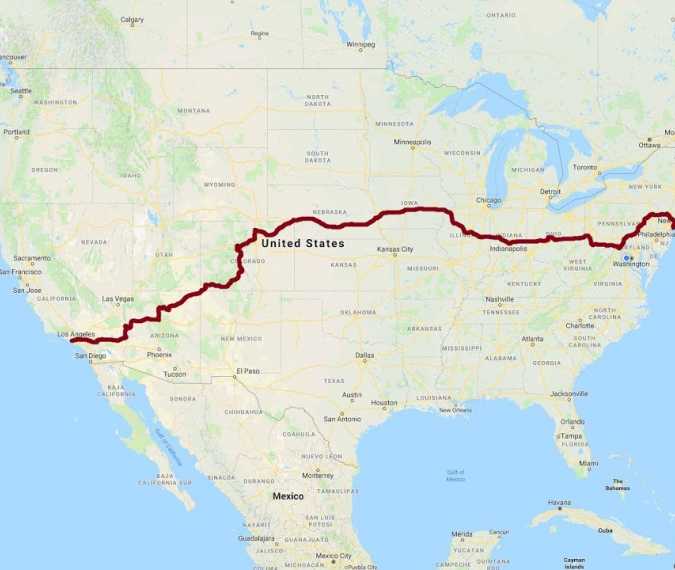
- East Coast to California (e.g., New York City to Los Angeles): This cross-country drive covers approximately 2,800-3,000 miles. At a driving pace of 8-10 hours per day (including short stops for gas and food), this trip will take 4 to 5 full days of driving. Many travelers extend this to 6-8 days to allow for sightseeing at iconic spots like the Grand Canyon, Route 66 landmarks, or vibrant cities like New Orleans or Denver.
- Midwest to California (e.g., Chicago to San Francisco): Covering about 2,000-2,200 miles, this trip typically requires 3 to 4 full days of driving. Popular routes might take you through states like Colorado, Utah, and Nevada.
- Pacific Northwest to California (e.g., Seattle or Portland to San Francisco): A relatively shorter drive of 800-1,000 miles, achievable in 1 to 2 days. This route often includes stunning coastal views, especially if you opt for the scenic Pacific Coast Highway (Highway 1), though this will add to the driving time compared to interstate routes.
Road trips offer incredible flexibility. You can choose to sprint to your destination or leisurely explore. This mode of travel also opens up possibilities for staying in diverse accommodations, from charming roadside motels and budget-friendly guesthouses to luxury resorts in scenic areas. Planning your overnight stops is crucial for comfort and safety.
Rail Adventures: A Scenic Alternative
Train travel with Amtrak offers a unique perspective on the American landscape, albeit at a slower pace than driving or flying. It’s a journey for those who prioritize relaxation and scenery over speed.
- Cross-Country Routes: Amtrak offers several routes to California. For instance, the California Zephyr from Chicago to Emeryville (near San Francisco) takes approximately 52-54 hours (just over 2 full days). The Southwest Chief from Chicago to Los Angeles is around 43-45 hours.
- Southern Routes: The Sunset Limited from New Orleans to Los Angeles takes about 48 hours.
Train journeys are often planned with overnight stays on board in sleeper cars or at hotels if there are significant layovers. This is a journey that emphasizes the experience, with dining cars, observation cars, and comfortable seating, making it a viable option for a particular lifestyle traveler looking for an immersive experience.
Bus Travel: Economical and Accessible
Bus services, primarily Greyhound, provide the most budget-friendly option for reaching California. However, this affordability comes with a trade-off in terms of comfort and speed.
- East Coast to California: A bus trip from New York City or Miami to Los Angeles can take anywhere from 60 to 75 hours (2.5 to 3+ days), including numerous stops and transfers.
- Midwest to California: From Chicago to San Francisco, expect a journey of around 40 to 50 hours.
Bus travel is a practical choice for students, backpackers, or those with very flexible schedules and limited budgets. While it’s the longest mode of transport for long distances, it provides access to many cities and towns across the country, serving as an excellent option for those focused on economical travel and perhaps exploring local culture along the way.
Planning Your California Expedition: Beyond Just Hours
Calculating the raw travel time is only one piece of the puzzle. A truly successful trip to California involves holistic planning that considers everything from where you’ll rest your head to how you’ll explore once you arrive.
Considering Accommodation and Stopovers
Regardless of your chosen mode of transport, accommodation plays a pivotal role in the overall journey.
- Road Trips: For extended drives, planning comfortable overnight stops is essential. Researching hotels, motels, or even unique Airbnb rentals in towns along your route can enhance the experience. Whether you prefer a luxury resort for a rejuvenating break or a budget-friendly motel to save costs, pre-booking is advisable, especially during peak seasons.
- Long-Haul Flights: Upon arrival in California after a long international flight, an immediate check-in to a comfortable hotel is often a priority to combat jet lag. Many travelers opt for resorts or hotels with ample amenities, allowing for immediate relaxation before diving into sightseeing.
- Train/Bus Travel: These modes sometimes necessitate overnight stays in cities with extended layovers or offer on-board sleeping options. Understanding these scenarios allows you to factor in potential hotel costs or prepare for a night on the move.
The choice of accommodation impacts not only your budget but also your energy levels and readiness to explore California’s diverse attractions, from the Hollywood Walk of Fame to the tranquility of Yosemite National Park.
Travel Style and Budget Implications
Your personal travel philosophy significantly shapes your journey duration and experience.
- Luxury Travel: If speed and comfort are paramount, you might opt for first-class flights, private car services from the airport, and stays in five-star hotels or boutique resorts upon arrival. This minimizes transit discomfort and maximizes time at your destination, though it comes at a higher cost.
- Budget Travel: For those on a tighter budget, longer bus or train rides, connecting flights, and stays in hostels or budget apartments might be the preferred choice. This often means more travel time but leaves more funds for exploring local culture, food, and activities once in California.
- Family Trips: Traveling with children often necessitates more frequent stops, slower pacing, and comfortable accommodations, potentially extending travel time but ensuring a more pleasant journey for everyone.
- Business Stays: Efficiency is key. Direct flights, quick airport transfers, and hotels with excellent business amenities are typically prioritized to minimize time spent commuting and maximize productivity.
Your lifestyle choices directly influence the perceived “cost” of your travel time. Is it an investment in experiences, or a commodity to be conserved?
Maximizing Your California Experience
Once you’ve navigated the journey to California, the real adventure begins. Having a clear understanding of your travel time helps you better plan your itinerary within the state.
- Internal Travel: Remember that moving within California also takes time. A drive from Los Angeles to San Francisco is about 6 hours, while reaching Lake Tahoe from San Francisco is approximately 3-4 hours. Factor in traffic, especially around major metropolitan areas and during peak hours.
- Explore Local Culture and Food: California offers an incredible array of culinary experiences and vibrant local cultures. From the fresh seafood of the coast to the diverse ethnic foods in Los Angeles and the farm-to-table movement in Northern California, allow time to savor these elements.
- Landmarks and Attractions: Whether it’s standing in awe of the Golden Gate Bridge, exploring Alcatraz Island, riding roller coasters at Disneyland, or hiking in Yosemite National Park, California is rich with iconic sights. Pre-booking tickets and tours can save time and enhance your experience.
Ultimately, the goal is not just to arrive, but to fully immerse yourself in the wonders of the Golden State.
The question “How long does it take to get to California?” is multifaceted, reflecting the diverse geography of our world and the varied preferences of travelers. From the rapid transit of a cross-country flight to the expansive, contemplative journey of a multi-day road trip, the duration is entirely dependent on your starting point, chosen transport, and desired destination. By carefully considering these elements and weaving in your personal travel style, budget, and accommodation preferences, you can not only accurately estimate your travel time but also design a journey that is as fulfilling and memorable as the destination itself. Whether you seek adventure, relaxation, cultural immersion, or business opportunities, California awaits, and the path to its golden shores is yours to define.
LifeOutOfTheBox is a participant in the Amazon Services LLC Associates Program, an affiliate advertising program designed to provide a means for sites to earn advertising fees by advertising and linking to Amazon.com. Amazon, the Amazon logo, AmazonSupply, and the AmazonSupply logo are trademarks of Amazon.com, Inc. or its affiliates. As an Amazon Associate we earn affiliate commissions from qualifying purchases.