
Navigating the complexities of estate planning can feel like charting an unknown territory, especially when considering the unique financial landscape of a state as vast and diverse as Texas. Many individuals planning their legacy, whether they are seasoned travelers dreaming of luxury stays in Aspen or families planning budget-friendly excursions across the United States, often wonder about the tax implications of their assets. A frequently asked question that arises in these discussions, particularly for those with significant wealth or property holdings, is: “Does Texas have an estate tax?” This is a crucial piece of information for anyone looking to ensure their assets are passed on smoothly to their loved ones, minimizing potential burdens and maximizing the intended inheritance.
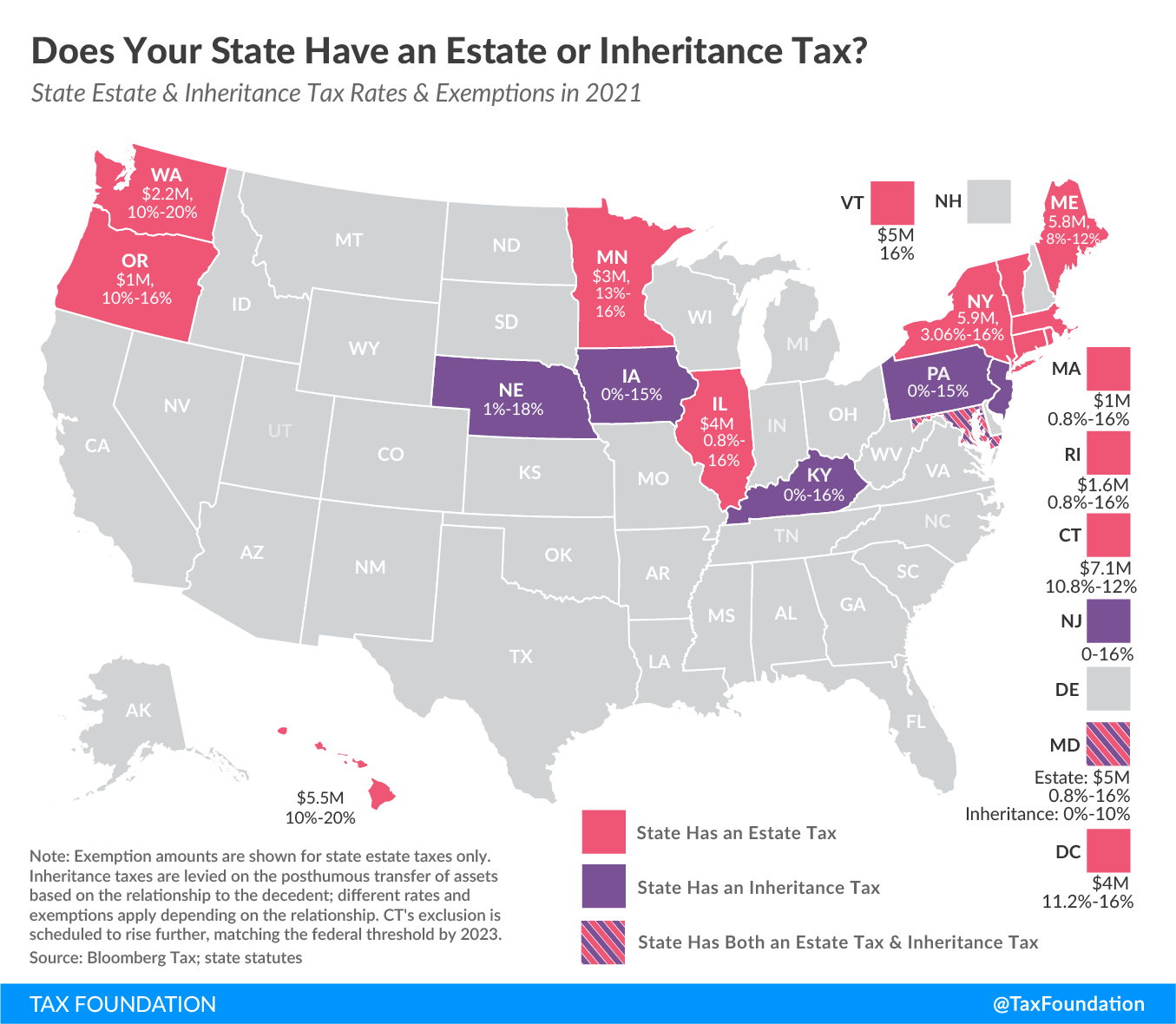
Understanding the tax framework surrounding estates is fundamental to effective financial planning. It impacts how wills are structured, how trusts are established, and ultimately, the net value of what beneficiaries will receive. For residents of Texas, the answer to this question is generally a welcome one. Unlike many other states, Texas does not impose its own state-level estate tax. This significantly simplifies the estate planning process for many Texans, offering a distinct advantage compared to those living in states with higher tax burdens. This lack of a state estate tax means that when an individual passes away, the value of their estate is not subject to a separate state tax levy on the transfer of those assets.
However, it’s important to clarify that while Texas does not have an estate tax, this does not mean there are no taxes whatsoever that can impact an estate. The federal government does have an estate tax, and this applies to all U.S. citizens and residents, regardless of which state they call home. The federal estate tax has a very high exemption threshold, meaning that only the wealthiest estates are subject to it. Therefore, for the vast majority of individuals, even those with substantial assets, the federal estate tax is not a concern.
The Federal Estate Tax: A High Bar to Clear
While Texas itself refrains from levying an estate tax, the federal government maintains its own system for taxing large estates. This federal estate tax is a significant consideration for those at the very top of the wealth spectrum. Understanding its nuances is crucial for comprehensive estate planning, even if the likelihood of being subject to it is low for most.
Federal Estate Tax Exemption Thresholds
The federal estate tax is characterized by a generous exemption amount. For many years, this exemption has been adjusted for inflation. As of recent regulations, the federal estate tax exemption is quite substantial. This means that an individual can pass away with an estate valued below this threshold without incurring any federal estate tax. For instance, if the exemption is set at a certain level, the first portion of the estate’s value is effectively shielded from taxation. Any value above this exemption amount is then subject to federal estate tax at a progressive rate.
The current federal estate tax exemption is substantial enough that only a very small percentage of estates in the United States are actually liable for this tax. This exemption applies on a per-person basis, and married couples can often combine their exemptions, further increasing the amount that can be passed on tax-free. This planning strategy can be particularly beneficial for couples who wish to leave a significant legacy to their children or charitable causes without the imposition of federal estate taxes.
What Constitutes a Taxable Estate?
Determining what constitutes a taxable estate involves more than just looking at bank accounts and real estate. A taxable estate generally includes all assets owned by the decedent at the time of their death. This can encompass a wide range of holdings, from tangible assets like homes and vehicles to intangible assets such as stocks, bonds, and retirement accounts. The value of these assets is typically determined at their fair market value on the date of death, or sometimes on an alternative valuation date, six months after death.
Beyond direct ownership, certain other assets may be included in the taxable estate. This can include certain types of jointly owned property, assets held in revocable trusts, and the proceeds from life insurance policies where the decedent had incidents of ownership. Gifts made during the decedent’s lifetime within a certain period before death (often referred to as “gift tax” exclusions) might also be “added back” to the estate for calculation purposes, although this is a complex area of tax law.
Crucially, certain deductions are allowed when calculating the taxable estate. These deductions can significantly reduce the overall value of the estate subject to tax. Common deductions include debts owed by the decedent, funeral expenses, and administrative expenses associated with settling the estate. Furthermore, unlimited deductions are allowed for bequests made to a surviving spouse (the “marital deduction”) and for bequests made to qualifying charitable organizations (the “charitable deduction”). These deductions are vital tools for reducing or eliminating estate tax liability, especially for larger estates.
State-Level Estate Tax: The Texas Advantage
The absence of a state estate tax in Texas is a significant financial advantage for its residents. This means that individuals can plan their estates with the assurance that a state-level tax will not diminish the inheritance intended for their beneficiaries. This simplifies planning and often results in a larger net transfer of wealth.
No State Estate Tax in Texas
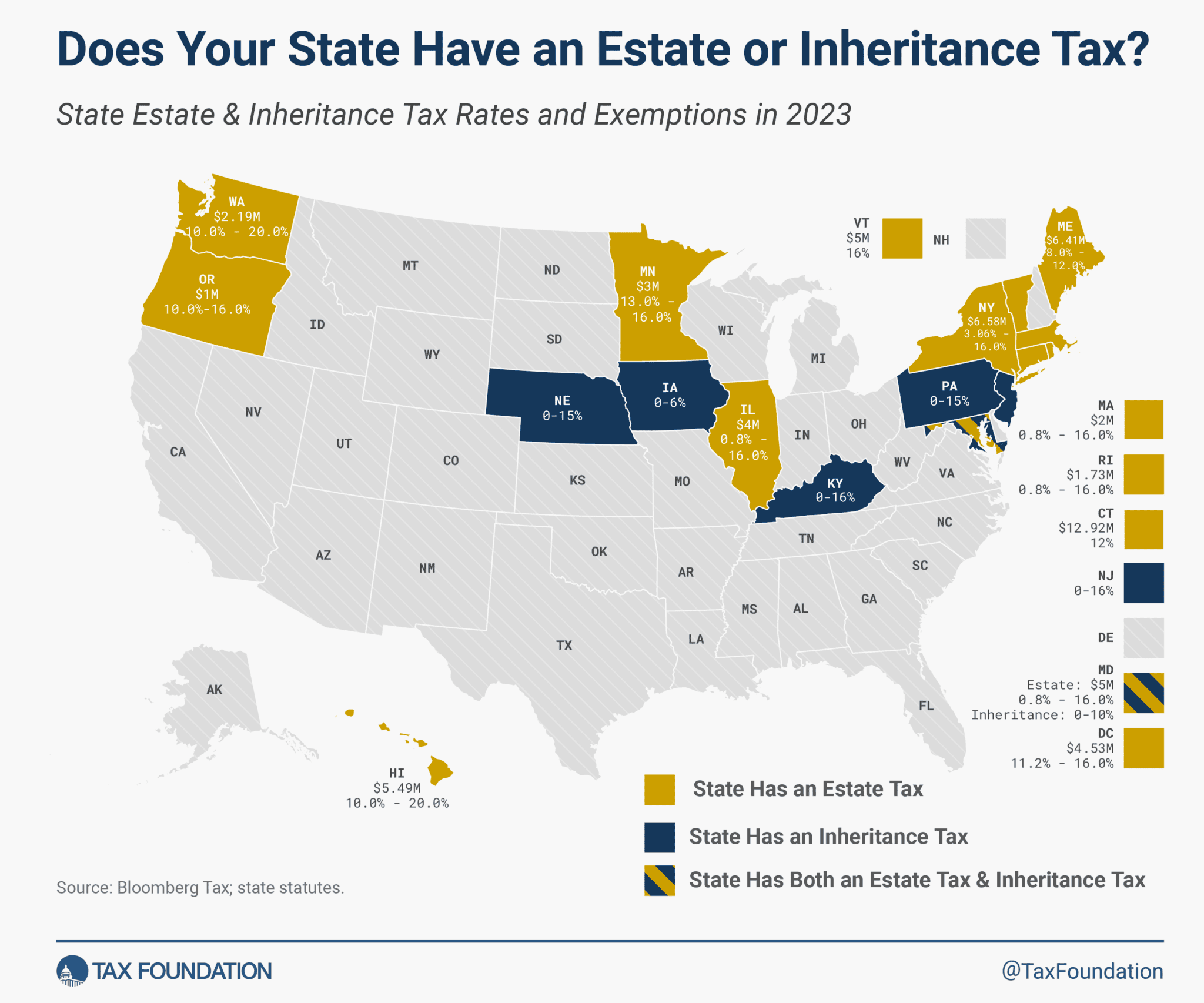
The primary takeaway regarding estate taxes in Texas is straightforward: there is no state estate tax. This has been the case for many years, providing a stable and predictable environment for estate planning for individuals residing in the Lone Star State. Unlike many other states that impose their own estate taxes, often with lower exemption thresholds than the federal tax, Texas has chosen not to implement such a levy.
This policy decision is a considerable benefit to Texans. When comparing estate planning considerations with, say, planning a luxury hotel stay in a city with high local taxes, the absence of a state estate tax in Texas translates into more of the deceased’s assets being available for their heirs. This can be particularly impactful for those who have accumulated significant wealth, such as successful entrepreneurs, investors, or individuals who have inherited substantial assets themselves, perhaps from families who have established businesses or investments over generations.
Other States’ Estate Tax Landscape
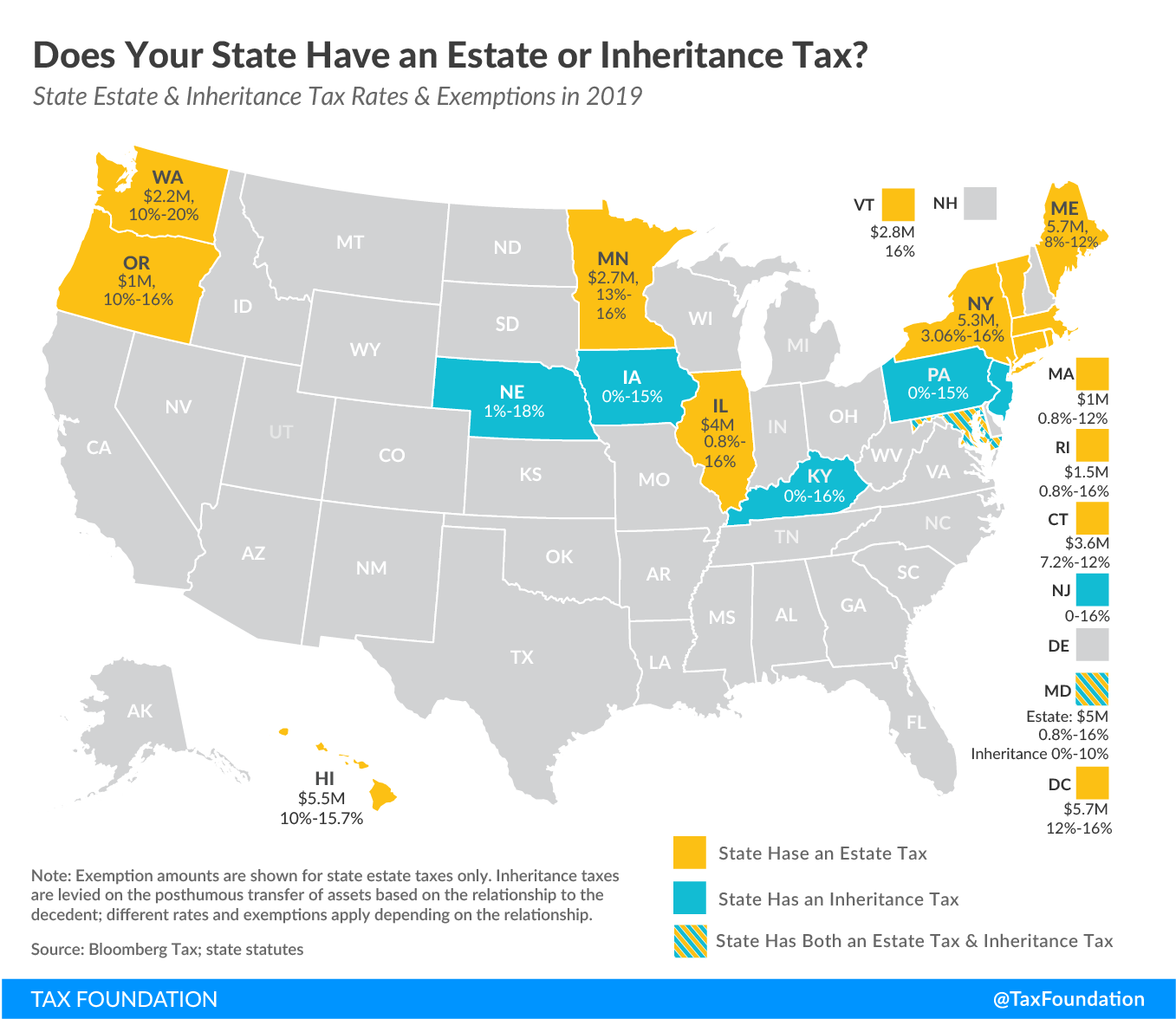
To fully appreciate the Texas advantage, it’s helpful to briefly consider the estate tax landscape in other states. A number of states do have their own estate taxes, and these can vary significantly in their rates, exemption amounts, and the types of assets they cover. For example, states like Maryland, Massachusetts, and Washington all have their own estate taxes, often with exemption thresholds considerably lower than the federal level. This means that even if an estate is not subject to federal estate tax, it might still be liable for a state estate tax in these jurisdictions.
This disparity among states highlights the importance of residency in estate planning. If an individual owns property or has significant assets in multiple states, understanding the estate tax laws of each relevant jurisdiction becomes crucial. For residents of Texas, however, the focus can remain on federal tax considerations and the planning strategies available within the state, without the added layer of a state estate tax. This can simplify financial decisions, allowing for more straightforward wealth transfer and legacy planning, whether one is contemplating an extended stay in a resort or planning for future generations.
Estate Planning Beyond Taxes: Wills, Trusts, and Beneficiaries
While the absence of a state estate tax in Texas is a significant advantage, it’s crucial to remember that estate planning encompasses far more than just tax implications. The core purpose of estate planning is to ensure that one’s assets are distributed according to their wishes, and that their loved ones are cared for. This involves establishing clear legal directives through documents like wills and trusts, and carefully considering who the beneficiaries will be.
The Importance of a Will
A will is a foundational document in estate planning. It is a legal document that outlines how an individual’s assets will be distributed after their death. Without a valid will, the distribution of an estate is determined by state intestacy laws, which may not align with the decedent’s actual wishes. This can lead to unintended consequences, such as assets going to individuals the decedent did not intend to benefit, or protracted legal disputes among family members.
In Texas, as in other states, a will typically names an executor, who is responsible for administering the estate, paying debts and taxes, and distributing assets to beneficiaries. It also specifies the beneficiaries and the proportion of the estate each will receive. For individuals planning various types of trips, from a quick weekend getaway to a month-long exploration of Europe, having a will provides peace of mind that their affairs will be in order, no matter where life’s adventures take them.
Utilizing Trusts for Asset Management and Distribution
Trusts are another powerful tool in estate planning, offering flexibility and control over asset distribution that a will alone may not provide. A trust is a legal arrangement where a grantor transfers assets to a trustee, who then manages those assets for the benefit of designated beneficiaries. Trusts can be established for various purposes, including avoiding probate, minimizing estate taxes (though less of a concern for state estate tax in Texas), protecting assets from creditors, and providing for minors or individuals with special needs.
There are many types of trusts, each with its own advantages. Revocable living trusts, for example, allow the grantor to maintain control over the assets during their lifetime and can be amended or revoked. Irrevocable trusts, on the other hand, offer greater tax benefits and asset protection but generally cannot be changed once established. For someone who enjoys the luxury of villa rentals or the detailed planning of a family trip to Disneyland, understanding how trusts can manage and protect their accumulated assets for future enjoyment by their descendants is a valuable aspect of comprehensive planning.
Identifying and Appointing Beneficiaries
The ultimate beneficiaries of an estate are the individuals or organizations designated to receive the assets. Whether it’s a spouse, children, grandchildren, friends, or charitable institutions like the St. Jude Children’s Research Hospital, clearly identifying beneficiaries in estate planning documents is paramount. This involves not only naming them but also specifying the exact assets or percentages they are to inherit.
For those who enjoy exploring local culture or seeking out unique experiences, thinking about who will benefit from their estate can be as rewarding as planning their next adventure. It’s about ensuring that the fruits of one’s labor and the legacy they build can continue to support the people and causes they care about, whether that’s funding a grandchild’s education, supporting a favorite charity, or leaving a lasting impact on their community. Careful consideration of beneficiaries ensures that the estate planning process fulfills the decedent’s deepest wishes.
In conclusion, for those residing in Texas, the question of whether the state imposes an estate tax is met with a clear and advantageous “no.” This simplifies a significant aspect of estate planning, allowing residents to focus on federal tax regulations and the broader goals of wealth transfer. While the federal estate tax exists, its high exemption threshold means it impacts only the wealthiest individuals. The true strength of estate planning, even in a tax-advantageous state like Texas, lies in meticulous legal preparation, including wills and trusts, and a clear vision for the beneficiaries who will carry on one’s legacy.
LifeOutOfTheBox is a participant in the Amazon Services LLC Associates Program, an affiliate advertising program designed to provide a means for sites to earn advertising fees by advertising and linking to Amazon.com. Amazon, the Amazon logo, AmazonSupply, and the AmazonSupply logo are trademarks of Amazon.com, Inc. or its affiliates. As an Amazon Associate we earn affiliate commissions from qualifying purchases.